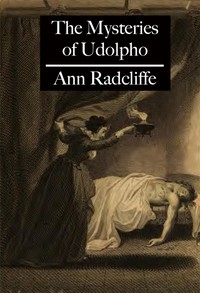

In 'The Mysteries of Udolpho', Ann Ward Radcliffe immerses readers in a gothic tale set against the breathtaking landscapes of 16th-century France. The story follows Emily St.
Read full overviewShow less›
In 'The Mysteries of Udolpho', Ann Ward Radcliffe immerses readers in a gothic tale set against the breathtaking landscapes of 16th-century France. The story follows Emily St. Aubert, a young woman who grapples with profound grief after the death of her mother, all while navigating the complexities of love, virtue, and the supernatural. Through vivid descriptions and intricate character development, Radcliffe explores how nature serves as both a backdrop and a reflection of Emily's inner turmoil. The novel is a masterclass in gothic literature, intertwining suspense with an exploration of the human condition. By examining the trials Emily faces, readers are invited to reflect on their own experiences with loss, resilience, and the quest for identity amidst societal constraints.
In 'The Mysteries of Udolpho', Ann Ward Radcliffe weaves a rich narrative that explores the depths of human emotion through the lens of gothic literature. The novel delves into themes of love, loss, and the complexities of virtue in a patriarchal society. Through Emily's journey, Radcliffe emphasizes the transformative power of grief and the quest for identity, all set against the haunting beauty of nature and the supernatural. The intricate relationships between characters illuminate the importance of friendship and loyalty in overcoming adversity. As Emily navigates her challenges, readers are invited to reflect on their own experiences with resilience and self-discovery. Ultimately, Radcliffe's work stands as a testament to the enduring strength of the human spirit, making 'The Mysteries of Udolpho' a timeless exploration of the human condition.
- 1The Power of Nature as a Mirror
- 2Grief and Transformation
- 3The Complexity of Love and Relationships
- 4Gothic Elements and Atmosphere
- 5The Dichotomy of Virtue and Vice
Notable quotes
“home is the resort Of love, of joy, of peace and plenty, where, Supporting and supported, polish’d friends And dear relations mingle into bliss.”
“O how canst thou renounce the boundless store Of charms which nature to her vot’ry yields!”
“In truth he was a strange and wayward wight, Fond of each gentle, and each dreadful scene.”

A glimpse inside

Nature plays a pivotal role in 'The Mysteries of Udolpho', serving not only as a scenic backdrop but as an emotional mirror for Emily's inner struggles. Read moreNature plays a pivotal role in 'The Mysteries of Udolpho', serving not only as a scenic backdrop but as an emotional mirror for Emily's inner struggles. Radcliffe’s lush descriptions of the countryside, particularly the Garonne River and the towering Pyrenees, encapsulate the beauty and terror of the natural world. For instance, the pastoral landscapes symbolize peace and joy, contrasting sharply with the ominous and foreboding presence of Udolpho Castle. This duality reflects Emily's own tumultuous emotions—her grief over her mother’s death and her growing fears regarding Montoni's intentions. As she wanders through verdant woods and along serene rivers, Emily finds solace and clarity, yet the looming presence of the mountains serves as a reminder of her challenges. The interplay between nature and emotion in Radcliffe’s writing invites readers to consider how external environments can influence internal states, making it a profound exploration of the human experience. Show less
Emily's journey is profoundly shaped by her grief, particularly following her mother’s death. Radcliffe delves into the psychological impact of loss, depicting Emily’s st… Read moreEmily's journey is profoundly shaped by her grief, particularly following her mother’s death. Radcliffe delves into the psychological impact of loss, depicting Emily’s struggle to cope with her overwhelming sorrow. The funeral scene serves as a critical turning point; it not only marks the end of Emily’s childhood innocence but also foreshadows the trials she will face. St. Aubert’s tender teachings on self-command become a haunting echo in Emily's mind, guiding her through moments of despair. As she grapples with her feelings, she learns that excessive grief can lead to a withdrawal from life’s joys—a lesson imparted by her father. This theme of transformation through grief is central, illustrating how Emily’s character evolves from a vulnerable daughter to a resilient young woman determined to reclaim her agency. Radcliffe poignantly captures this transition, emphasizing that while grief can be debilitating, it can also serve as a catalyst for personal growth and strength. Show less
Read the full text — free
About the author
Read Ann Ward Radcliffe's work free on Lumina — the complete text plus an 8-minute summary and key ideas, no account needed.
Frequently asked
Worlds to get lost in
Take Lumina everywhere
Read offline, listen to AI summaries, speed-read, and sync your progress across devices — free on iPhone.
Download for iPhone