1.Endurance Against All Odds
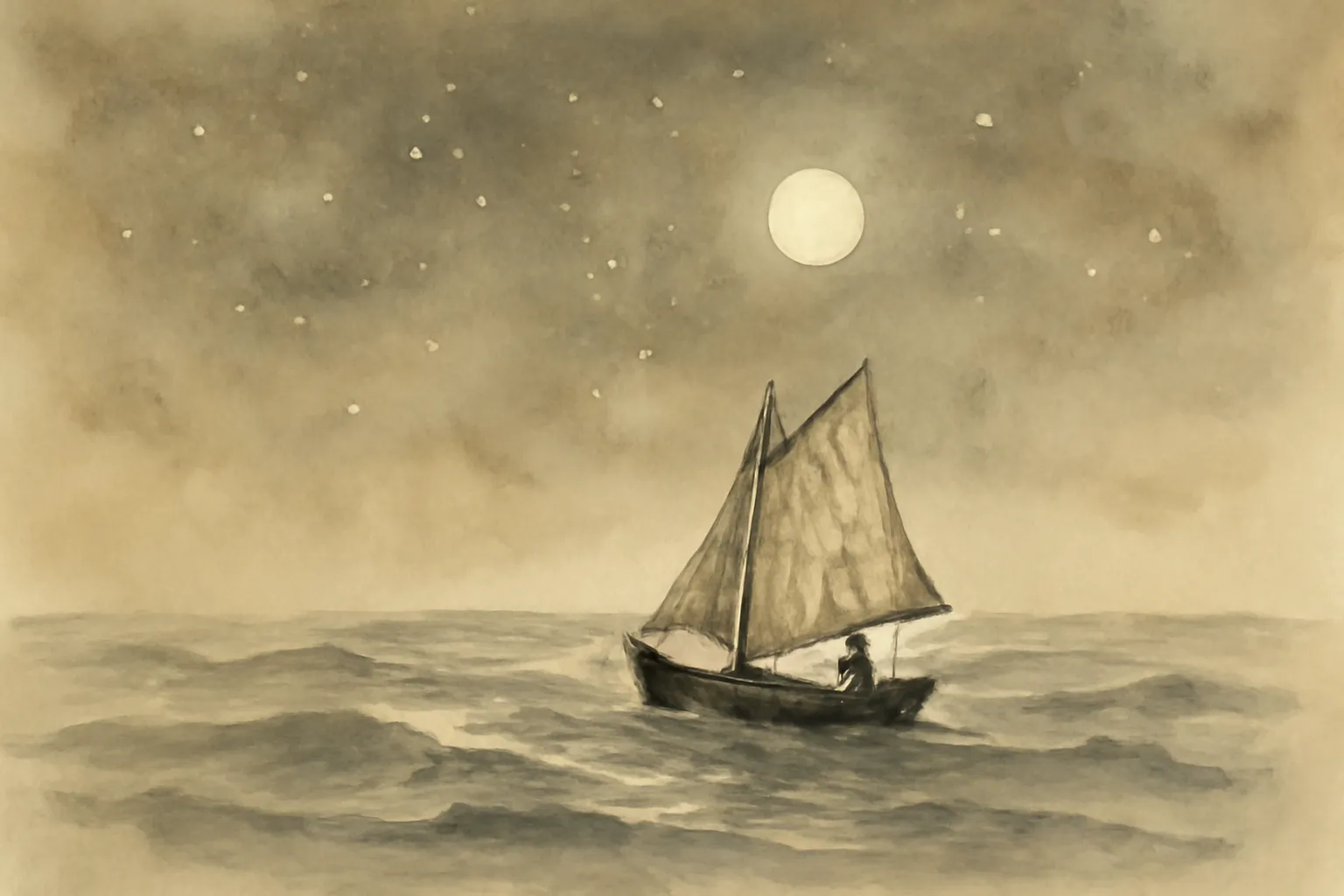
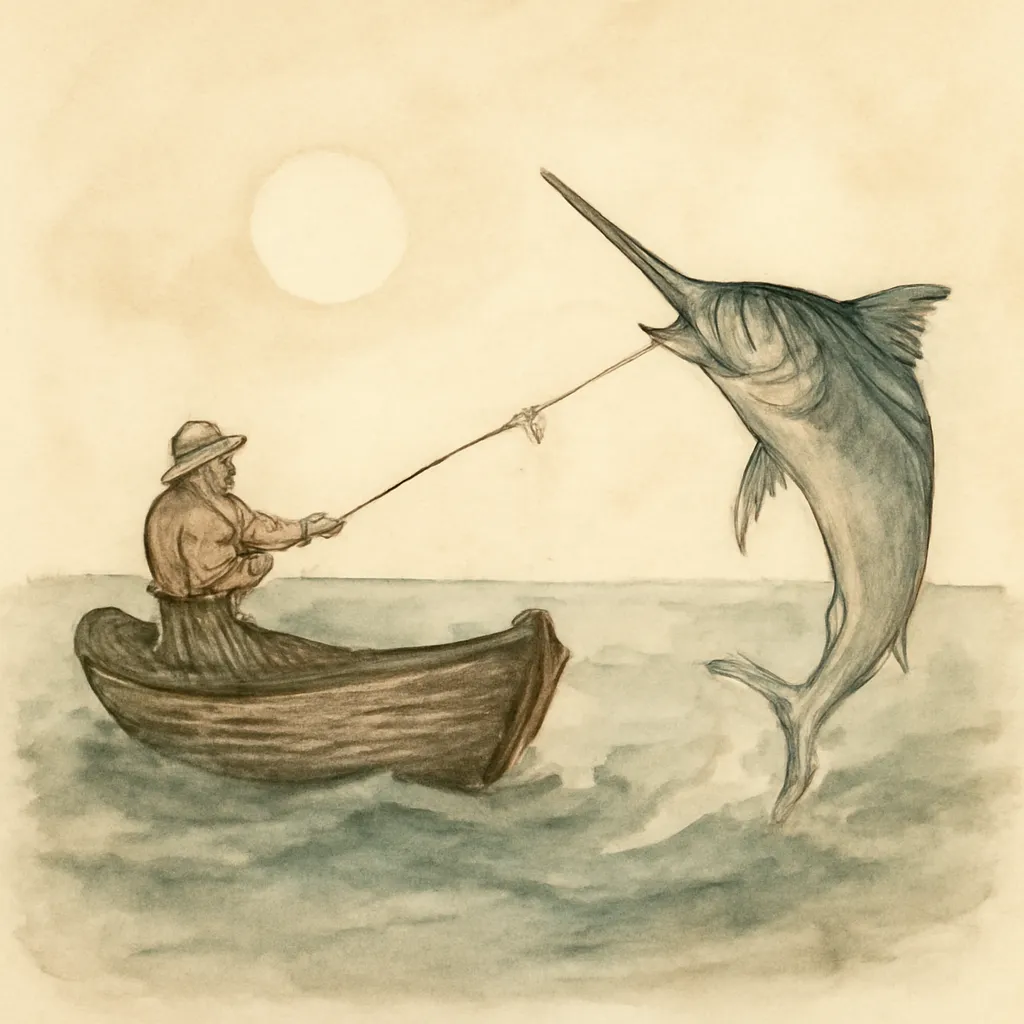
At its heart, the novel is a testament to human endurance. Santiago, the old fisherman, faces physical exhaustion, pain, and loneliness as he battles the marlin and the sea. His refusal to give up, despite overwhelming adversity, speaks to the universal human experience of facing challenges that seem insurmountable. Hemingway uses Santiago’s relentless struggle as a metaphor for resilience, suggesting that dignity is found not in victory, but in the act of striving itself.
2.Pride and Personal Redemption
Santiago’s journey is driven by a deep sense of personal pride. After a long run of bad luck, he seeks to prove his worth to himself and his community. This pride is not arrogance, but a quiet, internal force that compels him to push beyond his limits. The novel explores how pride can be both a source of strength and suffering, and how personal redemption often comes through enduring hardship with grace.
3.Man’s Relationship with Nature
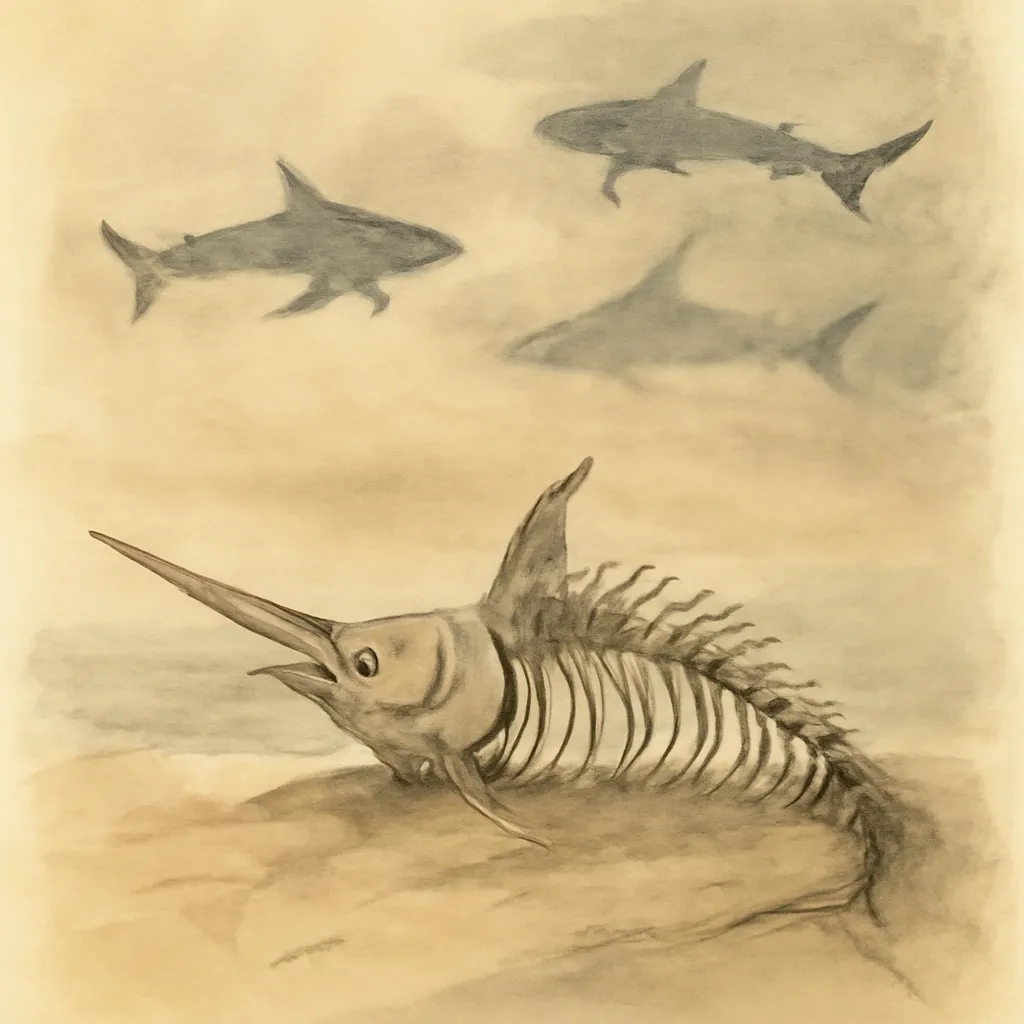
The sea is both adversary and companion to Santiago. Hemingway paints nature as indifferent, beautiful, and sometimes cruel. Santiago’s respectful attitude toward the marlin and the sharks reflects a deep connection with the natural world, recognizing both its majesty and its harsh realities. The novel invites readers to consider humanity’s place within nature, emphasizing respect, humility, and interconnectedness.
4.Isolation and Companionship
While Santiago is physically alone at sea, his thoughts often return to the boy, Manolin, and to memories of his youth. The novel explores the pain of isolation and the sustaining power of companionship, even when it exists only in memory or hope. Santiago’s relationship with Manolin is a poignant reminder of the importance of mentorship, friendship, and legacy.
5.The Nature of Success and Defeat
Hemingway challenges conventional ideas of success by showing that Santiago’s greatest victory is not the marlin he catches, but the courage and skill he demonstrates in the attempt. The loss of the fish to sharks does not diminish his achievement; instead, it reframes the meaning of defeat. The novel suggests that true success lies in the effort and integrity with which one faces life’s battles.
6.Simple Language, Deep Symbolism
Hemingway’s famously economical style strips the narrative to its essentials, yet the story is rich with symbolism. The marlin, the sea, and Santiago himself all represent larger ideas—struggle, fate, and the enduring human spirit. This simplicity makes the novel accessible, while its layers of meaning reward close reading and reflection.