American Sea stories · Male friendship · Fishers
The Old Man and the Sea by Ernest Hemingway — Summary, Key Ideas & Quotes
1952132 pages✦ 3-min Big ideas★ 3.9 (234)
Rate it
Set in the Gulf Stream off the coast of Havana, Hemingway's magnificent fable is the tale of an old man, a young boy and a giant fish. This story of heroic endeavour won Hemingway the Nobel Prize for Literature. It stands as a unique and timeless vision of the beauty and grief of man's challenge to the elements.
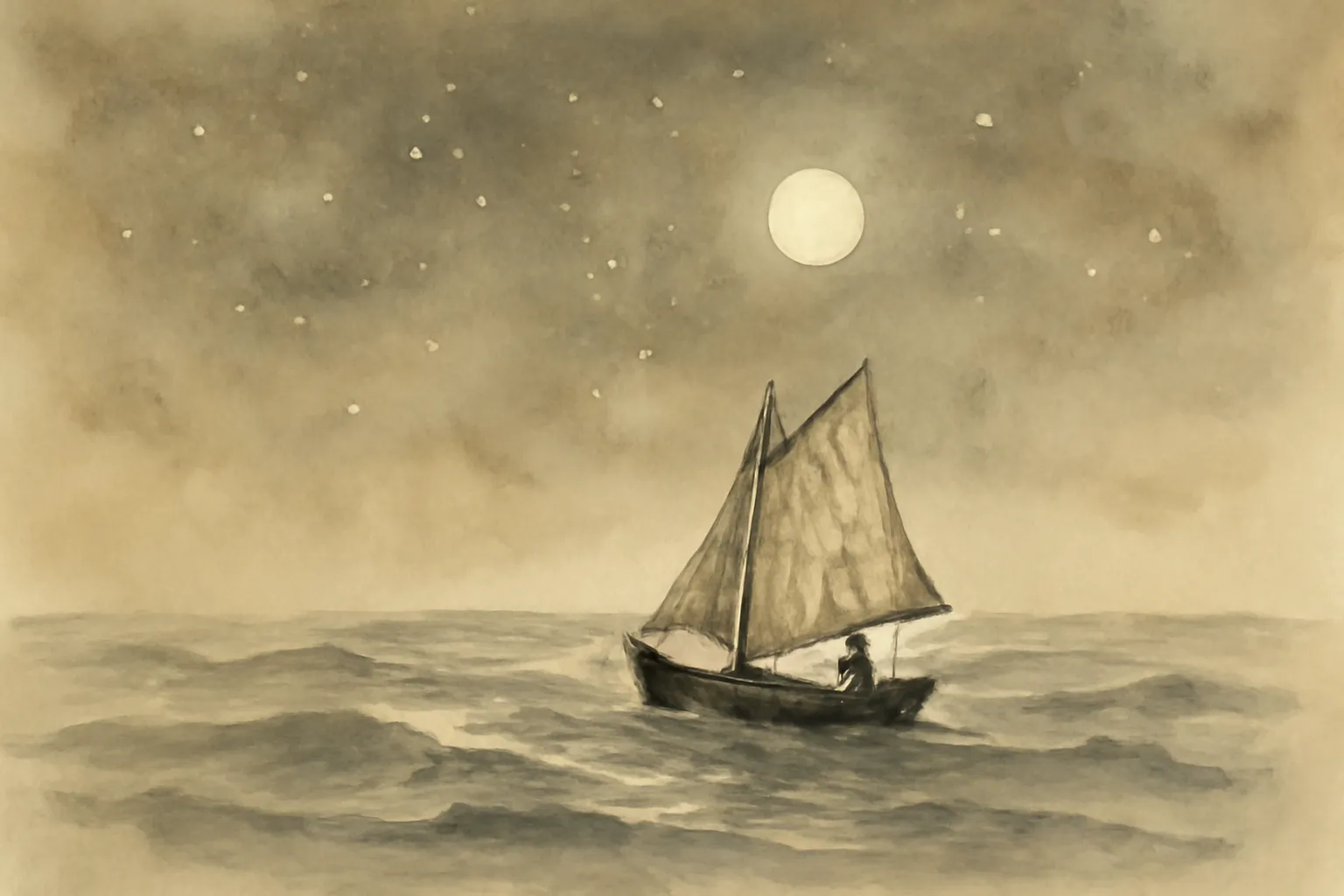
At its heart, the novel is a testament to human endurance. Santiago, the old fisherman, faces physical exhaustion, pain, and loneliness as he battles the marlin and the sea. His refusal to give up, despite overwhelming adversity, speaks to the universal human experience of facing challenges that seem insurmountable. Hemingway uses Santiago’s relentless struggle as a metaphor for resilience, suggesting that dignity is found not in victory, but in the act of striving itself.
Santiago’s journey is driven by a deep sense of personal pride. After a long run of bad luck, he seeks to prove his worth to himself and his community. This pride is not arrogance, but a quiet, internal force that compels him to push beyond his limits. The novel explores how pride can be both a source of strength and suffering, and how personal redemption often comes through enduring hardship with grace.
“But man is not made for defeat. A man can be destroyed but not defeated.”
“He was an old man who fished alone in a skiff in the Gulf Stream and he had gone eighty-four days now without taking a fish.”
“I may not be as strong as I think, but I know many tricks and I have resolution.”