1.The Allure of the Past
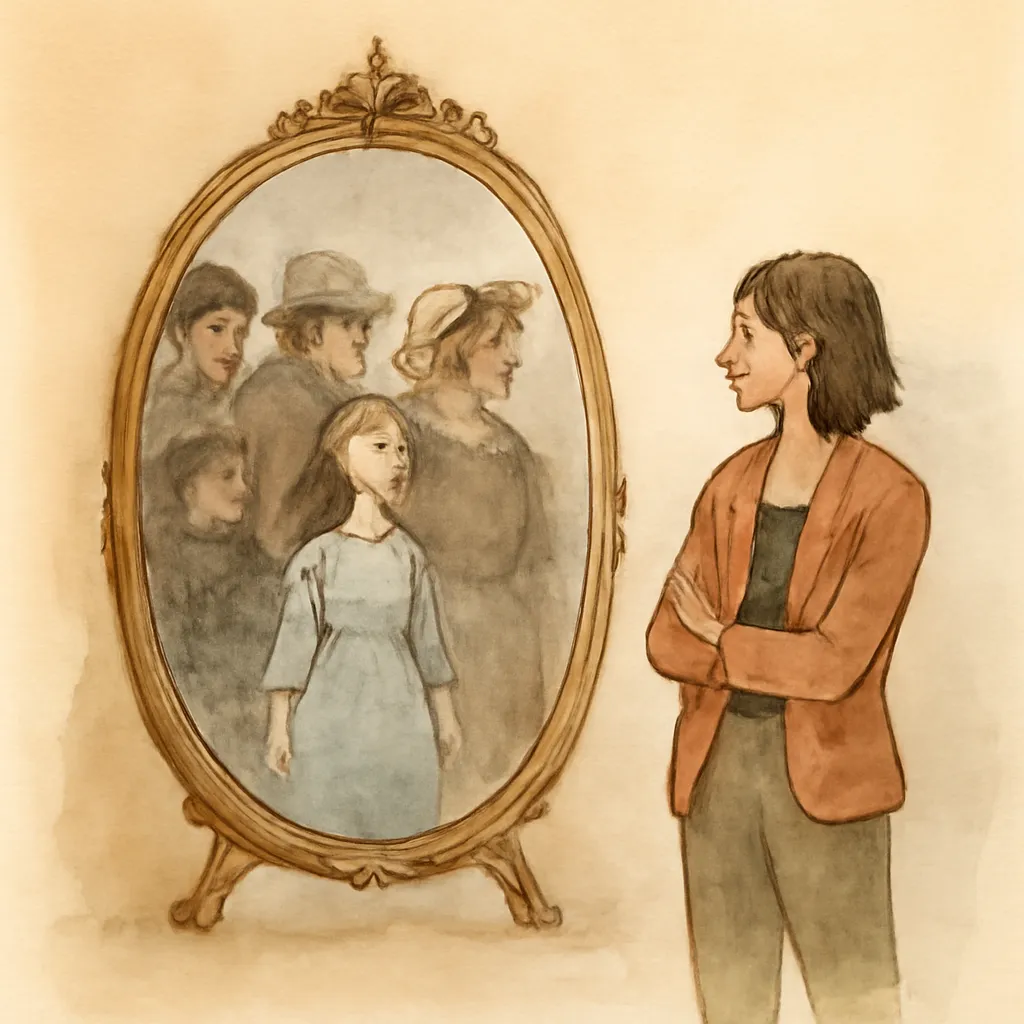
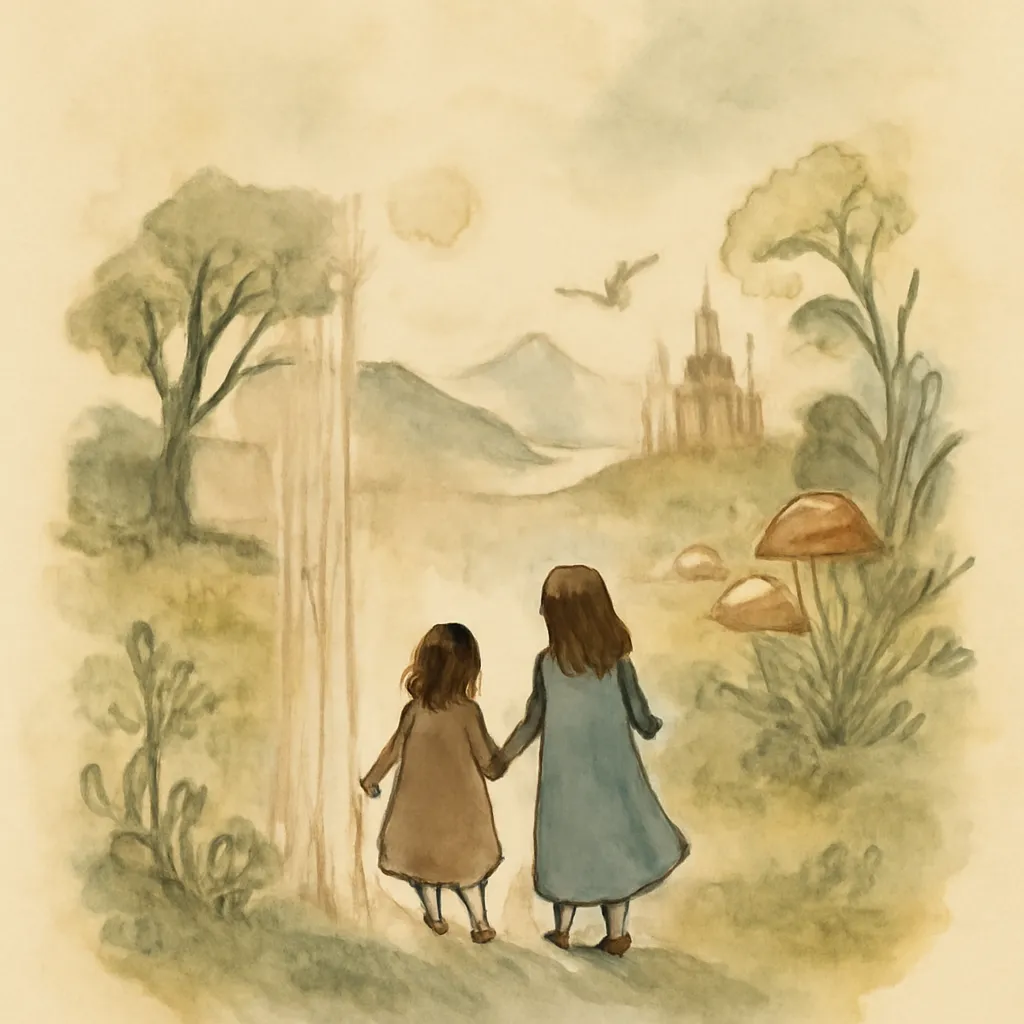
The novel opens with the two sisters in their garden, a setting that symbolizes their connection to both nature and their familial roots. As Phoebe delves into old letters, she expresses a longing for the past, stating, 'It's awful funny—but whenever I take out these old letters there comes over me the feelin' that I'm 'way off in a strange country—and I feel like somebody else.' This sentiment captures the essence of nostalgia and the human desire to connect with history. The letters serve as a portal, transporting Phoebe—and the reader—into a world where Shakespeare's players come to life. The allure of the past is not just about longing; it is about understanding who we are in the present. By exploring the emotional impact of history, MacKaye illustrates the power of memory, inviting readers to reflect on their own connections to the past and how these influence their current identities.
2.The Complexity of Choices
As the sisters contemplate traveling back in time, they face the reality of their choices. Phoebe's indignation at the thought of returning to infancy highlights the complexities of identity and agency. She exclaims, 'Did either of you think what would happen to me if we all went back to 1876? Two years old! That's what I'd be!' This moment underscores the conflict between the desire for adventure and the implications of losing one's current identity. The narrative compels readers to consider how choices shape our lives and the weight of decisions that may seem whimsical at first. The sisters’ journey becomes a metaphor for the choices we make every day and the paths we take—or avoid. MacKaye emphasizes that every choice carries consequences, both personal and communal, urging readers to reflect on the importance of agency in shaping one’s destiny.
3.The Role of Friendship and Support
Central to the sisters' journey is the character of Copernicus Droop, who embodies both the comical and serious aspects of friendship. His awkwardness and earnestness create a dynamic that is both humorous and poignant. When he asks Phoebe if she wants to get rich, her response reveals her depth and awareness of what truly matters: 'A mighty lot of riches it'll bring me, won't it? That's just what riles me so!' This exchange illustrates the importance of supportive relationships in navigating life's challenges. Droop's unwavering support becomes a lifeline for the sisters, emphasizing that friendships can provide strength and guidance, especially when faced with the unknown. Furthermore, the interactions between Droop and the sisters reflect the nuances of companionship, showcasing how relationships can evolve through shared experiences and challenges. Ultimately, MacKaye highlights that genuine connections with others enrich our lives and help us confront our fears.
4.The Excitement of Adventure
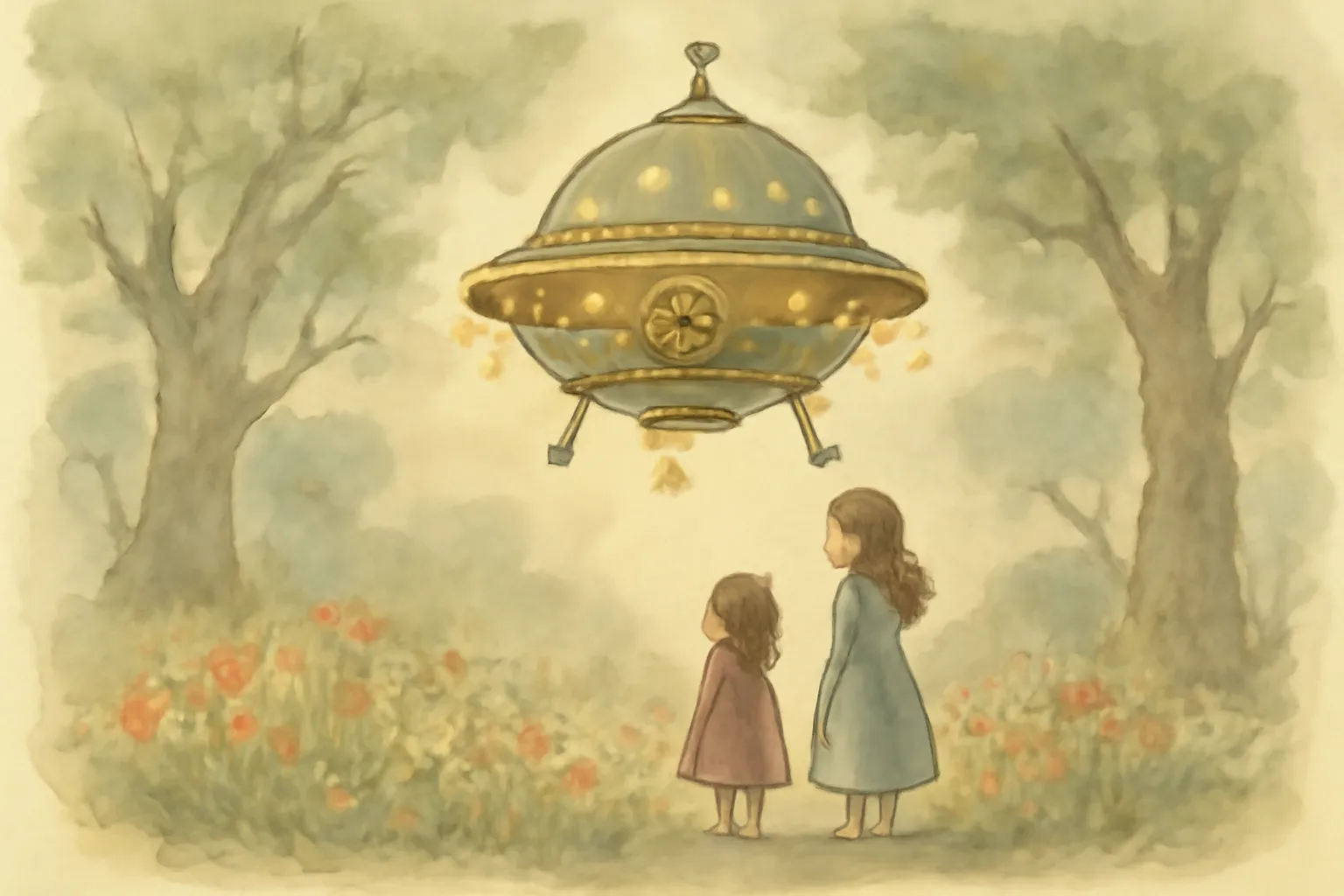
The excitement of adventure is palpable as the sisters and Droop embark on their journey aboard the Panchronicon. The narrative captures the thrill of the unknown, with moments such as 'the mysterious structure within which they lay glided northward between heaven and earth with the speed of a meteor.' This vivid imagery evokes a sense of wonder and possibility, drawing readers into the heart of their escapade. Adventure is portrayed not only as an external journey through time and space but also as an internal exploration of self. The exhilaration of new experiences challenges the sisters to confront their fears and aspirations, ultimately leading to personal growth. As they traverse different historical landscapes, the sisters encounter figures and situations that force them to reassess their values and beliefs, encouraging readers to embrace the uncertainties of their own adventures.
5.Confronting the Unexpected
As the journey progresses, the sisters are confronted with unexpected challenges, particularly when they awaken to find Droop intoxicated. Rebecca's disgust at his condition highlights the theme of responsibility and accountability: 'Copernicus Droop is tight! Dead drunk!' This moment serves as a turning point, forcing the sisters to reassess their situation and their trust in Droop. The unexpected nature of their adventure becomes a metaphor for life itself, where unforeseen circumstances can lead to both chaos and clarity. The sisters' ability to adapt and confront these challenges illustrates resilience and the importance of maintaining one’s composure in the face of adversity. MacKaye suggests that unexpected obstacles can serve as catalysts for growth, compelling characters—and readers—to dig deeper within themselves and find strength in vulnerability.
6.Rediscovering Identity
Throughout their journey, both sisters grapple with their identities. Phoebe's longing for the past contrasts with Rebecca's desire to navigate the present. As they encounter historical figures and events, they are forced to confront who they are and who they wish to be. The narrative suggests that identity is fluid and shaped by experiences. For instance, when Phoebe reflects on Shakespeare's potential presence among the players, she contemplates her own connection to artistry and creativity. This exploration of identity resonates with readers, inviting them to reflect on their own experiences and the ways in which they define themselves. MacKaye emphasizes that the journey of self-discovery is ongoing, influenced by the myriad of experiences we encounter, and encourages readers to embrace their evolving identities.
7.The Interplay of Reality and Fantasy
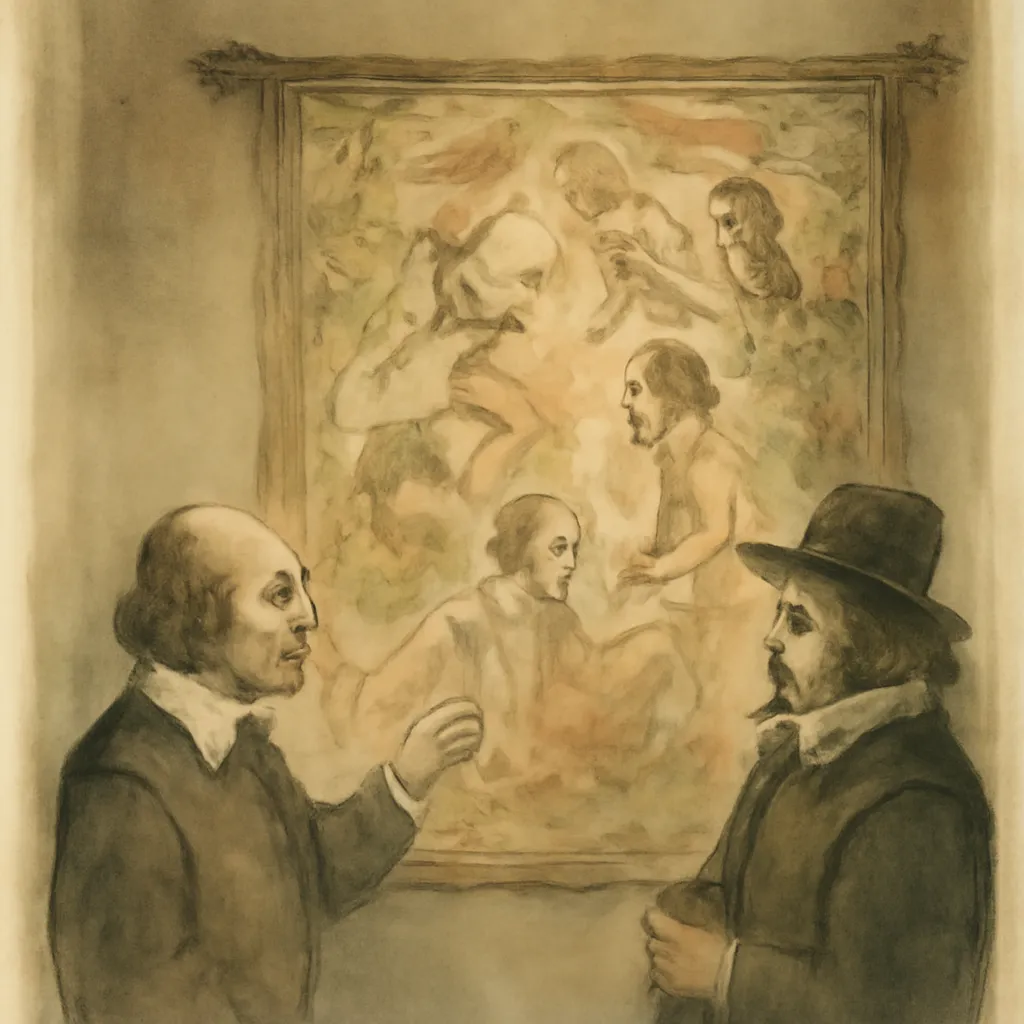
MacKaye skillfully weaves together reality and fantasy, blurring the lines between the two. The presence of historical figures like Shakespeare and Bacon enriches the narrative, creating a tapestry of interwoven lives and stories. This interplay invites readers to consider the impact of history on contemporary life. The sisters’ adventures serve as a reminder that while we may yearn to escape reality, it is often through engaging with our history that we find meaning. The Panchronicon itself represents a bridge between worlds, allowing characters and readers alike to navigate the complexities of existence while embracing the fantastical elements that make life extraordinary. The blending of fact and fiction underscores the idea that storytelling is a powerful tool for understanding our place in the world, ultimately challenging readers to reflect on the truths hidden within the fantastical.
8.The Significance of Time
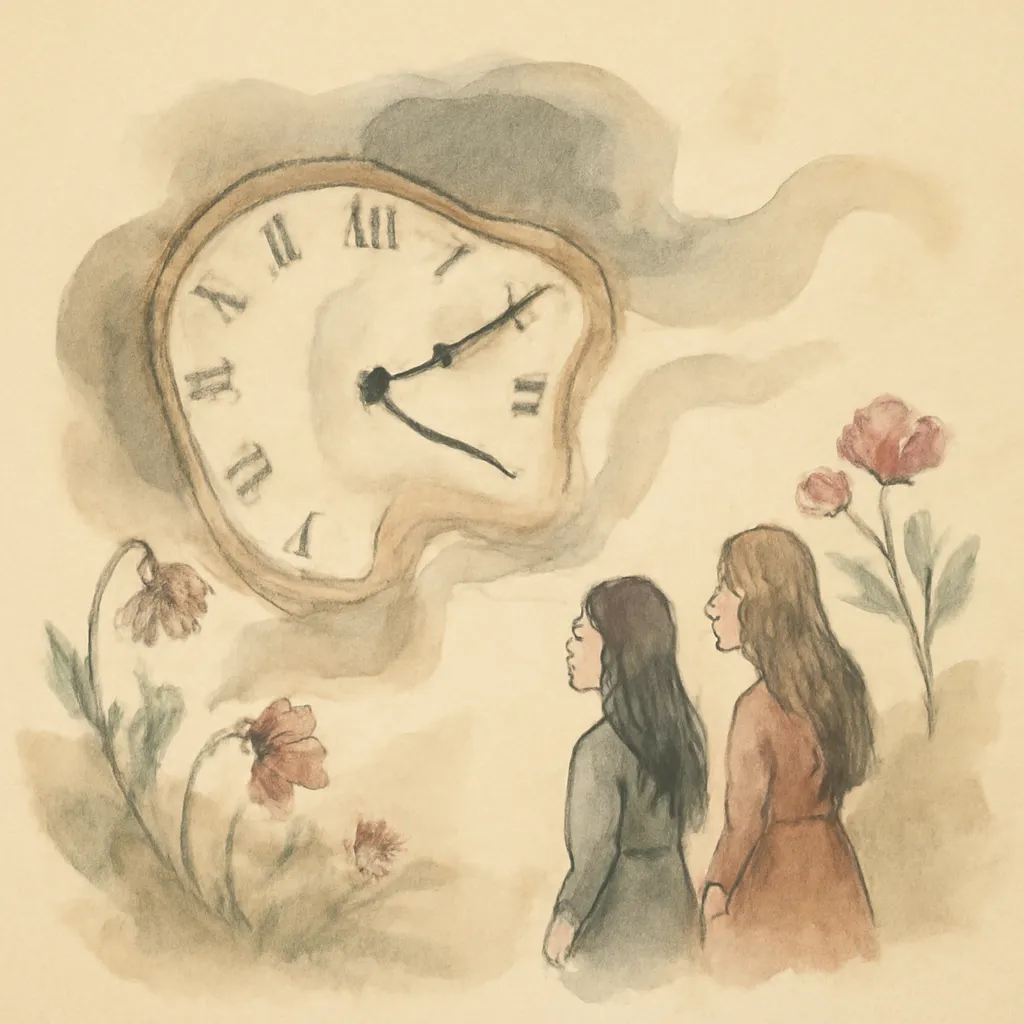
Time is a central theme in the novel, represented both as a linear progression and a cyclical phenomenon. The sisters' journey through different eras emphasizes the fluidity of time and its influence on human experience. As Droop remarks, 'Great Jonah! but we hev whirled back fer keeps!' This realization encapsulates the essence of their adventure: time is not merely a backdrop but an active participant in shaping their identities and choices. The narrative challenges readers to reflect on their own perceptions of time and how it intersects with memory and desire. MacKaye proposes that by recognizing the significance of time, we can better appreciate our experiences and the lessons they impart, ultimately leading to a deeper understanding of the human condition.
9.The Power of Connection
As the story unfolds, the connections between characters—both familial and romantic—emerge as a driving force. The bond between Rebecca and Phoebe is tested and strengthened throughout their journey. Their shared experiences create a profound sense of unity, underscoring the importance of family in navigating life's uncertainties. Additionally, Phoebe's romantic feelings for Sir Guy Fenton add a layer of complexity, illustrating how love can inspire courage and action. The narrative suggests that connections, whether through blood or affection, provide the support needed to face challenges and embrace change. MacKaye emphasizes that our relationships are foundational to our growth, encouraging readers to cultivate meaningful connections and appreciate the roles that others play in their journeys.
10.Embracing Change
The sisters' adventure culminates in a realization that change is inevitable and essential for growth. As they navigate through time, they are forced to confront their fears and adapt to new circumstances. The moment they awaken to find themselves in a new environment signifies a turning point: 'As sure as you're alive, we're back safe on the ground again.' This newfound awareness of their surroundings prompts reflection on their journey and the changes they have undergone. Embracing change becomes a central theme, encouraging readers to accept the transformations that life brings and to find strength in adaptability. MacKaye suggests that while change can be daunting, it is through embracing it that we unlock our potential for self-discovery and fulfillment.