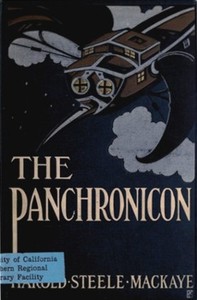
Explore the whimsical journey through time and identity in 'The Panchronicon', where the past and present collide in unexpected ways
Read full overviewShow less›
In 'The Panchronicon', Harold Steele MacKaye crafts a delightful narrative that blends history, fantasy, and personal exploration. The story follows two sisters, Rebecca and Phoebe Wise, who embark on a fantastical adventure through time aboard the mysterious Panchronicon. As they navigate their way through different eras, they grapple with their identities and the implications of their choices. Readers will be drawn into a world where Shakespearean players mingle with the complexities of modern life, shedding light on the eternal human quest for meaning and connection. This engaging tale promises not only to entertain but also to provoke thought about the nature of time, memory, and self-discovery.
In 'The Panchronicon', Harold Steele MacKaye invites readers on a whimsical journey that transcends time and explores the complexities of identity, choice, and connection. The narrative's blend of humor and depth encourages reflection on our own lives, prompting us to consider how the past shapes our present and future. As the sisters navigate their adventure aboard the Panchronicon, they embody the universal quest for meaning and belonging. Ultimately, the novel serves as a reminder that while we may seek to escape reality, it is through embracing our histories and connections that we find true fulfillment and understanding.
- 1The Allure of the Past
- 2The Complexity of Choices
- 3The Role of Friendship and Support
- 4The Excitement of Adventure
- 5Confronting the Unexpected
Notable quotes
“It's awful funny—but whenever I take out these old letters there comes over me the feelin' that I'm 'way off in a strange country—and I feel like somebody else.”
“Did either of you think what would happen to me if we all went back to 1876? Two years old! That's what I'd be!”
“Copernicus Droop is tight! Dead drunk!”
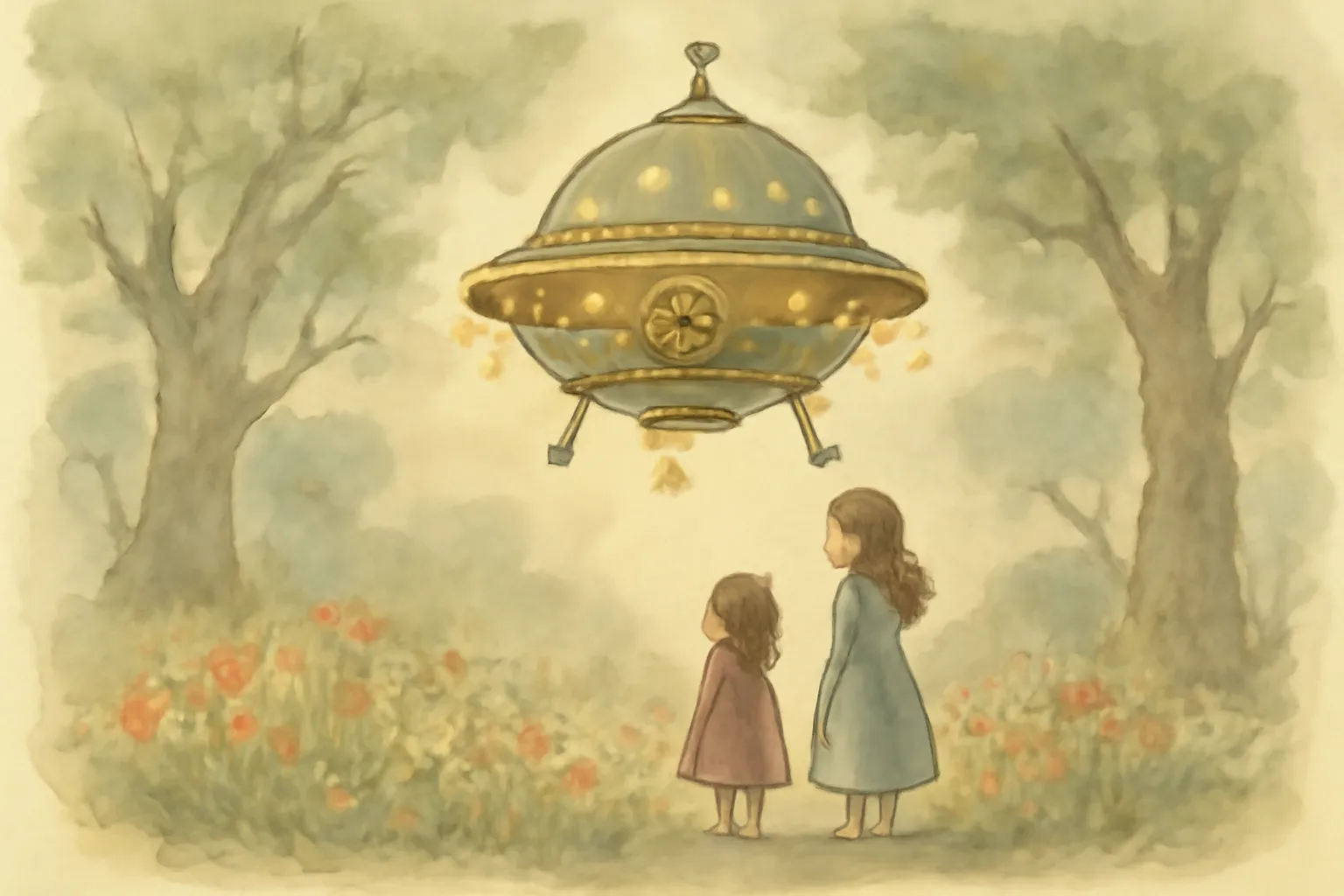
A glimpse inside
The novel opens with the two sisters in their garden, a setting that symbolizes their connection to both nature and their familial roots. Read moreThe novel opens with the two sisters in their garden, a setting that symbolizes their connection to both nature and their familial roots. As Phoebe delves into old letters, she expresses a longing for the past, stating, 'It's awful funny—but whenever I take out these old letters there comes over me the feelin' that I'm 'way off in a strange country—and I feel like somebody else.' This sentiment captures the essence of nostalgia and the human desire to connect with history. The letters serve as a portal, transporting Phoebe—and the reader—into a world where Shakespeare's players come to life. The allure of the past is not just about longing; it is about understanding who we are in the present. By exploring the emotional impact of history, MacKaye illustrates the power of memory, inviting readers to reflect on their own connections to the past and how these influence their current identities. Show less
As the sisters contemplate traveling back in time, they face the reality of their choices. Phoebe's indignation at the thought of returning to infancy highlights the comp… Read moreAs the sisters contemplate traveling back in time, they face the reality of their choices. Phoebe's indignation at the thought of returning to infancy highlights the complexities of identity and agency. She exclaims, 'Did either of you think what would happen to me if we all went back to 1876? Two years old! That's what I'd be!' This moment underscores the conflict between the desire for adventure and the implications of losing one's current identity. The narrative compels readers to consider how choices shape our lives and the weight of decisions that may seem whimsical at first. The sisters’ journey becomes a metaphor for the choices we make every day and the paths we take—or avoid. MacKaye emphasizes that every choice carries consequences, both personal and communal, urging readers to reflect on the importance of agency in shaping one’s destiny. Show less
Read the full text — free
About the author
Read Harold Steele MacKaye's work free on Lumina — the complete text plus an 8-minute summary and key ideas, no account needed