1.The Geographical Significance of the Philippine Archipelago
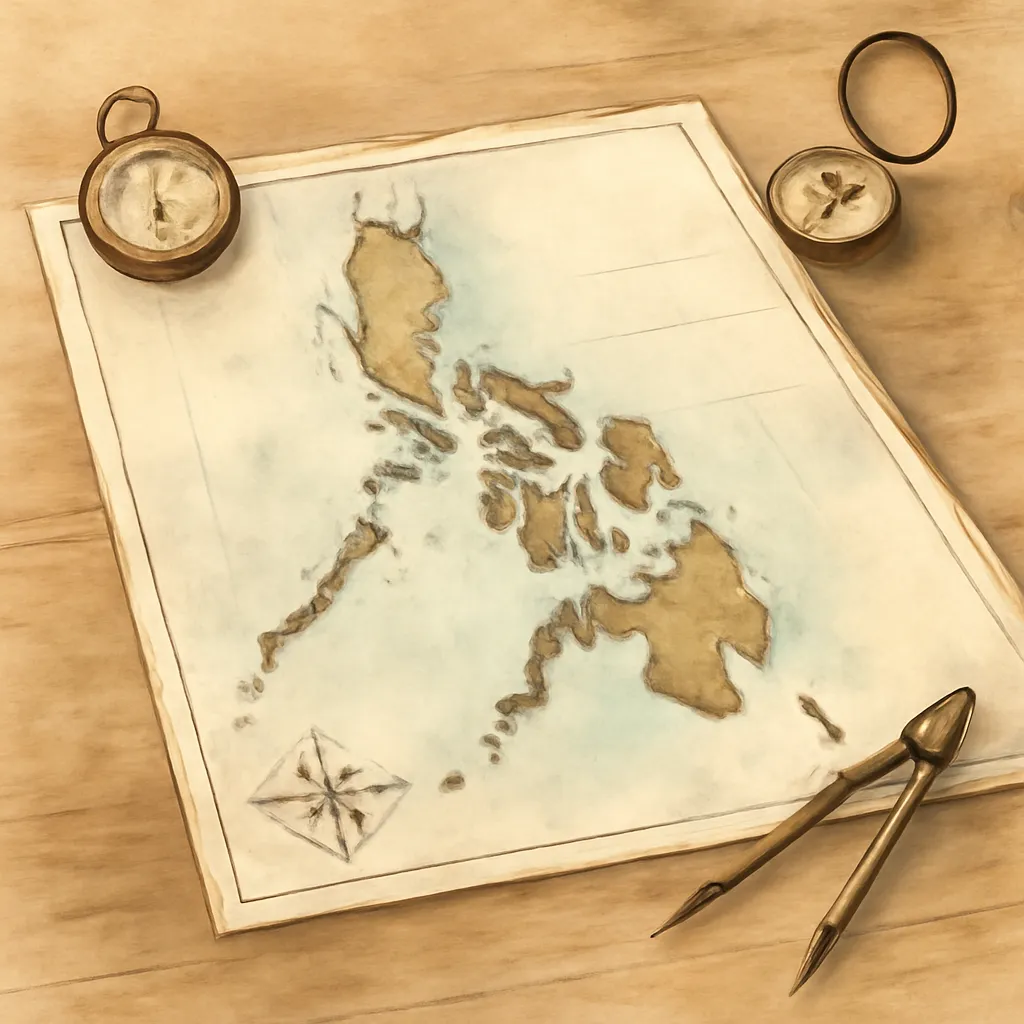
The Philippine Islands stretch over 16 degrees of latitude, comprising approximately 600 islands and numerous islets, with 11 primary islands of significant geographical importance. Luzon and Mindanao dominate the landscape, with Luzon covering over 40,000 square miles, characterized by mountainous terrains, lush tropical vegetation, and abundant natural resources. The interior of these islands is predominantly mountainous, featuring notable peaks such as Mount Apo and Mount Mayon, which not only contribute to the rich biodiversity but also shape the ecological and climatic patterns of the region. The geographical layout influences agricultural practices, as different regions develop unique identities based on their environmental contexts. Understanding this geographical context is crucial for grasping the complexities of the islands' historical interactions and developments under colonial rule, particularly how it affected trade routes and settlement patterns.
2.The Arrival of the Spanish and Early Explorations
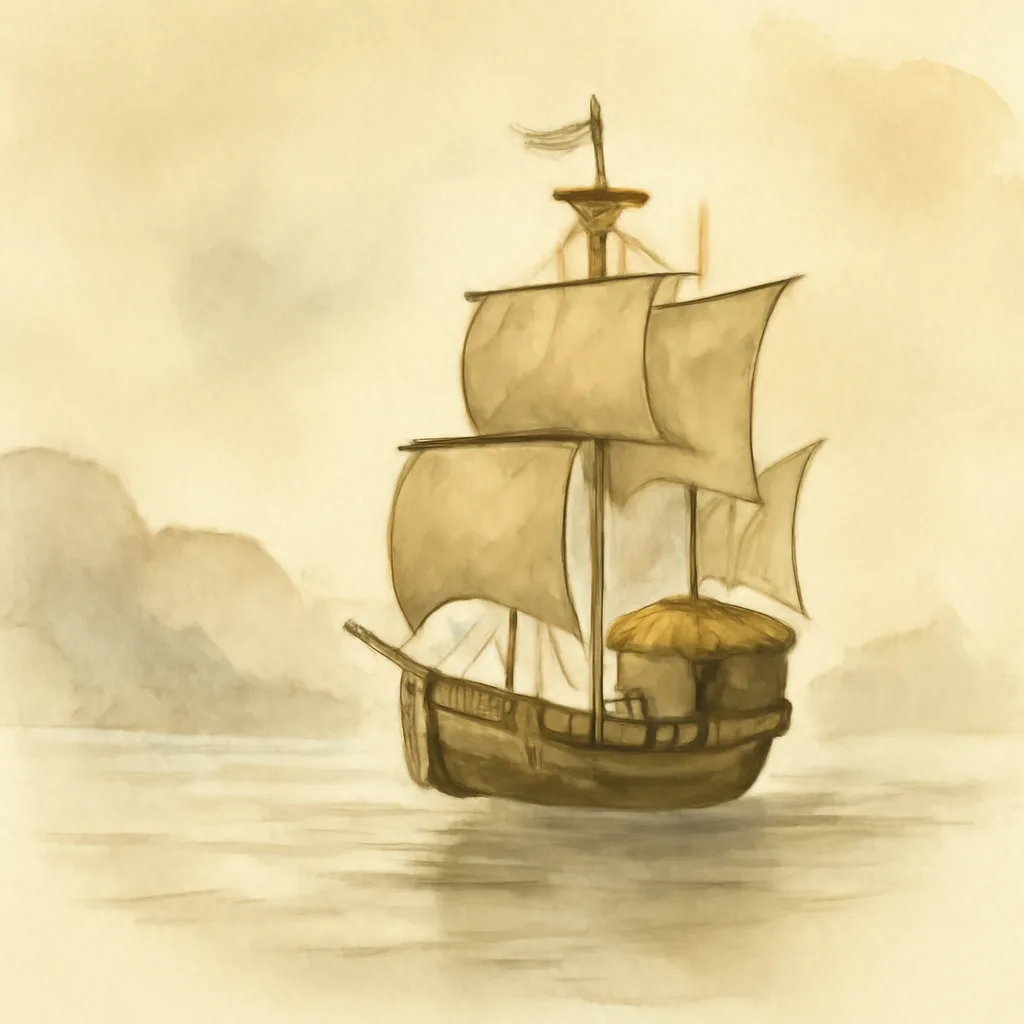
The arrival of Spanish explorers, particularly Ferdinand Magellan in 1521, marked a pivotal moment in the history of the Philippines. Magellan's expedition was fueled by the desire for wealth and glory, igniting European interest in the archipelago. His encounters with local tribes set the stage for future Spanish colonization, as the islands were initially perceived as a gateway to the riches of Asia. The first interactions were characterized by a mix of curiosity and conflict; while some local leaders welcomed the Spaniards, others resisted, fearing the loss of autonomy. Magellan's ill-fated attempt to convert the islanders culminated in his death at the hands of Lapu-Lapu in the Battle of Mactan, illustrating the complexities of cultural exchange. This early period of exploration laid the foundation for the subsequent Spanish conquest, highlighting the tensions between indigenous practices and colonial ambitions that would define the archipelago's trajectory for centuries.
3.The Role of Religion and Missionary Efforts
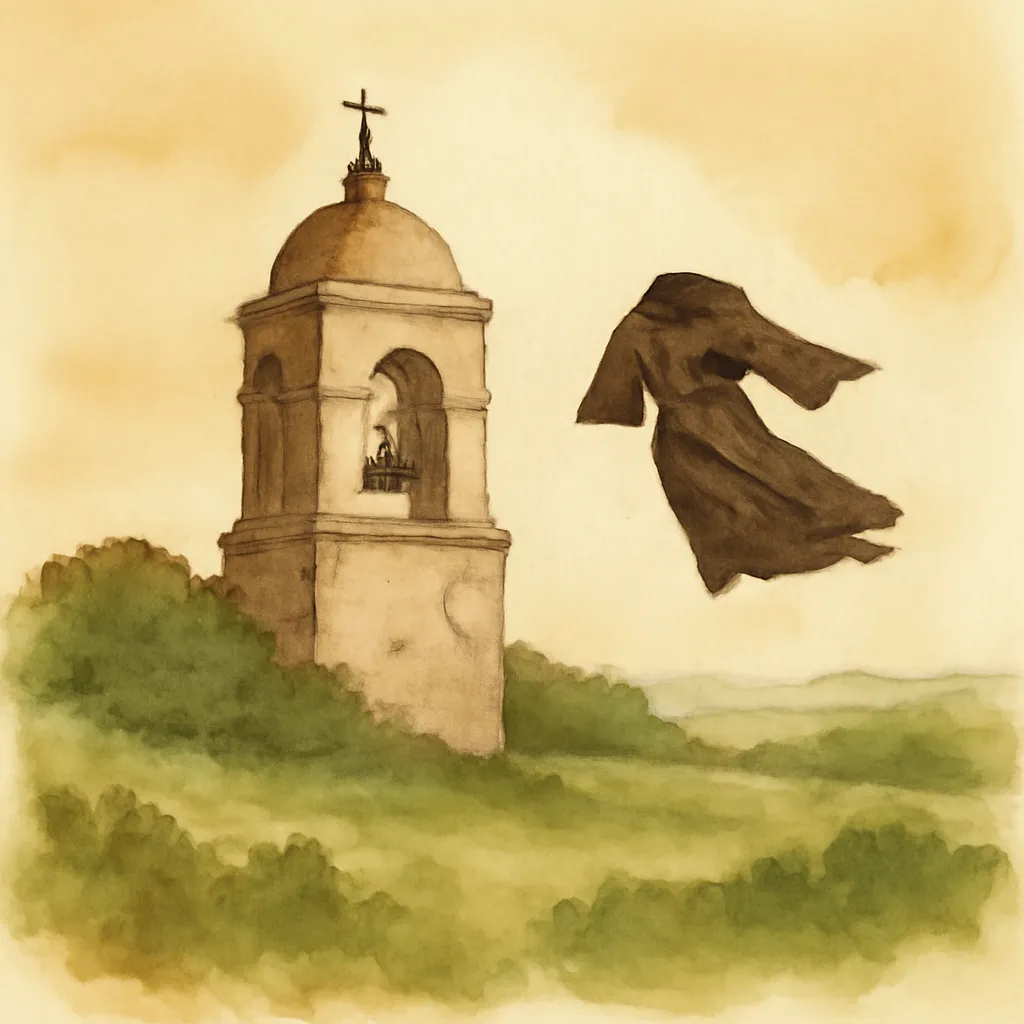
Religion played a central role in the Spanish colonization of the Philippines, with missionaries acting as key agents in the spread of Christianity. The friars, believing they had a divine mission, sought to convert the indigenous population, often employing both persuasion and coercion in their efforts. Their influence extended beyond spiritual guidance; they also aimed to reshape social structures and integrate Filipinos into a new colonial order. The establishment of schools, hospitals, and agricultural programs by religious orders, particularly the Augustinians, Franciscans, and Jesuits, was intended to foster a sense of loyalty among the natives. However, this often clashed with local customs and beliefs, leading to resistance from communities who felt their identities were under threat. The complex relationship between religion and governance during this period is crucial for understanding the socio-political landscape of the Philippines, as it reveals the dual role of missionaries as both spiritual leaders and colonial agents.
4.The Economic Landscape: Trade and Resources
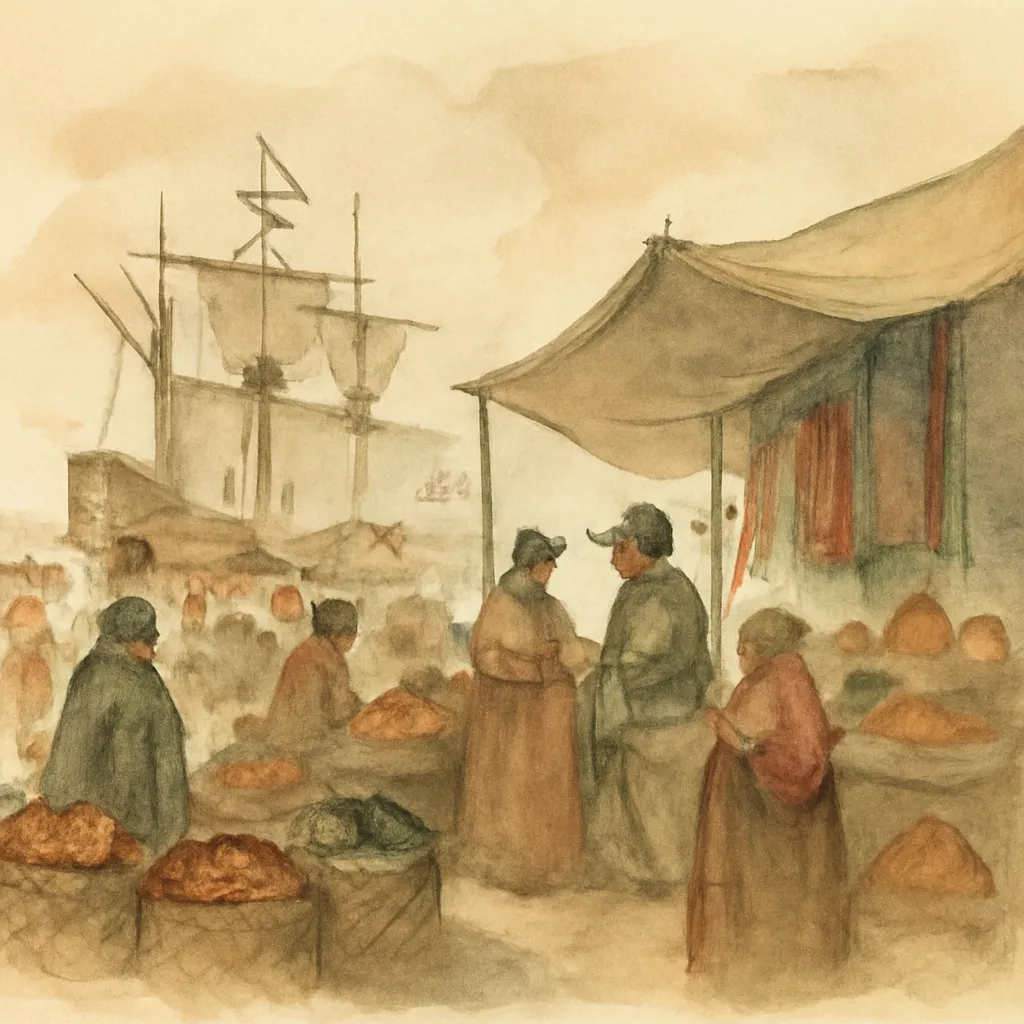
The economic foundation of the Philippines during Spanish rule was largely built on agriculture and trade. The islands became a critical node in the global trade network, particularly through the Manila-Acapulco Galleon trade, which linked Asia with the Americas. The primary exports included sugar, hemp, and tobacco, which were cultivated extensively due to favorable climatic conditions. The cultivation of cash crops transformed local economies and social structures, as land ownership became concentrated in the hands of a few Spanish and mestizo elites. Despite the economic growth, the benefits were unevenly distributed, with many indigenous farmers remaining in poverty while working on lands they did not own. The introduction of foreign markets fundamentally altered traditional agricultural practices, leading to a dependency on cash crops that ultimately impacted food security and local economies. This economic transformation underscores the complexities of colonial economics and its long-lasting impacts on Filipino society, as the wealth generated often served to sustain colonial powers rather than empower local populations.
5.Ethnic Diversity and Cultural Complexity
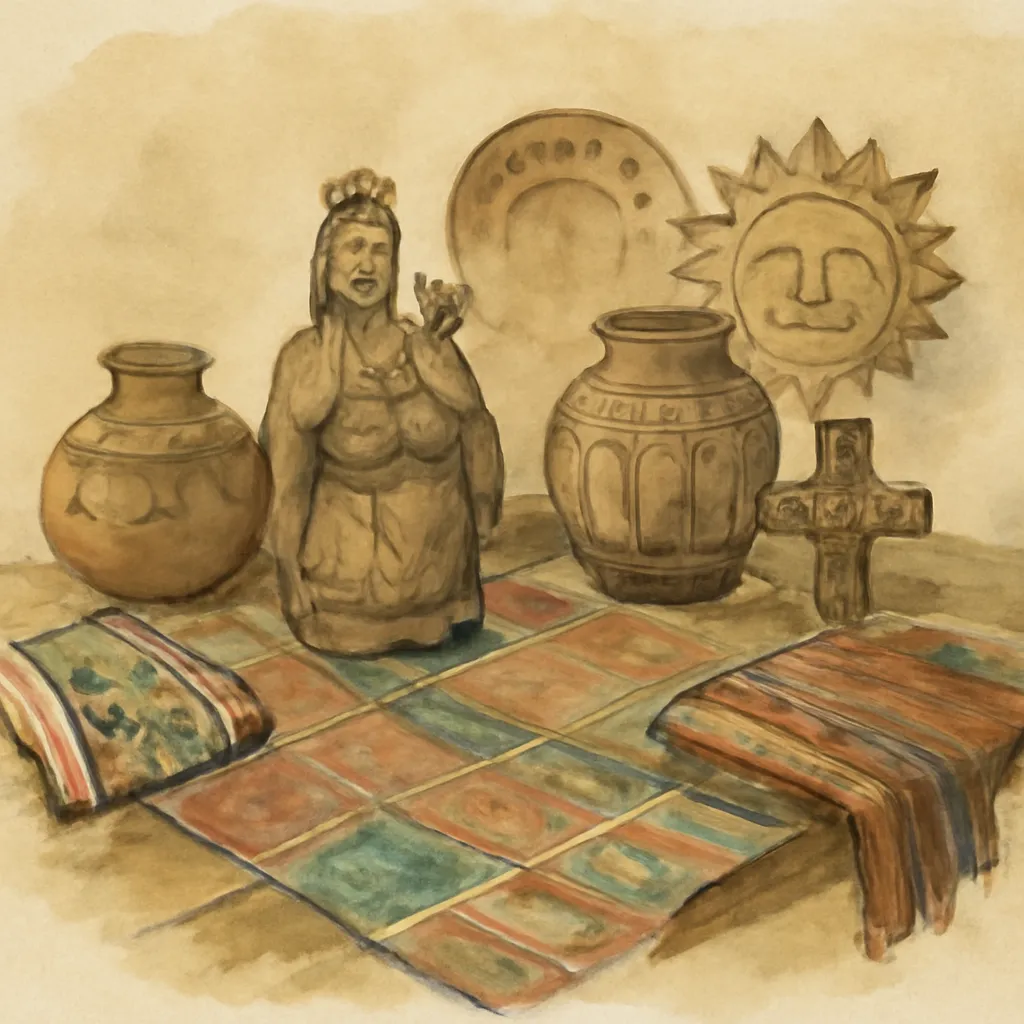
The population of the Philippines is a mosaic of ethnic groups, each contributing to the islands' rich cultural tapestry. The coexistence of Mahometans, Pagans, and Christians reflects the historical interactions among various groups, including the Aetas, Igorotes, and the Moros of Mindanao. As the Spanish colonizers attempted to impose a singular identity through religious conversion and cultural assimilation, they encountered significant resistance from diverse local customs and traditions. Each group has distinct traditions, languages, and social structures, complicating the notion of a singular Filipino identity. The arrival of the Spanish introduced new cultural elements, leading to a syncretism of indigenous and colonial influences. This blending is particularly evident in religious practices, languages, and social customs, showcasing how cultural exchange can lead to both conflict and enrichment. Understanding this ethnic diversity is essential for appreciating the social dynamics at play during the colonial period, as it informs the resistance movements and cultural expressions that emerged in response to foreign rule.
6.Conflict and Resistance: The Tagalog Rebellion

The Tagalog Rebellion of 1896-1898 epitomizes the growing discontent among Filipinos under Spanish rule. Fueled by a desire for independence and reform, this uprising was marked by significant participation from various sectors of society, including intellectuals, peasants, and the emerging middle class. The rebellion highlighted the failure of the Spanish administration to address the grievances of the Filipinos, such as land dispossession, high taxes, and lack of political representation. Figures like Andres Bonifacio and Emilio Aguinaldo emerged as key leaders, rallying support for the revolutionary cause. While the rebellion ultimately faced severe repression, with thousands executed or imprisoned, it ignited a national consciousness and laid the groundwork for future independence movements. The events surrounding the Tagalog Rebellion serve as a critical example of the interplay between colonial oppression and the quest for self-determination, illustrating the resilience of the Filipino spirit in the face of adversity and the enduring legacy of revolutionary thought in the Philippines.
7.The Impact of Foreign Relations: Spanish and Dutch Rivalries
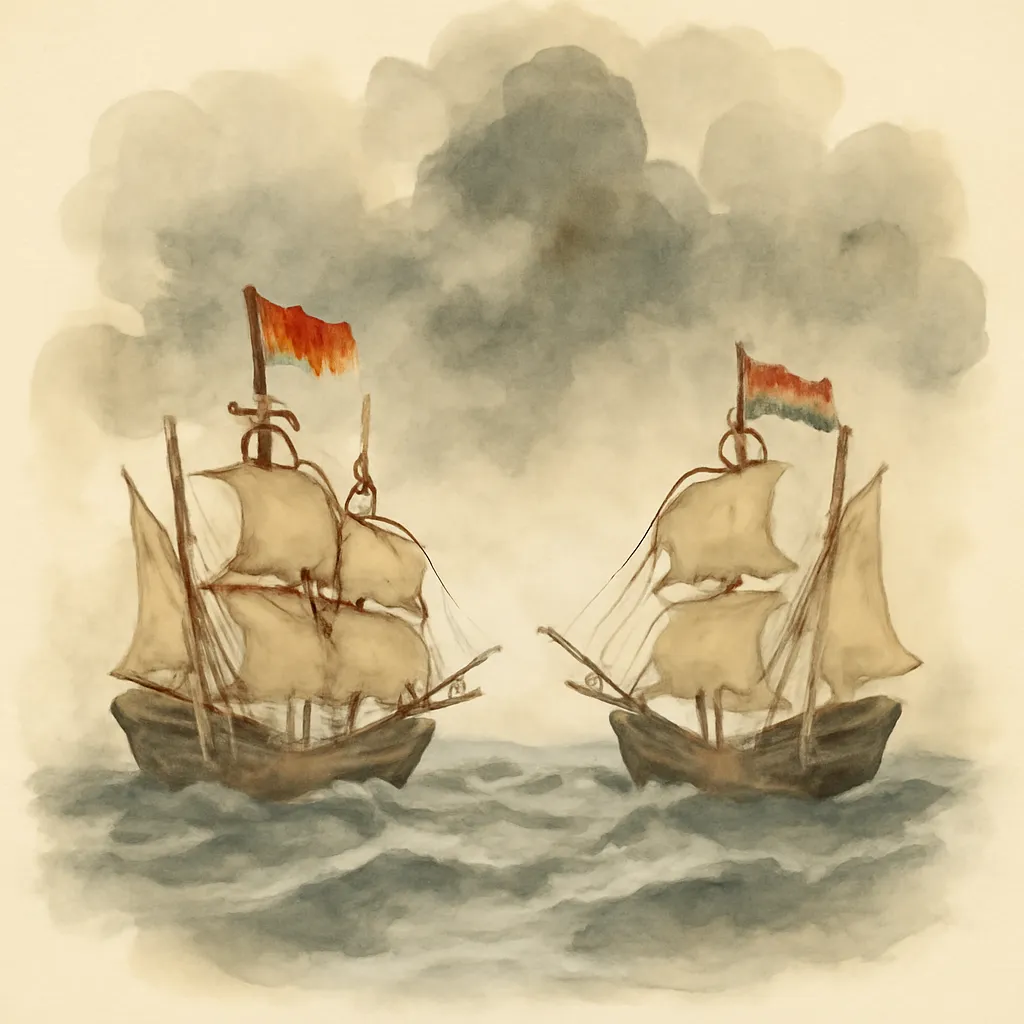
The geopolitical landscape of the Philippines was significantly influenced by the rivalries between European powers, particularly Spain and the Netherlands. The Dutch, seeking to expand their trade routes in Asia, posed a constant threat to Spanish dominance in the region. Their incursions and piracy disrupted the lucrative Manila-Acapulco trade, leading to military confrontations and diplomatic tensions. The Treaty of Antwerp in 1609 marked a temporary cessation of hostilities, but the underlying animosities persisted as both nations sought to secure their economic interests. This struggle for control over trade routes not only affected the economic stability of the Philippines but also shaped its political landscape. The Spanish colonial authorities had to navigate these external pressures while maintaining control over the islands, often diverting resources to defend against Dutch incursions. The dynamics of foreign relations during this period underscore the complexities of colonial governance in a rapidly changing global context, demonstrating how external threats can influence local politics and society.
8.The Chinese Influence on Philippine Society
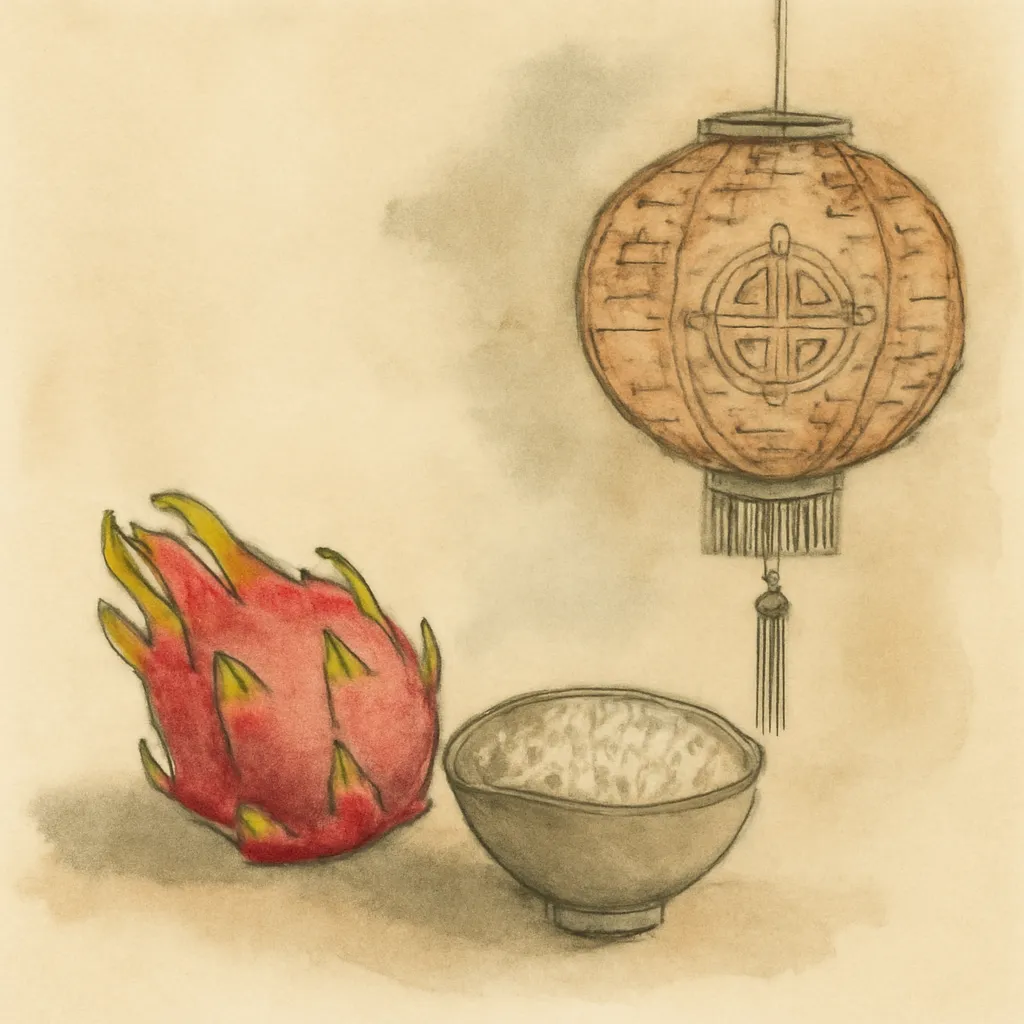
The Chinese have been integral to the economic and cultural development of the Philippines, long before Spanish colonization. Their trade networks established vital links between the islands and broader Asian markets, facilitating the exchange of goods and ideas. The influx of Chinese immigrants led to the establishment of vibrant communities, particularly in Manila, where they contributed to the local economy through commerce and craftsmanship. Despite their contributions, this presence was often met with suspicion and hostility from the Spanish authorities, who feared the growing influence of the Chinese in trade and society. The Chinese were subjected to various restrictions, including segregation in designated areas and heavy taxation. However, their resilience allowed them to thrive, and they became essential players in the economic landscape, demonstrating the complexities of colonial society where cultural exchange and conflict coexisted. The tension between the Spanish and Chinese populations reflects the broader themes of colonialism, cultural exchange, and the complexities of identity in a multicultural society.
9.Governance and Administration: The Role of the Encomienda System
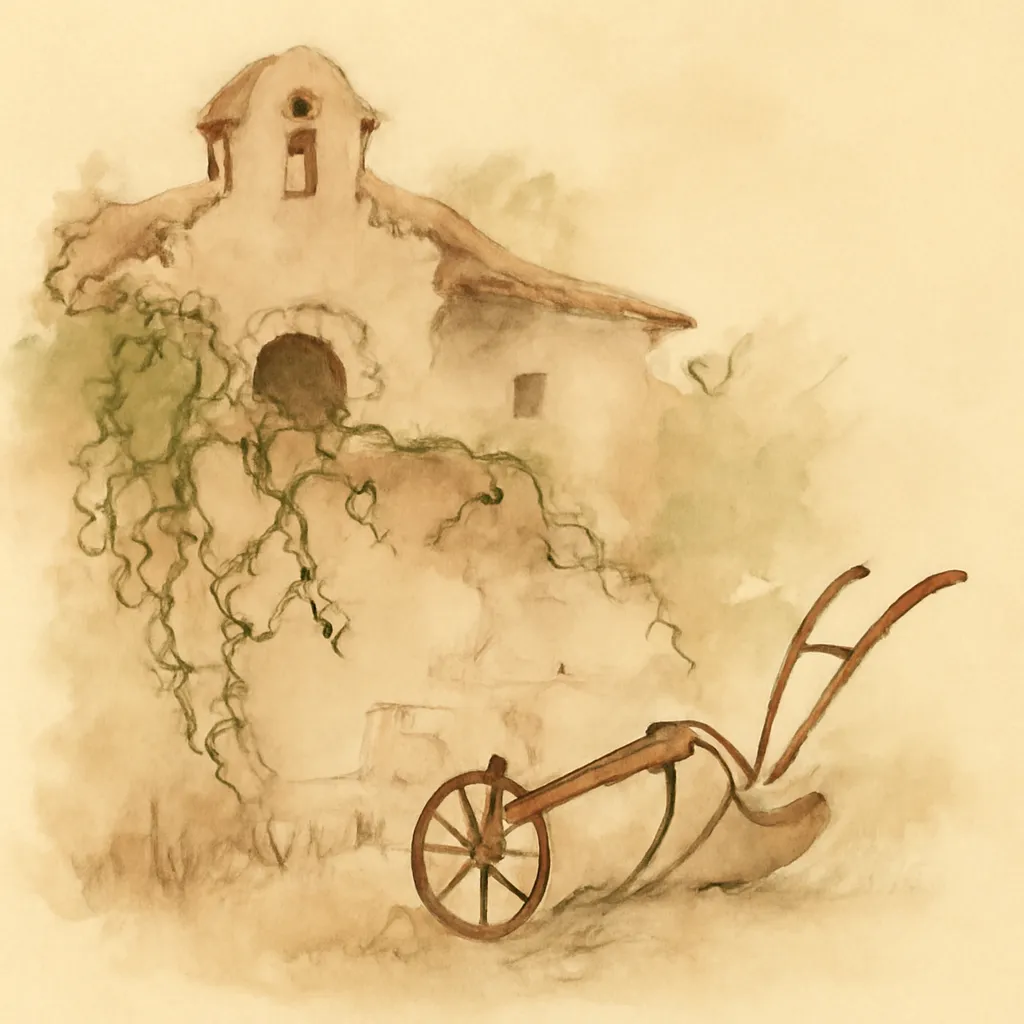
The encomienda system was a pivotal aspect of Spanish governance in the Philippines, granting land and indigenous labor to Spanish encomenderos in exchange for protection and Christianization. This system intended to integrate Filipinos into the colonial framework, but it often resulted in exploitation and abuse. Encomenderos wielded significant power over their assigned territories, leading to widespread abuses, including forced labor and excessive taxation, which bred resentment among the native population. This feudal-like system created a hierarchy that favored Spanish colonists while disenfranchising locals, contributing to social stratification and unrest. The encomienda system was also marked by corruption, where many encomenderos prioritized personal gain over their responsibilities to the indigenous people. The complexities of the encomienda system illustrate the challenges of colonial governance and its long-lasting impacts on Filipino society, as the structures established during this period laid the groundwork for future resistance movements and social inequalities.
10.The Legacy of Spanish Colonial Rule
Spanish colonial rule left an indelible mark on the Philippines, shaping its political, social, and cultural landscapes. The introduction of Catholicism, the establishment of colonial institutions, and the imposition of foreign governance transformed Filipino society in profound ways. Despite the oppressive nature of colonial rule, this period also fostered a unique cultural synthesis, blending indigenous traditions with Spanish influences. The legacy of colonialism is evident in contemporary Philippine society, from religious practices to language and governance structures. Moreover, the experiences of oppression and resistance during this time have fostered a strong sense of national identity among Filipinos. Understanding this legacy is crucial for comprehending the modern Philippines and the ongoing struggles for identity and autonomy in a post-colonial context, as the historical injustices of the past continue to resonate in contemporary socio-political discourse.