The Philippine Islands: A Political, Geographical, Ethnographical, Social and Commercial History of the Philippine Archipelago, Embracing the Whole Period of Spanish Rule by John, F.R.G.S. Foreman — Summary, Key Ideas & Full Text
1054 pages37 chapters21h 10m read15h 2m speed read✦ 10-min Big ideas★ 5.0 (1)Free · no account
What is The Philippine Islands: A Political, Geographical, Ethnographical, Social and Commercial History of the Philippine Archipelago, Embracing the Whole Period of Spanish Rule about?
Unraveling the intricate tapestry of the Philippine Islands' history, culture, and evolution under Spanish colonial rule
Read full overviewShow less›
The Philippine Islands, a vibrant archipelago steeped in rich history, have undergone profound transformations since their discovery by European explorers. This comprehensive exploration delves into the political, geographical, ethnographical, social, and commercial dimensions of the Philippines during the Spanish colonial period. Readers will gain insights into the islands' diverse cultures, complex societal structures, and evolving political landscapes, all while tracing the impact of Spanish rule from the initial contact through to the cusp of American intervention. Foreman's meticulous observations and historical accounts provide a valuable framework for understanding the nuances of Filipino identity and the archipelago's strategic significance in global trade. This narrative not only recounts events but also reflects on the interplay of various influences that shaped the modern Philippines.
The exploration of the Philippine Islands' history reveals a complex interplay of geography, culture, and colonialism that continues to influence the nation today. From the initial encounters with Spanish explorers to the emergence of resistance movements, the narrative of the Philippines is one of resilience and transformation. The legacy of colonial rule, while marked by oppression and exploitation, also fostered a rich cultural tapestry that defines Filipino identity. By understanding this multifaceted history, we can appreciate the ongoing journey of the Philippines as it navigates the challenges of modernity while honoring its diverse heritage. The story of the Philippines is not just a reflection of its past, but a testament to the enduring spirit of its people.
The Geographical Significance of the Philippine Archipelago
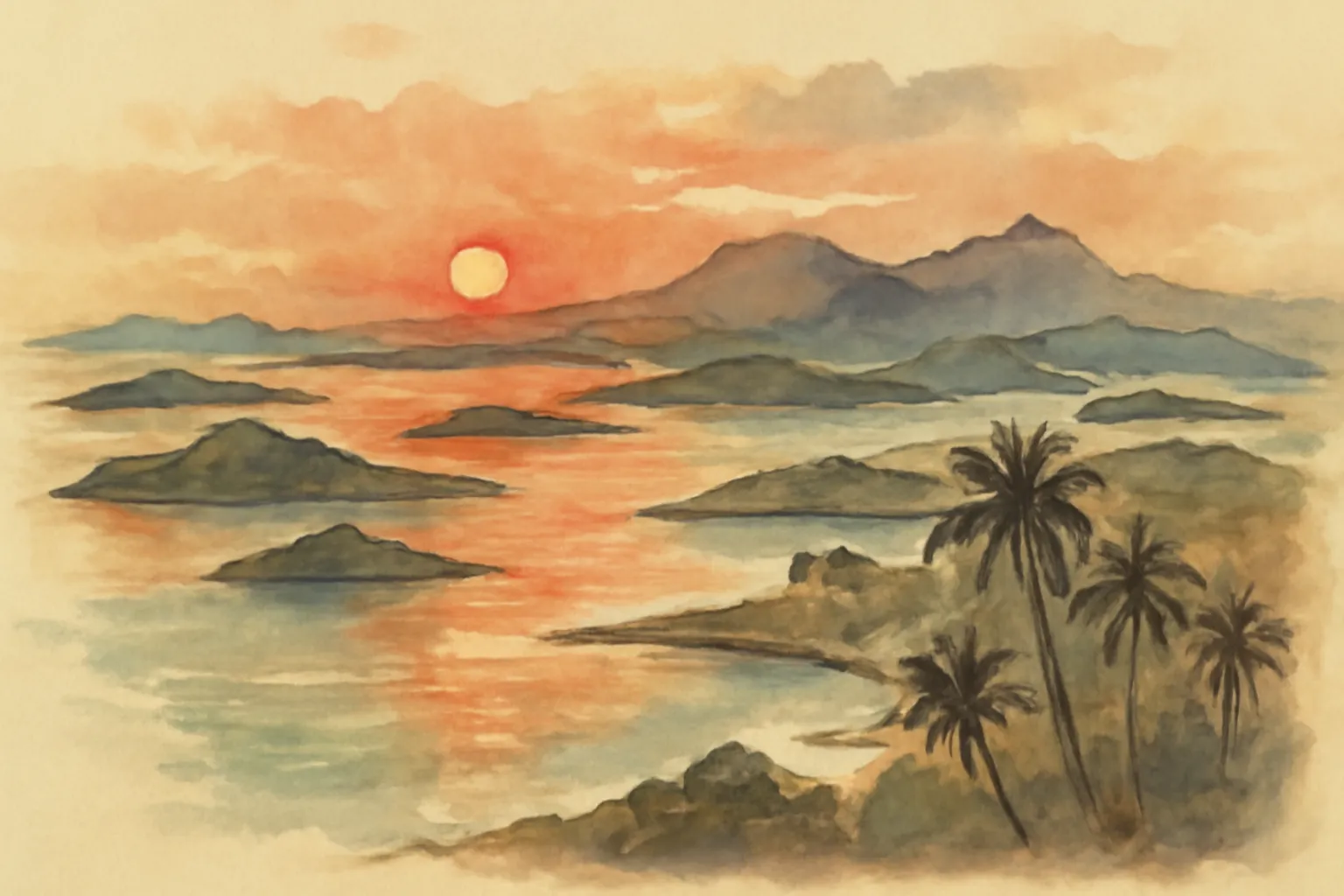
The Philippine Islands stretch over 16 degrees of latitude, comprising approximately 600 islands and numerous islets, with 11 primary islands of significant geographical… Read moreThe Philippine Islands stretch over 16 degrees of latitude, comprising approximately 600 islands and numerous islets, with 11 primary islands of significant geographical importance. Luzon and Mindanao dominate the landscape, with Luzon covering over 40,000 square miles, characterized by mountainous terrains, lush tropical vegetation, and abundant natural resources. The interior of these islands is predominantly mountainous, featuring notable peaks such as Mount Apo and Mount Mayon, which not only contribute to the rich biodiversity but also shape the ecological and climatic patterns of the region. The geographical layout influences agricultural practices, as different regions develop unique identities based on their environmental contexts. Understanding this geographical context is crucial for grasping the complexities of the islands' historical interactions and developments under colonial rule, particularly how it affected trade routes and settlement patterns. Show less
The Arrival of the Spanish and Early Explorations
The arrival of Spanish explorers, particularly Ferdinand Magellan in 1521, marked a pivotal moment in the history of the Philippines. Read moreThe arrival of Spanish explorers, particularly Ferdinand Magellan in 1521, marked a pivotal moment in the history of the Philippines. Magellan's expedition was fueled by the desire for wealth and glory, igniting European interest in the archipelago. His encounters with local tribes set the stage for future Spanish colonization, as the islands were initially perceived as a gateway to the riches of Asia. The first interactions were characterized by a mix of curiosity and conflict; while some local leaders welcomed the Spaniards, others resisted, fearing the loss of autonomy. Magellan's ill-fated attempt to convert the islanders culminated in his death at the hands of Lapu-Lapu in the Battle of Mactan, illustrating the complexities of cultural exchange. This early period of exploration laid the foundation for the subsequent Spanish conquest, highlighting the tensions between indigenous practices and colonial ambitions that would define the archipelago's trajectory for centuries. Show less
Yes — the complete text of The Philippine Islands: A Political, Geographical, Ethnographical, Social and Commercial History of the Philippine Archipelago, Embracing the Whole Period of Spanish Rule is free to read online, with no account and no ads. The 8-minute Big-ideas summary and audio narration are unlocked too