1.The Thrill of the Chase
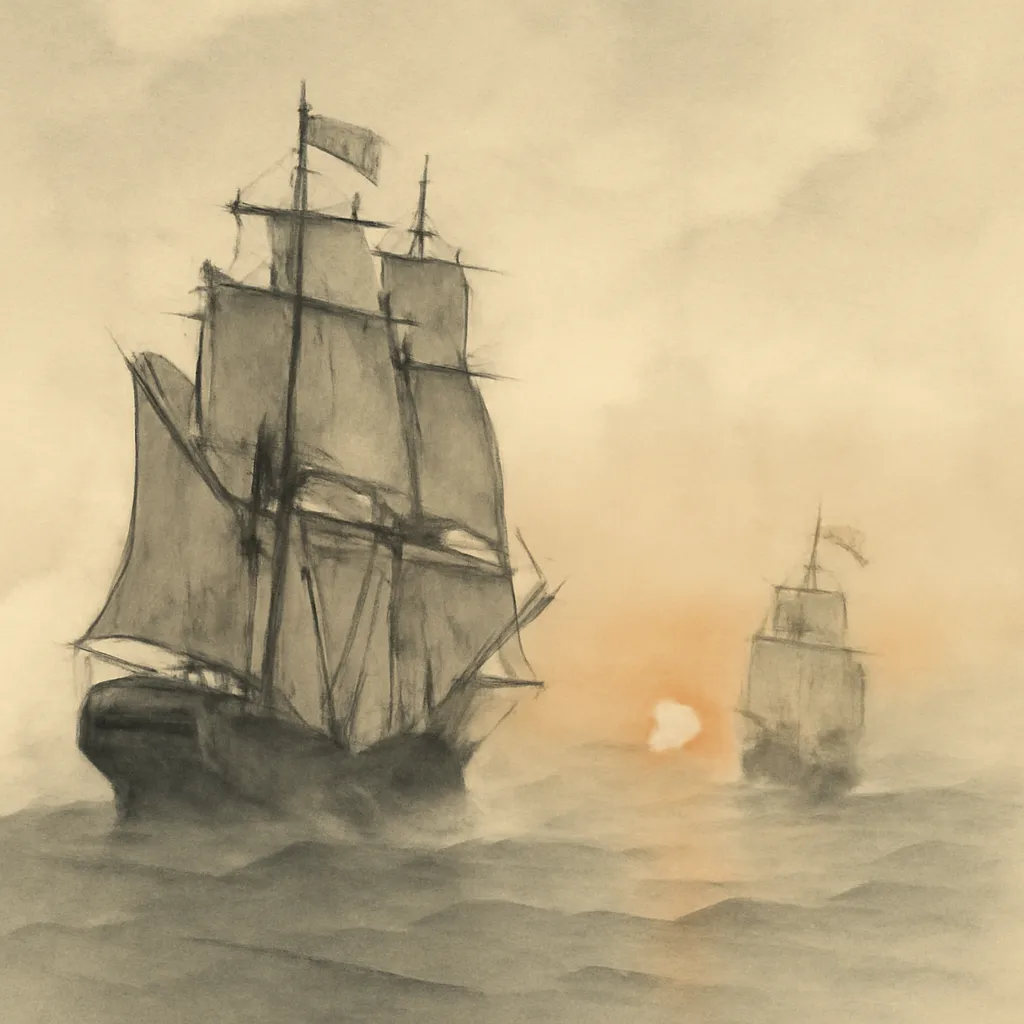
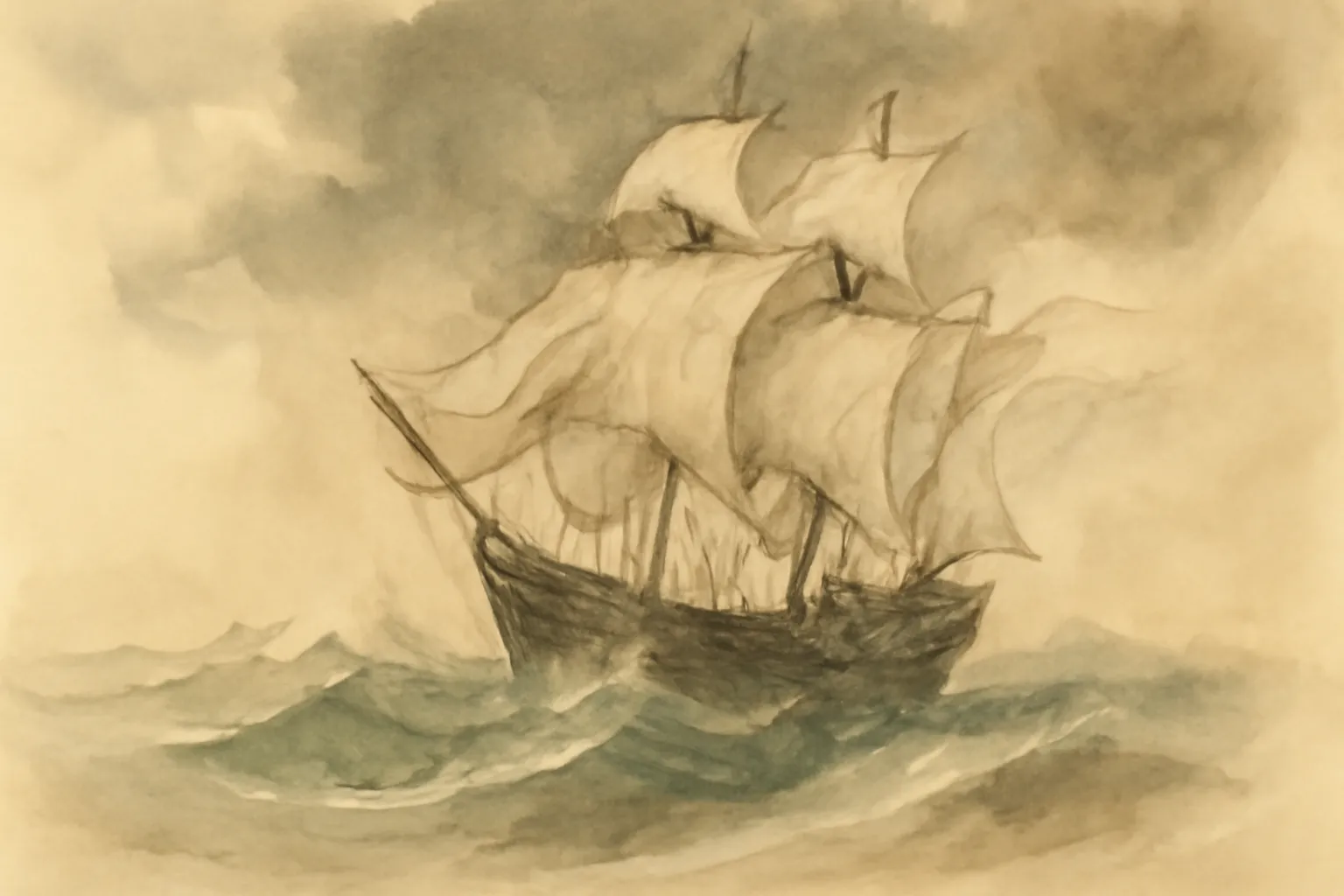
The story opens with an exhilarating chase off the coast of Hispaniola, where the privateer ship, the Revenge, embarks on a pursuit of a French vessel. This chase is not merely a routine naval encounter; it is a vivid illustration of the high stakes involved in privateering. The captain and crew are driven by the promise of wealth, honor, and the thrill of battle. However, as they discover that their target is heavily armed, the narrative highlights the unpredictable nature of warfare at sea. The protagonist reflects on the motivations that drive men to fight—honor, survival, and the hope for riches. The captain's determination to engage in the fight, despite the odds, demonstrates his commitment to his crew and their shared fate. This chase sets the tone for the rest of the narrative, emphasizing that in the world of privateering, every encounter can dramatically change the course of one's life, not just in terms of wealth but also in the experiences that define manhood.
2.The Cost of Courage
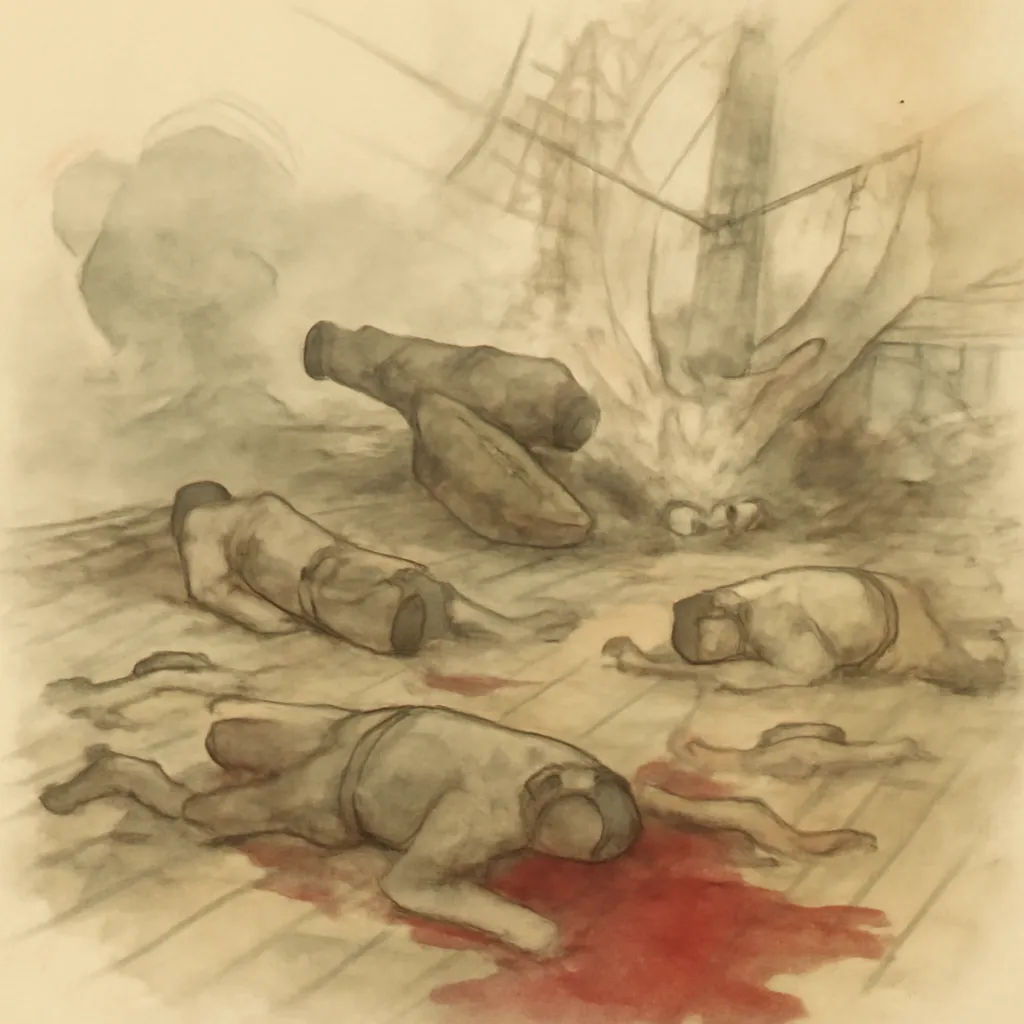
In a dramatic twist, the crew of the Revenge faces a dire confrontation with two enemy privateers, leading to a fierce battle that results in significant losses, including the death of Captain Weatherall. This chapter serves as a poignant reminder of the cost of courage and the harsh realities of naval warfare. The protagonist grapples with feelings of fear and despair and is confronted with the loss of comrades, which fosters an emotional connection with readers. The losses are not only physical; they resonate emotionally and psychologically, emphasizing the theme that valor can lead to devastating consequences. The narrative probes deeper into what it means to be courageous when the odds are stacked against you, questioning whether such bravery is ultimately rewarded or punished. This conflict not only propels the story forward but also deepens the character development, revealing the fragility of human life in the face of conflict and the burden of leadership.
3.Descent into Captivity
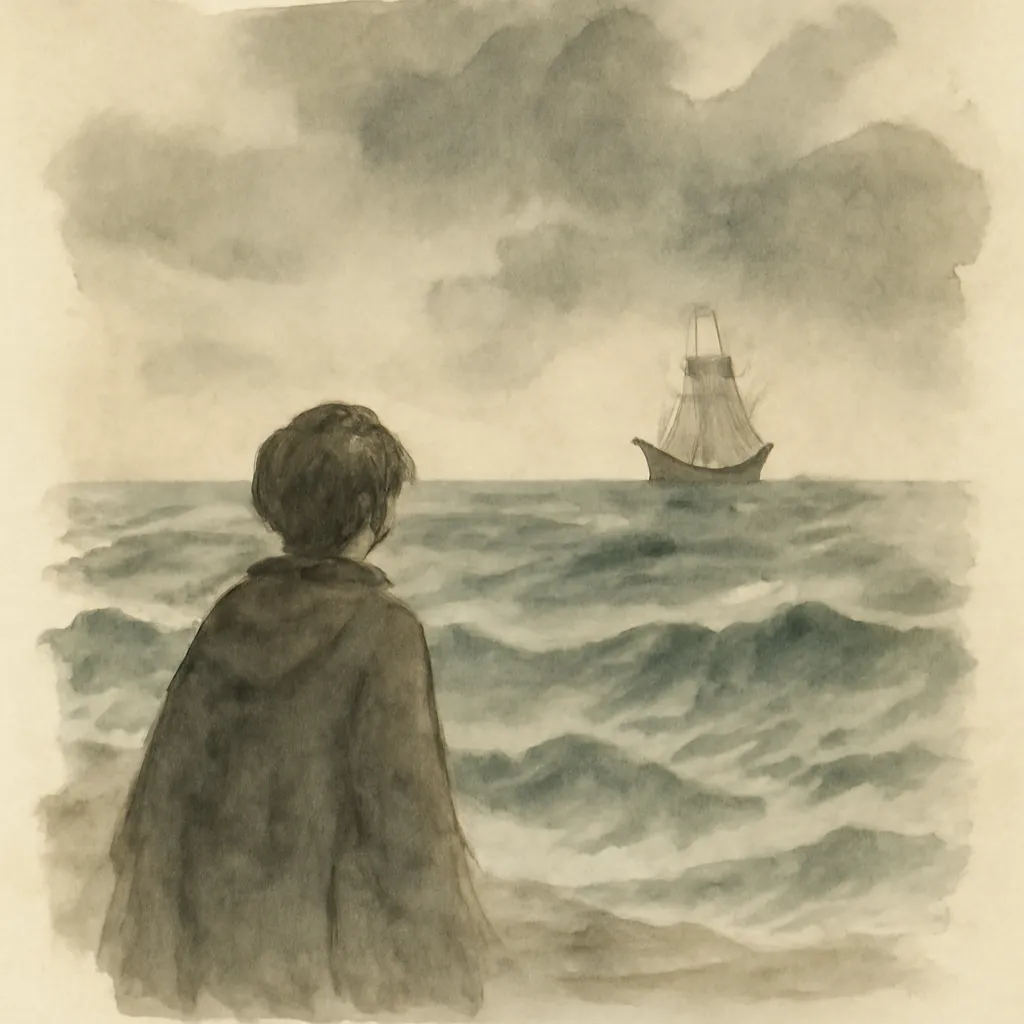
After the disastrous encounter, the protagonist finds himself captured by the French and stripped of his freedom and dignity. The brutality he experiences at the hands of his captors is starkly depicted, emphasizing the dehumanizing effects of war. He is left not only to struggle with physical pain but also with feelings of despair and hopelessness. This chapter delves into the psychological trauma of captivity, portraying how such experiences can strip away a person's sense of self. The protagonist's reflections on his comrades and the lives they led together intensify the emotional depth of his plight. This descent into captivity serves as a turning point in the narrative, highlighting the psychological scars left by war and the struggle to maintain hope in seemingly hopeless situations. The character's journey through fear, suffering, and longing reveals a profound commentary on human resilience and the necessity of finding meaning even in the darkest of times.
4.Love Amidst Chaos
While in captivity, the protagonist encounters a French lady who takes a cruel delight in his suffering. This interaction introduces a complex dynamic of love and hate, as the protagonist grapples with his feelings towards her. The juxtaposition of his physical pain and emotional turmoil reveals the complexities of human relationships forged in the crucible of war. The protagonist's longing for connection amidst his suffering highlights the human need for companionship, even in dire circumstances. The narrative deftly explores how love can manifest in various forms, including infatuation, hatred, and compassion. This chapter emphasizes that relationships can be entangled in power dynamics, where one person's suffering can evoke both scorn and sympathy. The protagonist's internal conflict raises questions about the nature of love and how it can both uplift and destroy, shaping one's experiences and choices in significant ways.
5.The Struggles of Survival

As the protagonist navigates the harsh realities of captivity, his struggle for survival becomes paramount. The narrative vividly describes his physical ailments and the brutality of his captors, emphasizing the daily fight to maintain hope and resilience. This theme of survival extends beyond the individual; it encompasses the broader human experience during times of conflict. The protagonist's resourcefulness and determination to endure serve as a testament to the human spirit's capacity to withstand adversity. He learns to adapt to his environment, finding small ways to retain his sense of self amidst degradation. The narrative invites readers to consider the moral implications of survival—what one is willing to do to endure, and how trauma can alter one’s sense of morality and ethics. This chapter underscores the importance of resilience and the lengths to which individuals will go to preserve their humanity in dire circumstances, providing a rich exploration of the human condition.
6.The Price of Freedom
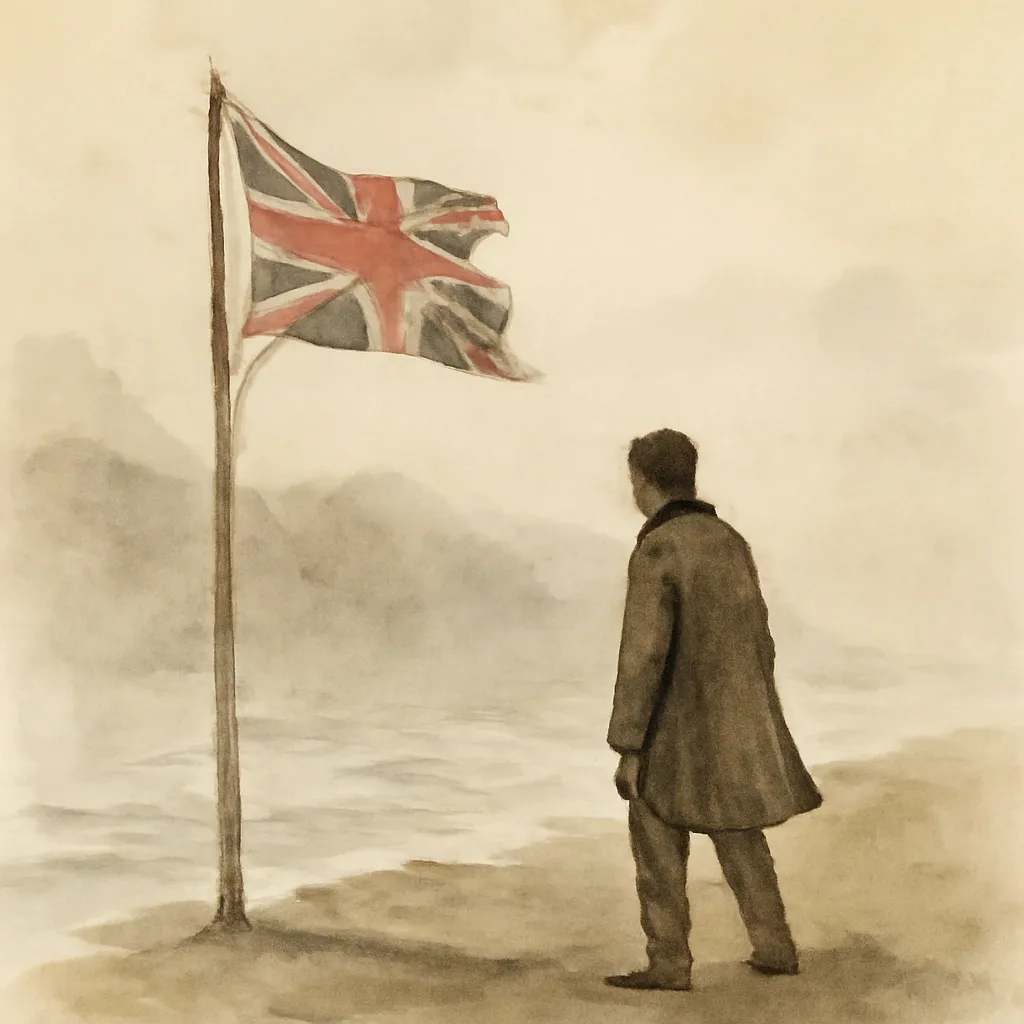
Eventually, the protagonist is ransomed and returns to a world that feels foreign after his experiences. This return is not merely a physical one but also a psychological journey, as he grapples with the trauma of captivity. The price of freedom is illustrated through his memories of suffering and loss, serving as a reminder that survival often comes at a steep cost. The protagonist's reintegration into society is fraught with challenges, as the scars of his experiences linger. He struggles to connect with others who have not shared his trauma, highlighting the isolation that often accompanies such life-altering events. This chapter prompts readers to consider the long-term effects of trauma and the difficulties faced by those who have endured war, illustrating that freedom is not simply the absence of physical constraints but also the presence of mental and emotional liberation. The narrative powerfully conveys the notion that healing is a journey, requiring time and understanding from both the individual and their community.
7.Navigating the Complexities of Relationships
Upon returning to England, the protagonist's interactions with society reveal the complexities of human relationships shaped by his past. He encounters Miss Trevannion, whose kindness contrasts sharply with his previous experiences, yet his past continues to haunt him, complicating his ability to form connections. This chapter explores the theme of relational dynamics, highlighting how trauma can affect one’s ability to trust and engage with others. The protagonist’s struggle to reconcile his past with his present underscores the idea that relationships are often influenced by individuals' histories and experiences. Miss Trevannion's interest in him offers a glimpse of hope and healing, yet he remains cautious. This exploration of intimacy and connection invites readers to reflect on the importance of understanding and empathy in forging meaningful relationships, particularly for those who have faced profound challenges.
8.The Burden of Duty
As the protagonist contemplates his future, he is faced with the burden of duty and the expectations placed upon him. His experiences at sea and in captivity lead him to question the morality of privateering and the impact of his choices. This internal conflict reveals the tension between personal desires and societal expectations, prompting a deeper examination of one's responsibilities. The protagonist's reflections on duty challenge readers to consider the ethical implications of their actions and the weight of their decisions. This chapter serves as a critical turning point, as he grapples with his identity and the legacy he wishes to leave behind. The narrative encourages a broader contemplation of how one navigates the complexities of duty in both personal and professional realms, illustrating that every choice carries potential consequences that extend beyond the individual.
9.The Allure of Adventure
Despite his tumultuous past, the protagonist is drawn back to the sea and the allure of adventure. This pull illustrates the enduring human desire for exploration and the thrill of the unknown. The narrative captures the excitement of embarking on new journeys, even in the face of potential dangers. The protagonist's willingness to return to privateering reflects a complex relationship with adventure, where the risks are weighed against the promise of freedom and excitement. This chapter serves as a reminder that the desire for adventure is deeply ingrained in the human spirit, often compelling individuals to confront their fears and embrace uncertainty. The story's conclusion highlights the duality of adventure as both a source of liberation and potential peril, prompting readers to reflect on the balance between seeking thrills and recognizing the consequences of one's pursuits.
10.The Cycle of Violence
The narrative ultimately circles back to the theme of violence and its cyclical nature. The protagonist's experiences illustrate how conflict begets further conflict, creating a cycle that is difficult to escape. Each battle, each loss, compounds the trauma and shapes not only the individual but the community surrounding them. As he engages in new battles, he is forced to confront the consequences of his actions and the impact of violence on both himself and others. The protagonist's journey highlights the need for reflection and the quest for peace amidst chaos. This exploration of violence invites readers to consider the broader implications of their choices and the importance of breaking the cycle for future generations. It serves as a call to acknowledge the human cost of conflict and to seek paths toward reconciliation and healing rather than perpetuating cycles of violence.