Adventure · Fiction
The Privateer's-Man, One hundred Years Ago by Frederick Marryat — Summary, Key Ideas & Full Text
398 pages17 chapters8h read5h 41m speed read✦ 10-min Big ideasFree · no account
Rate it
Embark on a tumultuous journey through the high seas and the complexities of human relationships in 'The Privateer's-Man'
In 'The Privateer's-Man, One Hundred Years Ago', Frederick Marryat transports readers into the perilous world of privateering during the early 19th century. Through the eyes of the protagonist, we navigate thrilling naval battles, personal loss, and the moral dilemmas faced by those who live by the sword. Marryat's vivid storytelling captures the raw emotions and chaotic life of a privateer's man, allowing readers to experience the adrenaline of sea adventures while pondering the deeper implications of loyalty, love, and survival. This book is not just an adventure but a commentary on the human condition, revealing how circumstances shape our choices and relationships. Readers will find themselves immersed in a tale that intertwines the excitement of maritime exploits with the poignant realities of life and death.
Frederick Marryat's 'The Privateer's-Man, One Hundred Years Ago' is a vivid exploration of the human spirit's resilience amidst the chaos of naval warfare and personal strife. Through the protagonist's harrowing journey, readers are invited to reflect on the complexities of courage, love, and survival. The narrative serves as a poignant reminder of the costs associated with a life of adventure and the moral dilemmas faced by those who navigate the tumultuous seas of life. Ultimately, this tale is not just about the thrill of the chase but also about the enduring impact of experiences on one's identity and relationships. It challenges us to confront the cycles of violence and to seek a deeper understanding of our choices and their consequences.
“I shall now transcribe from the journal of my younger days some portions of my adventurous life.”
“Indeed, he had every thing to fight for; his whole property, his wife and his only child, his own liberty, and perhaps life, were all at stake.”
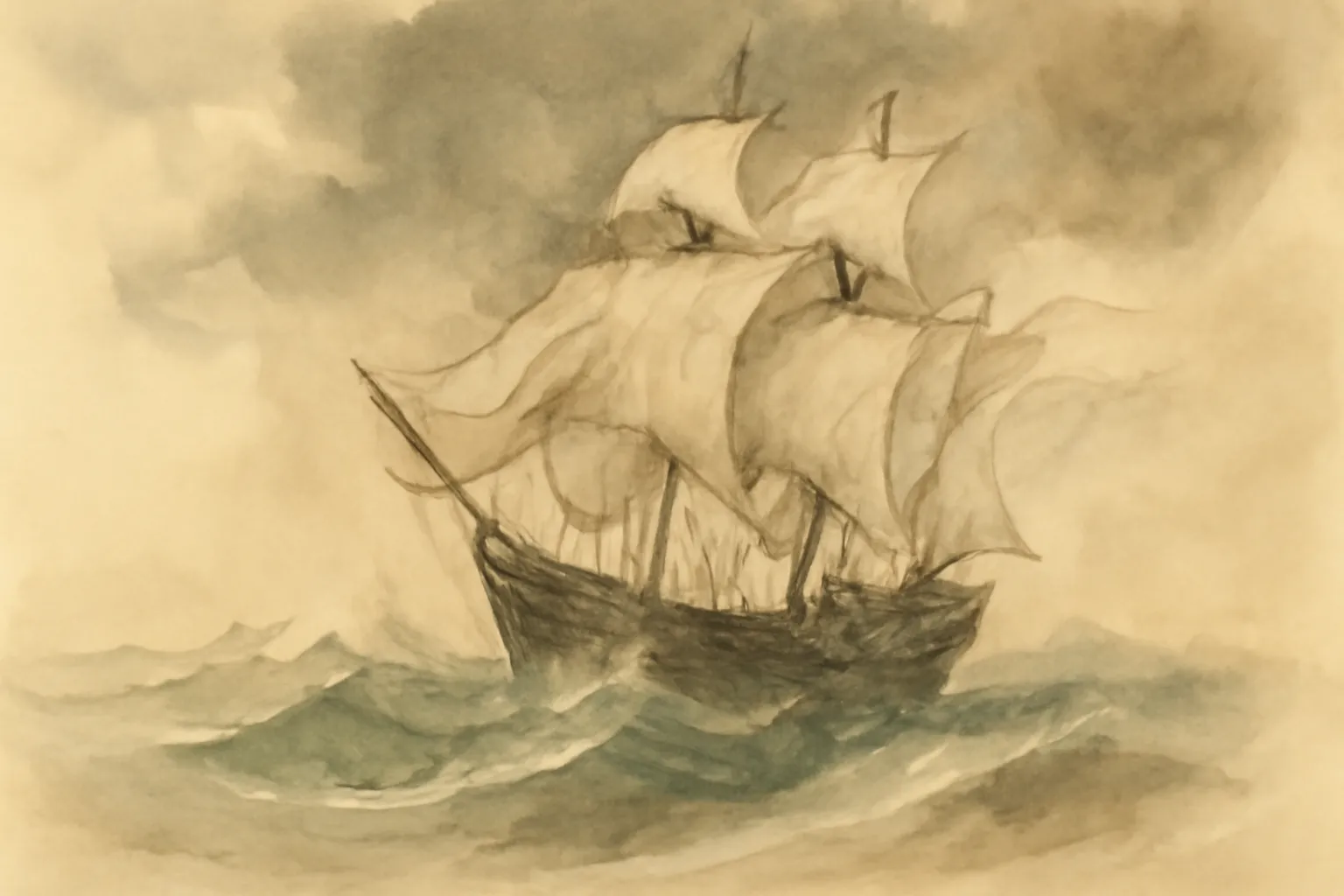
“We made every attempt with sails and sweeps to escape, but the land to leeward of us, and their position to windward, rendered it impossible.”
Read Frederick Marryat's work free on Lumina — the complete text plus an 8-minute summary and key ideas, no account needed