1.The Dread of Spinsterhood
Jehane's life is framed by societal pressures and the fear of becoming an old maid, a fate she equates with loneliness and despair. As a don's daughter at Oxford, she observes the carefree lives of male undergraduates, contrasting them with her own restricted existence. The narrative portrays the palpable sense of urgency that both Jehane and her friend Nan feel as they approach the precipice of their twenties, where marriage is the only socially accepted path to fulfillment. Their vivid discussions about their futures reveal a constant undercurrent of anxiety about being left behind, which drives them to fantasize about their ideal partners. This dread propels Jehane into a hasty marriage, illustrating the societal imperatives that dictate women's choices and the emotional turmoil they experience. The book paints a vivid picture of the emotional landscape for women of this era, where the lack of agency leads to a sense of desperation and urgency in their romantic pursuits.
2.The Allure and Fear of Love
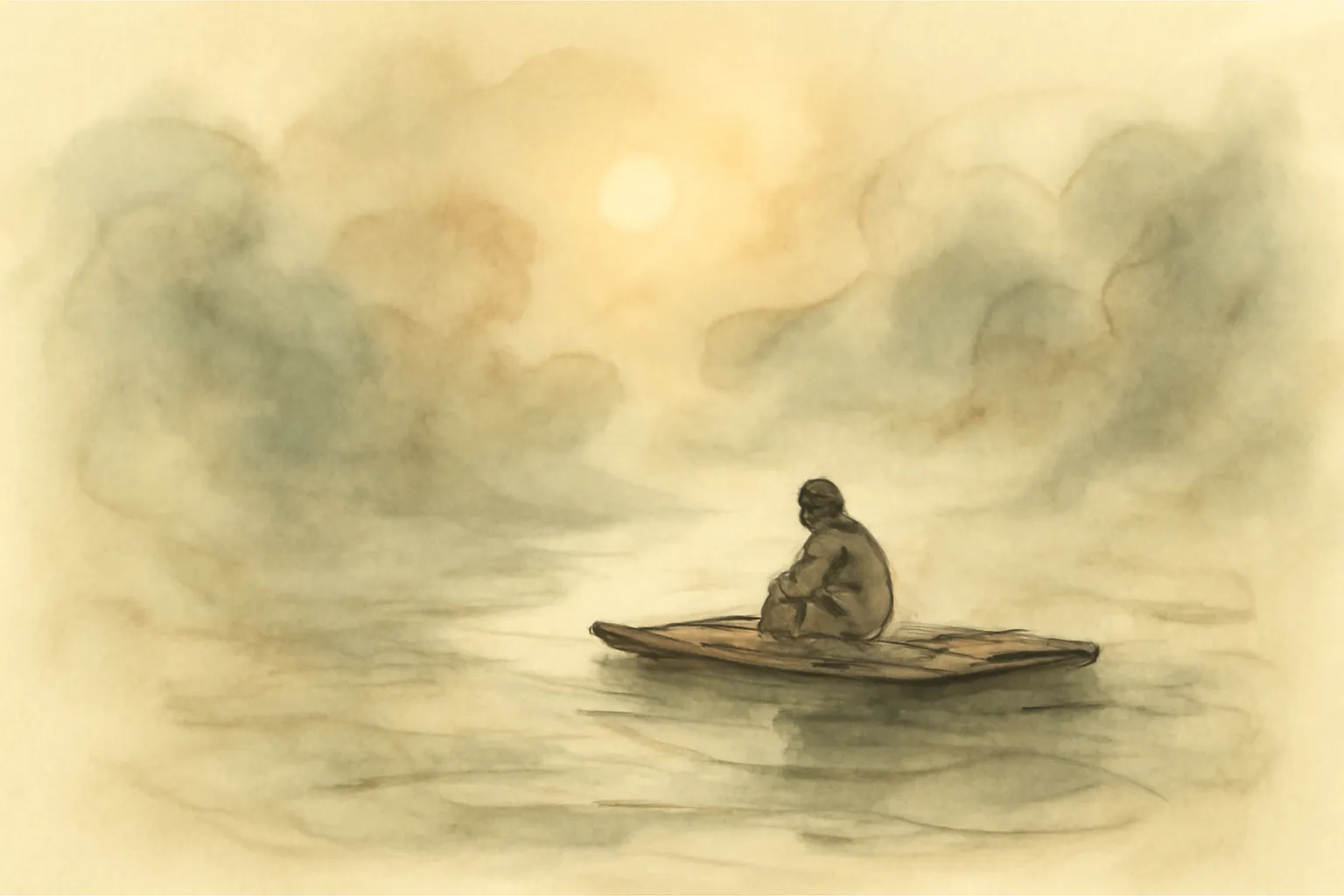
In the budding relationship between Jehane and Billy Barrington, the initial excitement is tinged with apprehension. Jehane's attraction to Barrington is characterized by a blend of admiration and fear, showcasing the complexities of romantic feelings. The moment they find themselves alone by the river serves as a pivotal point in their budding romance, filled with both excitement and anxiety. The river itself becomes a powerful symbol of their relationship—beautiful yet unpredictable. Jehane's longing for Barrington is both thrilling and terrifying, as she grapples with the desire to be loved while simultaneously fearing the vulnerability that such love demands. This tension captures the essence of romantic relationships, where desire often coexists with fear of rejection and disappointment. It invites readers to reflect on their own experiences of love, illuminating the emotional rollercoaster that comes with opening oneself up to another person.
3.Marriage as a Double-Edged Sword
Jehane's second marriage to Ocky Waffles starkly contrasts with her initial dreams of love and companionship. Initially motivated by a sense of obligation and the desperate need to escape her loneliness, her marriage quickly devolves into frustration and disappointment. Ocky's character, marked by insecurity and a lack of ambition, highlights the dangers of marrying out of desperation rather than genuine affection. Their relationship underscores the challenges that come with marriage, particularly for women who often find their identities swallowed by their roles as wives and mothers. The narrative exposes the harsh realities of marital life, where romantic ideals clash with the day-to-day grind of shared existence. Through Jehane's experiences, Dawson critiques the institution of marriage, portraying it as a complex web of expectations and unfulfilled desires that at times serves to trap individuals rather than liberate them.
4.The Role of Friendship
Friendship is pivotal in 'The Raft,' particularly in the dynamic between Jehane and Nan Tudor. Their candid conversations serve as a refuge from the societal pressures they face, allowing them to share their fears and aspirations. Nan's vibrant spirit offers a counterpoint to Jehane's more reserved nature, and their relationship highlights the importance of companionship in a world dominated by male expectations. Through their bond, Dawson illustrates how female friendships provide essential support, helping women navigate their complex emotional landscapes. The camaraderie between Jehane and Nan emphasizes the shared struggles of their gender, showcasing the strength that comes from solidarity. This friendship serves as a reminder that while romance is often exalted, the deep connections forged between women can be equally profound and vital, offering solace in times of turmoil.
5.The Weight of Expectations
Throughout 'The Raft,' characters grapple with the expectations imposed upon them by society, family, and themselves. Jehane's internal conflict about her role as a daughter, wife, and eventually a mother reflects the broader struggles faced by women of her time. This pressure to conform to societal norms often leads to feelings of inadequacy and despair, as seen in her interactions with her parents and Ocky. The narrative illustrates how these expectations can stifle individuality and personal happiness, leaving characters feeling trapped in their own lives. The weight of societal expectations acts as a suffocating presence in Jehane's life, leading her to make choices that ultimately undermine her own desires. This theme resonates with readers today, as it speaks to the universal struggle against the constraints of societal norms and the pursuit of personal fulfillment in a world that often prioritizes conformity over individuality.
6.The Nature of Sacrifice
Sacrifice emerges as a central theme in 'The Raft,' particularly in the context of love and family. Jehane's sacrifices for her children and her attempts to create a happy home life highlight the complexities of motherhood and the lengths a woman will go to for her loved ones. The novel depicts the emotional burdens that come with such sacrifices, revealing the tension between duty and desire. As Jehane navigates the challenges of her marriage, she often places her children's needs above her own, reflecting the societal expectation for mothers to be selfless. This theme is poignantly illustrated in her relationship with Glory, where Jehane's choices are often dictated by her desire to provide a better future for her daughter. Dawson explores the idea that true love is not just about passion, but also about the willingness to endure hardship for the sake of others. In depicting these sacrifices, the narrative invites readers to consider the costs of love and the emotional toll that comes with it.
7.The Illusion of Control
As the characters navigate their lives, the illusion of control becomes a significant theme. Jehane, despite her efforts to shape her destiny, finds herself at the mercy of circumstances beyond her control, such as Ocky's financial irresponsibility and societal judgment. This theme is explored through Barrington's ambitions and the unexpected challenges he faces, revealing that even the most well-laid plans can unravel. The narrative illustrates how the characters' attempts to exert control often lead to unforeseen consequences, ultimately questioning the nature of free will in the face of societal and personal constraints. The inability to control one's circumstances mirrors the unpredictability of human relationships, illustrating that life is often a series of unpredictable events. This exploration of control resonates deeply with readers, inviting reflection on their own lives and the inherent uncertainties that accompany the pursuit of dreams and desires.
8.The Influence of the Past
The characters in 'The Raft' are often haunted by their pasts, with memories shaping their present and future. Jehane's recollections of her youth and her earlier dreams of love contrast sharply with her current reality, creating a sense of nostalgia that permeates the narrative. This influence of the past is not limited to Jehane; it extends to all characters, as they grapple with their histories and the choices that have led them to their current situations. The novel suggests that the past is an ever-present force, shaping identities and relationships in profound ways. By illustrating how the characters are affected by their histories, Dawson emphasizes the importance of acknowledging one's past in the journey toward self-acceptance. The narrative invites readers to reflect on their own experiences and the ways in which their pasts continue to inform their present choices.
9.The Search for Identity
As characters grapple with their societal roles, the search for identity emerges as a central theme. Jehane, in particular, struggles to define herself outside of her relationships with men and her roles as a wife and mother. Her journey reflects the broader quest for self-discovery that many women face, especially in a society that often prioritizes marital status over individual identity. This theme is poignantly illustrated through her interactions with Barrington and Ocky, as she navigates the complexities of love and self-worth. The narrative ultimately suggests that true fulfillment comes from within, as characters learn to embrace their identities beyond societal labels. Through Jehane's journey, Dawson explores the multifaceted nature of identity and the ongoing struggle for personal autonomy in a world that frequently imposes limitations.
10.The Cycle of Hope and Despair
The novel intricately portrays the cycle of hope and despair that defines the characters' lives. Moments of joy and connection are often followed by heartache and disappointment, creating a rhythm that mirrors the unpredictability of life. Jehane's fleeting happiness in her early encounters with Barrington gives way to the harsh realities of her marriage, while her moments of despair are countered by glimmers of hope through her children and friendships. This cyclical nature of emotions serves to highlight the fragility of human relationships and the resilience required to navigate life's challenges. Dawson's portrayal of this cycle invites readers to recognize the complexities of their own emotional experiences, illustrating that joy and sorrow are often intertwined. The characters' journeys reflect the truth that life is a tapestry of highs and lows, and that finding meaning in both is essential to the human experience.