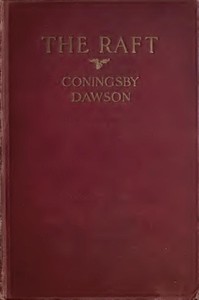

In 'The Raft,' Coningsby Dawson explores the tumultuous journey of love, longing, and the quest for identity amidst societal expectations
Read full overviewShow less›
Set against the backdrop of early 20th-century England, 'The Raft' intricately weaves the lives of its characters through the trials of love and the haunting specter of loneliness. At its heart, the narrative follows Jehane, a woman caught between her desires and the societal norms that dictate her life choices. Through vivid characterizations and emotional depth, Dawson delves into the struggles of women in a male-dominated world, the complexities of marriage, and the bittersweet nature of nostalgia. Readers will find themselves immersed in a rich tapestry of relationships, as themes of hope, despair, and the search for belonging unfold. As the characters navigate their intertwined fates, the story raises poignant questions about love’s true nature and the sacrifices one makes in pursuit of happiness.
In 'The Raft,' Coningsby Dawson masterfully captures the intricate tapestry of human emotions, exploring the deep-seated fears and desires that define our lives. Through the experiences of Jehane and her contemporaries, the novel sheds light on the struggles of women in a rapidly changing society, poignantly illustrating the balance between societal expectations and personal fulfillment. As the characters navigate their intertwined fates, they remind us that love, in its myriad forms, is both a source of strength and vulnerability. Ultimately, 'The Raft' serves as a timeless reflection on the complexities of love, identity, and the human condition, inviting readers to contemplate their own journeys in the pursuit of happiness.
- 1The Dread of Spinsterhood
- 2The Allure and Fear of Love
- 3Marriage as a Double-Edged Sword
- 4The Role of Friendship
- 5The Weight of Expectations
Notable quotes
“Ye gods, were they never to be married!”
“Girls who have no brothers should be allotted brothers by the State.”
“She'll get home all right, don't you think?”
A glimpse inside

Jehane's life is framed by societal pressures and the fear of becoming an old maid, a fate she equates with loneliness and despair. Read moreJehane's life is framed by societal pressures and the fear of becoming an old maid, a fate she equates with loneliness and despair. As a don's daughter at Oxford, she observes the carefree lives of male undergraduates, contrasting them with her own restricted existence. The narrative portrays the palpable sense of urgency that both Jehane and her friend Nan feel as they approach the precipice of their twenties, where marriage is the only socially accepted path to fulfillment. Their vivid discussions about their futures reveal a constant undercurrent of anxiety about being left behind, which drives them to fantasize about their ideal partners. This dread propels Jehane into a hasty marriage, illustrating the societal imperatives that dictate women's choices and the emotional turmoil they experience. The book paints a vivid picture of the emotional landscape for women of this era, where the lack of agency leads to a sense of desperation and urgency in their romantic pursuits. Show less
In the budding relationship between Jehane and Billy Barrington, the initial excitement is tinged with apprehension. Jehane's attraction to Barrington is characterized by… Read moreIn the budding relationship between Jehane and Billy Barrington, the initial excitement is tinged with apprehension. Jehane's attraction to Barrington is characterized by a blend of admiration and fear, showcasing the complexities of romantic feelings. The moment they find themselves alone by the river serves as a pivotal point in their budding romance, filled with both excitement and anxiety. The river itself becomes a powerful symbol of their relationship—beautiful yet unpredictable. Jehane's longing for Barrington is both thrilling and terrifying, as she grapples with the desire to be loved while simultaneously fearing the vulnerability that such love demands. This tension captures the essence of romantic relationships, where desire often coexists with fear of rejection and disappointment. It invites readers to reflect on their own experiences of love, illuminating the emotional rollercoaster that comes with opening oneself up to another person. Show less
Read the full text — free
About the author
Read Coningsby Dawson's work free on Lumina — the complete text plus an 8-minute summary and key ideas, no account needed