1.The Complexity of Loyalty

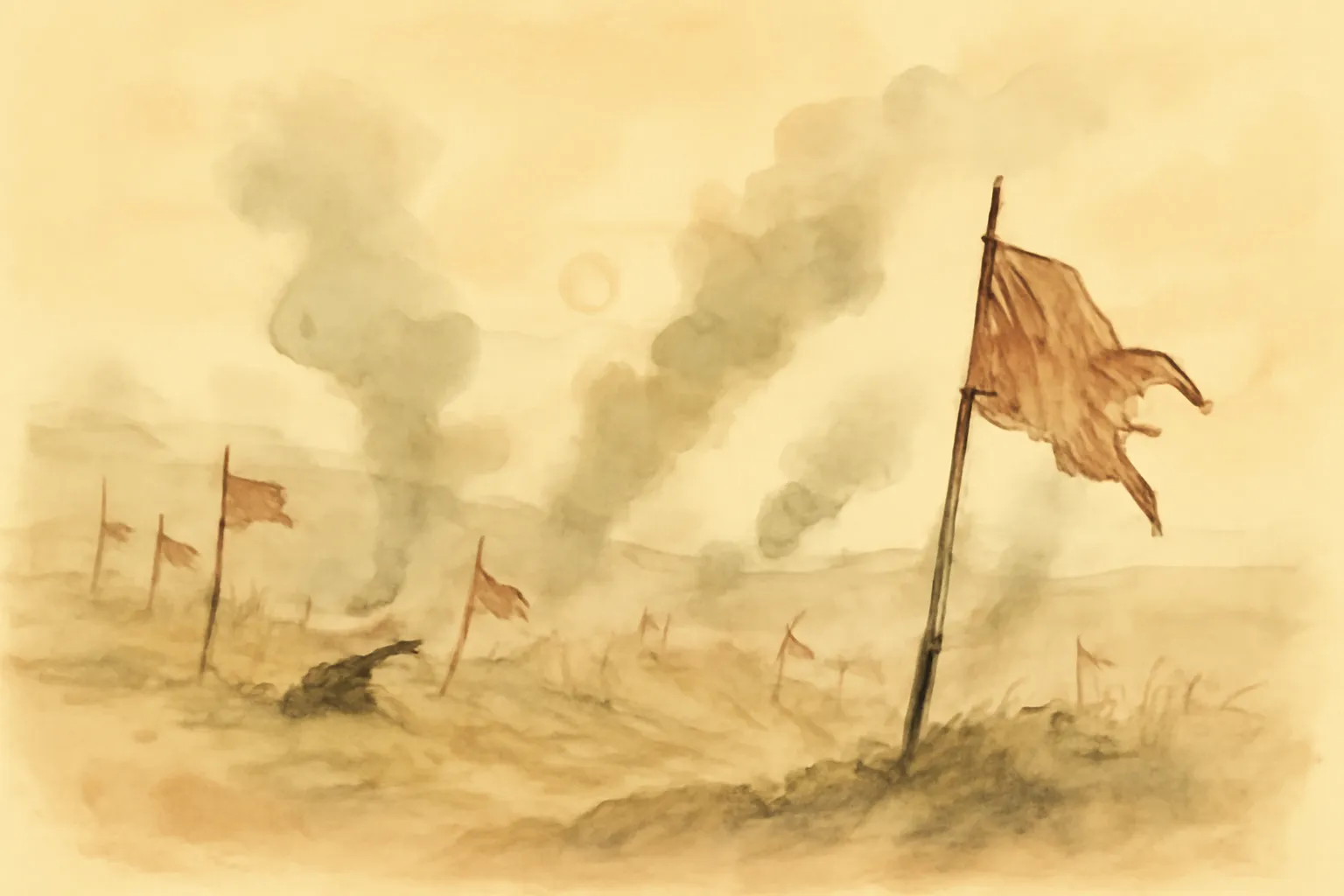
Chambers examines the theme of loyalty through the experiences of the landed families in northern New York, particularly the Johnsons and Butlers. As the American Revolution unfolds, characters grapple with their allegiances—some remain loyal to the British Crown, while others side with the growing movement for independence. This internal conflict creates a rich ground for character development, showing how personal relationships can be strained or severed by political choices. For instance, the loyalty of the Johnson family is portrayed not just as a political stance but as a deeply personal commitment to their way of life and their community. The emotional weight of these decisions becomes palpable, as characters must choose between family ties and larger ideological battles. In many cases, the narrative illustrates that loyalty is not merely a matter of politics but is intertwined with personal identity and familial legacy, echoing the broader human struggle to remain true to oneself amidst external pressures.
2.The Impact of War on Personal Lives
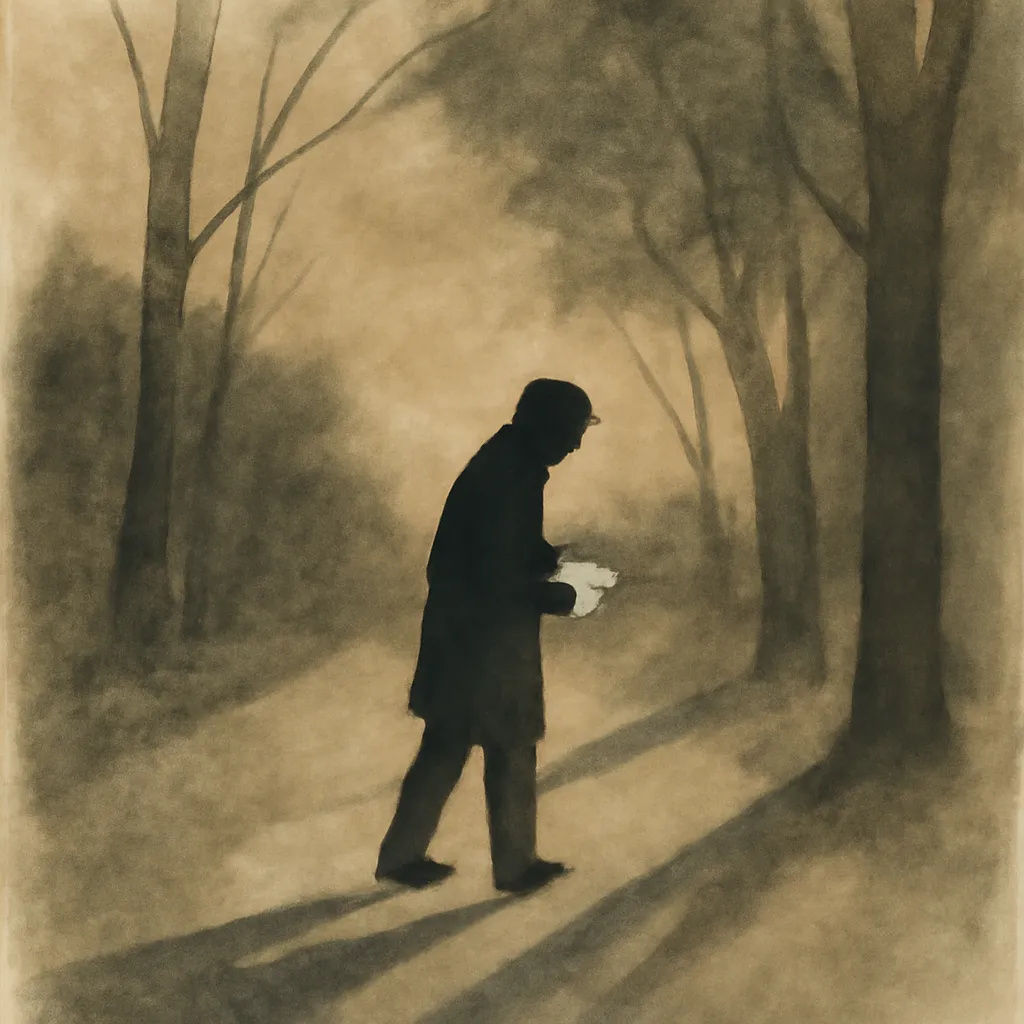
The narrative vividly illustrates how the war reshapes personal lives and relationships, creating a backdrop of tension and uncertainty. Characters like Carus Renault, who operates as a spy, constantly navigate the dangers of double lives, where personal safety and loyalty to cause intertwine. Renault's character embodies the moral ambiguity faced by individuals during wartime; he must balance his love for Elsin Grey with the treacherous demands of espionage. The juxtaposition of romantic pursuits against the grim realities of war adds depth to the story, as moments of joy are often overshadowed by the specter of violence. The tension between the desire for love and the harsh demands of duty is a recurring motif, exemplified in the relationships that blossom even as war looms. Chambers effectively captures this dichotomy, allowing readers to understand the stakes involved in each character's choices, where every decision could result in life or death, loyalty or betrayal. This exploration of personal lives amidst the chaos of war invites readers to reflect on how external conflicts can reshape internal landscapes, altering priorities and desires.
3.Identity and Transformation

Chambers explores the theme of identity, particularly how the war catalyzes transformations in individuals and communities. Characters like Carus Renault undergo significant changes as they transition from naive youths to hardened individuals shaped by their experiences. Renault's journey from a country lad to a pivotal player in espionage showcases the transformative power of war. As he grapples with his role and the moral implications of his actions, he embodies the struggle of many individuals whose identities are redefined by the circumstances around them. The pressures of war force characters to reassess their identities, often leading to internal conflicts as they reconcile their past selves with their current realities. This evolution raises questions about the nature of identity in times of crisis—how do individuals maintain their core selves while adapting to the demands of a rapidly changing world? Through Renault and others, Chambers paints a complex picture of identity as fluid, influenced by external events yet anchored in personal convictions, highlighting the interplay between personal choice and historical forces.
4.The Role of Women in War
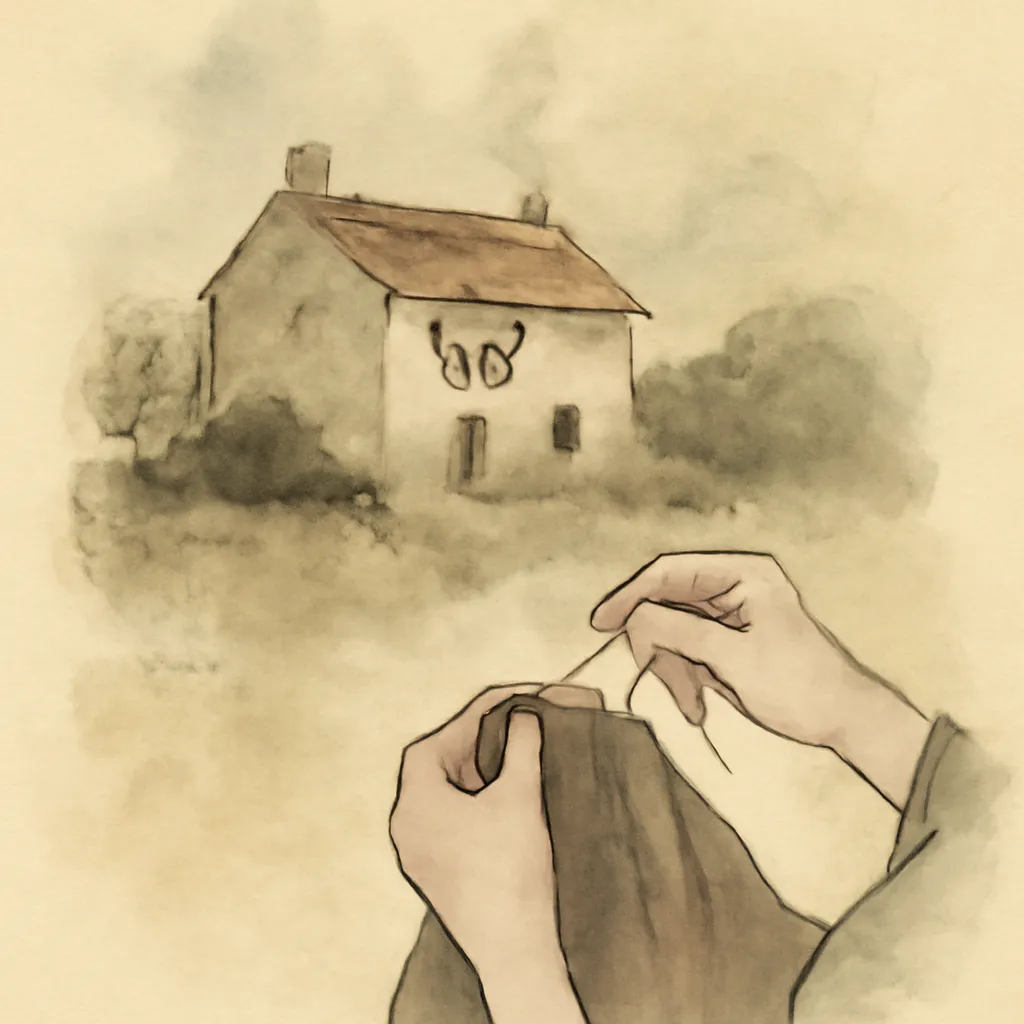
In 'The Reckoning,' the portrayal of women is particularly striking, as they navigate a male-dominated society while asserting their agency. Characters like Elsin Grey challenge traditional roles, becoming central figures in the narrative who influence events through their actions and decisions. Elsin is not merely a passive observer but an active participant in the unfolding drama of war and love. Chambers highlights the resilience and resourcefulness of women during the Revolution, showing how they contribute to the war effort and support their families in times of crisis. The complexities of their relationships with male characters also reflect broader societal changes, as women find ways to assert their desires and ambitions amidst the chaos. This nuanced portrayal invites readers to consider the often-overlooked contributions of women in historical narratives, revealing how they not only endure the hardships of war but also shape its course. The empowerment of female characters serves as a counter-narrative to the traditional depictions of women during this era, suggesting that their experiences and voices are integral to understanding the full impact of the Revolutionary War.
5.The Psychological Toll of Conflict
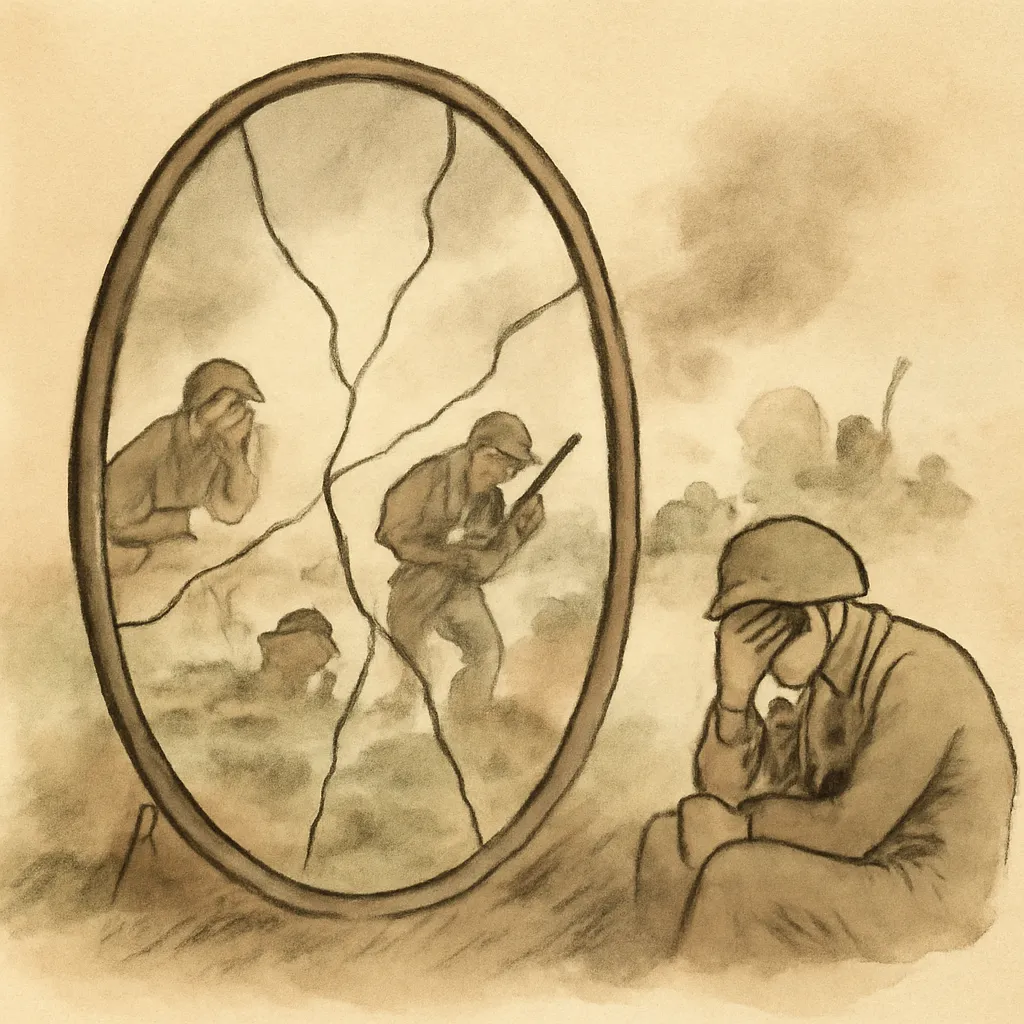
Chambers delves into the psychological impact of war on individuals, illustrating how the constant threat of violence and loss shapes their mental states. Characters experience fear, anxiety, and moral dilemmas that reflect the broader human experience of navigating conflict. Renault's internal struggles reveal the toll that living a double life can take on one's psyche, as he grapples with the weight of his responsibilities and the fear of exposure. Similarly, characters like Sir Peter and Colonel Butler are portrayed with layers of complexity, as their roles require them to confront both external enemies and their inner demons. The narrative does not shy away from depicting the darker aspects of war, including the trauma and grief that accompany loss. This exploration adds a layer of complexity to the characters, making their journeys more relatable and poignant. Chambers skillfully portrays how the psychological burden of conflict extends beyond the battlefield into every aspect of the characters' lives, emphasizing the long-lasting effects of trauma and the struggle for mental resilience in the face of overwhelming odds.
6.The Symbolism of the Land

Chambers uses the landscape of northern New York as a powerful symbol throughout 'The Reckoning.' The land, with its beauty and brutality, reflects the inner turmoil of the characters and the larger conflict at play. The natural world serves as both a refuge and a battleground, mirroring the characters' struggles between personal desires and societal obligations. The imagery of the land evokes a sense of nostalgia and loss, reminding characters and readers alike of what is at stake in the war. For example, the descriptions of the lush, serene landscapes are often contrasted with the violence and destruction wrought by conflict, highlighting the duality of beauty and horror. This connection to the land underscores the theme of belonging, as characters grapple with their ties to a place that is both home and a site of conflict. Chambers' depiction of the land as a living entity imbued with emotional weight reinforces the idea that the stakes of the war extend beyond political ideologies to encompass the very essence of identity and community.
7.Betrayal and Trust

The theme of betrayal runs deep in 'The Reckoning,' as characters must navigate a web of trust and deception. The espionage elements introduce a layer of intrigue, with characters often questioning the loyalties of those around them. Renault's secret correspondence with the Continental army exemplifies the precarious nature of trust during wartime, where allies can quickly become enemies. The atmosphere of suspicion heightens the stakes for personal relationships, as characters must decide who they can rely on when their lives depend on it. Butler's character, in particular, embodies the complexities of trust; his motivations are often ambiguous, causing others to question whether he is a friend or foe. This exploration of betrayal serves as a reminder of the fragility of human connections in times of conflict, prompting readers to consider the ethical implications of loyalty and the cost of betrayal. Chambers effectively captures how the shadows of mistrust can infiltrate even the closest relationships, leaving lasting scars that extend beyond the immediate consequences of treachery.
8.The Aftermath of War

Chambers does not shy away from depicting the aftermath of the war, illustrating the long-lasting effects on individuals and communities. The resolution of personal conflicts often comes with a sense of loss, as characters must come to terms with the changes wrought by the war. The narrative captures the bittersweet nature of victory, as characters reflect on what they have sacrificed and what remains of their former lives. As the dust settles after the conflict, the characters must navigate the new reality shaped by their experiences, with many facing the haunting memories of battle and loss. This exploration of the war's aftermath prompts readers to consider the broader implications of conflict—how societies rebuild and redefine themselves in the wake of destruction. The emotional resonance of these themes lingers long after the final page, inviting contemplation of the costs of freedom and the challenges of healing in a fractured world. Chambers' portrayal of life after war serves as a poignant reminder that the end of conflict does not equate to the end of suffering, emphasizing the resilience required to move forward.
9.Interpersonal Relationships Amidst Chaos
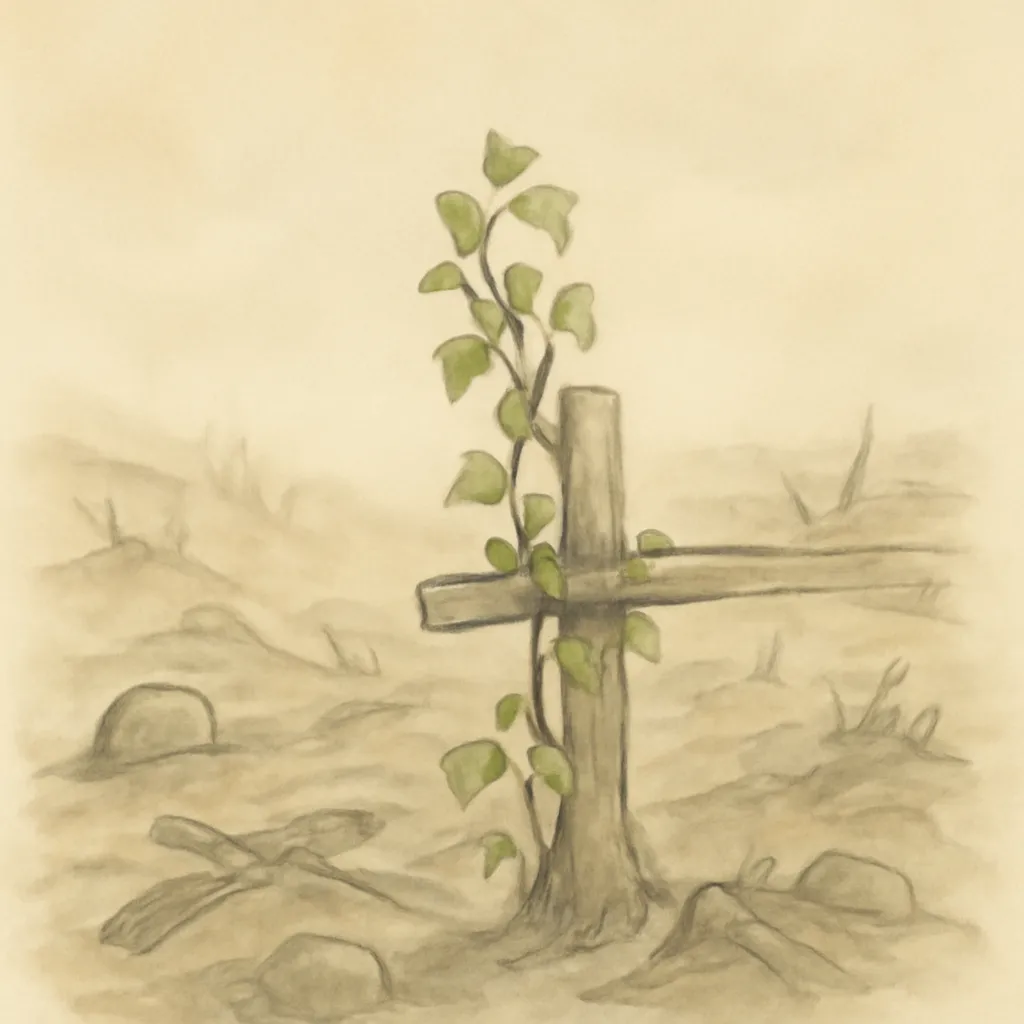
Amidst the chaos of war, Chambers emphasizes the importance of interpersonal relationships as characters seek solace and connection. The bonds formed between characters serve as a counterbalance to the external turmoil, highlighting the resilience of human connection in the face of adversity. Friendships, romances, and familial ties are tested, but they also provide moments of hope and strength. The interactions between characters offer glimpses of humanity, reminding readers that even in the darkest times, love and loyalty can endure. Renault's relationships, particularly with Elsin and his comrades, showcase the power of connection to provide comfort and motivation despite the surrounding chaos. This focus on relationships enriches the narrative, making it a deeply human story that resonates with readers beyond its historical context. Chambers’ portrayal of these connections illustrates the timeless truth that in times of crisis, it is often the bonds we share with others that sustain us, imbuing the narrative with a sense of universal relevance.