1.The Complexity of Desire
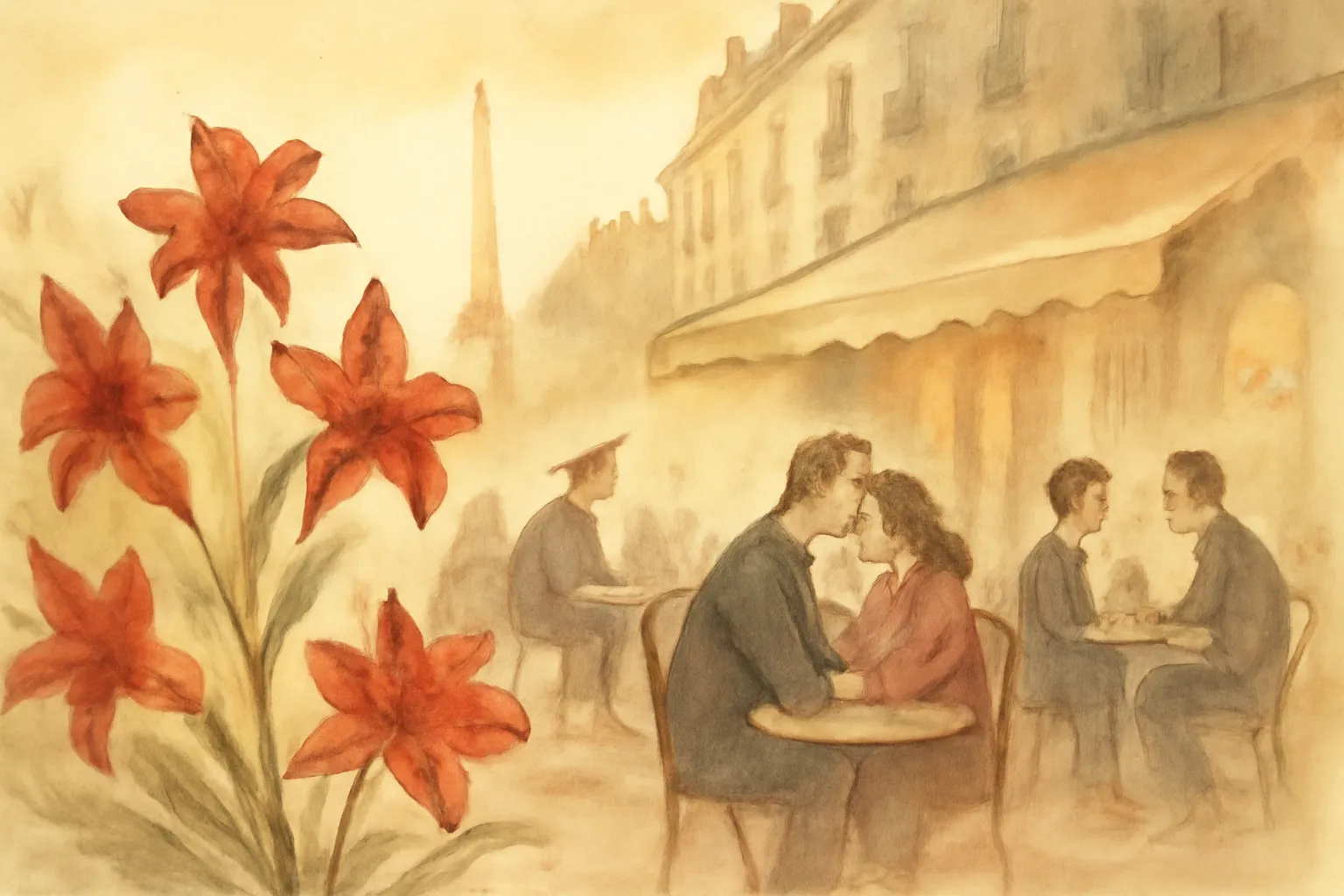
At the heart of 'The Red Lily' lies the exploration of desire, particularly through the character of Therese. She is portrayed as a woman who possesses a profound yearning for love and beauty, yet grapples with the constraints imposed by society. Her longing is palpable as she navigates her relationship with Robert, who, while affectionate, fails to ignite the passion she seeks. This tension between societal norms and personal desire reflects a broader commentary on the struggles faced by women in a patriarchal society. France masterfully illustrates how desire can lead to both fulfillment and despair, as Therese's journey reveals the duality of love—its ability to elevate and to entrap. The novel suggests that true love is not merely about possession but about understanding and nurturing one another’s aspirations.
2.Art as a Reflection of Life
France intricately weaves art into the fabric of the narrative, using it as both a backdrop and a character in its own right. The vivid descriptions of Florence's landscapes and the artistic endeavors of characters like Miss Bell serve to enhance the emotional depth of the story. Art becomes a lens through which the characters express their inner lives and struggles. For example, Therese’s appreciation for beauty is mirrored in her interactions with art, leading her to question her own existence and desires. France's portrayal of art is not just aesthetic; it serves as a catalyst for self-discovery and a medium through which characters confront their realities. Through this lens, readers are invited to reflect on how art influences our perceptions of love and beauty, often blurring the lines between reality and idealism.
3.The Dichotomy of Freedom and Confinement
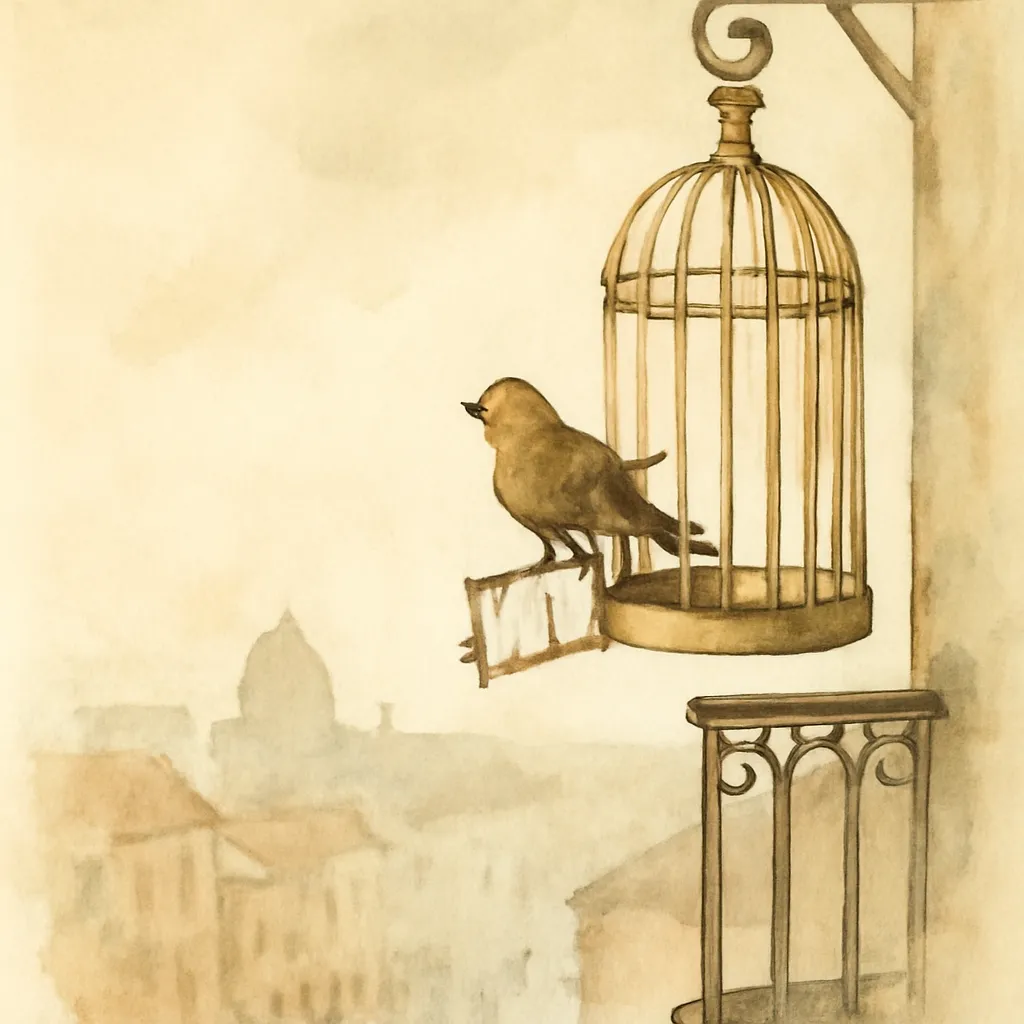
The theme of freedom versus confinement resonates throughout 'The Red Lily,' particularly in Therese's character arc. While she yearns for independence and the freedom to pursue her desires, she finds herself increasingly confined by the expectations of her marriage to Robert. This tension is palpably felt in her internal monologues, where she oscillates between moments of joy and profound melancholy. France juxtaposes Therese's aspirations with the societal constraints of the time, illustrating the often-painful choices women had to make. Her eventual decision to travel to Florence represents a fleeting escape, a momentary break from the chains of her domestic life. However, France subtly critiques this notion of 'freedom,' suggesting that true liberation comes not from physical distance but from self-acceptance and the courage to confront one's heart. The narrative compels readers to consider the complexities of freedom, questioning whether it is ever truly attainable within the confines of societal expectations.
4.Love's Illusions and Disillusionments
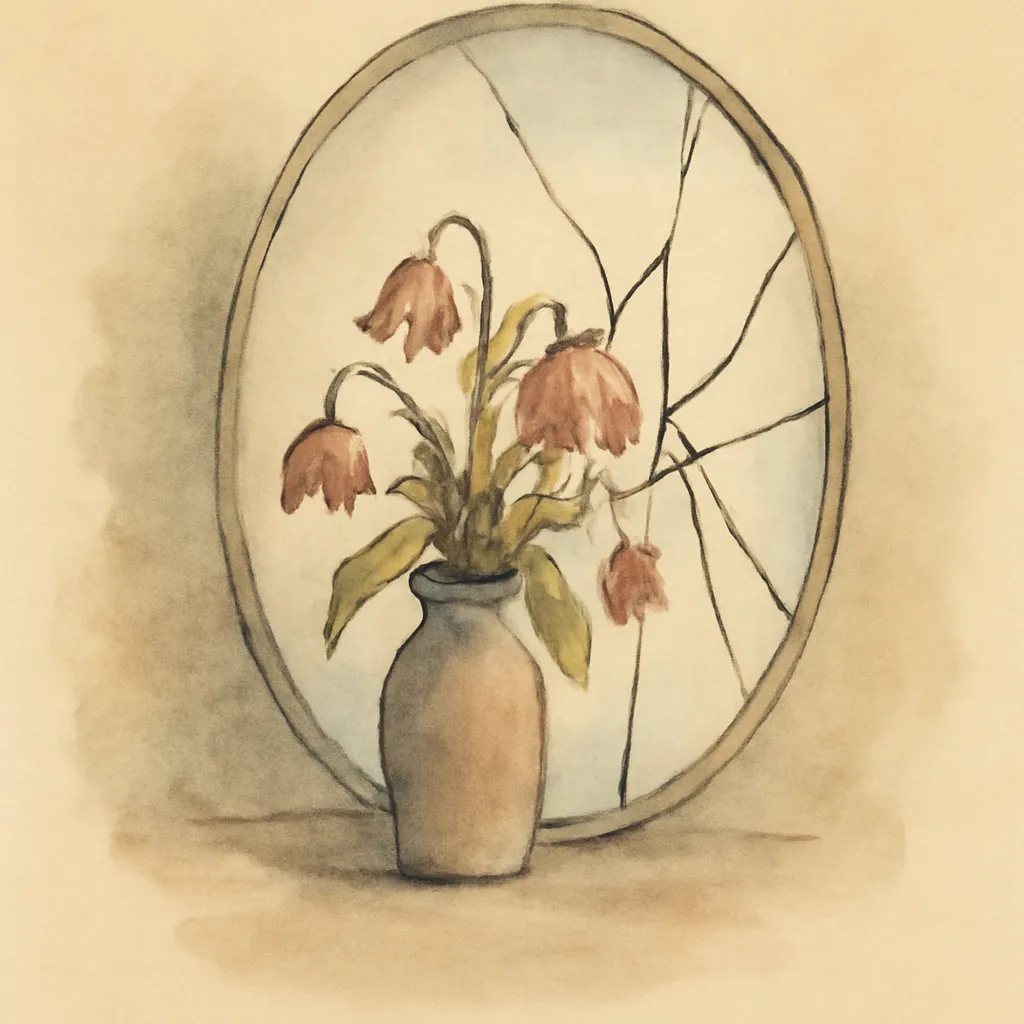
France deftly explores the illusions surrounding love, particularly through the relationships that unfold in the story. Therese's initial infatuation with Robert is steeped in idealism, yet as the narrative progresses, the stark reality of their relationship emerges. France highlights the disillusionment that often accompanies romantic love, portraying it as a journey fraught with misunderstandings and unmet expectations. The characters' interactions reveal how love can morph from passionate fervor to quiet discontent, emphasizing the transient nature of human emotions. This exploration of love's illusions serves as a poignant reminder that the pursuit of passion can lead to unforeseen consequences, urging readers to confront the often-painful truths that lie beneath the surface of romantic entanglements. France’s narrative ultimately suggests that love, while beautiful, is also a complex and sometimes harsh reality that demands introspection and honesty.
5.The Role of Friendship in Personal Growth
Friendship plays a crucial role in 'The Red Lily,' acting as a mirror that reflects the characters' inner lives and aspirations. Therese's relationship with Miss Bell exemplifies the nurturing and transformative power of friendship. Miss Bell, as an artist and confidante, provides Therese with a safe space to explore her desires and fears. Their conversations are rich with philosophical musings on love, beauty, and the nature of art, allowing Therese to confront her own identity. France illustrates how friendships can serve as catalysts for self-discovery, pushing individuals to question their choices and motivations. Through the lens of friendship, the narrative delves into themes of loyalty, support, and the shared journey of understanding one’s self. This dynamic underscores the notion that personal growth is often facilitated by the bonds we form with others, making friendship an essential theme in the exploration of the human experience.
6.Cultural Reflections in the Setting
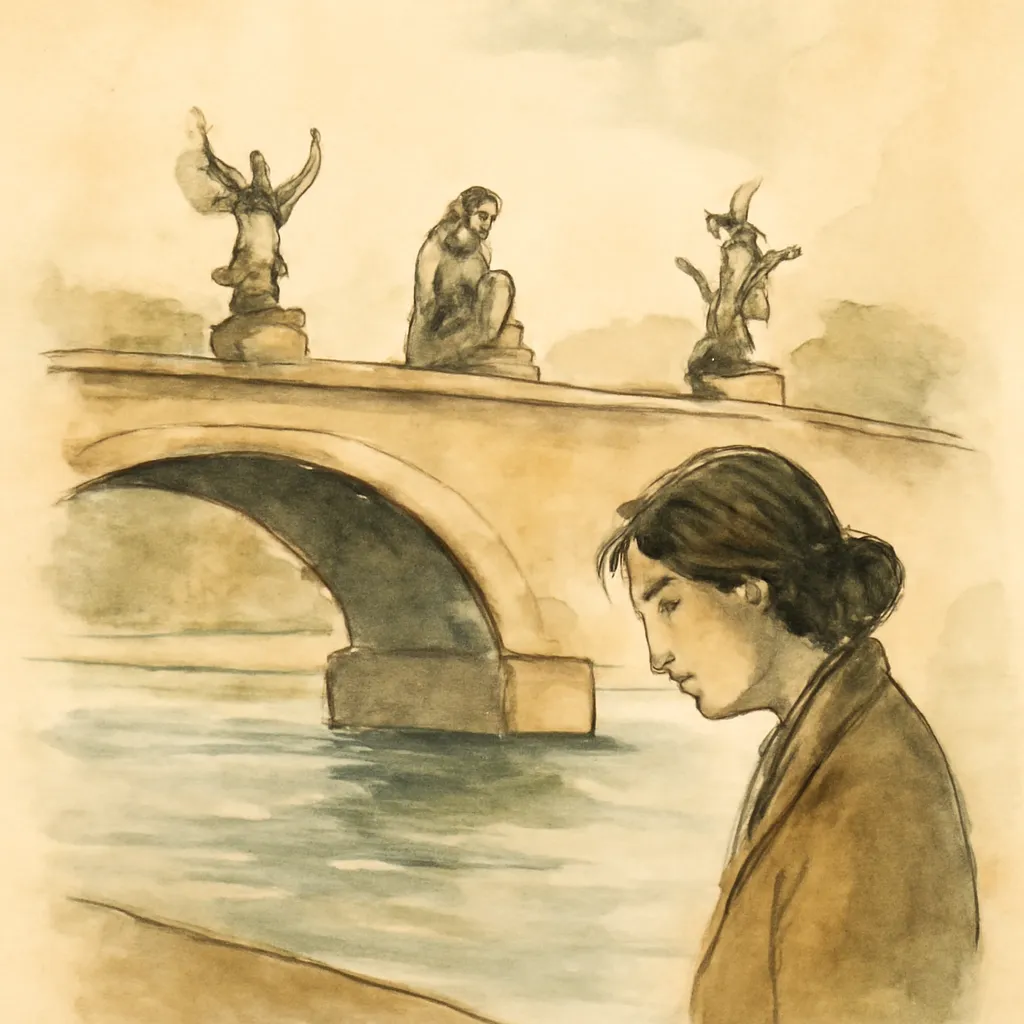
The settings of Paris and Florence are more than mere backdrops; they are integral to the narrative, reflecting the cultural and artistic currents of the time. France paints a vivid picture of Parisian life, with its salons, theaters, and vibrant social scene, juxtaposed against the serene beauty of Florence, a city steeped in art and history. These contrasting environments serve to highlight the internal conflicts of the characters. Paris embodies the chaos and constraints of societal expectations, while Florence represents a realm of artistic freedom and self-exploration. France's attention to detail in describing these locales enriches the narrative, inviting readers to immerse themselves in the cultural tapestry of the era. This cultural interplay enhances the themes of the novel, suggesting that our surroundings profoundly influence our desires and relationships. The narrative encourages readers to consider how place shapes identity and experience, making the settings pivotal to the characters' journeys.
7.The Weight of Societal Expectations
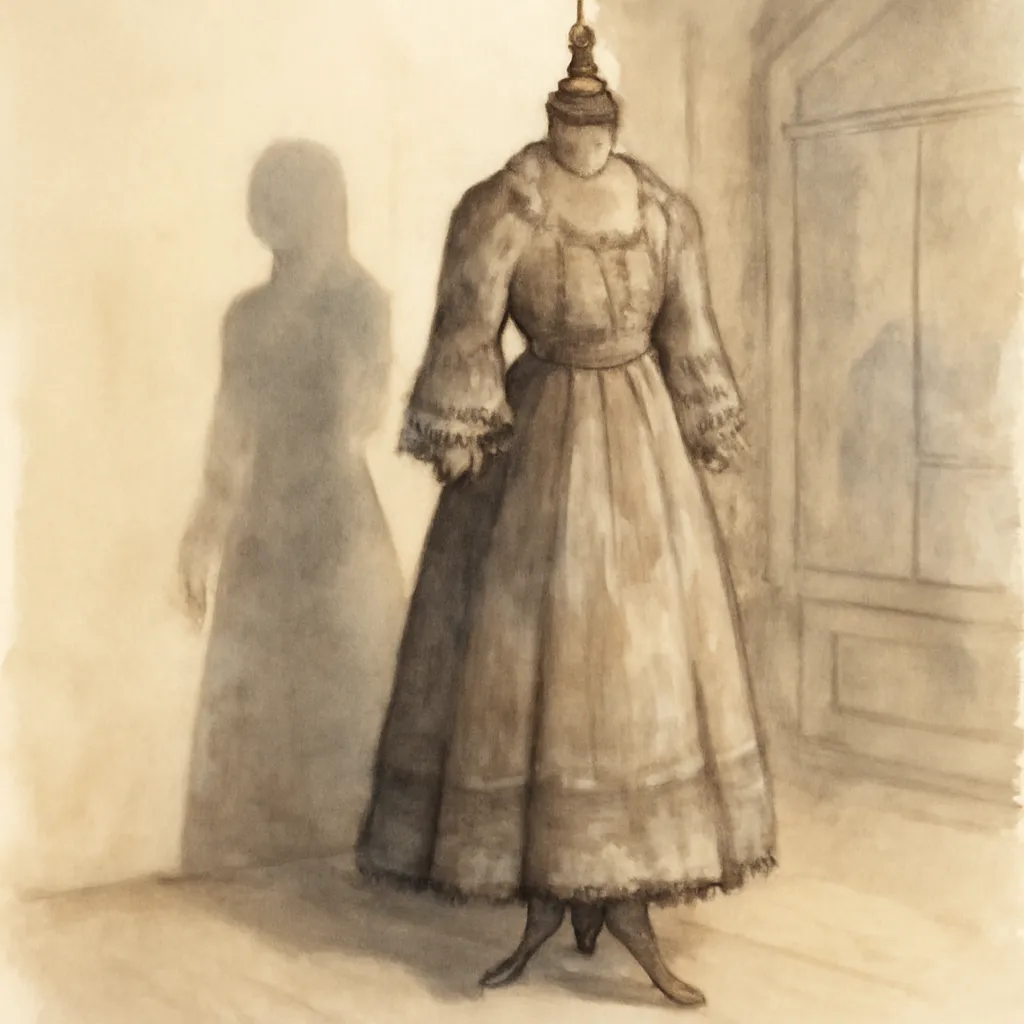
France poignantly addresses the weight of societal expectations, particularly on women, through the character of Therese. As she navigates her role as a wife and societal figure, the pressure to conform to prescribed norms becomes increasingly burdensome. Her internal struggles reflect the broader context of women's lives during the late 19th century, where personal desires often clashed with societal roles. France critiques these expectations, revealing how they can stifle individuality and lead to feelings of entrapment. Therese's journey becomes a powerful commentary on the necessity of self-assertion and the courage to challenge societal norms. The narrative encourages readers to reflect on the implications of societal pressures and the importance of forging one's path, making it a relevant discourse on gender and identity that resonates even today. France’s exploration of this theme serves as a call to recognize and resist the limitations imposed by society.
8.The Interplay of Fate and Choice
The concept of fate versus choice is intricately woven throughout 'The Red Lily,' posing questions about agency and destiny. Therese's decisions, from her marriage to her travels, are depicted as both products of her will and the whims of fate. France suggests that while we may strive for autonomy, external forces often shape our paths in unexpected ways. The characters grapple with the consequences of their choices, leading to moments of introspection and regret. This interplay emphasizes the complexity of life, where desires and outcomes are not always aligned. France invites readers to ponder the nature of choice, questioning whether we truly have control over our destinies or if we are merely actors in a larger narrative. This exploration of fate and free will resonates deeply, urging readers to consider the delicate balance between our aspirations and the unpredictable nature of life.
9.The Nature of Beauty and Its Transience
Beauty emerges as a central theme in 'The Red Lily,' explored through both its allure and its fleeting nature. France captures the essence of beauty in the characters' interactions with art, nature, and each other, highlighting its power to inspire and transform. Therese's appreciation for beauty drives her actions and decisions, yet she is also acutely aware of its impermanence. France’s lyrical descriptions evoke a sense of longing and nostalgia, reminding readers that beauty is often intertwined with loss. This duality serves as a poignant reflection on the human condition, where moments of beauty are precious yet ephemeral. The narrative encourages readers to cherish these fleeting experiences, suggesting that the pursuit of beauty is an inherent part of the human experience. Through this exploration, France elevates the concept of beauty beyond mere aesthetics, positioning it as a profound aspect of love, art, and existence.
10.The Journey Toward Self-Acceptance

Therese's journey throughout 'The Red Lily' ultimately culminates in her quest for self-acceptance. As she grapples with her desires and the expectations placed upon her, she embarks on a path of introspection and growth. France illustrates the struggles faced by individuals in reconciling their identities with societal norms, emphasizing the importance of self-awareness in achieving fulfillment. Therese’s experiences, from her relationship with Robert to her interactions with other characters, serve to illuminate her internal conflicts. The narrative suggests that true contentment arises from embracing one's true self, rather than conforming to external pressures. This journey toward self-acceptance is a universal theme that resonates with readers, encouraging them to reflect on their own paths. France's portrayal of this struggle underscores the significance of authenticity in the pursuit of happiness, making it a powerful message within the narrative.