1.The Nature of Justice
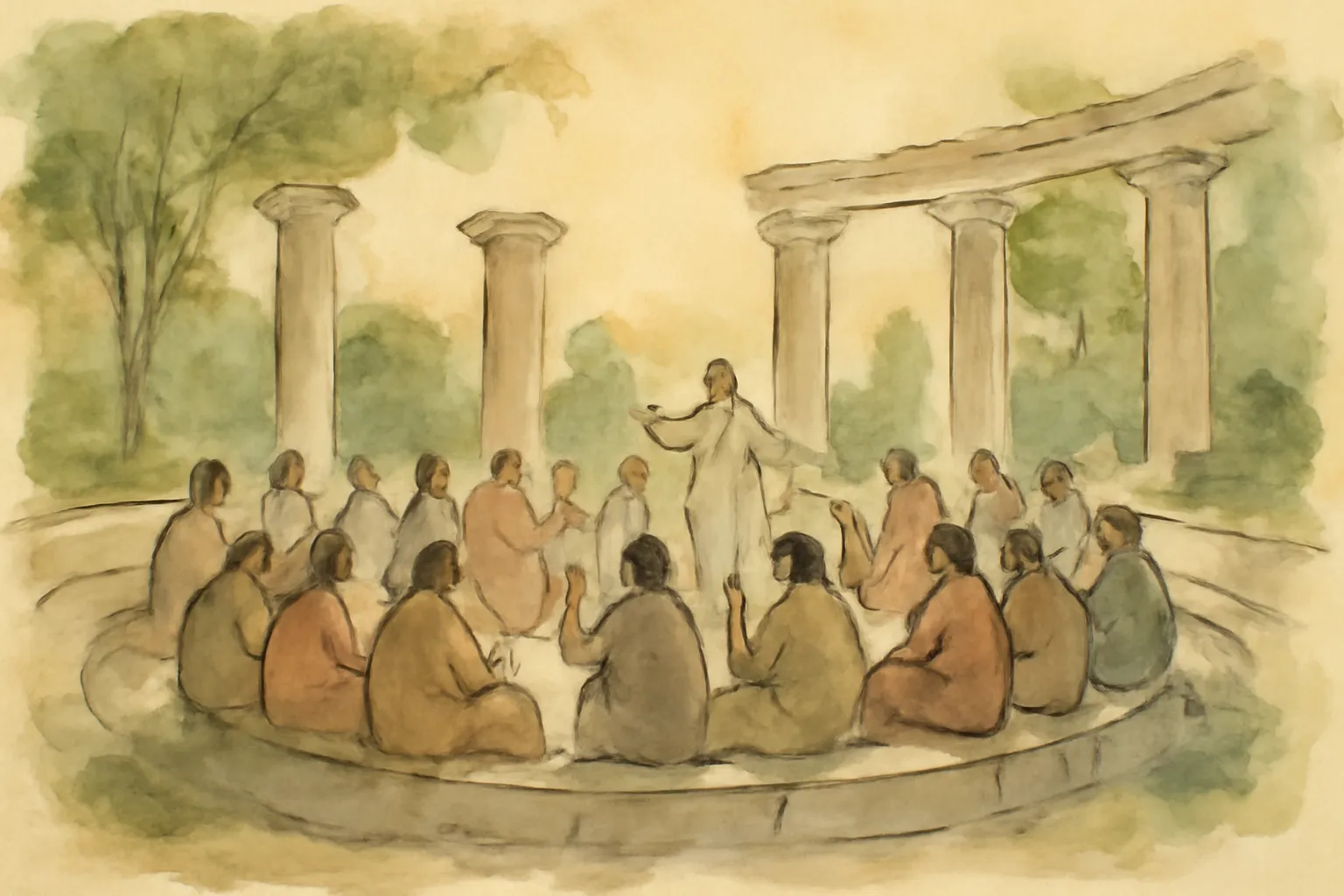
At its core, 'The Republic' seeks to define justice. Socrates argues that justice is not merely a social contract or an arrangement to avoid suffering injustice, as suggested by Thrasymachus. Instead, he proposes that justice is a virtue that benefits both the individual and the community. Through the dialogue, it becomes clear that a just person is one whose soul is in harmony, where reason governs spirit and appetite. This harmony reflects the well-ordered state, where each class (rulers, guardians, and producers) performs its proper function, contributing to the overall good. The exploration of justice leads to the conclusion that true happiness comes from being just, rather than from the appearance of justice or from engaging in unjust acts.
2.The Allegory of the Cave
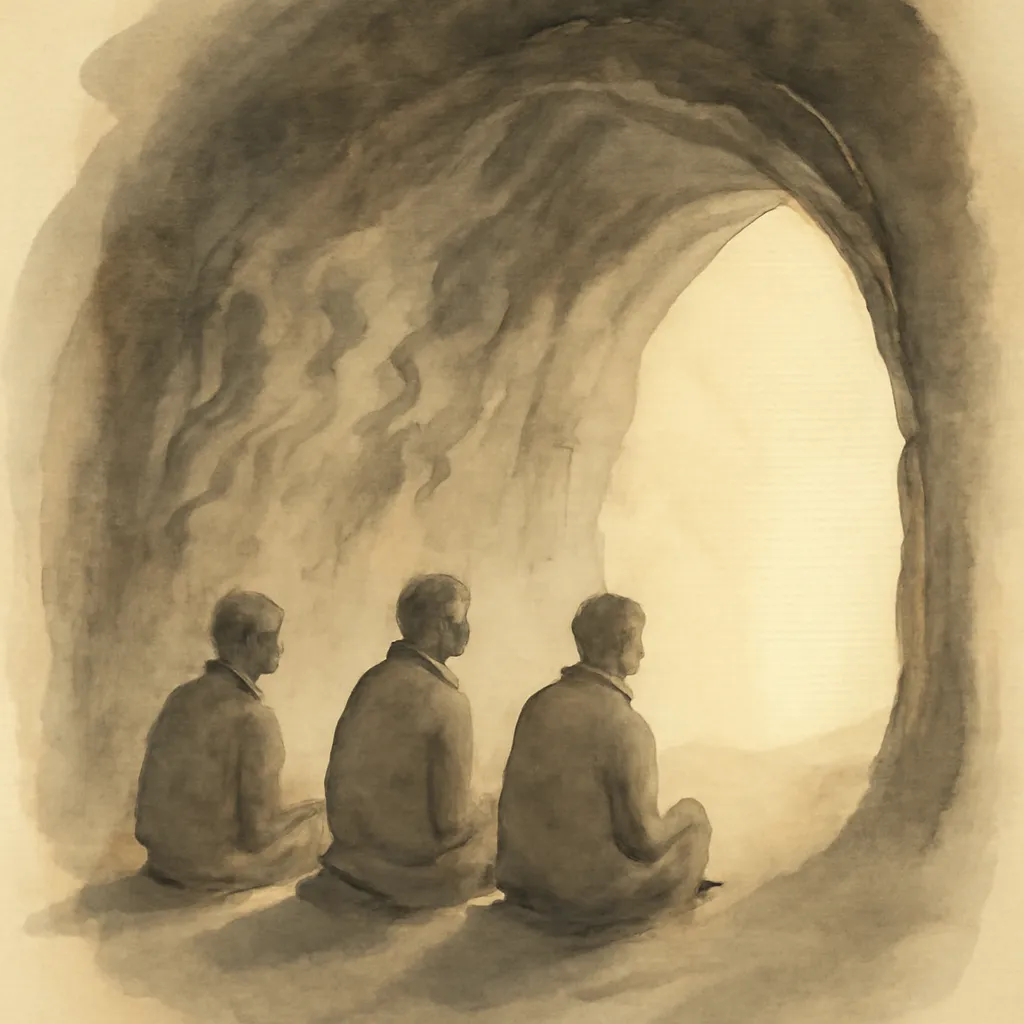
One of the most famous metaphors in philosophy, the Allegory of the Cave, illustrates the effects of education on human nature. Plato describes prisoners chained in a cave, only able to see shadows cast on the wall by objects behind them. This represents the ignorance of those who perceive reality only through sensory experience. When a prisoner is freed and exposed to the outside world, he initially struggles to adjust to the light but eventually comes to understand the true forms of reality. This allegory emphasizes the philosopher's role in seeking knowledge and truth, suggesting that enlightenment is painful but ultimately rewarding. It serves as a powerful reminder of the importance of education in achieving a deeper understanding of justice and existence.
3.Philosopher-Kings
Plato argues that the ideal rulers of the state should be philosopher-kings—those who possess both love of wisdom and the ability to govern justly. He contends that philosophers are uniquely qualified to lead because they understand the Forms, especially the Form of the Good, which is the ultimate source of all knowledge and virtue. This idea challenges the conventional notion of leadership based on wealth or military might, proposing instead that those who truly understand justice should guide society. The philosopher-king embodies the ideal balance of wisdom, courage, and temperance, ensuring that the state is governed for the benefit of all citizens. This concept raises important questions about the nature of authority and the qualifications necessary for leadership.
4.The Tripartite Soul
In 'The Republic', Plato presents his theory of the tripartite soul, dividing it into three parts: reason, spirit, and appetite. Each part corresponds to a different aspect of human nature and reflects the structure of the ideal state. Reason seeks truth and knowledge, spirit is associated with courage and honor, while appetite encompasses desires and basic needs. A just individual is one in whom reason rules over spirit and appetite, leading to harmony and balance within the soul. This model not only serves as a foundation for understanding individual morality but also parallels the organization of the state, where rulers (reason), guardians (spirit), and producers (appetite) work together for the common good. This tripartite framework provides a comprehensive approach to ethics and governance, emphasizing the interconnectedness of personal virtue and societal order.
5.Education and the Role of Myth
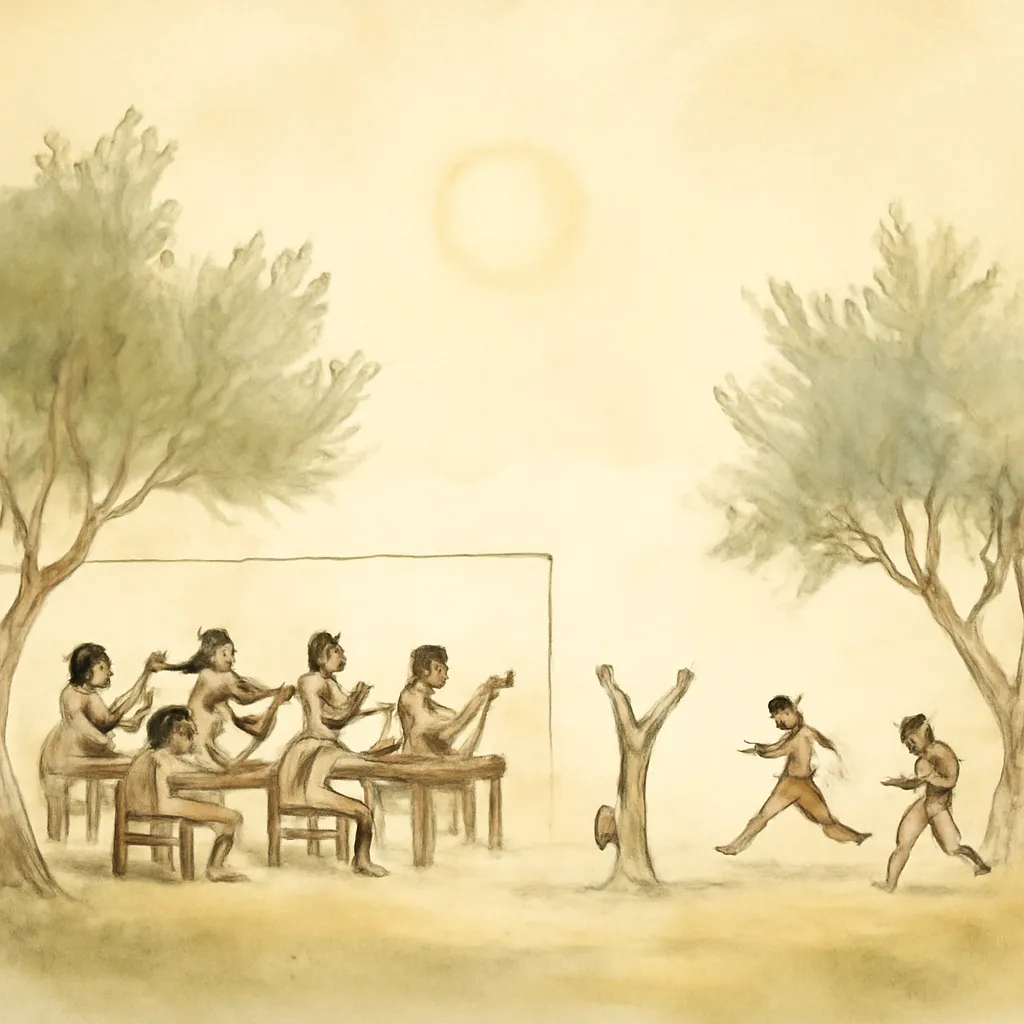
Education plays a crucial role in Plato's ideal state, shaping the character and values of citizens from a young age. He emphasizes the importance of a curriculum that includes music, gymnastics, and philosophical training, which fosters both physical and intellectual development. Furthermore, Plato advocates for the use of myths and stories to instill moral values and civic virtues. He argues that certain narratives should be revised or censored to promote courage and discourage fear of death among warriors. This highlights the power of storytelling in shaping beliefs and behaviors, suggesting that the narratives we accept can significantly influence our understanding of justice and the good life. In this way, education is not merely about imparting knowledge, but about cultivating the right character and values essential for a harmonious society.
6.Forms of Government
Plato outlines four inferior forms of government: timocracy, oligarchy, democracy, and tyranny, each corresponding to a specific type of individual. Timocracy arises from the ideal state when the rulers prioritize honor over wisdom, leading to a society focused on military prowess. Oligarchy emerges when wealth becomes the primary measure of power, resulting in a divide between the rich and poor. Democracy follows, characterized by excessive freedom and lack of order, where the pursuit of individual desires leads to chaos. Finally, tyranny represents the worst form of government, where a single ruler, driven by base appetites, oppresses the citizens. By examining these forms, Plato illustrates the dangers of straying from justice and the consequences of allowing desires to dictate governance. This analysis serves as a cautionary tale about the fragility of political systems and the need for a just foundation.
7.The Myth of Er
At the end of 'The Republic', Plato presents the Myth of Er, a narrative that addresses the fate of souls after death and the importance of justice in the afterlife. Er, a soldier who dies in battle, experiences a vision of the afterlife where souls choose their next lives based on their past actions. This myth reinforces the idea that justice has consequences beyond this life, urging individuals to live virtuously. It serves as both a moral lesson and a hopeful message about the possibility of redemption and growth. The myth emphasizes the interconnectedness of individual choices and the collective fate of society, suggesting that the pursuit of justice is not only a personal endeavor but a societal imperative. This powerful conclusion encapsulates the central themes of 'The Republic', leaving readers to ponder the implications of justice in their own lives.
8.The Role of Women in the Ideal State
Plato's treatment of women in 'The Republic' is groundbreaking for its time, advocating for their inclusion in the same roles as men within the ideal state. He argues that women, like men, possess the capabilities to be guardians and rulers, provided they receive the same education and training. This perspective challenges the traditional views of gender roles in ancient Greece, promoting a vision of equality that recognizes the potential of both sexes. Plato's argument is based on the belief that ability, not gender, should determine one's place in society. By advocating for the common ownership of property and family among guardians, he seeks to eliminate biases and promote unity. This radical notion not only expands the possibilities for women's participation in public life but also serves as a critique of societal norms that limit individual potential based on gender.
9.The Pursuit of the Good Life
Ultimately, 'The Republic' presents a vision of the good life, which is achieved through the practice of justice and the cultivation of virtue. Plato posits that true happiness is found not in material wealth or power, but in living a just life that benefits both oneself and the community. This understanding of happiness is deeply intertwined with the health of the soul, where the harmony of reason, spirit, and appetite leads to a fulfilling existence. By aligning individual desires with the common good, citizens can achieve a state of eudaimonia, or flourishing. This philosophical perspective underscores the importance of ethical living and civic responsibility, encouraging individuals to strive for personal excellence while contributing to the well-being of society. The pursuit of the good life, as depicted in 'The Republic', remains a timeless aspiration that resonates with contemporary discussions on ethics and morality.