1.The Allure of Adventure
Carruthers's journey begins with a sense of ennui and a longing for adventure. Feeling isolated in London, he decides to join Davies on a yachting trip, which initially seems like a mere escape from his mundane existence. However, this choice marks the beginning of a transformative experience. The allure of the sea, with its promise of freedom and discovery, serves as a catalyst for Carruthers’s character development. As they set sail, the excitement of navigating uncharted waters becomes intertwined with the challenges they face, highlighting how adventure can awaken dormant desires and reshape one's perspective on life. Carruthers’s initial reluctance is gradually replaced by a growing enthusiasm for the unknown, illustrating how immersing oneself in a new experience can lead to self-discovery and personal growth. The sea becomes a character itself, representing both opportunity and danger, pushing Carruthers beyond his comfort zone.
2.The Complexity of Friendship
The relationship between Carruthers and Davies is central to the narrative, showcasing the nuances of friendship under strain. Initially, Carruthers views Davies as a companion in his quest for adventure; however, as the plot unfolds, their dynamic shifts. Davies's deeper knowledge of the sea and his secretive nature create tension and intrigue. Carruthers’s admiration for his friend grows, yet he grapples with feelings of inadequacy and uncertainty. This complexity illustrates how friendship can be both a source of strength and vulnerability, particularly when faced with external pressures and moral dilemmas. Their bond is tested not just by the challenges of sailing but also by the ethical implications of their discoveries. As Carruthers learns more about Davies's motivations and the dangers they face, he finds himself weighing loyalty against the potential consequences of inaction. Ultimately, their friendship evolves from a simple camaraderie to a deeper partnership forged in the fires of adversity, emphasizing the transformative power of shared experiences.
3.Navigating Political Tensions
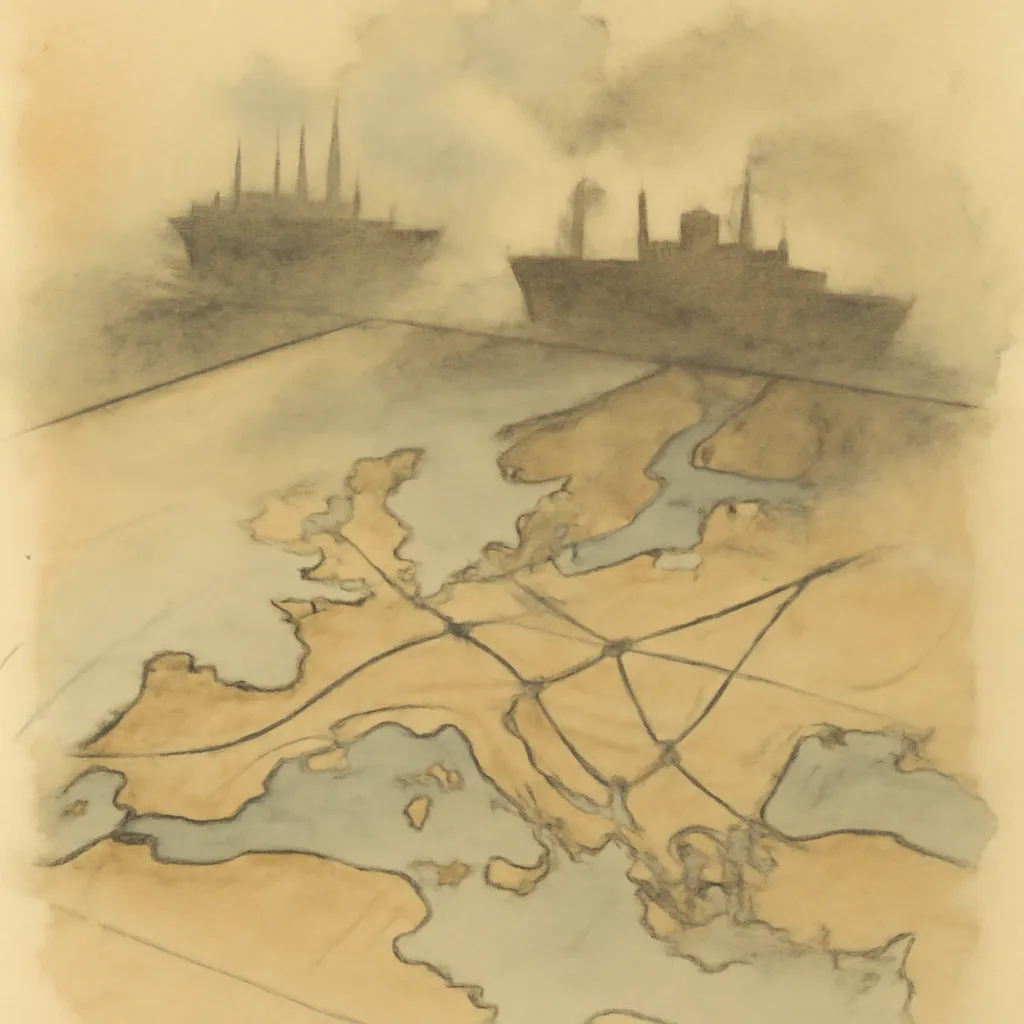
Set in a time of rising tensions in Europe, the novel subtly critiques the geopolitical landscape of the early 1900s. The backdrop of espionage serves as a reminder of the fragility of peace and the constant threat of conflict. As Carruthers and Davies uncover a plot involving German spies, the narrative explores themes of national security and the responsibilities of individuals in safeguarding their countries. The tension not only adds depth to their adventure but also prompts readers to reflect on the implications of political actions and the moral obligations of citizens in tumultuous times. The characters' journey through these political waters acts as an allegory for the precarious nature of international relations, highlighting the personal stakes involved in global politics. Childers weaves a narrative that is not just about individual courage but also about the larger implications of national interests, questioning whether personal sacrifices are justified in the name of duty to one’s country.
4.The Mystery of the Sands

The Frisian Islands and the shifting sands are more than just a setting; they symbolize the uncertainty and danger that permeate Carruthers and Davies's journey. The treacherous waters, hidden channels, and unpredictable tides serve as constant reminders of the challenges they face. Through vivid descriptions, Childers immerses readers in the beauty and peril of the landscape, emphasizing how nature can be both a sanctuary and a source of danger. The sands become a metaphor for the shifting allegiances and moral ambiguities faced by the characters, illustrating the ease with which one can become lost in both geography and ideology. Each encounter with the landscape deepens the understanding of the region's history and the threats that loom over it, showcasing how the environment reflects the internal struggles of the protagonists. The mysterious allure of the sands propels the narrative forward, creating a sense of urgency as they navigate through this unpredictable terrain.
5.The Role of Seafaring Skills
Davies's expertise in sailing is a crucial element of their adventure, showcasing the importance of practical skills in overcoming challenges. As Carruthers learns the intricacies of navigation and seamanship, he undergoes a transformation from an inexperienced landlubber to a competent sailor. This skill development not only enhances their chances of success but also symbolizes personal growth. Carruthers's initial struggles with sailing are reflective of his broader journey toward self-discovery and resilience. The novel illustrates how mastery of one’s craft can empower individuals, enabling them to confront adversity with confidence and resourcefulness. The lessons he learns about sailing also become reflective of broader themes of adaptability and courage in the face of uncertainty. Childers emphasizes that true strength lies not just in physical prowess but in the ability to learn and grow from one's experiences, illustrating the value of persistence and determination.
6.Espionage and Betrayal

The discovery of espionage plots adds a layer of suspense and intrigue to the narrative. As Carruthers and Davies delve deeper into their investigation, they encounter various characters whose loyalties are questionable. This theme of betrayal underscores the precariousness of trust in both personal relationships and national security. The tension escalates as they realize that their actions could have far-reaching consequences, not just for themselves but for their countries. Through this exploration, Childers raises questions about the ethics of espionage and the moral complexities faced by those who navigate the shadowy world of intelligence. As the protagonists grapple with the implications of their discoveries, readers are invited to consider the fine line between heroism and treachery. The narrative challenges the notion of absolute good and evil, illustrating that in the pursuit of safety and justice, individuals may be forced into morally ambiguous choices, complicating the characters’ understanding of loyalty and honor.
7.The Female Influence

Although the story primarily focuses on male characters, the presence of women, particularly Clara Dollmann, plays a significant role in shaping the narrative. Clara embodies the complexities of loyalty and love, as her connections to both Davies and the espionage plot create emotional tension. Her character challenges traditional gender roles, illustrating that women are not merely passive participants but active agents in the unfolding drama. Clara’s influence on the male characters highlights the interconnections between personal relationships and broader political themes, emphasizing that the stakes of espionage extend beyond national boundaries and into the realm of human emotion. Childers uses Clara’s character to complicate the narrative, presenting her as a figure who represents both the personal costs of political intrigue and the potential for women to exert influence in significant ways. Through her, the narrative explores the often-overlooked perspectives of women in times of conflict, enriching the story’s depth and raising questions about agency and power.
8.The Significance of Secrecy

Secrecy is a pervasive theme throughout the novel, influencing the characters' actions and motivations. The initial pledge of secrecy regarding their adventure sets the tone for the unfolding narrative, where hidden truths and undisclosed motives shape their journey. As Carruthers grapples with the implications of their discoveries, the burden of knowledge weighs heavily on him. This theme raises questions about the ethics of secrecy and the responsibilities that come with possessing information that could alter the course of events. Childers deftly explores how secrets can both protect and endanger individuals, illustrating the delicate balance between transparency and security. The personal ramifications of their secrets often reflect the broader societal implications, suggesting that what is hidden can be as dangerous as what is revealed. As the characters confront the consequences of their clandestine actions, readers are invited to consider the implications of their own secrets and the potential fallout of unspoken truths.
9.The Coming Storm
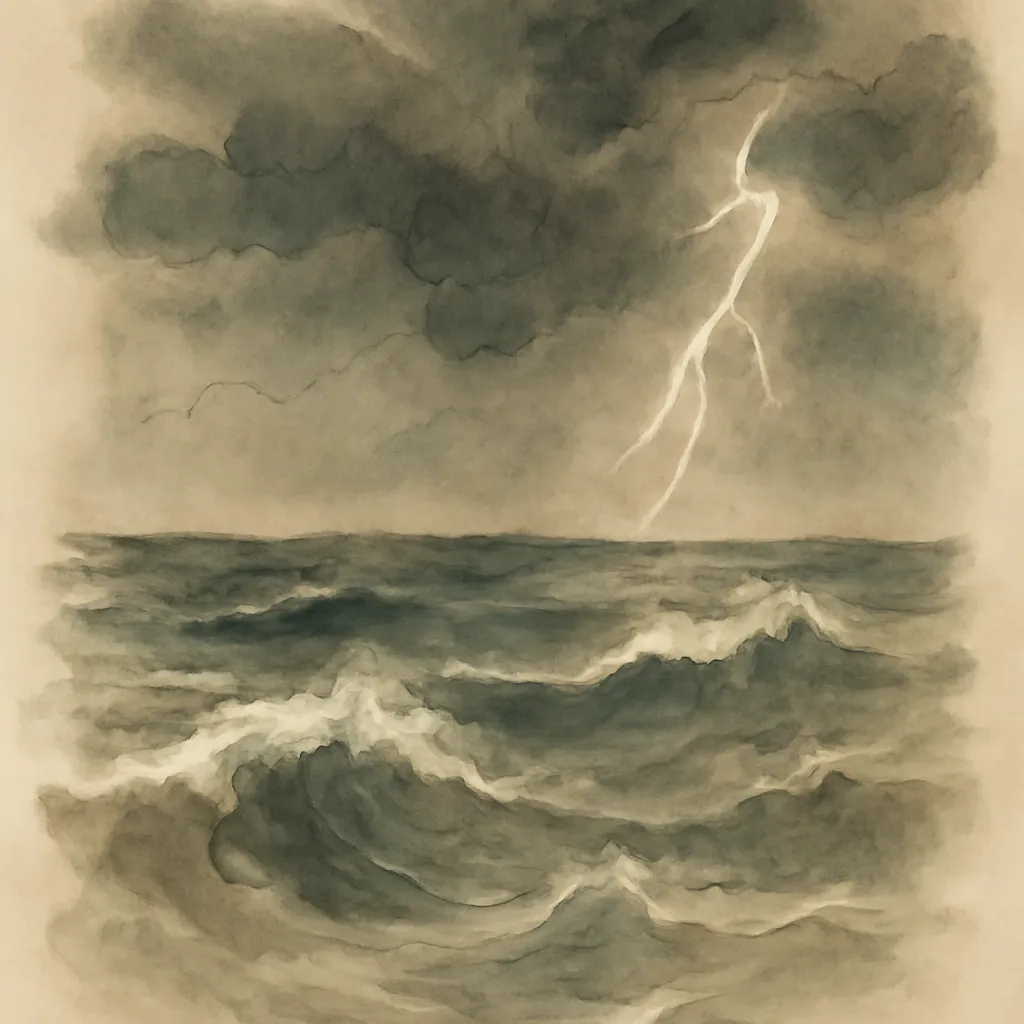
As the story progresses, the looming threat of war becomes increasingly palpable, serving as a backdrop to the personal struggles of the characters. The tension between nations, coupled with the espionage plot, foreshadows the larger conflicts that will shape Europe’s future. This impending storm not only affects the characters' immediate circumstances but also serves as a reminder of the historical forces at play. Childers effectively intertwines personal narratives with broader societal issues, illustrating how individual lives are often swept up in the currents of history. The sense of an approaching storm heightens the stakes, making their adventure not just a personal quest but a reflection of the tumultuous era in which they live. The metaphor of the coming storm symbolizes the inevitability of change and the consequences of inaction in the face of rising threats. Through the protagonists’ journey, Childers prompts readers to consider the fragility of peace and the importance of vigilance in safeguarding it.
10.The Resolution and Reflection

The conclusion of the narrative prompts readers to reflect on the journey undertaken by Carruthers and Davies. Their experiences serve as a microcosm of the larger struggles faced by individuals in times of crisis. The resolution of their adventure, while satisfying, leaves lingering questions about the nature of heroism and the sacrifices made in the name of duty. Carruthers’s transformation from a passive observer to an active participant in a significant historical moment underscores the potential for personal growth through adversity. The final reflections on their journey invite readers to consider their own roles in the face of societal challenges, emphasizing the importance of courage, integrity, and the pursuit of truth. Childers leaves readers with a sense of both closure and contemplation, reflecting the complexities of life amidst political upheaval. Ultimately, the novel serves as a reminder that every individual has a part to play in shaping their destinies, even as they navigate the turbulent waters of history.