

A thrilling exploration of espionage and maritime adventure unfolds as two friends embark on a perilous journey across the Frisian Islands
Read full overviewShow less›
Set against the backdrop of early 20th-century Europe, 'The Riddle of the Sands' weaves a tale of adventure, intrigue, and the looming specter of war. The narrative follows the protagonist, Carruthers, as he joins his friend Davies on a yachting trip that soon reveals a web of political espionage and national danger. As they navigate the treacherous waters of the North Sea, Carruthers's initial motives of escape from a mundane life evolve into a gripping quest for truth and justice. This story not only captivates with its nautical escapades but also serves as a poignant reflection on friendship, duty, and the geopolitical tensions of the time. Readers will find themselves immersed in a world where the stakes are high, and every decision could mean the difference between safety and catastrophe.
In 'The Riddle of the Sands', Erskine Childers crafts a rich tapestry of adventure, friendship, and the complexities of human relationships set against a backdrop of political tension. The story's exploration of espionage and the moral dilemmas faced by its characters resonates deeply, prompting readers to reflect on their own values and responsibilities in times of uncertainty. Through Carruthers and Davies's journey, Childers highlights the importance of courage, integrity, and the pursuit of truth, reminding us that even in the face of danger, the bonds of friendship can illuminate the path forward. This timeless tale serves as a powerful reminder of the interplay between personal choices and the larger currents of history, making it a relevant read for contemporary audiences.
Ratings at a glance
- 1The Allure of Adventure
- 2The Complexity of Friendship
- 3Navigating Political Tensions
- 4The Mystery of the Sands
- 5The Role of Seafaring Skills
Notable quotes
“I didn’t get at much that night. It was all so sudden.”
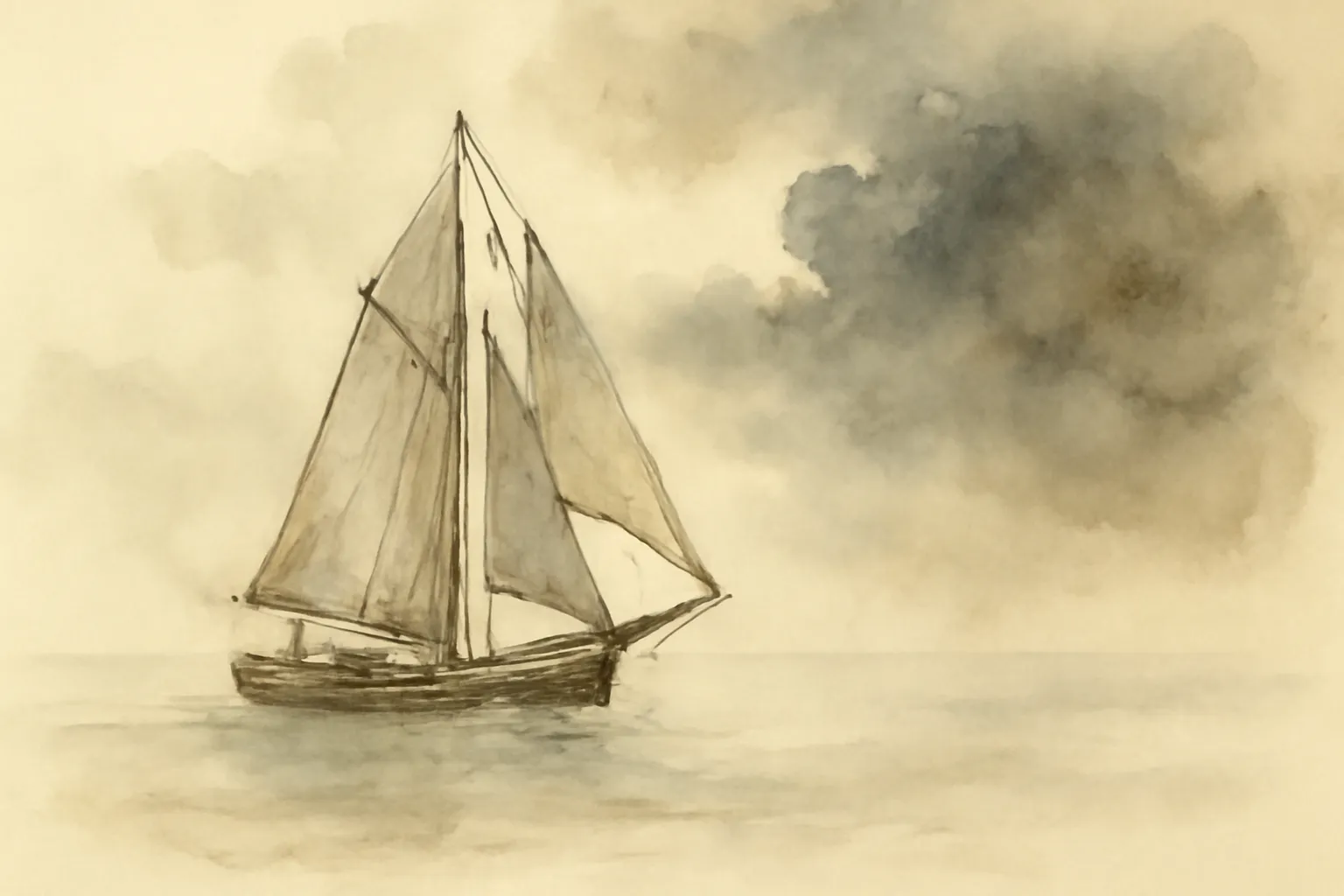
A glimpse inside

Carruthers's journey begins with a sense of ennui and a longing for adventure. Feeling isolated in London, he decides to join Davies on a yachting trip, which initially s… Read moreCarruthers's journey begins with a sense of ennui and a longing for adventure. Feeling isolated in London, he decides to join Davies on a yachting trip, which initially seems like a mere escape from his mundane existence. However, this choice marks the beginning of a transformative experience. The allure of the sea, with its promise of freedom and discovery, serves as a catalyst for Carruthers’s character development. As they set sail, the excitement of navigating uncharted waters becomes intertwined with the challenges they face, highlighting how adventure can awaken dormant desires and reshape one's perspective on life. Carruthers’s initial reluctance is gradually replaced by a growing enthusiasm for the unknown, illustrating how immersing oneself in a new experience can lead to self-discovery and personal growth. The sea becomes a character itself, representing both opportunity and danger, pushing Carruthers beyond his comfort zone. Show less
The relationship between Carruthers and Davies is central to the narrative, showcasing the nuances of friendship under strain. Read moreThe relationship between Carruthers and Davies is central to the narrative, showcasing the nuances of friendship under strain. Initially, Carruthers views Davies as a companion in his quest for adventure; however, as the plot unfolds, their dynamic shifts. Davies's deeper knowledge of the sea and his secretive nature create tension and intrigue. Carruthers’s admiration for his friend grows, yet he grapples with feelings of inadequacy and uncertainty. This complexity illustrates how friendship can be both a source of strength and vulnerability, particularly when faced with external pressures and moral dilemmas. Their bond is tested not just by the challenges of sailing but also by the ethical implications of their discoveries. As Carruthers learns more about Davies's motivations and the dangers they face, he finds himself weighing loyalty against the potential consequences of inaction. Ultimately, their friendship evolves from a simple camaraderie to a deeper partnership forged in the fires of adversity, emphasizing the transformative power of shared experiences. Show less
Read the full text — free
About the author
Read Erskine Childers's work free on Lumina — the complete text plus an 8-minute summary and key ideas, no account needed