1.The Council of the Gods: A Reflection on Morality
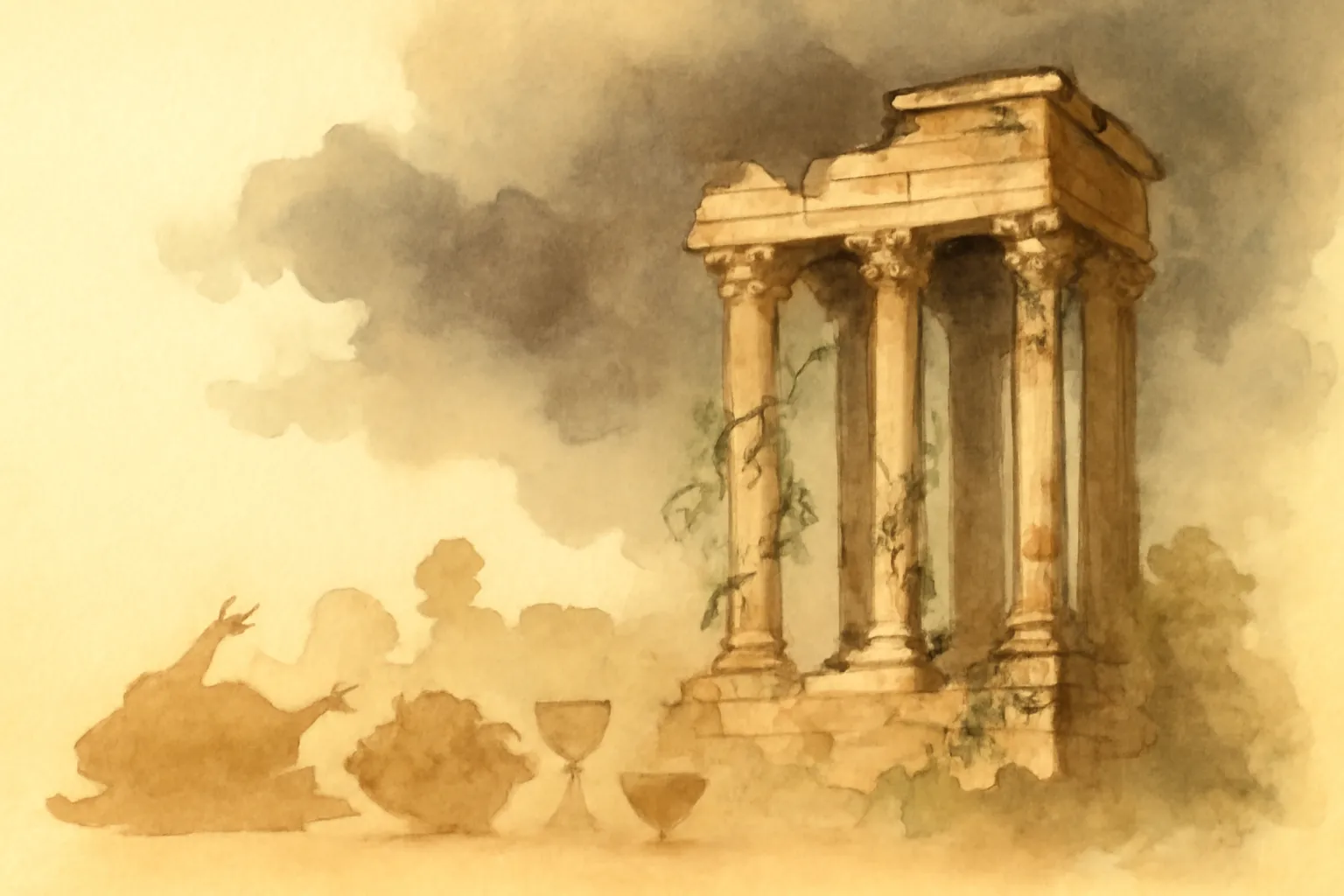
In the opening satire, the poets draw a parallel between a council of gods deliberating the fate of Rome and the moral crises faced by its citizens. This divine assembly, reminiscent of Homer's Odyssey, showcases Jupiter's absence as a metaphor for the neglect of true moral guidance. The council's discussion reveals that the greatest threats to Rome are not external enemies but rather the internal decay brought on by greed and corruption. The gods conclude that drastic measures, including the elimination of certain individuals, are necessary to salvage the state. This satirical framework underscores the absurdity of relying on divine intervention when the root of the problem lies within the hearts of individuals, prompting readers to consider their own complicity in societal decay. The satire serves as a sharp reminder that societal renewal must begin with individual moral reckoning and action.
2.Luxury and Its Destructive Power

Juvenal and Persius vividly depict luxury as a corrosive force that undermines the very fabric of Roman society. They illustrate how the pursuit of opulence leads to moral degradation and societal collapse. The poets argue that luxury breeds vice, encouraging avarice and indulgence while eroding virtues such as frugality and integrity. Through sardonic examples, they highlight the absurdity of excess, such as the extravagant feasts consumed by the elite while the common people suffer. The image of gluttony is juxtaposed with the plight of the poor, creating a stark contrast that emphasizes the moral bankruptcy of those who indulge without concern for others. This critique resonates with modern audiences, as it prompts a reflection on contemporary consumerism and the ways in which it may compromise moral values and social responsibility. The poets call for a return to simplicity and virtue, positioning luxury as a primary adversary in the quest for a just society.
3.The Hypocrisy of Philosophical Pretense
A recurring theme in the satires is the critique of hollow philosophical posturing that fails to translate into genuine moral action. The poets mock those who engage in superficial philosophical debates while neglecting the practical implications of their teachings. They argue that such pretentiousness fosters a culture of indifference, where individuals become more concerned with appearing virtuous than actually embodying virtue. The rhetoric of the philosophers is dissected, revealing its emptiness and the disconnect between theory and practice. This satirical lens encourages readers to examine their own beliefs and actions, challenging them to align their philosophies with authentic behavior rather than mere rhetoric. The poets' disdain for this hypocrisy serves as a call to genuine moral engagement, urging individuals to act upon their beliefs rather than merely discussing them in abstract terms.
4.The Fragility of Friendship in a Corrupt Society

Juvenal's exploration of friendship reveals the fragility of human connections in a world rife with greed and ambition. He emphasizes how avarice can poison relationships, leading to betrayal and disillusionment. The poets depict friendships that crumble under the weight of selfish desires, illustrating that true loyalty is often sacrificed for personal gain. The sentiments expressed in the satires reflect a deep-seated cynicism about the nature of human relationships, suggesting that friendship is conditional and often transactional. This poignant commentary resonates with the human experience, as it highlights the delicate balance between self-interest and altruism. Through their reflections on the nature of friendship, the poets urge readers to cultivate genuine connections based on trust and mutual respect, rather than transactional relationships driven by ulterior motives. They advocate for loyalty as a virtue that must be nurtured rather than exploited.
5.The Role of Women: A Complex Reflection
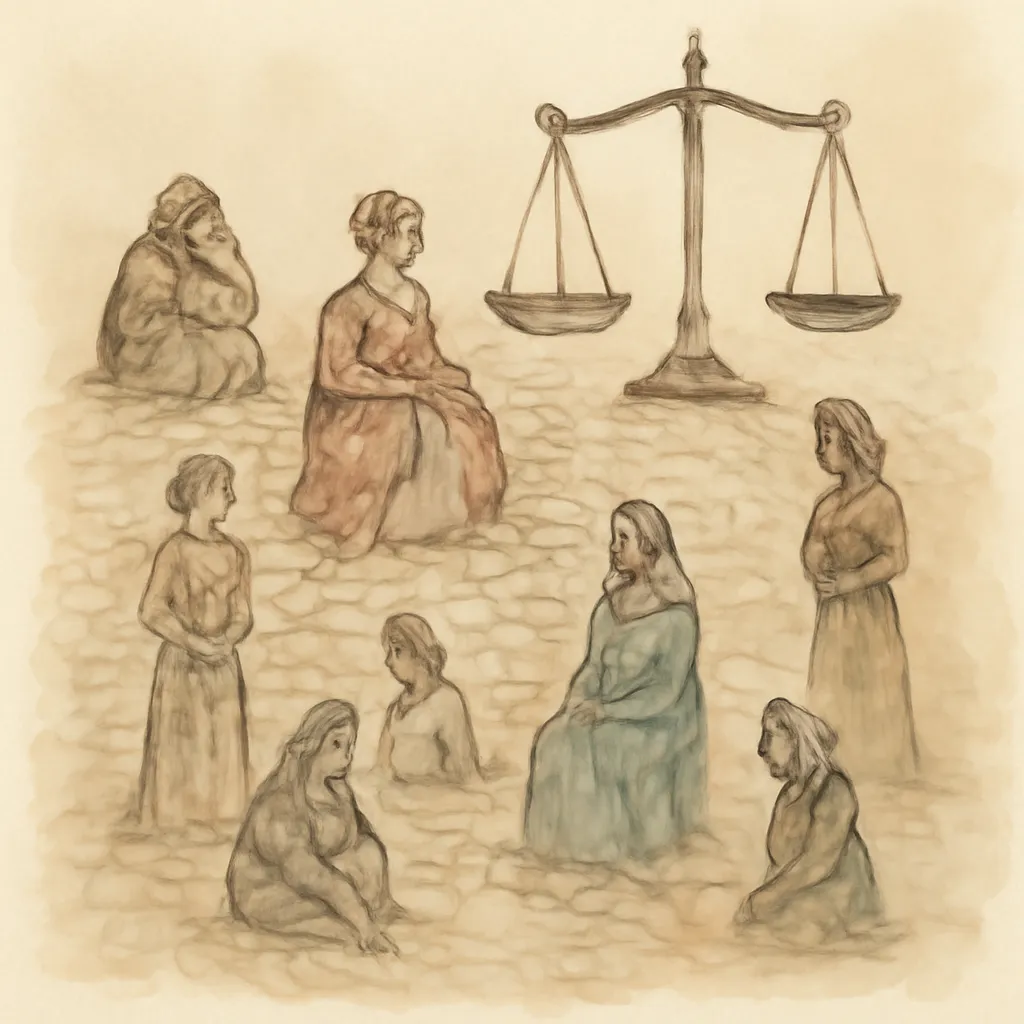
The treatment of women in the satires provides a complex lens through which to examine societal values and gender dynamics. The poets critique both the objectification of women and the societal expectations placed upon them. They depict women as both victims and perpetrators within the moral landscape of Rome, illustrating the contradictions and challenges they face. The portrayal of female characters often oscillates between empowerment and victimization, emphasizing how societal norms restrict women's agency while simultaneously granting them power through manipulation. By addressing issues such as infidelity and societal pressures, the poets challenge readers to consider the nuanced roles women play in shaping moral discourse. This commentary invites reflection on contemporary gender issues, urging a reevaluation of how societal norms continue to impact women's lives and agency. The poets call for an understanding of women as multifaceted individuals whose experiences are shaped by both societal expectations and personal choices.
6.Avarice: The Root of All Evils
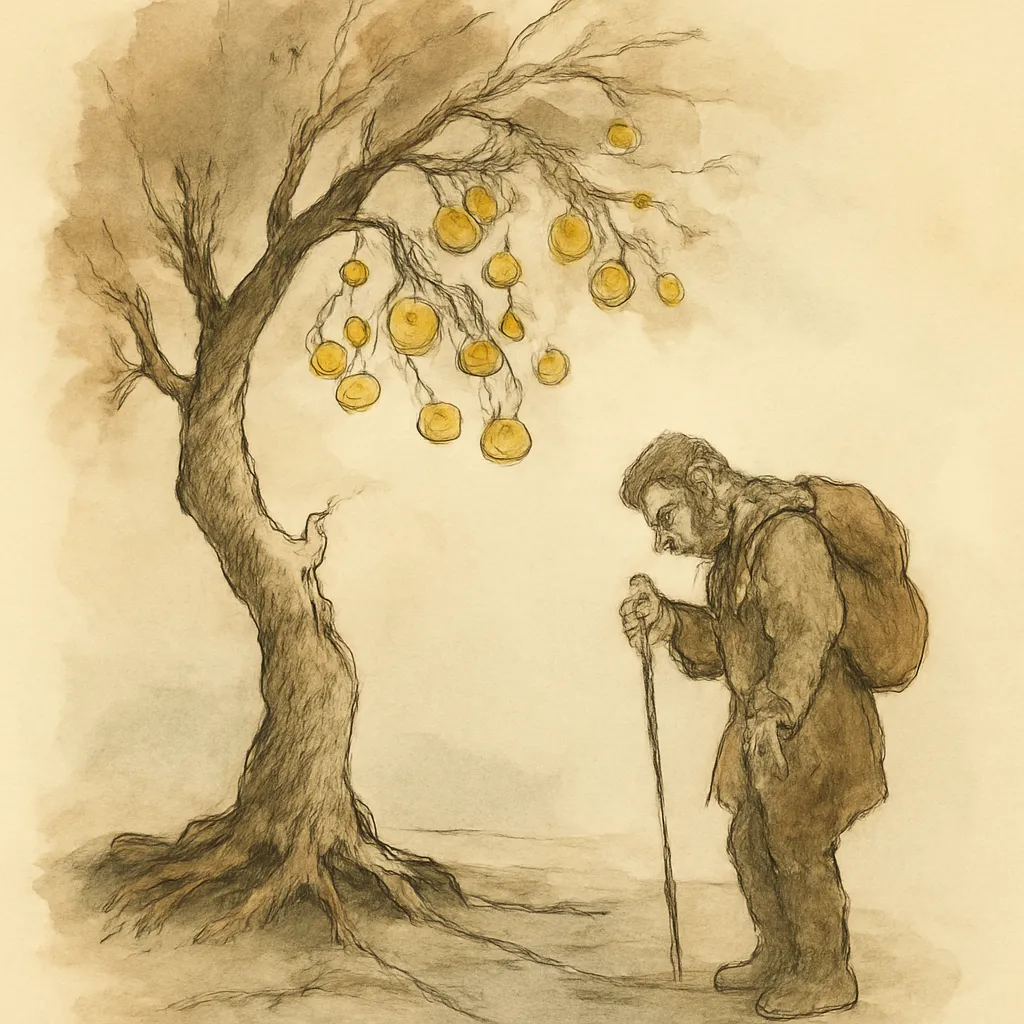
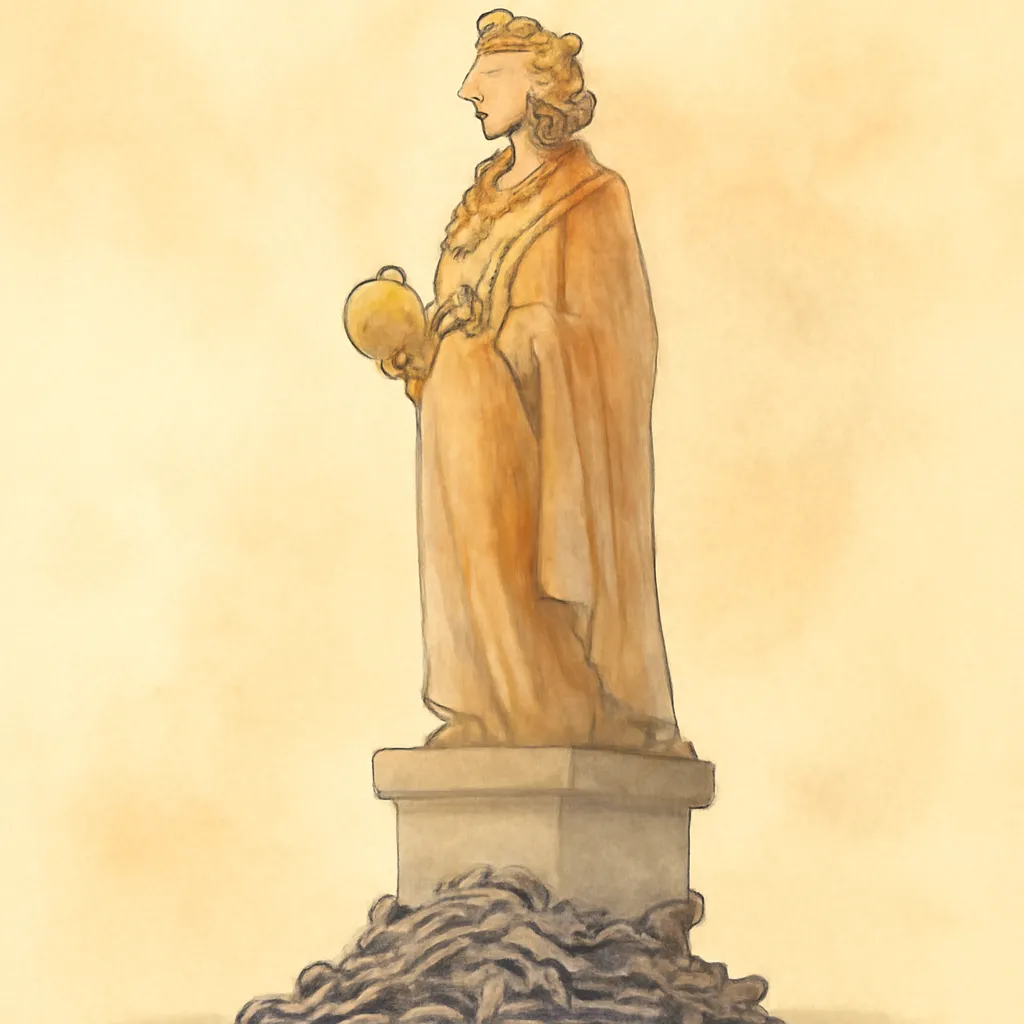
Avarice emerges as a central theme in the satires, portrayed as the root cause of societal decay and personal misery. The poets vividly illustrate how the insatiable desire for wealth corrupts individuals, leading to a cycle of greed and moral compromise. They depict avarice as a force that blinds individuals to the suffering of others, fostering a society where compassion is overshadowed by self-interest. The poets employ stark imagery to convey the destructive nature of greed, showing how it leads to betrayal, dishonesty, and the erosion of social bonds. This critique resonates deeply, as it invites readers to confront their own relationship with wealth and materialism. By exposing the destructive nature of avarice, the poets challenge audiences to prioritize ethical considerations over financial gain, fostering a more compassionate and just society. The poets advocate for a rejection of greed in favor of a more equitable distribution of resources and a commitment to the common good.
7.The Absurdity of Social Status
Juvenal and Persius tackle the absurdity of social hierarchies, exposing the folly of valuing individuals based on their status rather than their character. They highlight the superficiality of societal norms that prioritize wealth and power over virtue and integrity. The poets critique the absurd lengths to which individuals will go to maintain their status, revealing the emptiness of such pursuits. Through biting satire, they illustrate how the pursuit of status often leads individuals to compromise their morals, engaging in deceitful behaviors to maintain their positions. This commentary serves as a powerful reminder of the dangers of valuing people based on external attributes rather than their true worth. The poets' critique encourages readers to challenge societal norms and advocate for a more equitable understanding of human value, urging a shift away from superficial measures of worth towards deeper evaluations of character and integrity.
8.The Power of Laughter: A Tool for Reflection
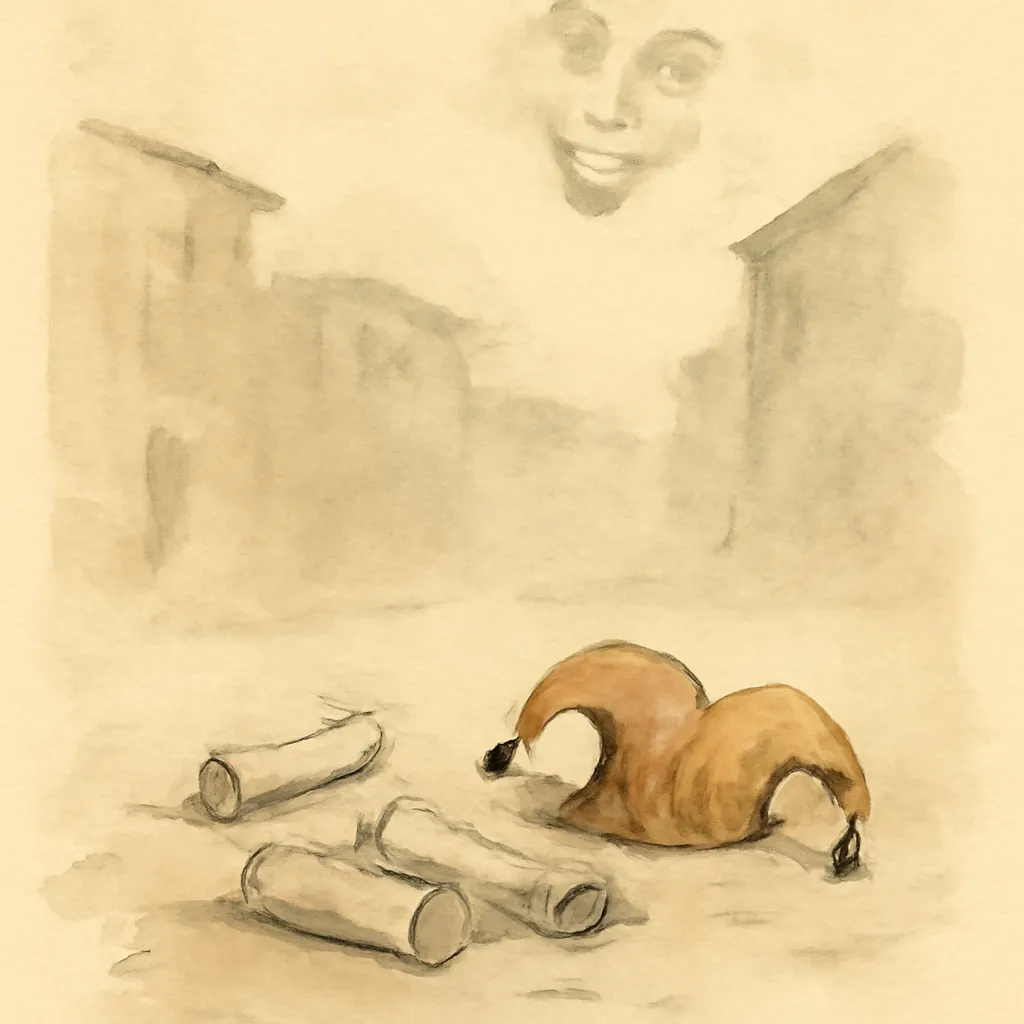
The poets employ humor as a powerful tool for social critique, using laughter to provoke reflection on serious moral issues. Their wit disarms readers, enabling them to confront uncomfortable truths about themselves and their society. By presenting serious themes through a comedic lens, the poets invite audiences to engage with their messages in a manner that is both entertaining and thought-provoking. This technique underscores the importance of humor as a catalyst for change, suggesting that laughter can inspire critical thinking and foster dialogue about moral dilemmas. The ability to laugh at one's own flaws, as demonstrated by the poets, becomes a means of promoting self-awareness and societal improvement. By encouraging readers to find humor in their own shortcomings, the poets create a space for introspection that can ultimately lead to personal and social transformation.
9.Moral Complacency: A Call to Action
A pervasive sense of moral complacency emerges as a central concern in the satires, with the poets urging readers to confront their own complicity in societal decay. They depict a culture that has become desensitized to vice, illustrating how individuals often turn a blind eye to the moral failures of those around them. Through their incisive commentary, the poets challenge audiences to take responsibility for their actions and advocate for ethical behavior. This call to action resonates strongly, as it emphasizes the need for active engagement in moral discourse and the importance of challenging societal norms that perpetuate vice. The poets' insistence on accountability serves as a reminder that change begins with individual commitment to ethical principles, urging readers to actively participate in shaping a more virtuous society.
10.The Legacy of Roman Satire: Timeless Lessons
The enduring legacy of Roman satire is evident in its ability to transcend time and place, offering valuable lessons that remain relevant today. Juvenal and Persius craft a rich tapestry of social commentary that continues to resonate with contemporary audiences, addressing universal themes of morality, human nature, and societal values. Their insights into the complexities of human behavior and the challenges of ethical living provide a framework for understanding the moral dilemmas faced by individuals in any era. As readers engage with the satires, they are invited to reflect on their own lives and the values they uphold, fostering a deeper appreciation for the timeless nature of these works. The poets' exploration of the human condition serves as a reminder that the struggles against vice and moral decay are ongoing, urging us to remain vigilant and committed to ethical living.