1.Complex Structure and Fragmentation
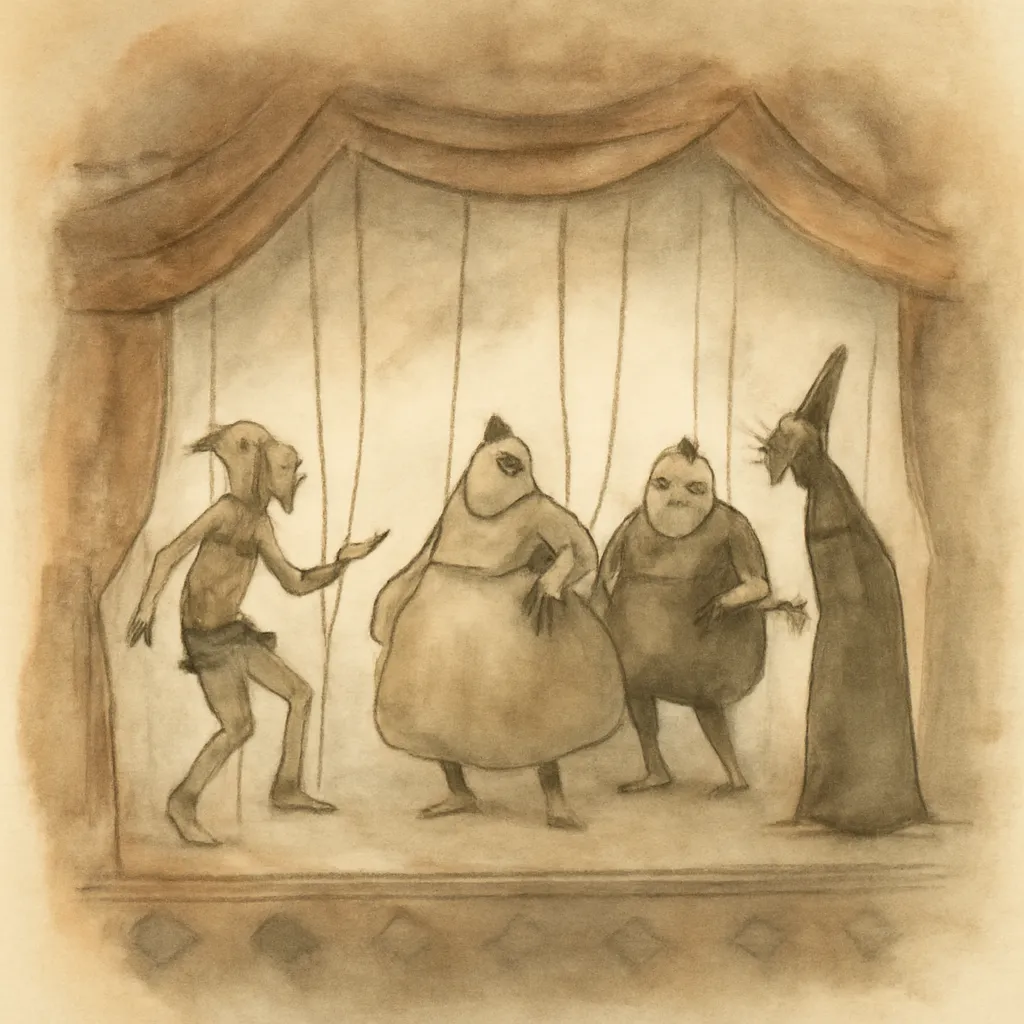
The Satyricon is not a linear narrative but a collection of interconnected episodes, with the most celebrated being the Dinner of Trimalchio. Scholars have divided the text into three parts: the adventures of Encolpius and his companions, the digression on Trimalchio’s lavish banquet, and the continuation of Encolpius's journey. This fragmented structure reflects the chaotic nature of the society Petronius critiques, mirroring the disarray of Roman life during the decline of the empire. The text's division into books suggests that it was once more extensive, possibly rivaling contemporary novels in length. The narrative's transformation over time, with the incorporation of forgeries and alterations, further adds to its complexity and invites readers to engage critically with the text. This disjointedness allows for a rich exploration of themes, as each episode serves to highlight different aspects of Roman culture and human behavior, from hedonism to the absurdity of social pretensions.
2.Petronius: The Arbiter of Elegance
Caius Petronius, known as the Arbiter Elegantiarum, was a prominent figure at the court of Nero, and his literary prowess is evident in the Satyricon. His identity as a member of the elite class provides a unique perspective on the very society he critiques. Petronius's writing is characterized by a keen psychological insight into his characters, showcasing their motivations and flaws with a masterful blend of cynicism and humor. He uses his platform not just to entertain but to expose the superficiality and moral corruption of the aristocracy. Petronius embodies the role of an observer who, while participating in the decadence, also critiques it, making his work a profound commentary on the nature of art, society, and human folly. His ability to navigate the intricacies of social dynamics and portray them with clarity makes the Satyricon a significant work in both literary and historical contexts.
3.The Dinner of Trimalchio: A Microcosm of Roman Society
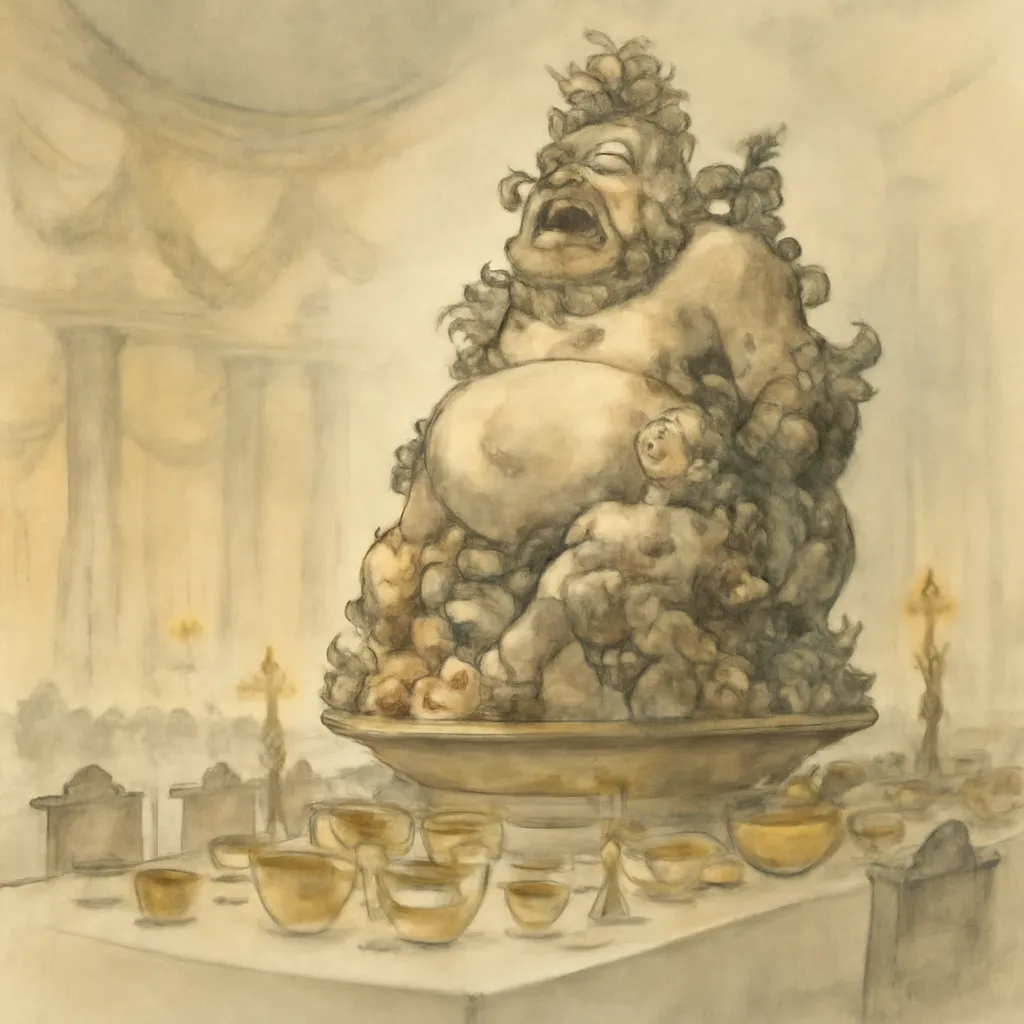
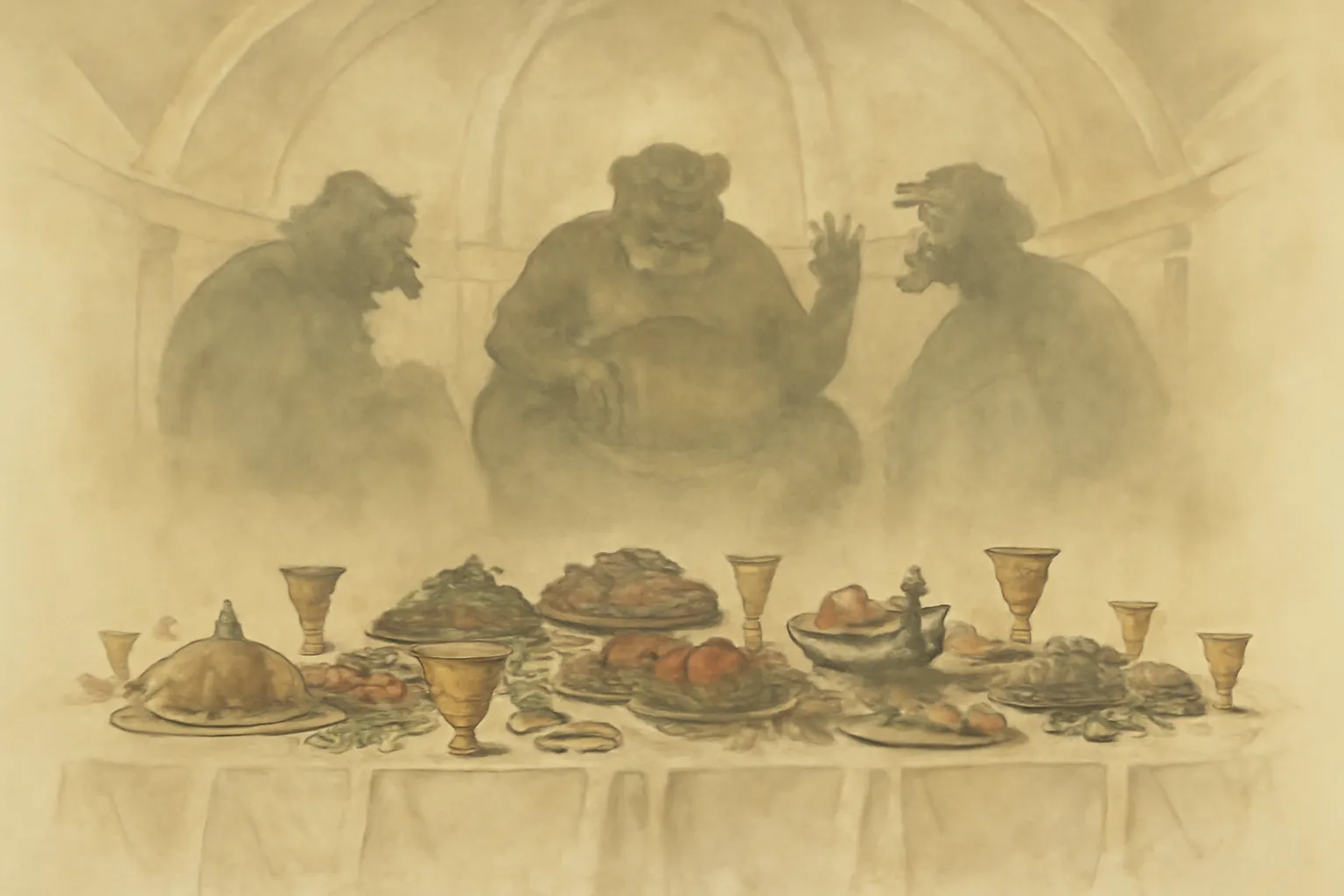
The Dinner of Trimalchio is one of the most celebrated sections of the Satyricon, offering a grotesque yet humorous portrayal of a wealthy freedman’s extravagant feast. Trimalchio, a former slave turned wealthy patron, epitomizes the social climbing and ostentation prevalent in Roman society. His dinner is characterized by excess, absurdity, and a complete lack of self-awareness, showcasing the lengths to which individuals will go to display their wealth and status. The episode serves as a satire of the nouveau riche and their attempts to mimic the cultural practices of the true aristocracy. Petronius's rich descriptions of the food, entertainment, and Trimalchio's grandiosity, such as the lavish spread of dishes and the absurd entertainment, critique not just the individual but the entire social structure that values wealth over virtue and authenticity. Through the farcical interactions at the banquet, the reader is invited to reflect on the nature of social status and the emptiness that often accompanies it.
4.Realism and the Portrayal of Character
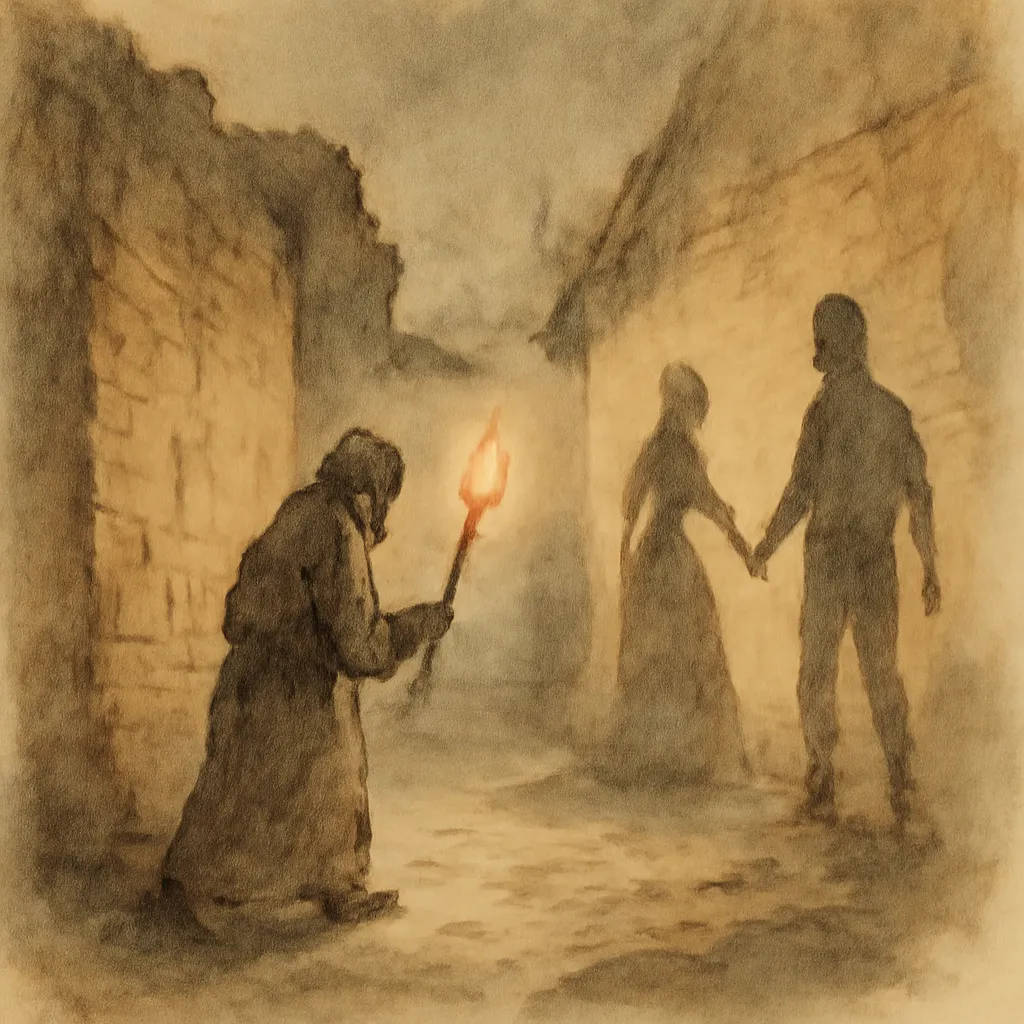
Petronius employs a form of realism that vividly captures the characters and their environment, emphasizing the grotesque aspects of human nature. His attention to detail—whether in the descriptions of the lavish banquet or the interactions between characters—serves to highlight the absurdities of their situations. This realism is not merely about depicting life accurately; it is about revealing the deeper truths of human behavior, particularly in the context of a morally bankrupt society. By focusing on the minutiae of daily life and the excesses of the elite, Petronius crafts a narrative that resonates with modern readers, showcasing timeless themes of ambition, greed, and folly. His characters, from the cunning Encolpius to the foolish Trimalchio, embody the spectrum of human experience, making them relatable and timeless. For example, Encolpius's struggles with desire and identity reflect the internal conflicts that many face, transcending the specific historical context of the narrative.
5.Themes of Love, Desire, and Power
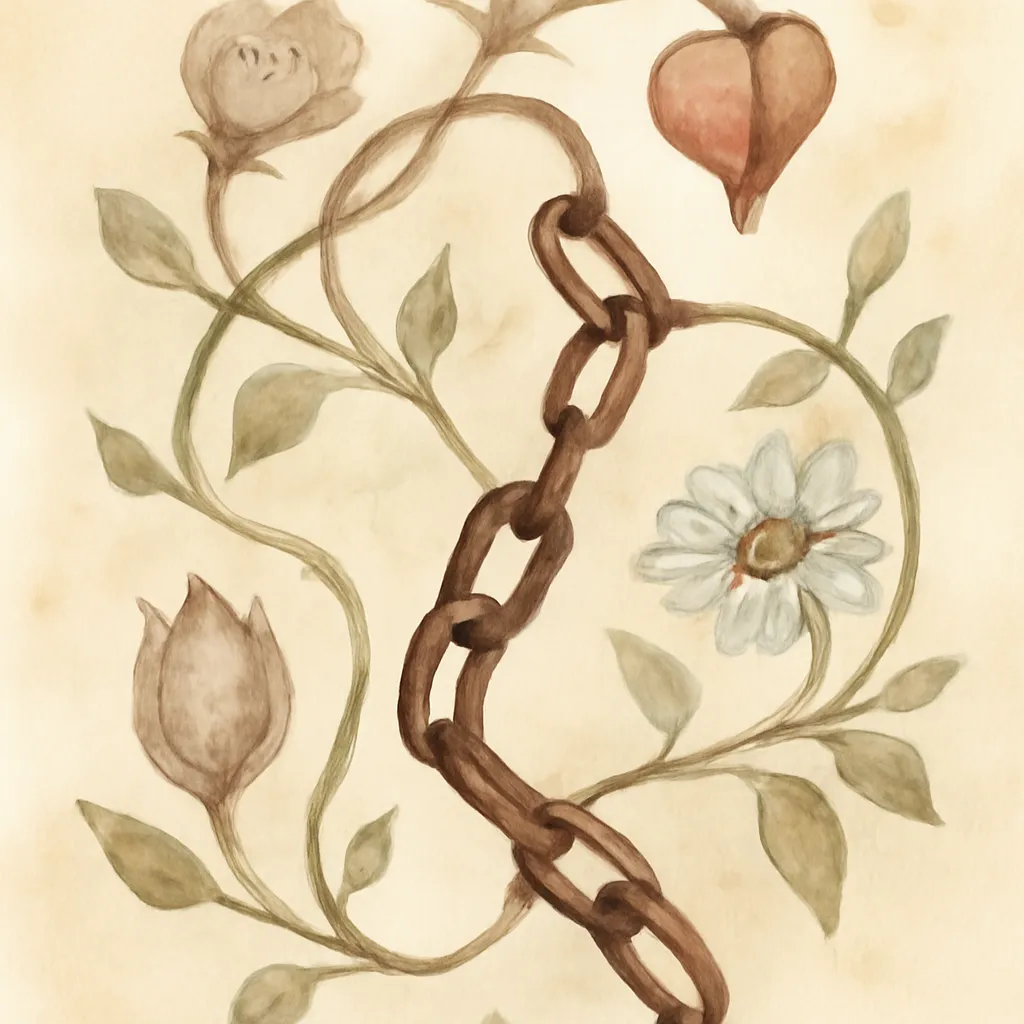
Love and desire are central themes in the Satyricon, often intertwined with power dynamics and the pursuit of pleasure. Petronius explores various forms of love—romantic, platonic, and even exploitative—highlighting the complexities of human relationships. The interactions between Encolpius, Giton, and other characters reveal the often transactional nature of love in their society, where desire is frequently commodified. This examination of love is not just about physical attraction but also about the emotional and social implications of these relationships. For instance, the relationship between Encolpius and Giton showcases the fluidity of desire and the ways in which love can be entangled with manipulation and power. Petronius's portrayal of desire as a driving force in human behavior underscores the interplay between personal ambition and social status, reflecting the broader themes of power and corruption in Roman life. Such explorations invite readers to consider the moral implications of their desires and the societal structures that shape them.
6.Satire as a Tool for Social Critique
The Satyricon is a rich tapestry of satire, using humor and exaggeration to critique the moral failings of Roman society. Petronius's sharp wit allows him to expose the absurdities of social norms, particularly those surrounding wealth, status, and decadence. By presenting characters who are both comical and tragic, he invites readers to reflect on the consequences of their actions and the values they uphold. This use of satire serves not only to entertain but also to provoke thought about the state of society and the human condition. For example, Trimalchio’s self-indulgent behavior and lack of sophistication serve as a critique of the superficial values of his peers. Petronius's ability to blend humor with poignant social commentary makes the Satyricon a significant literary work that continues to resonate with contemporary audiences, prompting reflections on the absurdities of modern life.
7.The Role of Forgery and Literary Manipulation
The history of the Satyricon is marked by forgeries and textual alterations, reflecting the challenges of preserving ancient literature. The discovery of fragments and manuscripts has led to debates about the authenticity of the text and the intentions behind its various iterations. Petronius's work, given its provocative content, attracted the attention of forgers eager to capitalize on its themes and popularity. The interpolations made by later scribes further complicate the reader's understanding of the original narrative. This manipulation highlights the tensions between art and authenticity, as well as the ways in which literature can be shaped by societal and historical forces. Understanding the textual history of the Satyricon enriches the reader’s appreciation of Petronius's original intentions and the enduring impact of his work on the literary canon. The ongoing scholarly debates about authenticity prompt readers to engage critically with the text and consider how history influences our understanding of literature.
8.The Absurdity of Social Climbing
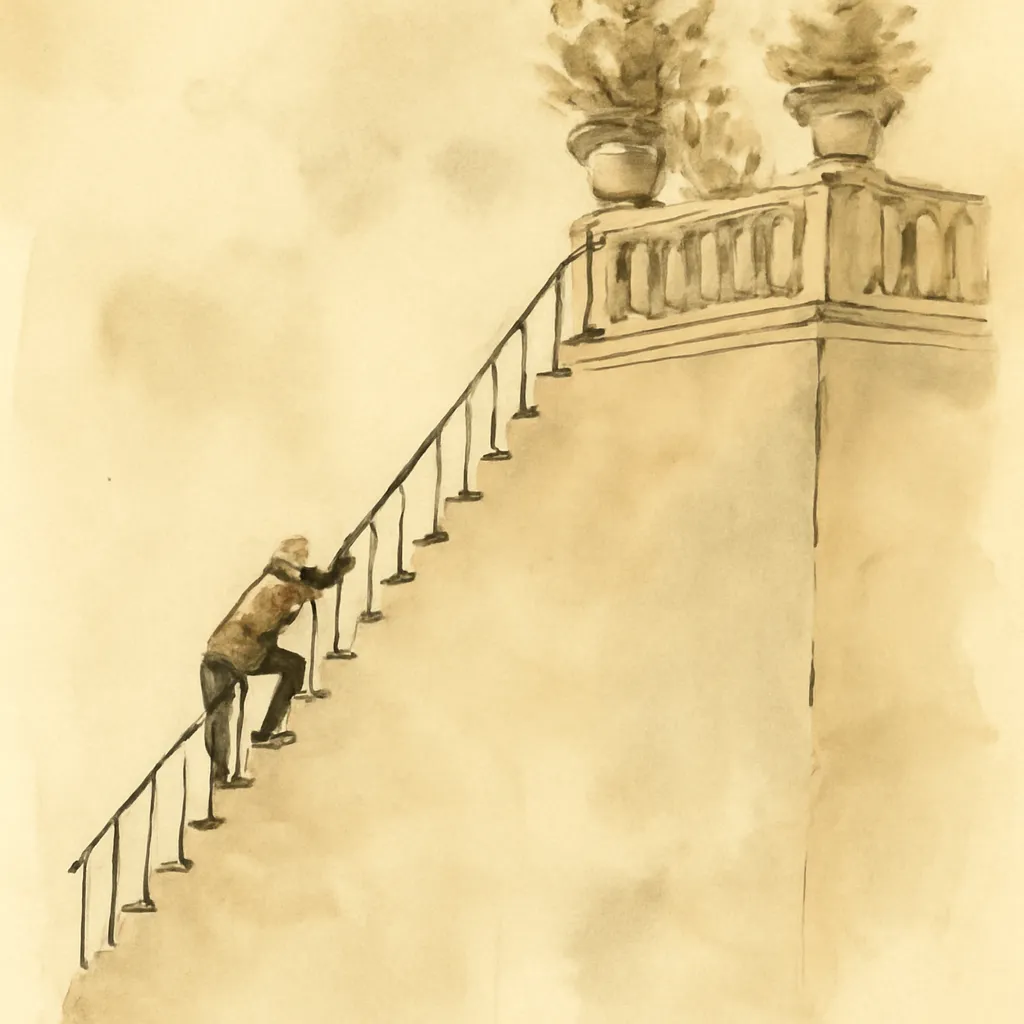
The Satyricon vividly illustrates the absurd lengths to which individuals will go to climb the social ladder, often at the expense of their dignity and integrity. Characters like Trimalchio represent the archetype of the self-made man who, despite his wealth, lacks the cultural sophistication of the true elite. Petronius uses these characters to critique the values of a society that rewards wealth over wisdom and authenticity. The absurdity of their behaviors, from ostentatious displays of wealth to ridiculous attempts at sophistication, serves as a mirror to the societal norms that prioritize status over substance. For instance, Trimalchio’s extravagant feasts and his preoccupation with appearance reveal the hollowness of his achievements. This theme resonates with modern audiences, as it reflects contemporary concerns about materialism and the superficiality of social status, prompting a critical examination of what it means to be truly successful.
9.Sexuality and Gender Dynamics
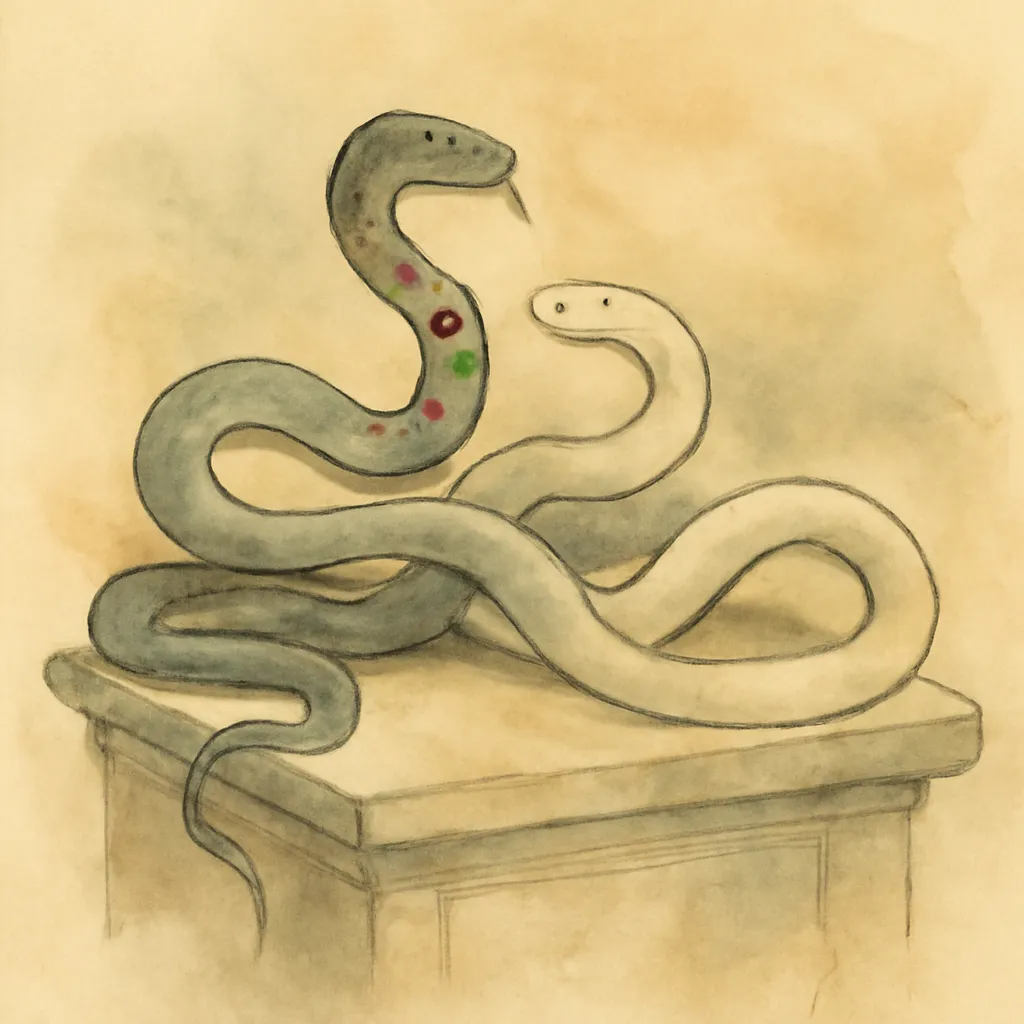
Petronius's exploration of sexuality in the Satyricon reveals the complexities of gender dynamics and power relations in Roman society. The text does not shy away from depicting various sexual encounters, including homoerotic relationships, which were prevalent in the culture. Through characters like Giton and Encolpius, Petronius examines the fluidity of desire and the ways in which societal norms dictate sexual behavior. The portrayal of women and courtesans also underscores the power imbalances inherent in these relationships, as women are often depicted as objects of desire rather than autonomous individuals. For example, the character of Quartilla exemplifies the duality of power and vulnerability in sexual relationships, showcasing the intricate balancing act between desire and exploitation. This examination of sexuality serves to critique the rigid gender roles and expectations of the time, making the Satyricon a progressive work that challenges contemporary notions of love and desire.