1.The Power of the Scarlet Letter

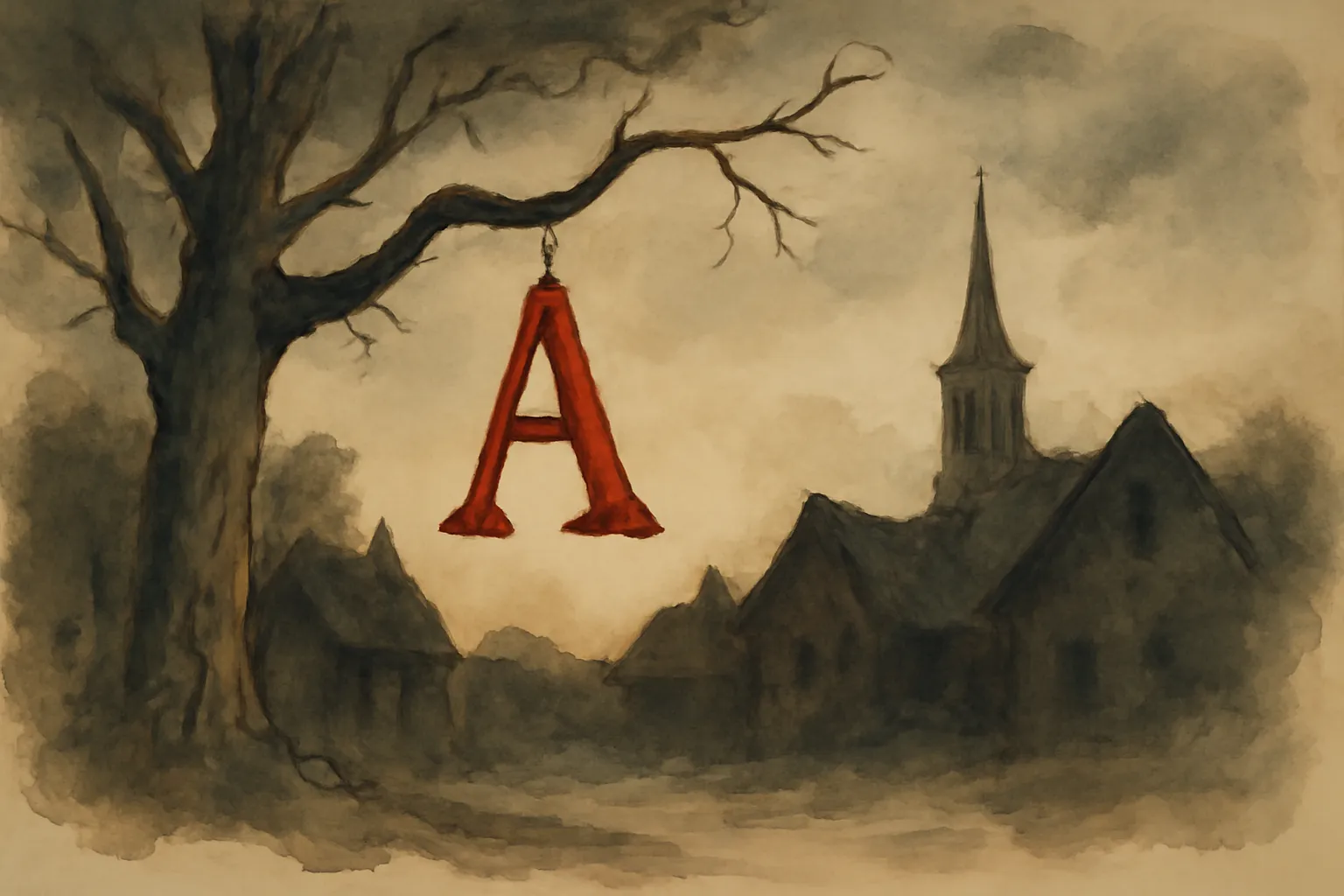
The scarlet letter 'A' that Hester Prynne is forced to wear serves as a powerful symbol throughout the narrative. It represents not only her sin of adultery but also the societal judgment that accompanies it. Initially, the letter is a mark of shame, branding her as an outcast in the eyes of the Puritan community. However, as the story unfolds, the letter evolves into a complex symbol of identity and resilience. Hester transforms her punishment into a source of strength, using the letter to carve out a new identity that defies societal expectations. She embroiders it beautifully, turning a symbol of shame into one of artistry, which challenges the community's perception of her. This duality of the letter highlights the tension between personal truth and public perception, demonstrating how one’s identity can be shaped by external forces. Ultimately, the letter becomes a mark of Hester’s individuality and defiance against a society that seeks to confine her.
2.The Role of Sin and Guilt

Sin is a central theme in 'The Scarlet Letter,' and Hawthorne delves deeply into the psychological ramifications of guilt. Hester Prynne openly acknowledges her sin, accepting her punishment and the scorn of society. Conversely, her lover, Reverend Arthur Dimmesdale, grapples with his concealed guilt, which festers within him and ultimately leads to his physical and mental deterioration. This disparity illustrates the different ways individuals cope with sin and its consequences. Dimmesdale’s internal conflict manifests in sleepless nights and self-inflicted pain, showcasing how unacknowledged guilt can consume a person from within. As he stands before his congregation, he preaches about sin and redemption, all while hiding his own shameful secret. In contrast, Hester's acceptance of her sin allows her to reclaim her identity and find a sense of peace, albeit in a life marked by societal disdain. Hawthorne suggests that the path to redemption is shaped not by avoidance but by a willingness to confront personal flaws and societal judgment.
3.Puritan Society and Its Hypocrisy

Hawthorne paints a stark picture of Puritan society, characterized by strict moral codes and a harsh legal system. The community's reaction to Hester's sin exposes the hypocrisy of a society that professes to uphold virtue while simultaneously punishing those who falter. The townspeople's eagerness to condemn Hester contrasts sharply with their own hidden transgressions. Dimmesdale, who is revered as a moral leader, is himself guilty of the very sin he denounces. The Puritanical emphasis on public morality often leads to a lack of compassion and understanding, resulting in a culture of shame rather than forgiveness. For instance, the community seeks to erase Hester's existence through ostracization, yet their own lives are rife with unacknowledged sins. Hawthorne critiques this societal structure, suggesting that the rigid moralism of the Puritans ultimately stifles genuine human connection and compassion. The novel urges readers to question the validity of a morality based solely on fear and judgment.
4.Hester Prynne: A Complex Protagonist

Hester Prynne emerges as a deeply complex character, embodying strength, resilience, and defiance in the face of societal condemnation. Her initial shame transforms into a quiet dignity as she navigates life as a single mother ostracized by her community. Hester's craftsmanship in embroidery becomes a metaphor for her ability to create beauty from her suffering, as she pours her emotions into her work. Each piece she creates reflects her inner turmoil, yet also highlights her talent and individuality. Her relationship with her daughter, Pearl, adds another layer to her character, as Hester's love for Pearl is intertwined with feelings of guilt and shame. This maternal bond becomes a source of strength and purpose for Hester, challenging the notion that her sin has rendered her entirely unworthy. Through Hester, Hawthorne explores themes of femininity, identity, and the struggle for autonomy, ultimately presenting her as a figure of resilience rather than mere shame.
5.Arthur Dimmesdale: The Tormented Soul
Reverend Arthur Dimmesdale serves as a foil to Hester, representing the consequences of hidden sin and the burden of guilt. His internal conflict and deteriorating health illustrate the toll that unconfessed sin can take on an individual. Unlike Hester, who publicly bears the mark of her sin, Dimmesdale's secretive nature leads him into a spiral of self-loathing and despair. His public persona as a revered minister contrasts sharply with his private anguish, highlighting the theme of duality in human nature. For much of the novel, he is unable to escape the prison of his conscience, becoming increasingly ill as his guilt manifests physically. When he finally decides to confess on the scaffold, it represents a climactic moment of liberation, yet it comes at the cost of his life. Through Dimmesdale, Hawthorne examines the complexities of morality and the heavy price of hypocrisy, suggesting that true redemption requires honesty, even if it is too late.
6.Roger Chillingworth: The Vengeful Figure
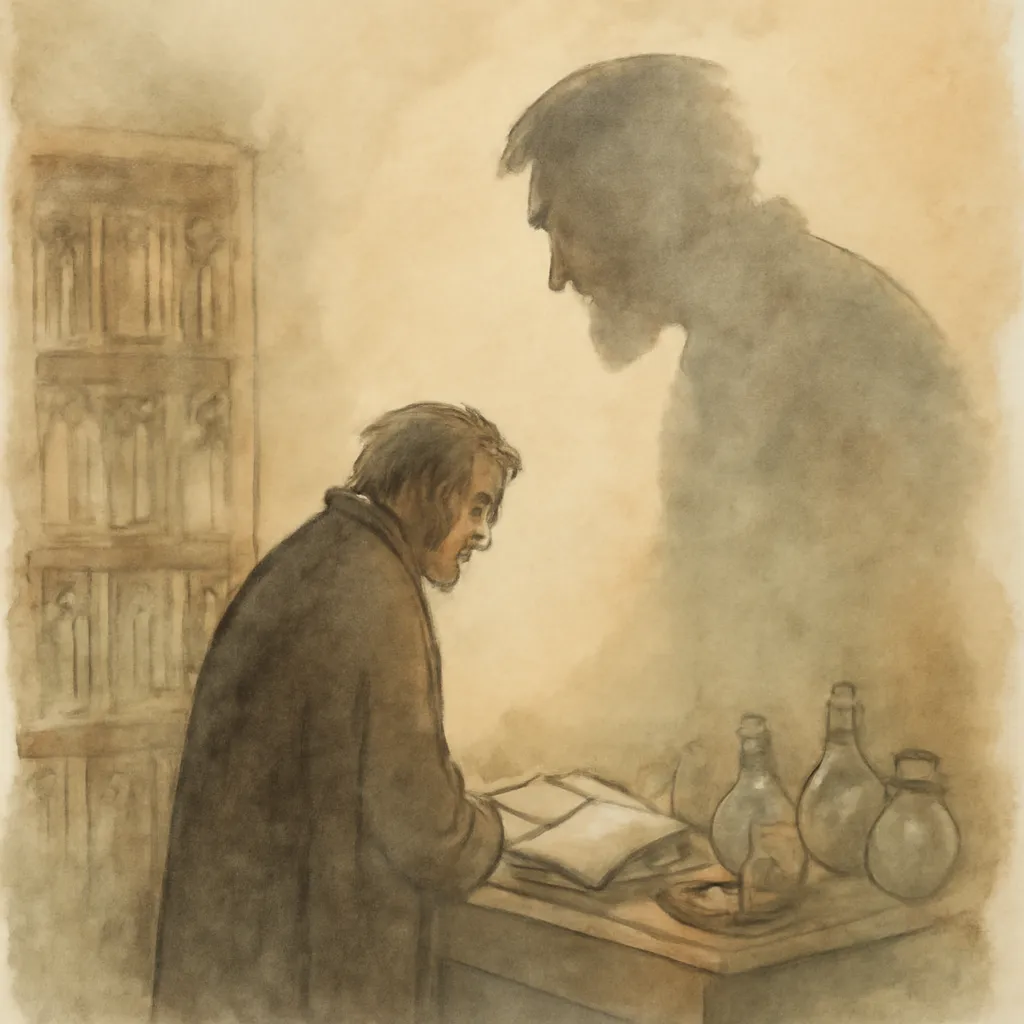
Roger Chillingworth, Hester’s estranged husband, embodies the theme of vengeance and the destructive power of obsession. His character serves as a representation of the dark side of human nature, particularly in how he responds to betrayal. Chillingworth's transformation from a once-kind scholar into a vengeful figure reflects the corrosive nature of his jealousy and desire for retribution. Upon discovering Hester's affair, he resolves to discover and punish her lover, which leads to his own moral decay. His relentless pursuit of Dimmesdale not only destroys the minister but also damns Chillingworth himself, as he becomes consumed by his obsession. The physician's character serves as a cautionary tale about the dangers of allowing one’s identity to be defined by bitterness, showcasing how vengeance can consume a person entirely. Hawthorne uses Chillingworth to explore the consequences of a life devoid of love and compassion.
7.The Significance of Pearl

Pearl, the daughter of Hester Prynne, is more than just a child; she serves as a living symbol of her mother’s sin and the complexities of identity. From her birth, Pearl is portrayed as an 'elf-child,' possessing an otherworldly quality that sets her apart from the Puritan community. Her wild spirit and refusal to conform to societal norms reflect Hester's own struggles against the constraints imposed upon her. Pearl's existence challenges the community's rigid definitions of morality, as she embodies both the consequences of Hester's sin and the potential for redemption. Despite being labeled as a product of sin, Pearl exhibits a strong moral compass and an innate understanding of the world that often confounds the adults around her. Hester’s relationship with her daughter is fraught with tension, as Hester grapples with the implications of her sin on Pearl’s future. Through Pearl, Hawthorne explores themes of innocence, freedom, and the impact of societal judgment on the next generation, ultimately suggesting that love and acceptance can transcend societal norms.
8.Nature as a Reflection of Emotion

Hawthorne utilizes nature throughout 'The Scarlet Letter' to mirror the emotional states of the characters and the themes of the narrative. The forest, in particular, symbolizes a space of freedom and escape from the repressive society of Puritan Boston. It is in the forest that Hester and Dimmesdale find a moment of solace, away from the judgmental eyes of the townspeople. This sanctuary allows them to express their true emotions and contemplate their lives without the weight of shame. Conversely, the prison symbolizes punishment and societal constraints, reflecting the harsh realities faced by Hester. This interplay between nature and emotion underscores the characters' internal struggles and highlights the tension between societal expectations and personal desires. Hawthorne’s vivid descriptions of the natural world serve to evoke the characters' emotional landscapes, reinforcing the novel's themes of sin, guilt, and redemption. By contrasting the beauty of nature with the ugliness of human judgment, Hawthorne deepens the reader's understanding of the characters' emotional turmoil.
9.The Role of Public vs. Private Identity

The tension between public and private identity is a central theme in 'The Scarlet Letter,' particularly through the characters of Hester and Dimmesdale. Hester’s scarlet letter marks her public shame, yet she develops a strong sense of self that defies societal expectations. In contrast, Dimmesdale’s hidden guilt leads to a fractured identity, as he struggles to reconcile his public persona as a moral leader with his private shame. This dichotomy raises questions about the nature of identity and the impact of societal judgment on personal authenticity. While Hester learns to navigate her life with the letter as a part of her identity, Dimmesdale’s inability to confess his sin leads to his gradual self-destruction. The novel suggests that public identity can often be at odds with private reality, with damaging consequences for individuals. Hawthorne's exploration of this theme encourages readers to reflect on the complexities of identity and the importance of authenticity in a judgmental world.
10.Redemption and Forgiveness

Redemption and forgiveness are key themes in 'The Scarlet Letter,' as characters grapple with the consequences of their actions and the possibility of atonement. Hester's journey reflects a gradual movement towards self-acceptance and forgiveness, both from herself and from society. Her willingness to help others, despite her own shame, illustrates the transformative power of compassion. Dimmesdale's eventual confession represents a moment of redemption, allowing him to be freed from the burden of his guilt, but it is a bittersweet release that comes too late for him. However, the path to forgiveness is fraught with challenges, as seen in Chillingworth’s refusal to forgive and his descent into vengeance. The novel emphasizes that while the road to redemption is complex and often painful, it is ultimately a necessary journey for healing and reconciliation. Hawthorne’s portrayal of these themes encourages readers to consider the importance of forgiveness in their own lives, both for themselves and others.