1.The Catalyst of Adventure
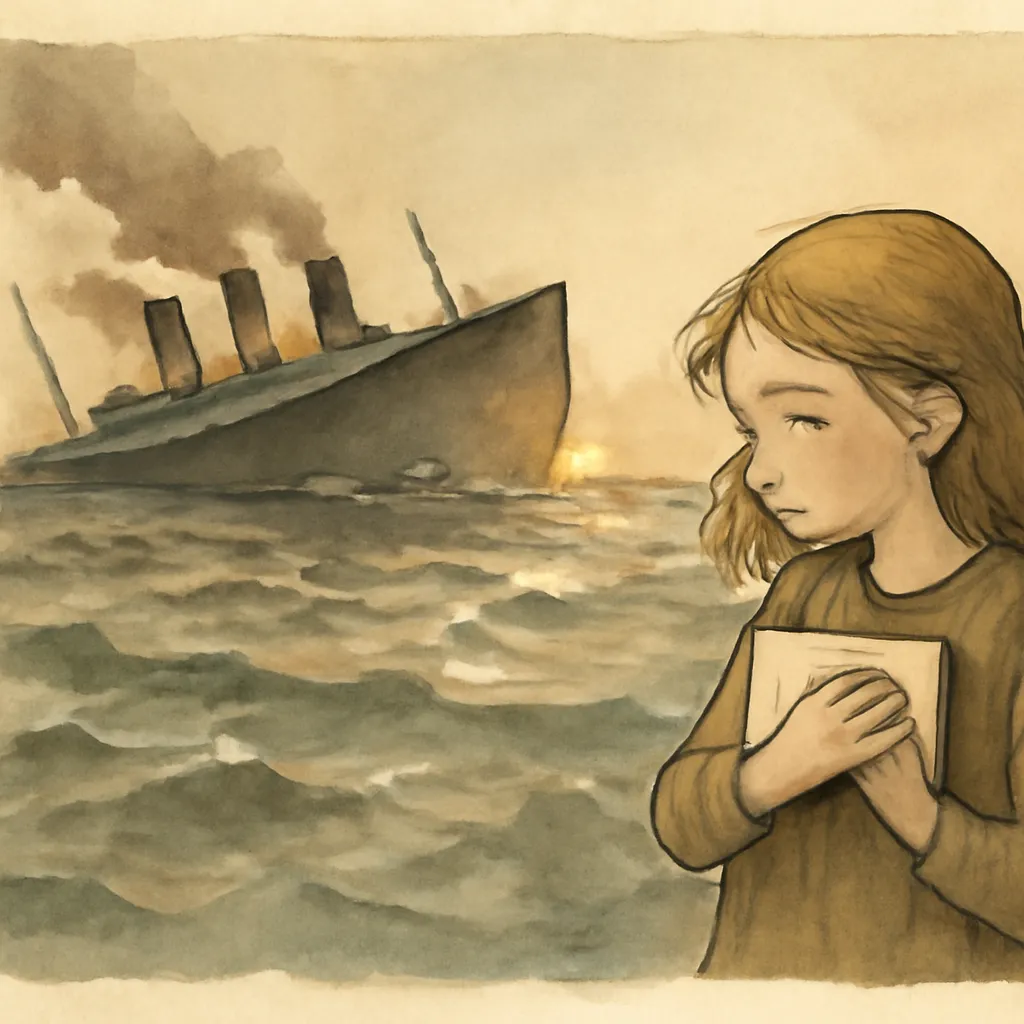
The story begins on the sinking Lusitania, where a young girl is entrusted with vital papers that could change the course of the war. This moment serves as the inciting incident, igniting the spark of adventure for Tommy and Tuppence as they seek to uncover the mysteries surrounding these documents. The urgency of the sinking ship symbolizes the dangers inherent in espionage, suggesting that life and death decisions are often made in the heat of the moment. The girl’s interaction with the mysterious man introduces an element of suspense, hinting at the network of spies and secrets that underpins the narrative. The personal stakes for the characters are underscored by the historical context, as the war creates a backdrop where every decision carries weight and consequence. This beginning encapsulates the suspense that permeates the novel, drawing readers into a narrative that is as thrilling as it is engaging.
2.The Formation of the Young Adventurers, Ltd

Tommy and Tuppence, both recently demobbed from the war, face the harsh realities of post-war life, including financial struggles. Their determination to seek adventure leads them to form 'Young Adventurers, Ltd. ,' a playful nod to their desire for excitement and profit. This entrepreneurial spirit reflects the post-war zeitgeist, where many sought new beginnings amid the chaos of their surroundings. Their banter and camaraderie highlight their contrasting personalities: Tommy's cautiousness versus Tuppence's impulsive nature. This dynamic not only fuels their interactions but also propels the narrative forward, as they embark on a quest that tests their resolve and resourcefulness. The establishment of their agency symbolizes hope and ambition, which resonates with readers navigating their own uncertain futures. The humor and light-heartedness of their venture serve as a counterbalance to the darker themes of the story, creating a compelling duality that engages the audience.
3.The Mysterious Mr. Whittington

The enigmatic Mr. Whittington introduces a new layer of intrigue to the plot when he approaches Tuppence with a proposition. His character embodies the archetype of the mysterious benefactor, shrouded in ambiguity and potential danger. Tuppence's instinctual distrust of him adds tension, illustrating the theme of deception that runs throughout the novel. Whittington's offer not only serves as a plot device to further engage the protagonists but also raises questions about trust and the motivations of individuals in times of war. As Tuppence agrees to meet him, readers are reminded of the risks inherent in espionage and the lengths to which people will go to protect their secrets. This interaction deepens the narrative's complexity, showcasing how personal relationships can be as treacherous as the political landscape. The uncertainty surrounding Whittington's true intentions maintains a sense of suspense, keeping readers on edge as they question who can truly be trusted in a world filled with spies.
4.The Quest for Jane Finn

The search for Jane Finn, a woman connected to the vital papers, becomes the central thread of the narrative. Jane symbolizes the lost and forgotten individuals caught in the turmoil of war, whose lives are often overlooked amidst grander geopolitical narratives. As Tommy and Tuppence delve deeper into their investigation, they encounter various obstacles that reveal the darker side of humanity amid the chaos. Their pursuit of Jane is not just a physical journey but also an emotional one, as it forces the protagonists to confront their own fears and motivations. The mystery surrounding her disappearance highlights themes of loyalty and the impact of war on personal lives, emphasizing that the stakes are not merely political but deeply personal. This quest also serves as a catalyst for character development, allowing both Tommy and Tuppence to evolve as they navigate the complexities of their mission, ultimately learning more about themselves and each other in the process.
5.The Role of Espionage
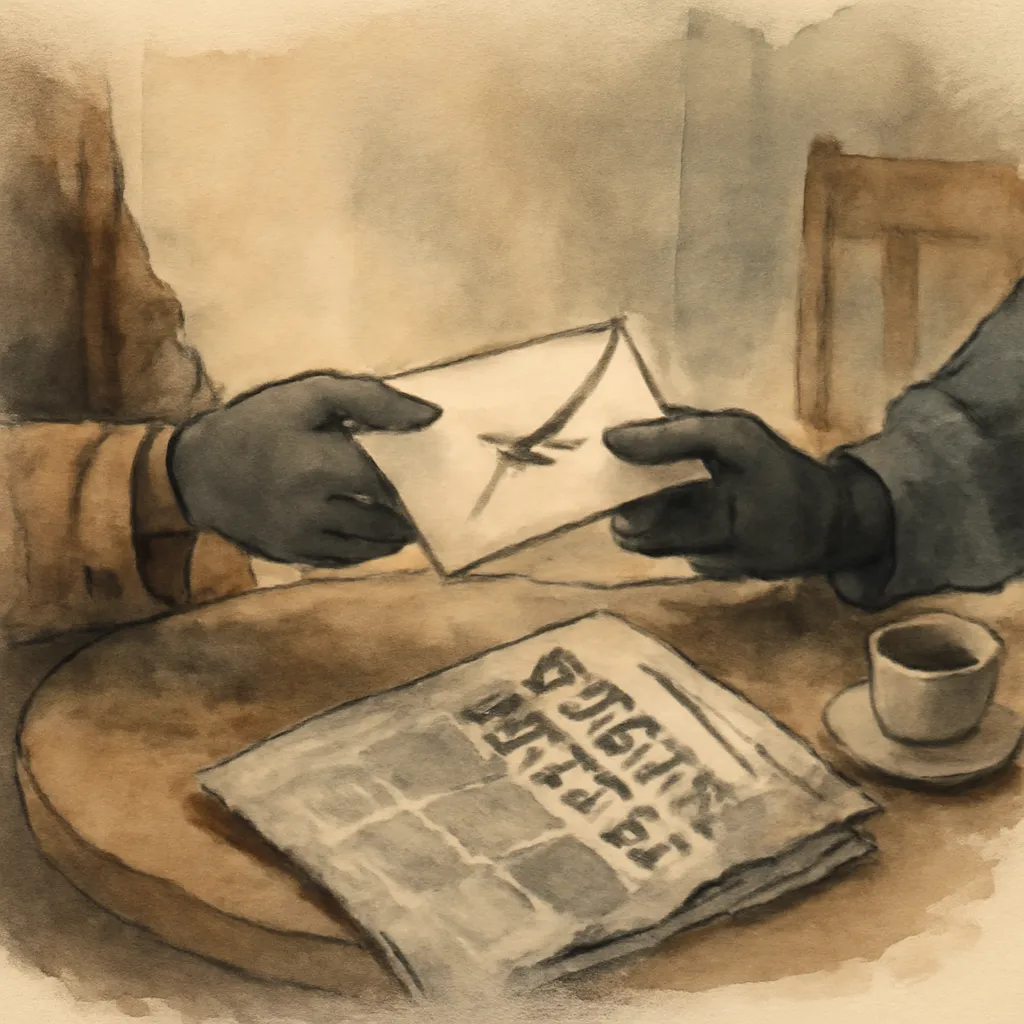
Espionage serves as a backdrop for the entire narrative, illustrating the tension and paranoia of the World War I era. Through the characters' interactions with spies and secret agents, Christie explores the moral ambiguities of espionage, where right and wrong blur in the face of national loyalty. The clandestine nature of their work forces Tommy and Tuppence to adopt various disguises and personas, showcasing their adaptability and quick thinking. This theme resonates with the historical context of the time, as the war prompted individuals to take on roles they might not have otherwise considered, often leading to ethical dilemmas. The portrayal of espionage reflects the broader societal struggles and ethical dilemmas faced during wartime, prompting readers to question the cost of loyalty and the sacrifices made in the name of duty. Christie's nuanced depiction of espionage emphasizes that agents are often caught in moral quandaries, navigating a landscape filled with deceit and betrayal.
6.The Power of Partnership
The dynamic partnership between Tommy and Tuppence is central to the narrative, illustrating the strength found in collaboration. Their contrasting personalities complement each other, with Tuppence's boldness balancing Tommy's cautiousness. This synergy not only enhances their effectiveness as adventurers but also deepens their bond, allowing them to confront challenges together. As they face danger and deception, their reliance on one another illustrates the importance of trust and camaraderie in overcoming adversity. Their partnership serves as a testament to the notion that two heads are better than one, especially in a world fraught with uncertainty. The development of their relationship throughout the story showcases how shared experiences forge deep connections, ultimately leading to personal growth. As they navigate the complexities of their mission, they learn to rely on each other's strengths, proving that unity can triumph over chaos.
7.The Impact of War on Society

Christie's portrayal of post-war society reflects the disillusionment and upheaval experienced by many after World War I. The characters navigate a world that has been irrevocably changed, grappling with loss, trauma, and the quest for purpose. The financial struggles faced by Tommy and Tuppence mirror the broader economic challenges of the time, where many returned soldiers found themselves without clear paths forward. Through their adventures, the narrative highlights the resilience of individuals and the human spirit's capacity to adapt amidst chaos. The exploration of societal impact serves as a poignant reminder of the war's lasting effects, prompting readers to consider the personal stories behind historical events. This examination of societal changes not only enriches the narrative but also provides a critical lens through which to view the consequences of conflict. Readers are left to contemplate the implications of war, not just on the battlefield but in the homes and hearts of those left behind.
8.The Unmasking of Mr. Brown

The elusive Mr. Brown emerges as the primary antagonist, representing the shadowy forces at play in the espionage world. His character embodies the unseen threats that loom over the protagonists, adding a layer of suspense as they strive to uncover his identity and motives. The gradual unmasking of Mr. Brown reveals the complexities of villainy, showcasing how individuals can be driven by ambition and desperation. This tension culminates in a race against time, as Tommy and Tuppence must outsmart their adversary to secure the vital documents. The portrayal of Mr. Brown serves as a reminder that danger often lurks beneath the surface, and that appearances can be deceiving. His character adds depth to the narrative, forcing readers to grapple with the nature of evil and the lengths to which people will go to achieve their goals. By the end of the story, Mr. Brown's reveal not only ties up the plot but also provokes reflection on the motivations that drive individuals to betray their own.
9.The Climax and Resolution

The climax of the story brings together all the threads of intrigue, adventure, and danger as Tommy and Tuppence confront Mr. Brown and his associates. The tension reaches its peak in a series of dramatic encounters that test their resourcefulness and courage. As the protagonists navigate perilous situations, the resolution underscores the themes of justice and retribution, highlighting the importance of standing up against wrongdoing. The conclusion not only ties up loose ends but also emphasizes the growth of Tommy and Tuppence as individuals and as partners. Their successful navigation of the espionage world allows them to emerge stronger, showcasing the resilience of the human spirit. This resolution serves as a satisfying conclusion to their journey, leaving readers with a sense of closure while also reflecting on the broader implications of their adventure. The ending encapsulates the triumph of good over evil, reinforcing the narrative’s themes of hope and perseverance.