1.The Reluctant Hero
Anthony Cade is introduced as a man of charm and wit, yet he appears to be an unlikely hero. Initially taking on the role of a tour guide, he is drawn into a convoluted situation involving a manuscript and political intrigue due to financial necessity. This character's evolution from a carefree tour guide to a key player in a murder investigation exemplifies the theme of unexpected heroism. Cade's interactions with various characters showcase his resourcefulness and adaptability, making him a relatable protagonist. As he finds himself inadvertently involved in a murder case, his quick thinking and ability to navigate complicated social dynamics reveal a layer of depth that transcends his initial carefree facade. His journey leads him to confront his own sense of morality, as he grapples with the impact of his choices on those around him.
2.Political Intrigue and Consequences
The novel intricately weaves political elements into the fabric of the plot, emphasizing the stakes involved. The mention of Herzoslovakia and the oil concessions serves as a backdrop for the unfolding drama, illustrating how personal ambitions and national interests collide. This political dimension adds a layer of complexity to the narrative, as it is not merely a murder mystery but a commentary on how political power can corrupt and lead to dire consequences. The characters navigate treacherous waters, revealing their willingness to manipulate others for personal gain. As the investigation unfolds, the reader sees how political intrigues have profound repercussions on personal lives, showcasing Christie’s ability to blend social commentary with entertainment. The stakes rise dramatically, leading to a thrilling exploration of how far individuals will go to protect their interests, even at the cost of human life.
3.The Role of Women in Society

Christie presents a nuanced portrayal of women through characters like Virginia Revel and Bundle. Virginia, a widow with a complicated past, embodies strength and resilience as she navigates her personal challenges while being embroiled in the murder investigation. Her interactions with Anthony reveal her intelligence and depth, challenging the conventional roles assigned to women in that era. Bundle, on the other hand, represents youthful exuberance and curiosity, often questioning societal norms and expectations. The dynamic between these two women highlights a shift in the depiction of female characters, showcasing their agency and ability to influence events. While Virginia grapples with her past, Bundle's spirited nature injects a sense of adventure, reminding readers of the changing roles of women in the early 20th century. Together, these characters challenge the status quo, representing a progressive view of women that resonates with contemporary discussions about gender dynamics.
4.Mystery as a Reflection of Identity
The theme of identity permeates the story, particularly through the character of Anthony Cade, who assumes the alias of James McGrath. This dual identity serves as a metaphor for the complexities of self-perception and societal roles. As Cade delves deeper into the mystery, he grapples with his own identity, questioning who he truly is versus the persona he presents to the world. The exploration of identity is further enriched by the various characters, each concealing their true selves behind facades. The narrative invites readers to ponder the masks people wear in their daily lives, as well as the difference between one's public and private selves. This interplay of identity and deception not only drives the plot but also encourages reflection on the nature of self and how individuals navigate societal expectations. Each character’s journey reinforces the idea that identity is fluid and often shaped by circumstances beyond one’s control.
5.The Art of Deception

Throughout the novel, deception plays a pivotal role, with characters engaging in various forms of trickery to achieve their goals. From Anthony's initial impersonation to the intricate schemes of the political players, the narrative highlights how deception can both protect and endanger. The characters' motivations for deceit often stem from desperation, ambition, or fear, illustrating the moral ambiguities that accompany their actions. Christie expertly constructs a plot where trust is fragile, and alliances shift rapidly, keeping readers on edge. The tension created by these deceptions not only drives the narrative but also invites readers to consider the consequences of dishonesty. This theme resonates deeply, as it speaks to the human condition and the lengths individuals will go to conceal their intentions. The various layers of deception reveal how appearances can be misleading and challenge the characters' relationships, leading to unexpected revelations that alter the course of the story.
6.The Importance of Setting
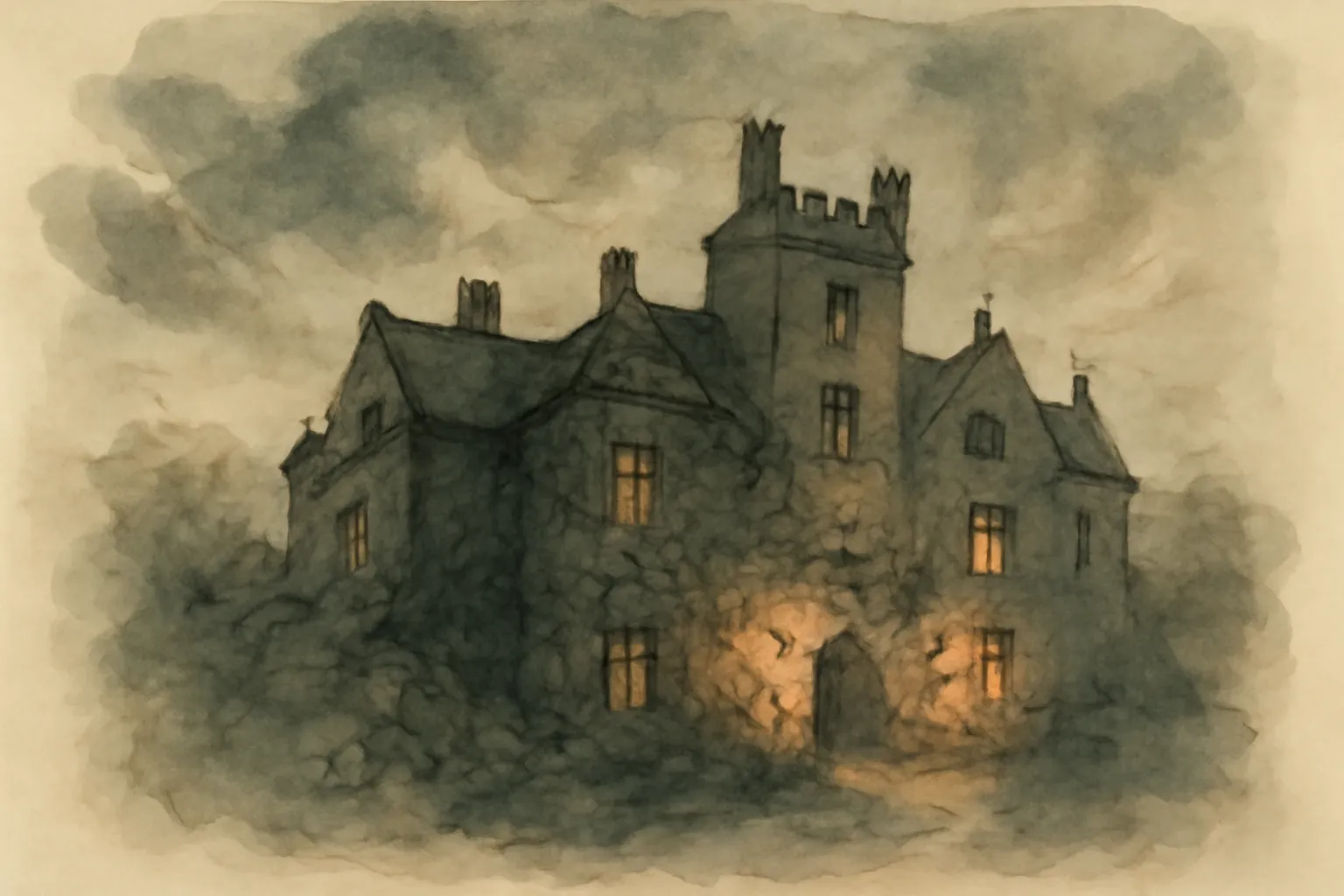
Chimneys, the titular estate, serves as more than just a backdrop; it becomes a character in its own right. The opulence and grandeur of the estate contrast sharply with the dark events that unfold within its walls, creating a tension that permeates the story. Christie vividly describes the estate's architectural beauty and its hidden passages, enhancing the atmosphere of intrigue. This setting supports the narrative's themes, reflecting the characters' internal struggles and the secrets they harbor. The estate's dual nature—both a haven and a trap—mirrors the complexities of the plot, making it an essential element of the story. As characters move through Chimneys, the physical space influences their actions and interactions, reinforcing the idea that environment shapes experience. The estate's rich history and secrets become intertwined with the characters' fates, emphasizing the significance of place in the narrative.
7.The Complexity of Human Relationships

At its core, the novel explores the intricacies of human relationships, particularly through the interactions between characters. The bonds formed and broken throughout the story illustrate the fragility of trust and the impact of betrayal. Anthony's relationships with Virginia, Bundle, and the various political figures reveal layers of complexity, as personal agendas often clash with emotional connections. The tension between loyalty and self-interest drives the narrative, showcasing how relationships can be both a source of strength and vulnerability. Christie’s keen observations on human behavior resonate with readers, prompting them to reflect on their own connections. The interplay of emotions and motivations among characters adds depth to the plot, making it not just a mystery but a profound commentary on the human experience. The relationships evolve as the characters confront their pasts and the secrets they keep, leading to moments of clarity and transformation.
8.The Unraveling of Secrets

As the plot unfolds, the gradual revelation of secrets becomes a central mechanism driving the narrative. Each character harbors hidden truths that, when exposed, alter the trajectory of the story. The tension builds as Anthony delves deeper into the mystery, uncovering layers of deception that complicate the investigation. The act of revealing secrets serves as a catalyst for character development, forcing individuals to confront their pasts and the consequences of their actions. Christie masterfully paces these revelations to ensure that each twist feels both surprising and earned, maintaining reader engagement. This theme underscores the idea that the pursuit of truth is fraught with challenges, and the act of uncovering secrets can have far-reaching implications, not only for the individuals involved but also for the broader political landscape. The unmasking of secrets ultimately drives the story towards its climax, leading to a dramatic resolution that ties together the various threads of deception and intrigue.
9.Murder as a Catalyst for Change

The murder at Chimneys serves as the catalyst that propels the characters into a series of events that challenge their beliefs and motivations. The act of violence forces individuals to confront their moral compasses, leading to moments of reckoning and transformation. As the investigation unfolds, characters are compelled to reevaluate their priorities and relationships, ultimately leading to personal growth. The murder not only serves as a plot device but also as a mirror reflecting the characters' internal conflicts. Christie’s exploration of how tragedy can inspire change resonates deeply, illustrating that even in the face of darkness, there is potential for redemption and self-discovery. The emotional aftermath of the murder impacts each character differently, highlighting their vulnerabilities and strengths. This theme emphasizes that while death brings chaos, it can also serve as a profound turning point, prompting characters to seek truth and clarity in their lives.
10.The Role of Law and Justice
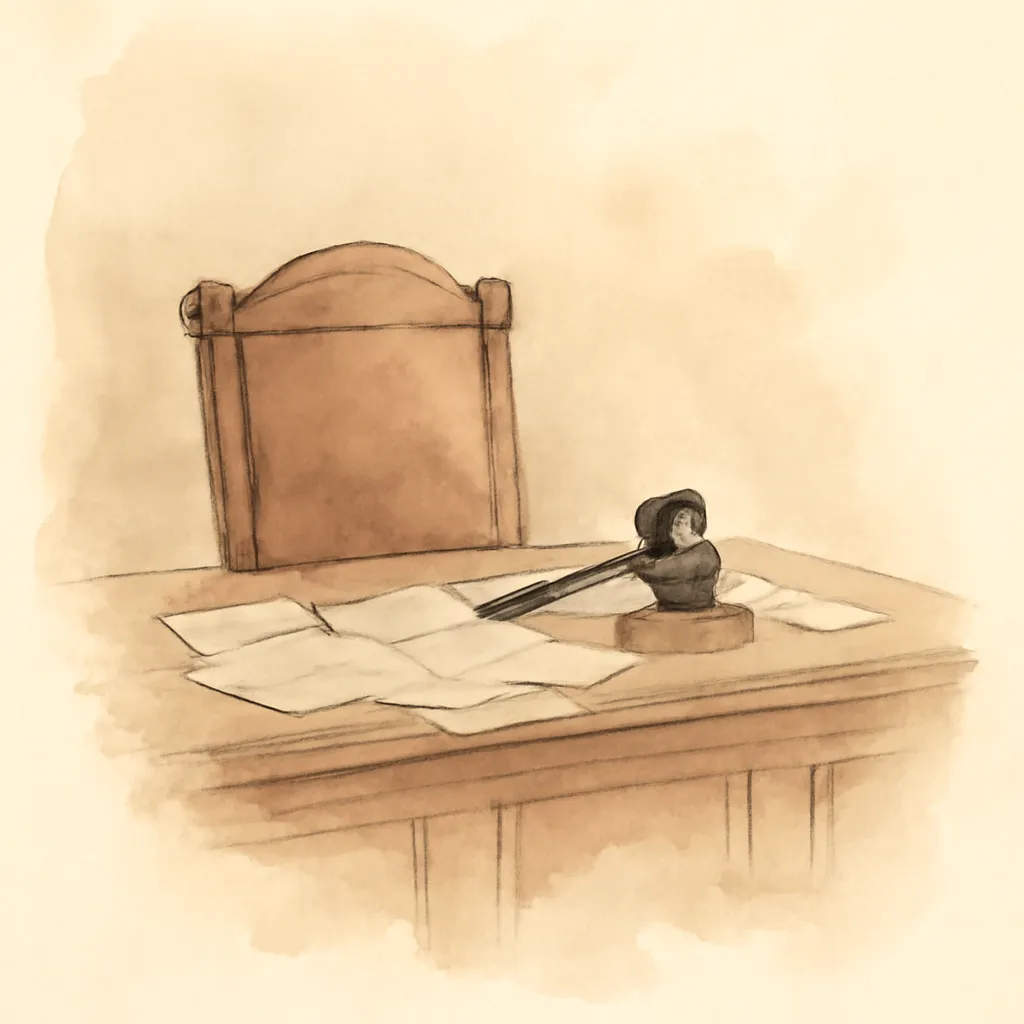
Law and justice are recurring themes throughout the narrative, with characters grappling with the implications of their actions within a legal framework. The presence of Inspector Badgworthy and his team underscores the tension between personal motives and societal expectations. As the investigation unfolds, questions arise about the nature of justice and the complexities of guilt and innocence. Christie navigates these themes with a deft touch, illustrating how the pursuit of justice can be influenced by power dynamics and personal biases. The characters' interactions with the law challenge their perceptions of right and wrong, ultimately leading to a nuanced exploration of justice that resonates with readers. The balance between personal morality and legal obligation is a central tension in the story, prompting readers to consider the broader implications of justice in society. Christie's treatment of these themes invites reflection on the moral complexities that underpin the legal system, making it a significant aspect of the story.