1.The Illusion of Peace
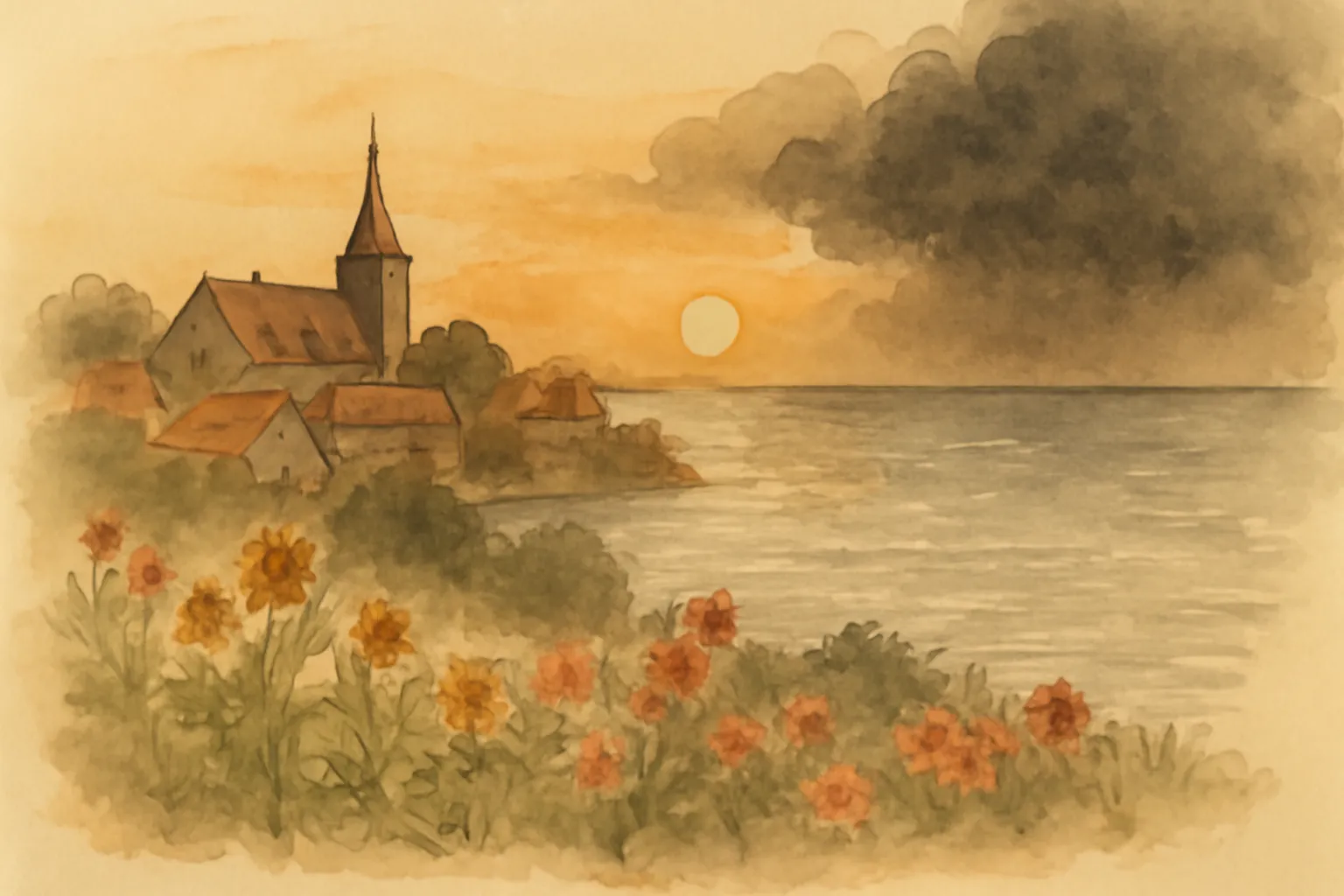
The book opens with a serene depiction of life in Neustadt, a quaint town near Kiel, where time seems to stand still under the golden sunshine. Knox vividly captures the idyllic scenes of women tending to gardens, men fishing, and families enjoying evenings together. This peaceful existence is abruptly shattered by the looming threat of war, illustrating how quickly tranquility can transform into chaos. The stark juxtaposition serves as a reminder of the fragility of peace, highlighting that moments of calm can precede tumultuous changes. The author’s nostalgia for these peaceful days emphasizes the loss that accompanies the onset of conflict, as lives that were once filled with simple joys are irreversibly altered. The description of the golden cornfields, the sunlight, and the sound of laughter create a picture of life that feels timeless, and it’s a poignant reminder of what is at stake when war looms on the horizon.
2.The Personal Toll of War
As war is declared, Knox delves into the emotional upheaval experienced by the local population. Men recall the horrors of past conflicts, while families grapple with separation as loved ones head to the front lines. The heart-wrenching scenes of mothers bidding farewell to sons and daughters illustrate the personal sacrifices made in the name of patriotism. One poignant moment features a young man embracing his family, knowing he may never return, encapsulating the deep emotional cost of war. Knox's reflections on these interactions reveal the profound impact of conflict on individual lives, underscoring how war disrupts familial bonds and community cohesion. The narrative becomes a testament to the resilience of the human spirit even in the face of impending doom. The juxtaposition of the joyful moments before the war and the sorrowful goodbyes demonstrates how quickly joy can transform into grief, and how the human heart bears the burden of such loss.
3.The Confusion of War
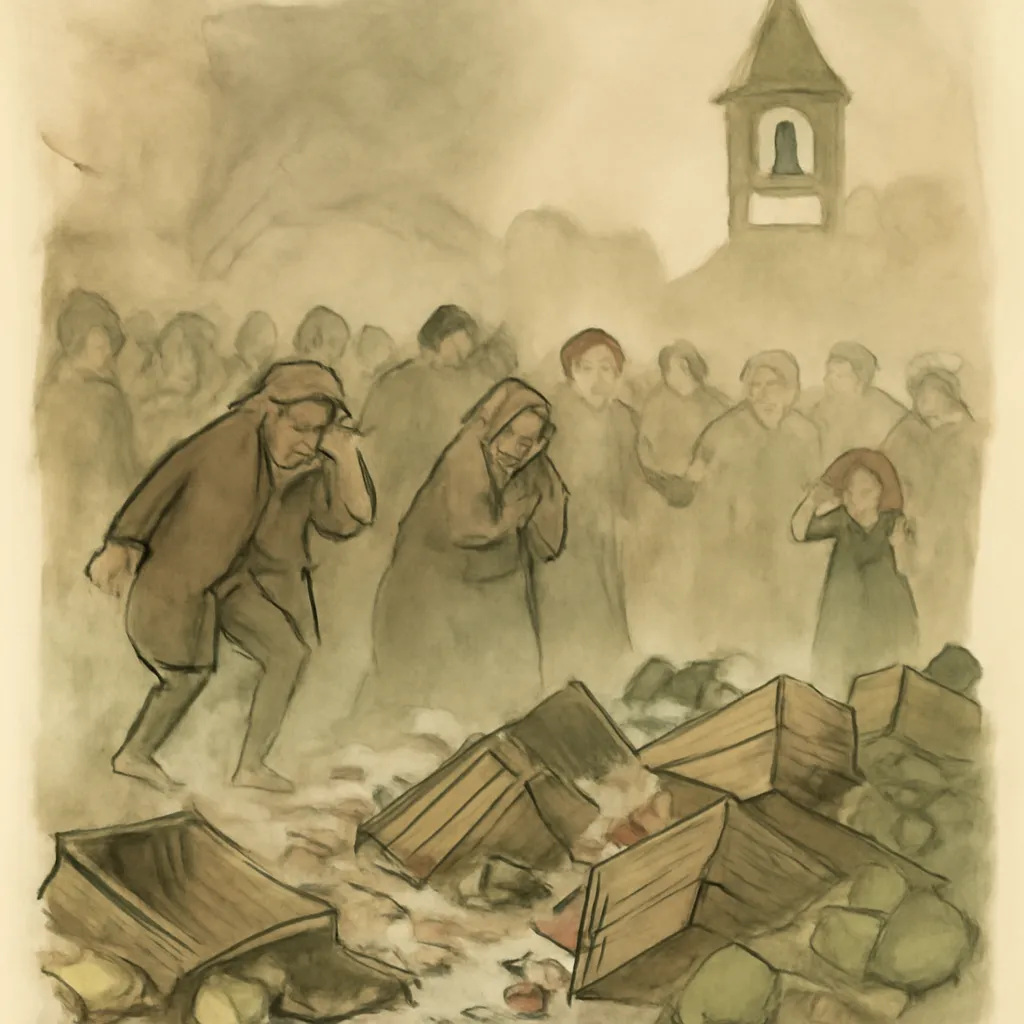
Following the declaration of war, Knox portrays the confusion and uncertainty that envelops both locals and travelers. The initial disbelief that war could truly disrupt their lives leads to a sense of chaos. Knox recounts his own feelings of disorientation as he attempts to navigate the rapidly changing landscape around him. The once-familiar town transforms into a place of anxiety, where friends offer conflicting advice on how to escape the situation. This disarray mirrors the broader societal turmoil as people struggle to comprehend the implications of global conflict. Knox's experience serves as a microcosm of the confusion that many faced during the early days of war, illustrating how quickly everyday life can devolve into uncertainty. The chaotic atmosphere he describes—filled with fear, contradictory opinions, and a lack of clear information—highlights the psychological strain that accompanies such upheaval. It becomes apparent that confusion is a pervasive element when society grapples with the onset of conflict.
4.The Role of National Identity
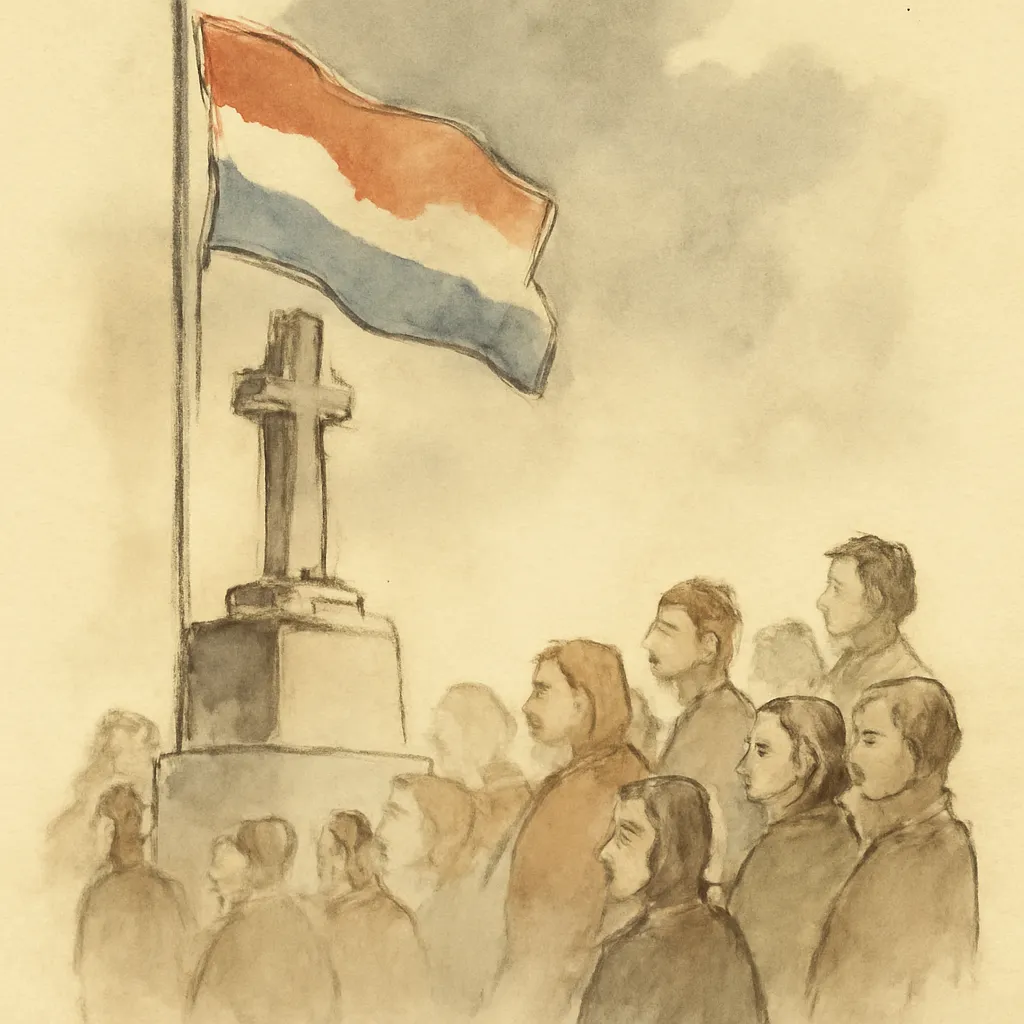
The narrative explores how national identity shapes individuals' responses to war. Knox observes the fervent patriotism that grips the townspeople as they prepare to support their country. The phrase 'Mein Kaiser ruft mich' (my emperor calls me) encapsulates the sense of duty felt by many young men, who eagerly anticipate the 'glories of battle.' This blind obedience to nationalistic fervor contrasts sharply with Knox’s own feelings of helplessness as a foreigner in a time of crisis. The author’s reflections raise questions about the nature of loyalty and the sacrifices individuals are willing to make for their nation. It becomes evident that national identity can both unite individuals and isolate them, as Knox grapples with his status as an outsider amid rising tensions. His observations reveal how the fervor of patriotism can often overshadow personal feelings, leading individuals to prioritize national duty over personal safety or ethical considerations.
5.Isolation and Helplessness
Knox’s journey is marked by a growing sense of isolation as he realizes the limitations of his options. Lacking a passport and trapped in a foreign land, he experiences a profound helplessness that resonates with many who find themselves caught in similar circumstances. The bureaucratic barriers he faces at the consulate exemplify the frustrations of those trying to navigate a world turned upside down by war. The chaotic atmosphere at the consulate, filled with people from various backgrounds seeking assistance, mirrors Knox’s own plight. His struggle to secure a way out reflects the broader theme of isolation experienced by individuals during times of conflict, emphasizing the human cost of geopolitical tensions. This sense of helplessness is compounded by the random nature of war, where individuals often find themselves unable to control their destinies, leading to anxiety and despair.
6.The Quest for Safety
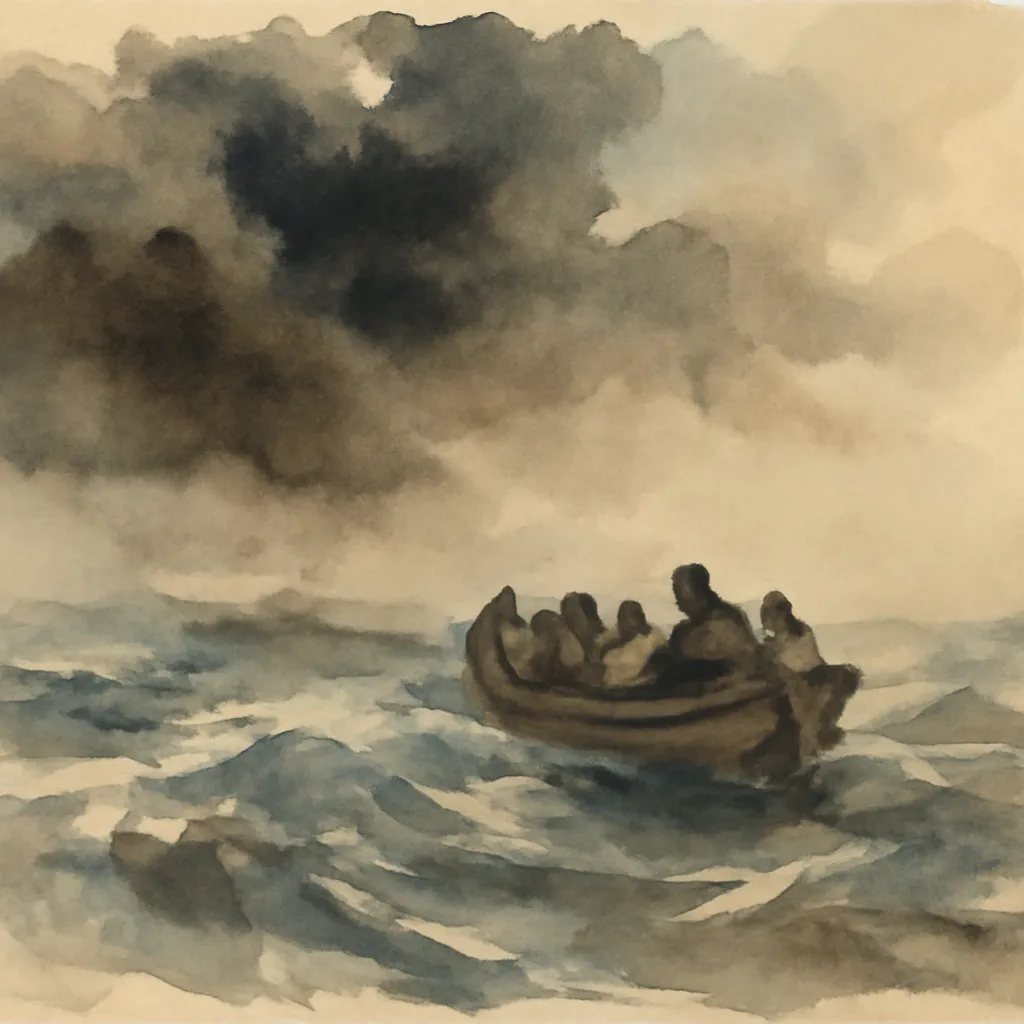
As the situation deteriorates, Knox contemplates various escape routes, revealing the lengths to which individuals will go to seek safety. The alluring idea of traveling through Denmark and crossing the Baltic Sea becomes a symbol of hope and danger. The sea, once a picturesque backdrop, transforms into a harbinger of uncertainty. Knox's vivid descriptions of the Baltic’s silent waters evoke a sense of foreboding, suggesting that even the most beautiful landscapes can harbor peril. The notion of embarking on a journey across the sea, fraught with unknown dangers, mirrors the internal conflict many face when weighing the risks of staying versus fleeing. This quest for safety underscores the desperation felt by many as they attempt to flee impending conflict, illustrating how the instinct for survival drives human behavior in crises. The author’s reflections on the allure of the sea serve as a metaphor for the duality of hope and fear present in moments of crisis.
7.Community Amidst Chaos
Despite the chaos surrounding him, Knox’s interactions with local residents highlight the enduring bonds of community. Friends and strangers alike offer assistance, demonstrating the kindness that can emerge even in times of strife. The town chemist’s willingness to help Knox communicate with Hamburg illustrates the solidarity that can exist among individuals facing shared challenges. These moments of compassion serve as a counterbalance to the despair of war, reminding readers that human connection can provide solace amidst turmoil. Knox’s reflections on these relationships emphasize the importance of community support during crises, illustrating how empathy can thrive even in the darkest of times. The bonds formed through these interactions suggest that in the face of fear and uncertainty, the human capacity to connect and support one another becomes a powerful force for resilience.
8.The Impact of War on Women
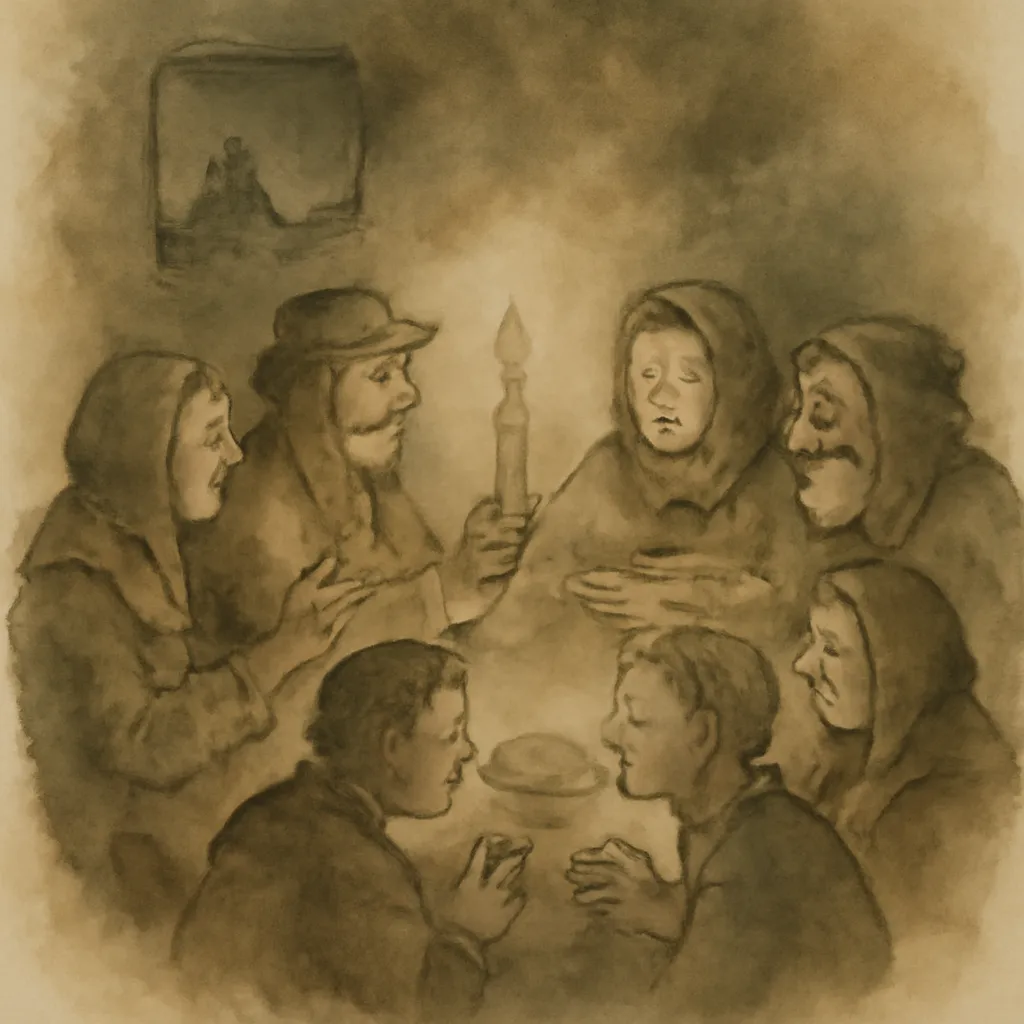
Knox’s narrative also sheds light on the unique challenges faced by women during wartime. He observes the emotional toll on mothers and wives as they grapple with the potential loss of their loved ones. The story of the old woman praying for her grandsons encapsulates the fear and helplessness experienced by many women. Their roles shift dramatically as they navigate the realities of a world at war, often taking on new responsibilities while grappling with their own anxieties. This focus on women's experiences highlights the often-overlooked narratives of those left behind, revealing how war reshapes gender roles and societal expectations. Knox’s portrayal of women’s resilience adds depth to the exploration of war's impact on families and communities. The emotional burden they bear, along with their determination to support their families, showcases the strength and complexity of their roles during conflict.
9.The Psychological Toll of Conflict
The emotional and psychological effects of war are woven throughout Knox’s account, illustrating how conflict leaves lasting scars on individuals. The pervasive fear and anxiety experienced by both locals and foreigners create a climate of tension that seeps into everyday life. Knox’s reflections on his own mental state reveal the psychological toll of uncertainty and isolation. The chaos of the consulate, the frantic search for escape routes, and the heart-wrenching farewells all contribute to a sense of impending doom. This exploration of psychological effects underscores the often-hidden struggles individuals face during wartime, emphasizing that the repercussions of conflict extend far beyond the battlefield. Knox’s narrative raises awareness about the mental health challenges associated with war, suggesting that psychological resilience is as crucial as physical survival in times of crisis.
10.The Unseen Consequences of War
Knox concludes with a poignant reflection on the unseen consequences of war, illustrating how the effects ripple through society long after the fighting has ceased. The initial euphoria of patriotism gives way to the harsh realities of loss and grief, as families are left to pick up the pieces. Knox’s narrative serves as a reminder that war does not just end with a treaty; its impact lingers in the hearts and minds of those affected. The personal stories woven throughout the narrative highlight the importance of acknowledging the human cost of conflict. By sharing these experiences, Knox invites readers to consider the broader implications of war, fostering empathy for those who endure its aftermath. The emotional scars, broken families, and altered communities reflect the profound and lasting impact of conflict on society, prompting a call for deeper understanding and compassion for those left in war's wake.