Fiction · Short Reads
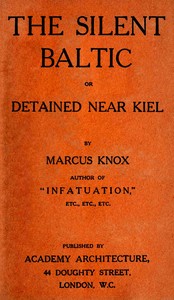
The silent Baltic : $b or, Detained near Kiel by Marcus Knox — Summary, Key Ideas & Full Text
31 pages3 chapters37 min read26 min speed read✦ 10-min Big ideasFree · no account
Rate it
In the shadow of war, personal stories reveal the profound impact of conflict on everyday lives
The Silent Baltic: Detained Near Kiel by Marcus Knox captures the haunting experience of a British traveler caught in Germany at the brink of World War I. Through vivid descriptions and poignant narratives, Knox explores the stark contrast between the idyllic life in a small German town and the impending chaos of war. As the tranquility of the Baltic Sea is pierced by the realities of conflict, readers are drawn into the emotional turmoil of individuals facing uncertainty and fear. This account not only highlights the fragility of peace but also examines the human connections that endure amidst upheaval. Knox's reflections provide a compelling look into how war reshapes lives, relationships, and communities.
The Silent Baltic: Detained Near Kiel is a poignant reflection on the impact of war on individuals and communities. Through Marcus Knox's personal narrative, readers gain insight into the emotional turmoil, confusion, and resilience experienced during a time of unprecedented upheaval. The stories of separation, loss, and the quest for safety highlight the profound human cost of conflict, reminding us that behind every historical event lies a tapestry of individual experiences. Knox's reflections serve not only as a historical account but also as a timeless reminder of the fragility of peace and the enduring strength of human connection. In a world that continues to grapple with the consequences of conflict, Knox's narrative invites empathy and understanding for those caught in the crossfire of war.
“Mein Kaiser ruft mich (my emperor calls me), said one young man with ruddy complexion and bright blue eyes, as he clasped his wife to his breast.”
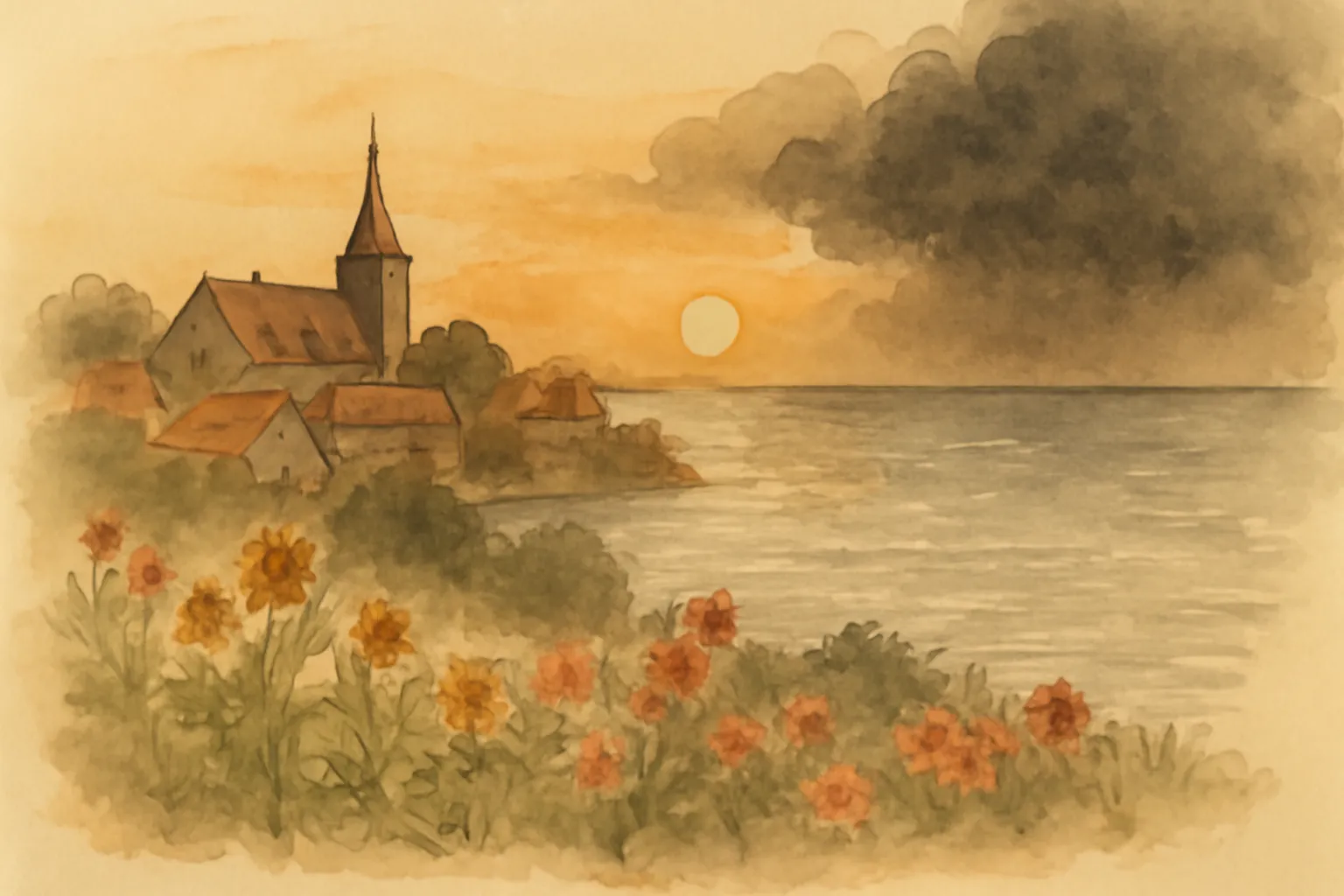
“The calm undisturbed tranquility of the Baltic seemed to deny the truth of these hostile reports.”
“It is impossible at present for an English person to cross any frontier, and we can issue no tickets as our offices everywhere are closed during the war.”
Read Marcus Knox's work free on Lumina — the complete text plus an 8-minute summary and key ideas, no account needed