1.The Evolution of the Oratorio
The oratorio has undergone significant transformation since its inception, evolving through three principal stages: early Italian forms, the English oratorio, and the more expansive German interpretations. Initially, oratorios were simple narratives set to music, often performed in church settings, where they served as a means of religious instruction. Over time, they incorporated dramatic elements and a wider range of musical styles, influenced by opera and symphonic music. The evolution of the oratorio reflects the changing cultural and musical landscapes of Europe, showcasing its adaptability and its ability to convey profound religious themes through increasingly complex musical structures. The book emphasizes this historical trajectory, illustrating how composers like Handel and Haydn contributed to the oratorio's rich tradition, laying the groundwork for future generations to explore and innovate within the genre.
2.Handel's 'Israel in Egypt': A Choral Masterpiece

Handel's 'Israel in Egypt' stands out as a monumental choral work, characterized by its powerful double choruses and dramatic narrative. The oratorio opens with the Israelites' lamentation under Egyptian oppression, followed by a series of vivid musical representations of the plagues. Each section is meticulously crafted, showcasing Handel's ability to evoke emotion and imagery through music. The first part introduces the audience to the suffering of the Israelites with haunting choruses, while the climactic moments depicting the plagues employ intricate counterpoint to heighten the drama. Unlike Handel's other oratorios, there is no overture, immediately immersing the listener in the narrative. The work culminates in a jubilant celebration of liberation with the triumphant Song of Moses. Through detailed descriptions of the choruses and arias, the book emphasizes how 'Israel in Egypt' exemplifies the power of choral music to convey collective human experiences and emotions, making it a timeless piece in the choral repertoire.
3.Bach's Sacred Narratives: 'Christmas Oratorio' and 'St. Matthew Passion'
Bach's contributions to the oratorio genre are profound, with works like the 'Christmas Oratorio' and 'St. Matthew Passion' standing as testaments to his mastery. The 'Christmas Oratorio,' originally composed for the major feast days of the Christmas season, unfolds in six cantatas, celebrating the birth of Christ with joyous choruses and tender arias that reflect both the joyous and contemplative nature of the occasion. Each section is imbued with rich theological meaning, showcasing Bach's deep faith and understanding of the sacred narrative. Conversely, the 'St. Matthew Passion' delves into the Passion story with a sense of urgency and emotional depth, employing a blend of chorales, arias, and recitatives that create a dramatic arc from the Last Supper to the Crucifixion. The book highlights how Bach's innovative use of musical forms, such as the chorale and the da capo aria, allows for profound emotional expression, inviting listeners into a deeply reflective spiritual experience. These works exemplify Bach's ability to integrate text and music seamlessly, enhancing the narrative depth of the oratorio.
4.Beethoven's Unique Contributions: 'The Mount of Olives'

Beethoven's oratorio 'The Mount of Olives' reflects his unique approach to the genre, combining personal expression with sacred themes. Unlike more traditional oratorios that often focus solely on the divine, this work emphasizes the human experience, particularly the emotional turmoil faced by Jesus in the Garden of Gethsemane. Beethoven's use of dramatic elements and his innovative orchestration create an intimate atmosphere that draws the audience into the narrative. The work features a blend of recitative and arias, allowing for an exploration of despair and hope. A notable moment occurs in the aria 'If I forget thee, O Jerusalem,' where Beethoven captures the essence of sorrow and longing through poignant musical lines. The book discusses how Beethoven's innovative approach elevates the oratorio form, bringing a sense of personal struggle and emotional depth that resonates with listeners, and marking a significant departure from traditional treatments of biblical subjects.
5.The Richness of Brahms' 'German Requiem'
Brahms' 'German Requiem' diverges from traditional liturgical texts, focusing instead on themes of comfort and hope for the living rather than the dead. Composed for a large choir and orchestra, the work is notable for its lyrical beauty and emotional depth. Brahms draws from Scripture to create a narrative that resonates with universal human experiences of grief and solace, selecting texts that emphasize the transience of life and the promise of eternal peace. The oratorio's structure balances powerful choral passages, such as 'How lovely is thy dwelling place,' with intimate solo moments, which allow for dynamic exploration of themes such as mortality and divine grace. The book highlights Brahms' ability to weave complex harmonies and counterpoint seamlessly, creating a rich musical tapestry that elevates the emotional impact of the work. This Requiem stands as a poignant reminder of the human condition, showcasing Brahms' ability to infuse sacred music with profound emotional weight that speaks to the hearts of listeners.
6.Mendelssohn's 'Elijah': A Dramatic Narrative

Mendelssohn's oratorio 'Elijah' is a dramatic retelling of the biblical prophet's life, filled with vivid characters and emotional intensity. The work is structured in two parts, featuring a variety of musical forms, including choruses, arias, and recitatives that depict pivotal moments in Elijah's ministry. Mendelssohn employs innovative orchestration and rich harmonies to enhance the narrative, using musical motifs to symbolize various characters and themes throughout the oratorio. The book explores how Mendelssohn's choral writing creates a sense of grandeur, particularly in powerful choruses like 'Lift up your heads' and 'The Lord is a God of vengeance,' which evoke a sense of urgency and divine authority. The intimate arias, such as 'Hear my prayer,' reveal the prophet's personal struggles and deep reliance on God. 'Elijah' exemplifies how the oratorio can convey complex narratives while engaging audiences emotionally, blending drama and spirituality in a masterful way.
7.Exploring the Themes of Redemption in 'The Redemption' by Gounod

Gounod's 'The Redemption' presents a sweeping narrative of human redemption through Christ, combining lush melodies with poignant text that reflects the journey from sin to salvation. The oratorio unfolds in a series of scenes that explore themes of mercy, repentance, and the transformative power of faith. Gounod's masterful use of orchestration creates an immersive experience, inviting listeners into the emotional landscape of the story. The arias, such as 'O, my God,' are filled with heartfelt expression, while the choruses evoke a sense of collective yearning for redemption. The book discusses how Gounod's ability to blend dramatic flair with lyrical beauty enhances the narrative's emotional impact, culminating in a powerful resolution that underscores the theme of divine love and salvation. This work exemplifies how the oratorio can serve as a vehicle for exploring profound theological concepts through music, making it a significant contribution to the genre.
8.Saint-Saens and the Fusion of Styles in 'Samson et Dalila'
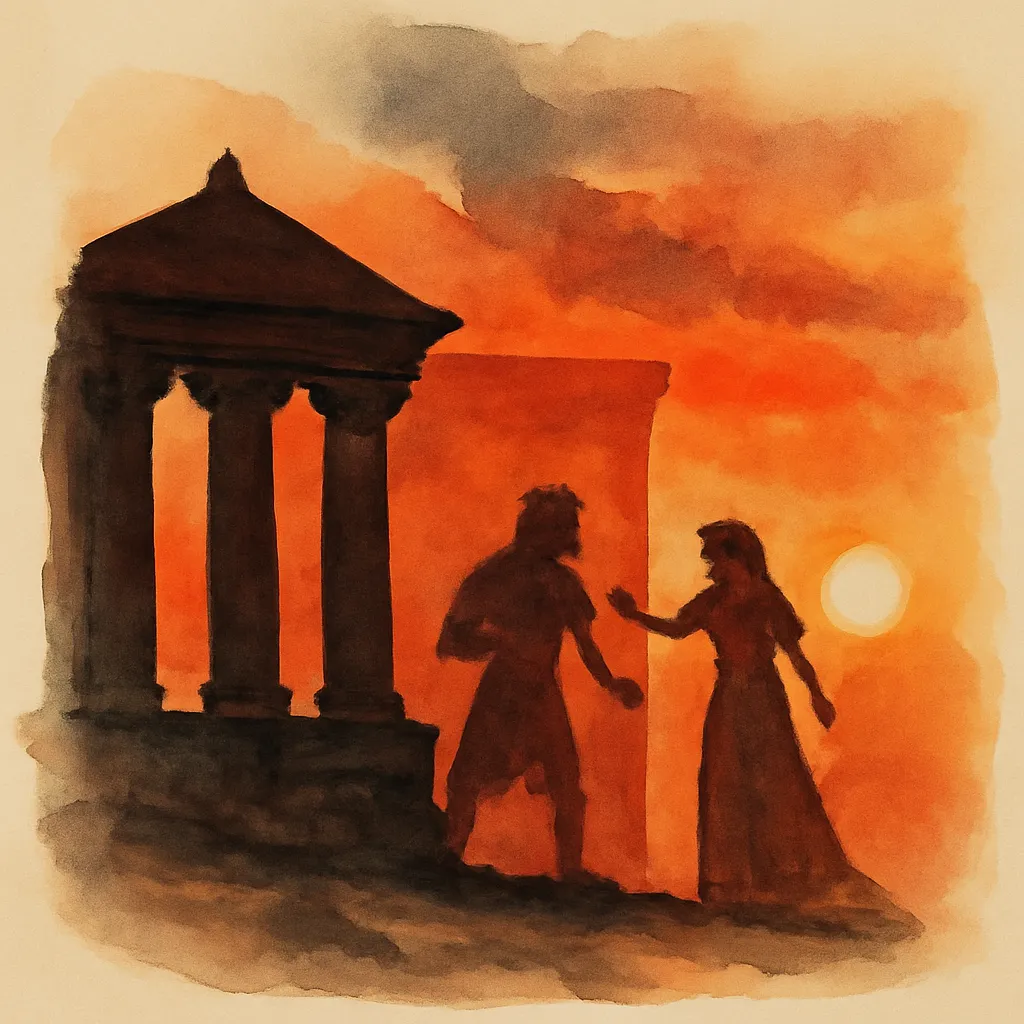
Saint-Saens' 'Samson et Dalila' showcases his ability to blend various musical styles, integrating elements of opera and oratorio. The work tells the biblical story of Samson and Delilah, exploring themes of love, betrayal, and divine strength. Saint-Saens employs rich orchestration and lyrical melodies to enhance the dramatic narrative, making it a compelling listening experience. The famous aria 'Mon Coeur s'ouvre à ta voix' exemplifies the emotional depth of the work, highlighting the beauty and tragedy of the characters' relationship. The book emphasizes how Saint-Saens weaves together contrasting musical styles to create a dynamic storytelling experience, where the lush orchestral textures complement the poignant vocal lines. 'Samson et Dalila' stands as a testament to Saint-Saens' innovative approach to sacred music, merging theatricality with spiritual themes and expanding the oratorio form.
9.Dvořák's 'Stabat Mater': A Reflection on Suffering
Dvořák's 'Stabat Mater' is a poignant meditation on the suffering of Mary as she witnesses the crucifixion of Christ. The work is deeply emotional, combining lush harmonies with expressive melodies that convey the depth of maternal grief and the universality of sorrow. Dvořák's use of choral textures creates a rich soundscape that enhances the emotional weight of the text, allowing listeners to experience the profound pain and eventual hope expressed in the narrative. Each movement explores different facets of sorrow and consolation, inviting audiences to reflect on the theme of loss and the promise of redemption. The book discusses how Dvořák's ability to articulate these complex emotions through music results in a work that resonates deeply with listeners, making 'Stabat Mater' a powerful example of how the oratorio can articulate profound human experiences and theological truths.
10.The Role of Historical Context in Oratorio Composition
The historical context surrounding the composition of oratorios significantly influences their themes and musical styles. Many oratorios were written in response to the social and political climates of their times, reflecting contemporary issues through sacred narratives. For instance, Handel's works often address themes of liberation and divine justice, resonating with audiences during periods of political upheaval. Similarly, the works of composers like Mendelssohn and Brahms reflect the Romantic era's emphasis on individual expression and emotional depth. Understanding the historical backdrop of each oratorio enriches the listening experience, allowing audiences to connect more deeply with the music. The book emphasizes the importance of this context, encouraging readers to appreciate how external factors shape the creation and reception of these masterpieces, enhancing their significance in both musical and cultural history.
11.The Oratorio as a Reflection of Human Experience
At its core, the oratorio serves as a profound reflection of human experience, exploring themes of faith, suffering, redemption, and hope. Each work invites listeners to engage with the narratives on a personal level, fostering a sense of connection to the spiritual and emotional journey depicted in the music. The powerful choral writing and expressive arias provide a platform for communal reflection, allowing audiences to share in the collective experience of worship and contemplation. This aspect of the oratorio underscores its enduring relevance, as it continues to resonate with contemporary audiences seeking meaning in their own lives. The book illustrates how the oratorio transcends mere entertainment, becoming a vehicle for deep spiritual engagement and insight into the complexities of the human condition.