1.The Gallo-Roman Roots of Paris
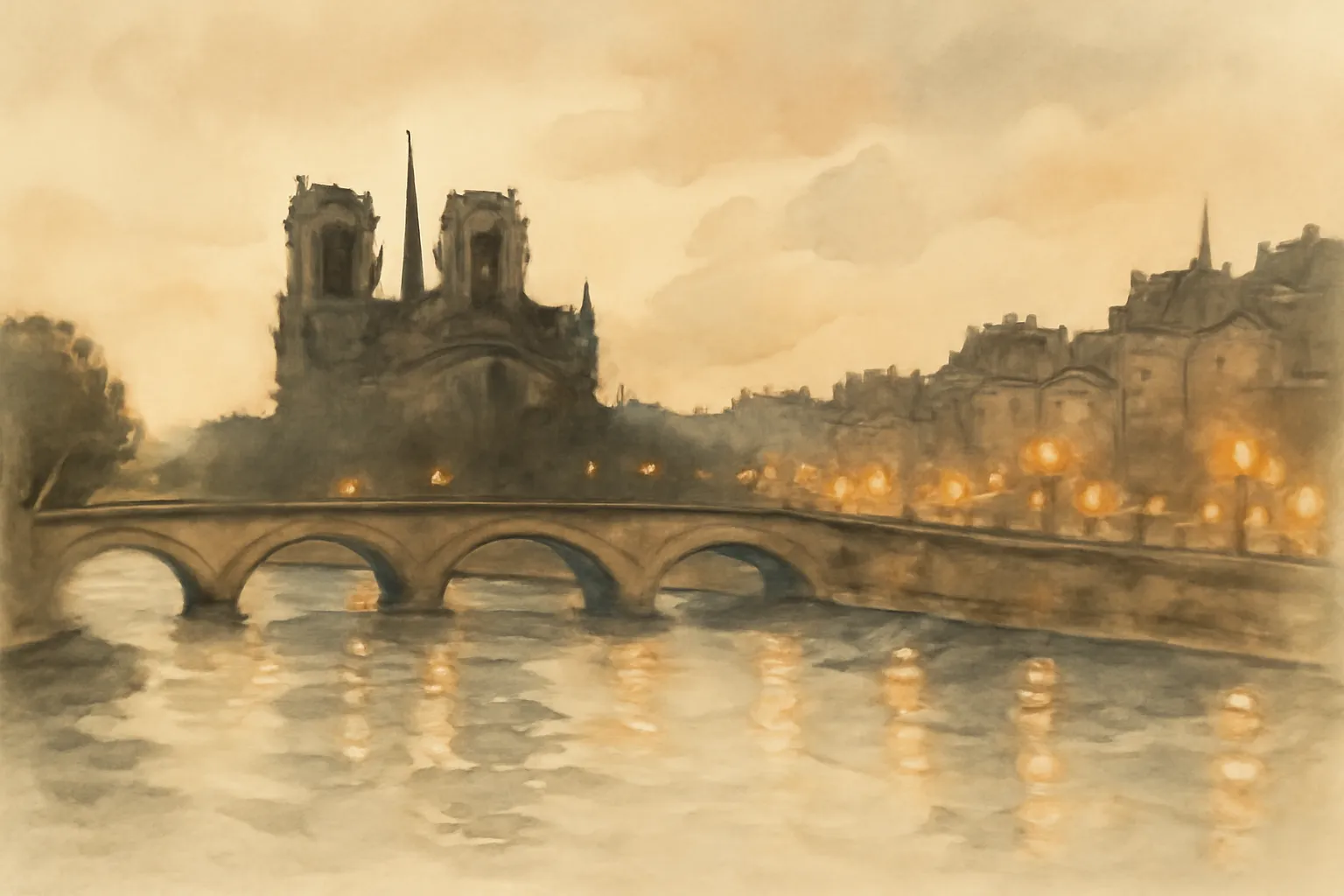
Paris, originally known as Lutetia, finds its beginnings in the Gallo-Roman period, where its geographical location played a crucial role in its development. Situated on an island in the Seine, the city was ideally positioned for trade and defense, attracting early settlers and fostering commerce. The Parisii tribe, who inhabited the area, capitalized on these advantages, establishing a settlement that would evolve into a bustling urban center. The remnants of this period, including Roman ruins and infrastructure, reveal the city’s historical significance as a hub of trade and culture. Okey emphasizes how the foundations laid during this era set the stage for Paris to become a key player in European history, illustrating the importance of geography in the growth of cities. The river Seine served not just as a means of transport but as a lifeline connecting Paris to other regions, facilitating trade routes that enriched both the city and its inhabitants.
2.Survival Amidst Barbarian Invasions
As the Roman Empire weakened, Paris faced numerous barbarian invasions that threatened its existence and stability. The conversion of Clovis, the first king of the Franks, marked a turning point, as he unified the Frankish tribes and established Paris as a significant political center. Okey highlights the resilience of the city during these tumultuous times, detailing how its strategic location allowed it to withstand various sieges and maintain its status as a key urban center. The rise of Christianity, with figures like St. Genevieve, played a pivotal role in not only maintaining morale but also in shaping the cultural landscape of Paris. This era of strife ultimately laid the groundwork for the Merovingian dynasty, showcasing how adversity can lead to transformation and consolidation of power. Clovis's baptism not only solidified his rule but also helped to integrate the Christian faith into the fabric of Parisian society, furthering the city's importance in the Christian world.
3.The Carolingian Renaissance and Feudalism
The Carolingian period introduced a renaissance of culture and scholarship in Paris, as Charlemagne and his heirs promoted learning and the arts, thus elevating the city’s status. Okey discusses how this era saw the establishment of the University of Paris, which became a beacon of knowledge and intellectual pursuit in Europe. However, this cultural flourishing was juxtaposed with the emergence of feudalism, which transformed the political landscape. The Capetian dynasty, beginning with Hugh Capet, shifted the focus of power from noble families to a centralized monarchy, which helped to stabilize the region. This transition is critical in understanding how Paris evolved from a fragmented feudal society into a unified kingdom, highlighting the interplay between cultural advancement and political consolidation. The establishment of a centralized authority also allowed for the development of infrastructure, such as roads and bridges, further enhancing trade and communication throughout the region.
4.The Flourishing of Gothic Architecture
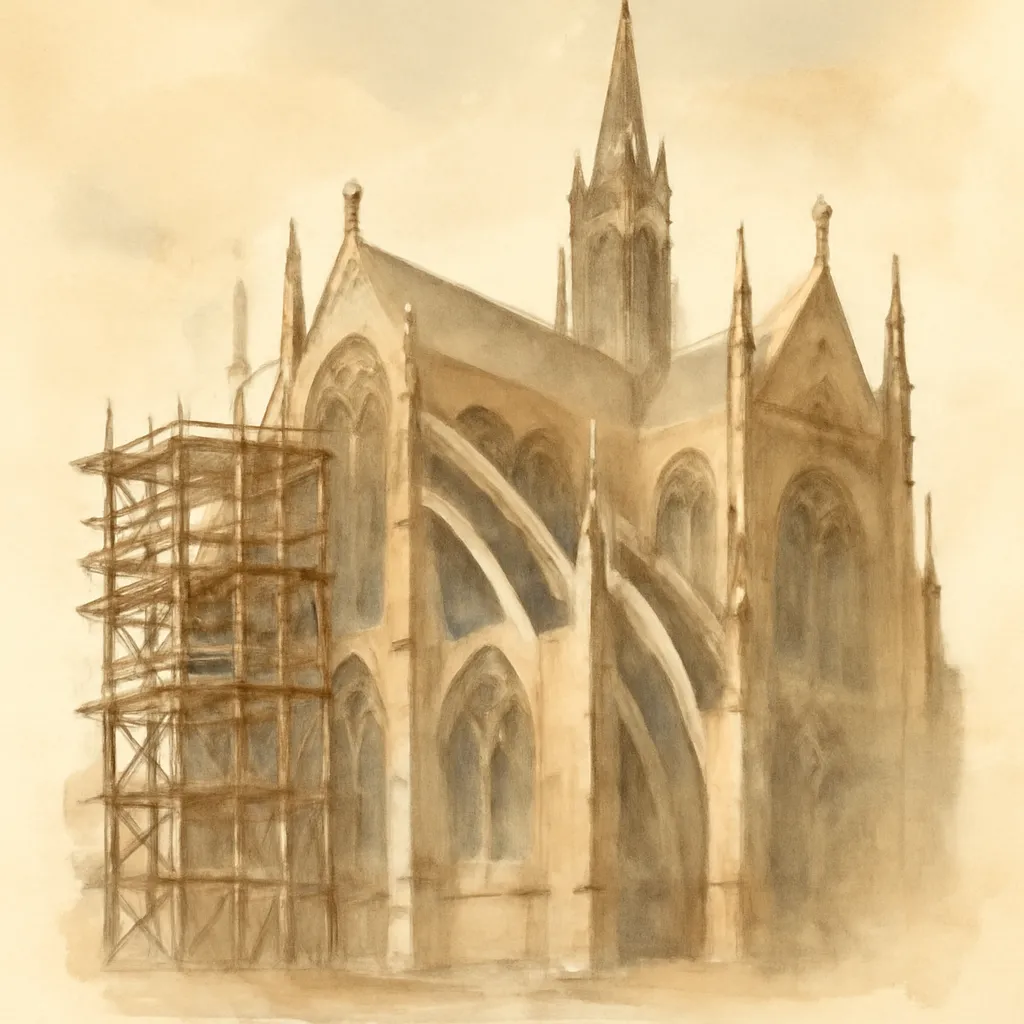
The reigns of Philip Augustus and St. Louis heralded the rise of Gothic architecture, which transformed the Paris skyline and reflected the city’s aspirations. Okey details the construction of iconic structures like Notre Dame and the Sainte-Chapelle, which served not just religious purposes but also symbolized the power and prestige of the monarchy. This architectural revolution was driven by advancements in engineering and a growing emphasis on light and space, which were seen as metaphysical representations of divinity. The enthusiasm for building these grand churches united the populace, fostering a sense of community and shared identity. The construction of Notre Dame, in particular, became a monumental achievement that demonstrated the capabilities of medieval architects and artisans. This period exemplifies how art and architecture can serve as manifestations of cultural and spiritual values, shaping the character of a city and influencing the architectural discourse in Europe for generations to come.
5.Political Turmoil and the Rise of the States-General
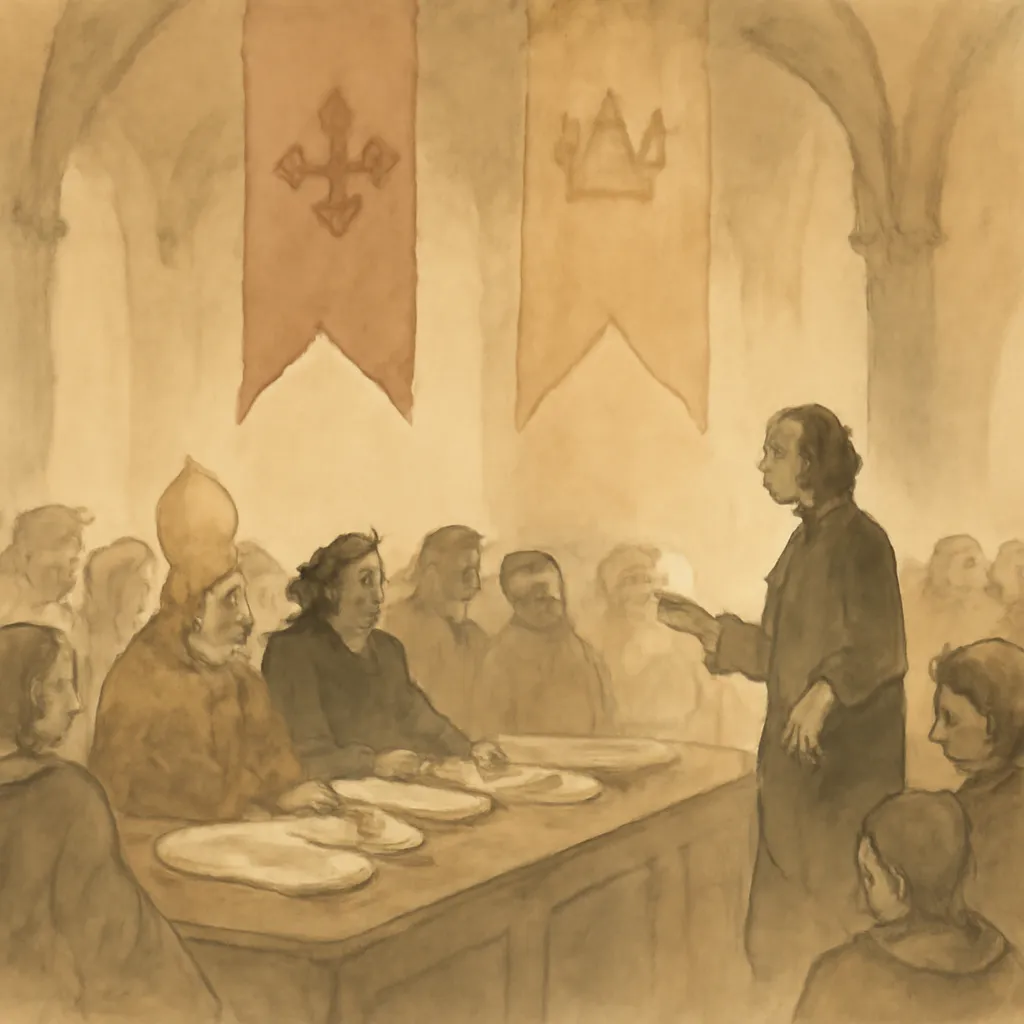
The late medieval period in Paris was marked by intense political strife, culminating in the formation of the States-General. Okey explains how this assembly represented a significant shift in governance, as it included representatives from the Third Estate, allowing common citizens a voice alongside the clergy and nobility. This development was crucial during the reign of Philip IV, who sought to consolidate power against the papacy and other feudal lords. The conflict with Boniface VIII illustrated the tensions between secular and spiritual authority, and the assembly's support for the king signified a growing sense of national identity. This assembly became a platform for addressing grievances and discussing matters of national importance, laying the groundwork for future democratic practices in France. The emergence of the States-General reveals the complexities of power dynamics in medieval France and the gradual evolution of political representation, setting the stage for the more radical changes that would come in later centuries.
6.The Shadow of the Wars of Religion
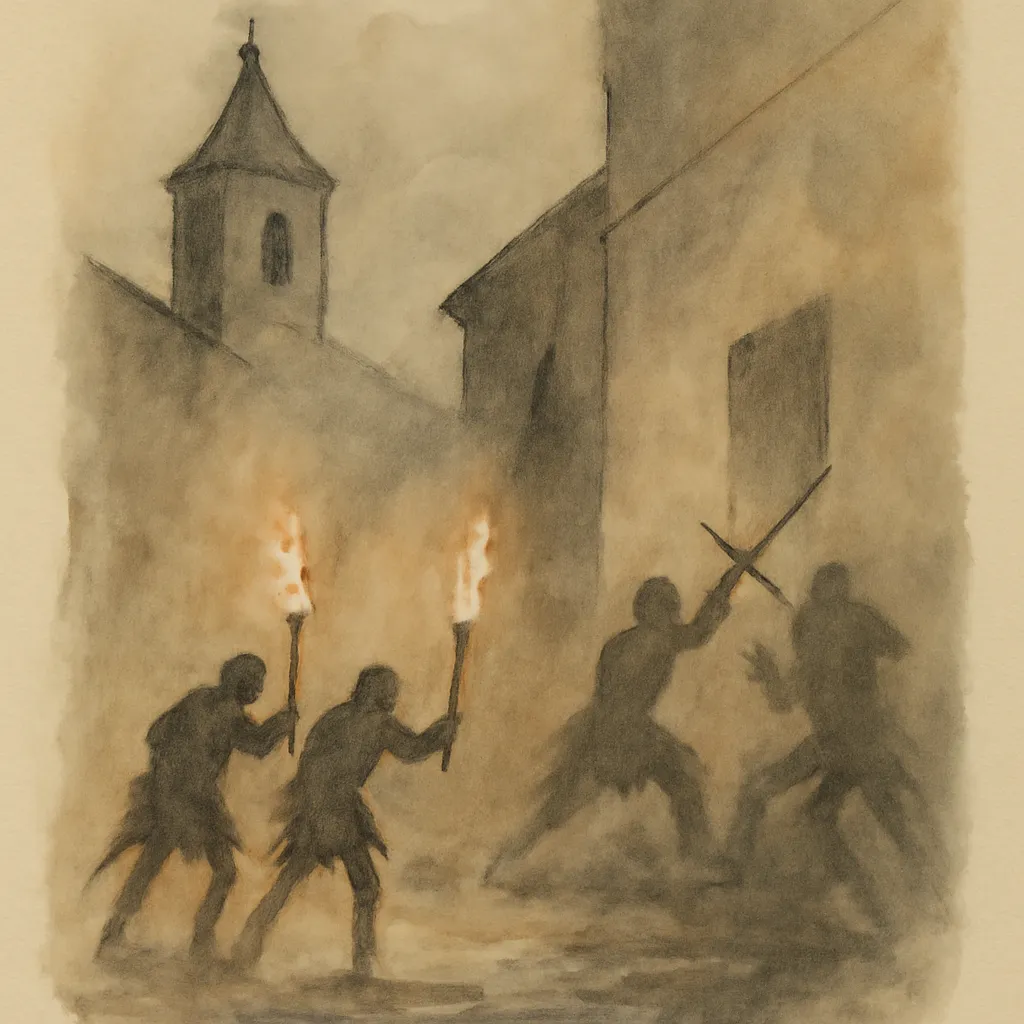
The Wars of Religion in the late 16th century plunged Paris into chaos, as Huguenots and Catholics clashed in a fierce struggle for supremacy. Okey captures the atmosphere of fear and division that permeated the city during this tumultuous time, marked by events like the Massacre of St. Bartholomew, where thousands of Huguenots were killed. The rise of influential families, such as the Guises, exacerbated tensions and led to a fragmented political landscape, complicating governance and exacerbating social divisions. The struggle for control over Paris not only affected the ruling classes but also had profound implications for the ordinary citizens caught in the crossfire. This period underscores the fragility of peace and the deep-seated religious divisions that would continue to haunt France, shaping its future trajectory. The impact of these conflicts was not limited to the battlefield; they also influenced art, literature, and philosophy, as writers and thinkers grappled with the realities of violence and the quest for religious tolerance.
7.The Cultural Renaissance and the Enlightenment
The 17th and 18th centuries heralded a cultural renaissance in Paris, with the emergence of new ideas and artistic expression that would lay the groundwork for the Enlightenment. Okey details how figures like Voltaire and Rousseau challenged established norms, advocating for reason, individualism, and social reforms. The flourishing of arts, literature, and philosophy during this period transformed Paris into the intellectual capital of Europe, attracting thinkers and artists from across the continent. The establishment of salons and academies facilitated discussions that questioned traditional authority and inspired revolutionary thought, as the ideals of liberty and equality gained traction among the populace. This cultural dynamism was critical in fostering a climate ripe for change, as the ideas propagated by Enlightenment thinkers began to permeate society and challenge the status quo. The interplay between art and politics during this era vividly illustrates how cultural movements can catalyze social evolution and reshape public consciousness.
8.The French Revolution: A City in Turmoil
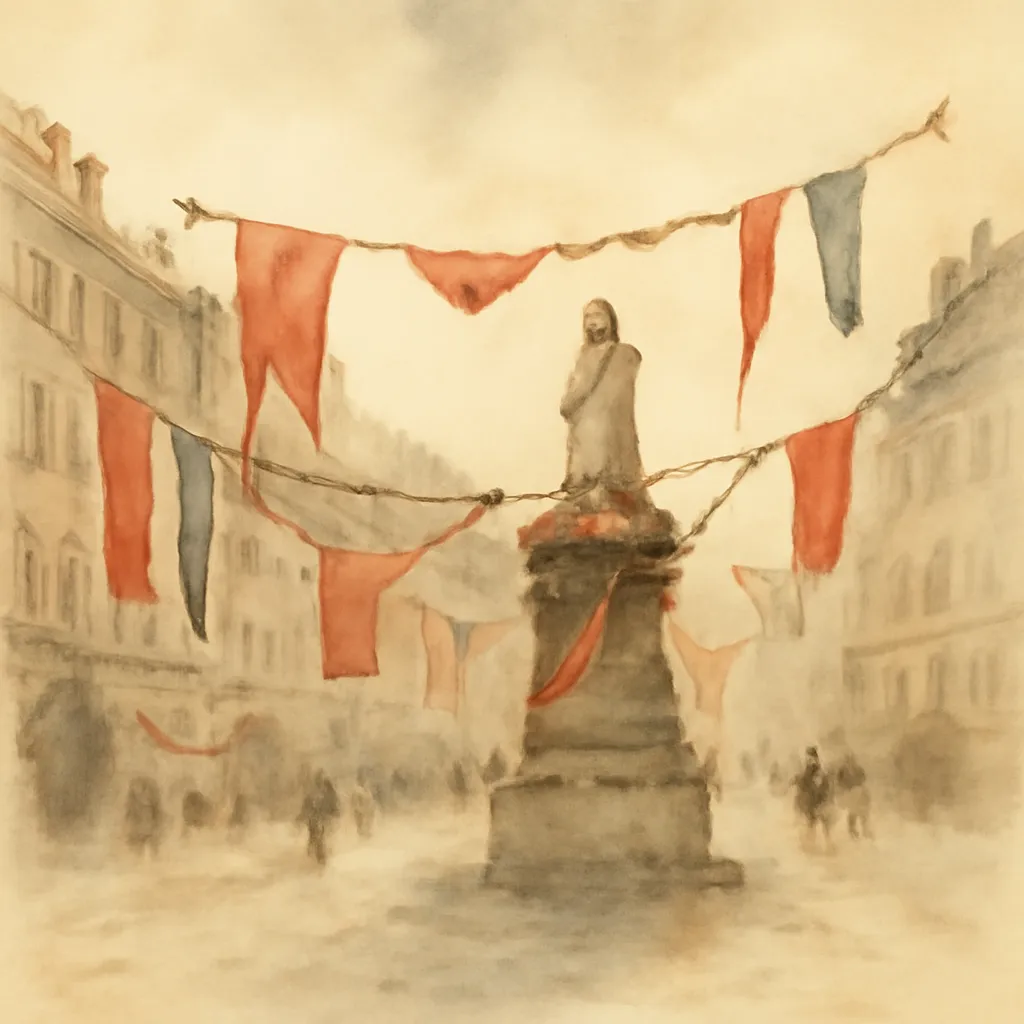
The French Revolution marked a profound turning point in Paris's history, as the city became the epicenter of revolutionary fervor and radical change. Okey describes the events leading up to the revolution, including widespread discontent over social inequality and economic hardship that had accumulated over decades. The storming of the Bastille on July 14, 1789, symbolized the uprising against tyranny and the demand for liberty, equality, and fraternity. The establishment of the First Republic and the subsequent Reign of Terror showcased the radical transformation of society, as traditional hierarchies were dismantled in favor of a new social order. Paris during this time was a city of both hope and despair, where the ideals of democracy clashed with the brutal realities of political purges and executions. Key figures such as Robespierre emerged, embodying the fervor of revolutionary ideals but also leading to a climate of fear and mistrust. This tumultuous period emphasizes the complexities of revolution and the struggle for a new social order, illustrating how quickly ideals can devolve into violence and terror.
9.The Napoleonic Era and Its Legacy
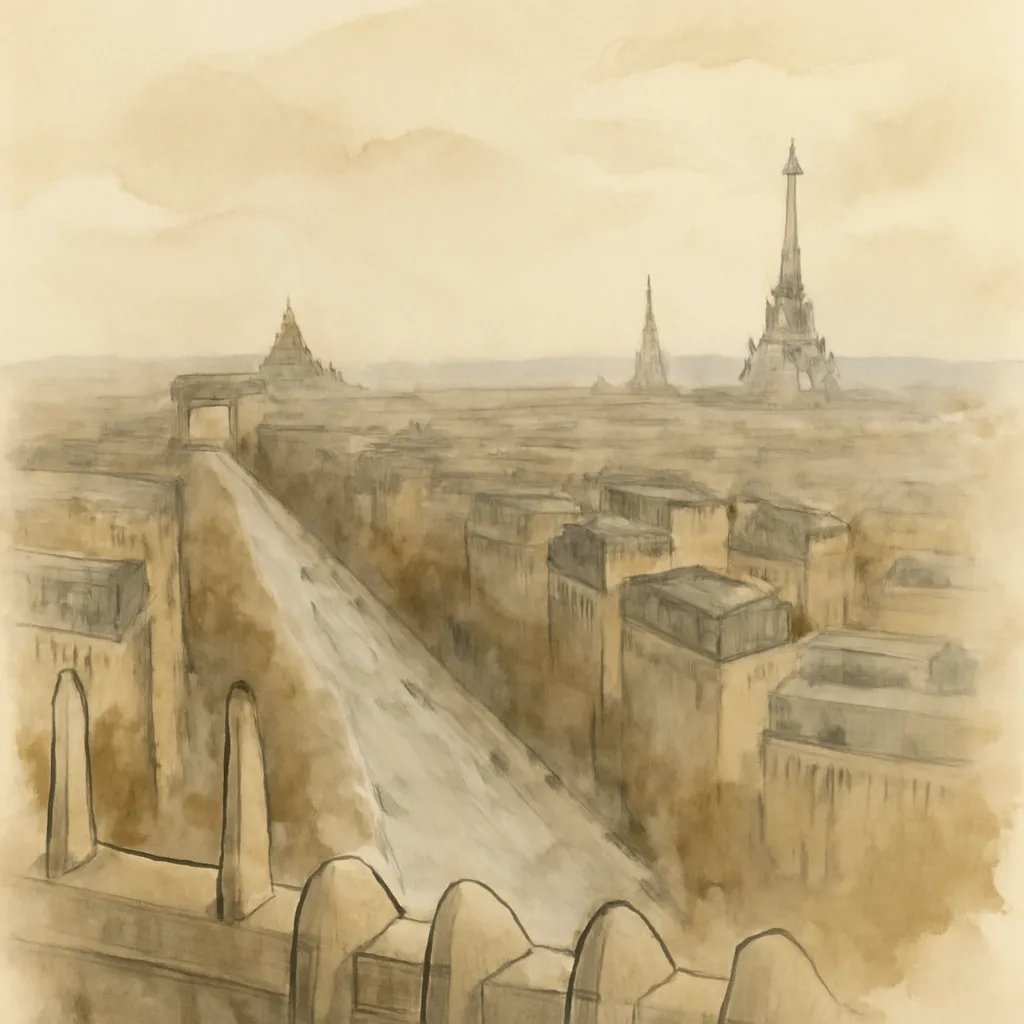
Napoleon's rise to power brought about significant changes in Paris, as the city underwent modernization and expansion under his rule. Okey highlights how Napoleon’s vision transformed Paris into a symbol of imperial grandeur, with architectural projects such as the Arc de Triomphe and the reorganization of urban spaces like the creation of wide boulevards and public parks. This era not only emphasized the aesthetics of the city but also aimed to improve public order and accessibility. Napoleon’s conquests spread revolutionary ideals across Europe, inspiring movements for change while simultaneously imposing authoritarian control. However, the complexities of his rule, including military campaigns and the establishment of a police state, reveal the dual nature of progress and oppression. The legacy of this period is evident in the lasting impact on Parisian architecture and governance, illustrating the interplay between ambition and consequence in shaping a city's identity. The modernization efforts initiated during this time laid the groundwork for the Paris we recognize today.
10.Paris in the Modern Era: A City of Contrasts
The transition into the 19th and 20th centuries saw Paris grappling with the challenges of modernity while still retaining its historical essence. Okey discusses how the city became a nexus for artistic movements, from Impressionism to Surrealism, reflecting the dynamic cultural landscape that emerged in response to rapid social changes. The industrial revolution brought about socioeconomic changes that led to urbanization and the rise of the working class, creating a complex social fabric. Yet, these developments were accompanied by social tensions, exemplified by events like the Commune of 1871, where Parisians revolted against the government in an effort to establish a more equitable society. Paris emerged as a city of contrasts, where tradition coexisted with innovation, and where the struggles of its citizens shaped the narrative of modernity. This ongoing evolution highlights the resilience of Paris as it adapts to the changing tides of history, showcasing how a city can be a cradle for both artistic brilliance and social upheaval.