1.The Injustice of Legal Subordination
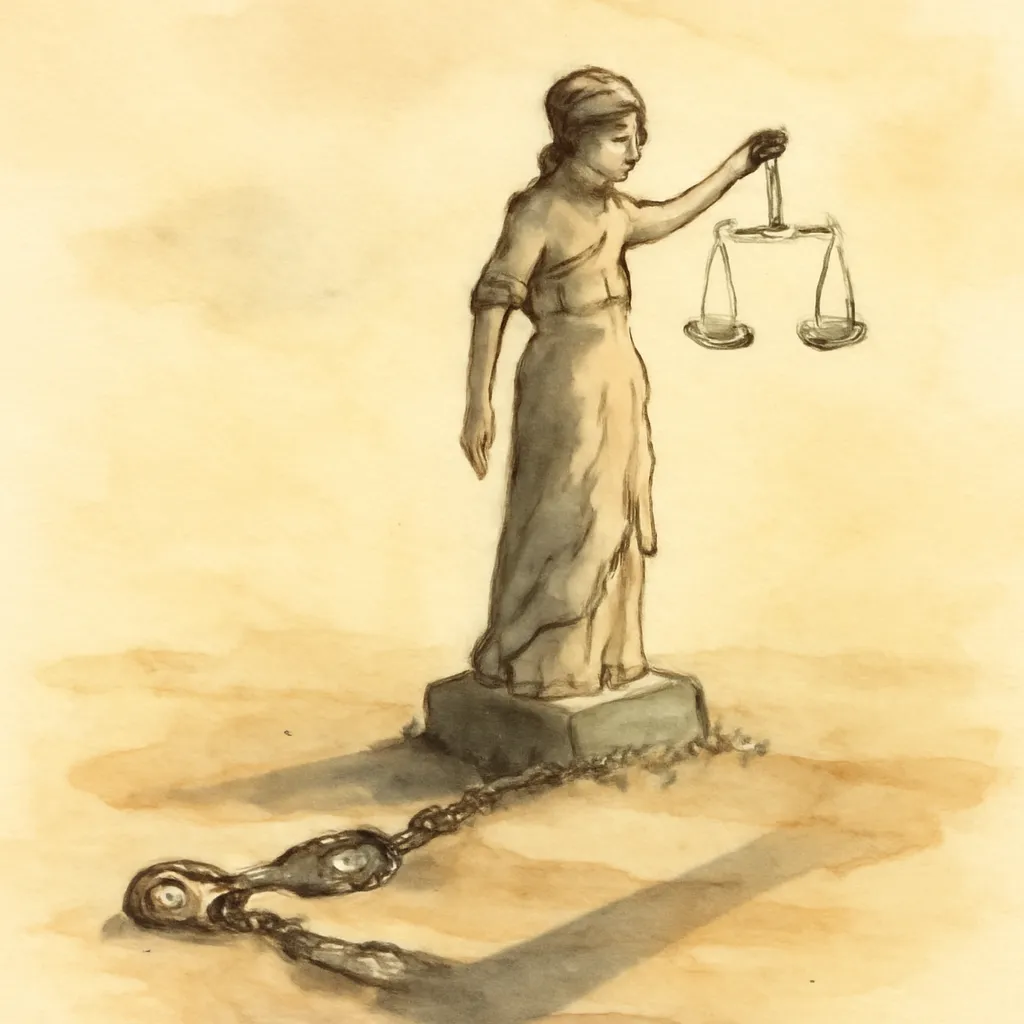
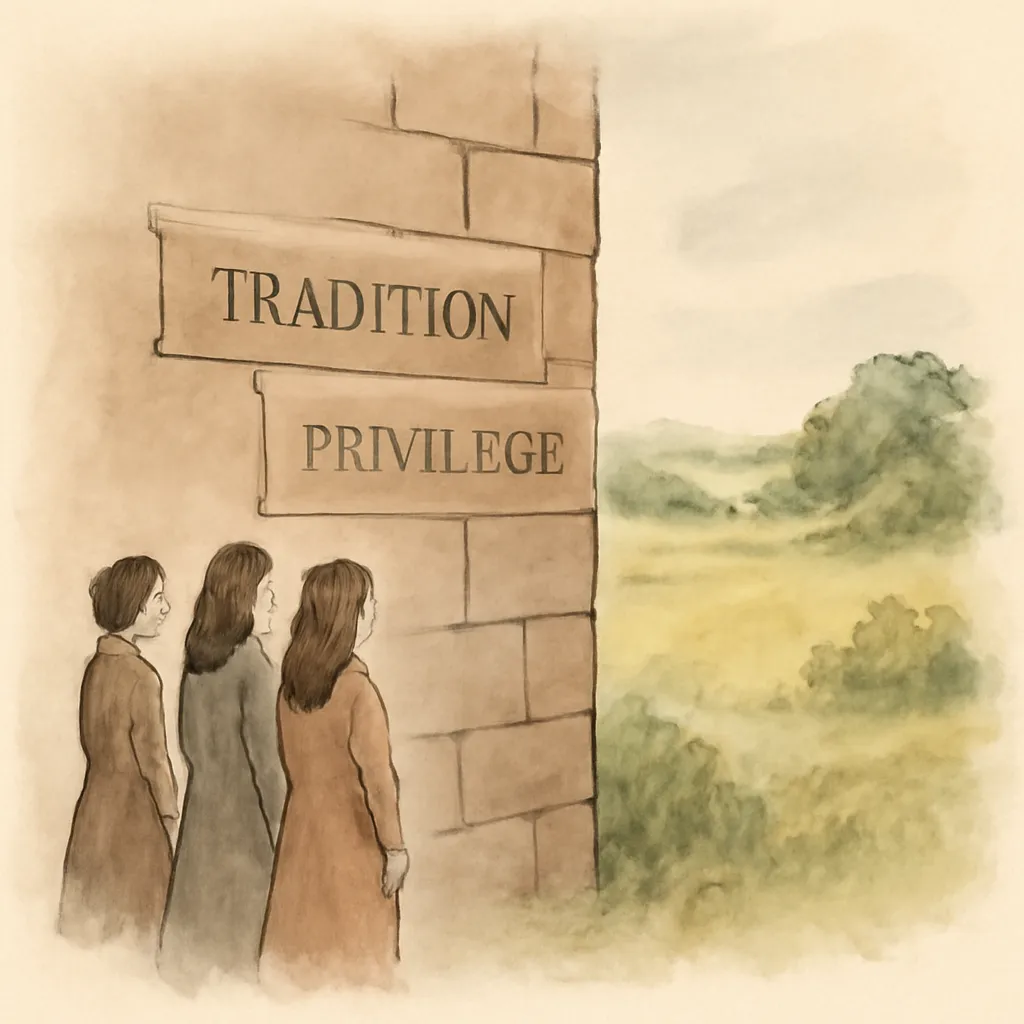
Mill opens with a powerful assertion: the legal subordination of women is fundamentally wrong and hinders human improvement. He constructs his argument on the premise that inequality, in any form, is a barrier to societal progress. The existing social relations between the sexes are upheld not by reasoned argument but by entrenched feelings and prejudices. Mill emphasizes that the difficulty of challenging these feelings lies not in a lack of rational grounds for equality, but in the societal inertia that defends these outdated norms. He posits that true societal advancement hinges on the recognition that women are equal partners in the human experience, deserving of the same rights and opportunities as men. By illuminating the emotional and cultural underpinnings of these biases, Mill sets the stage for a deeper exploration of how they can be dismantled in favor of equality.
2.Marriage: A Contract of Inequality

In examining the institution of marriage, Mill sheds light on the historical context that has shaped women's roles within it. He argues that marriage, which society has designated as the ultimate goal for women, has been constructed to maintain their subjugation. From being sold by their fathers to being denied autonomy within the marriage, women's rights have historically been systematically stripped away. Mill points out that even the notion of consent in marriage is often coerced, reflecting a broader societal tendency to prioritize male desires over female agency. He delves into the ancient powers that husbands held over their wives, including the right to life and death—powers that created a dynamic of fear and control. Mill's analysis reveals marriage as a potential trap, a legal façade that perpetuates women's oppression rather than celebrating their partnership. This critical examination of marriage forces readers to confront the romanticized notions of love and commitment that have often masked the harsh realities of women's roles.
3.The Fallacy of Women's Inferiority
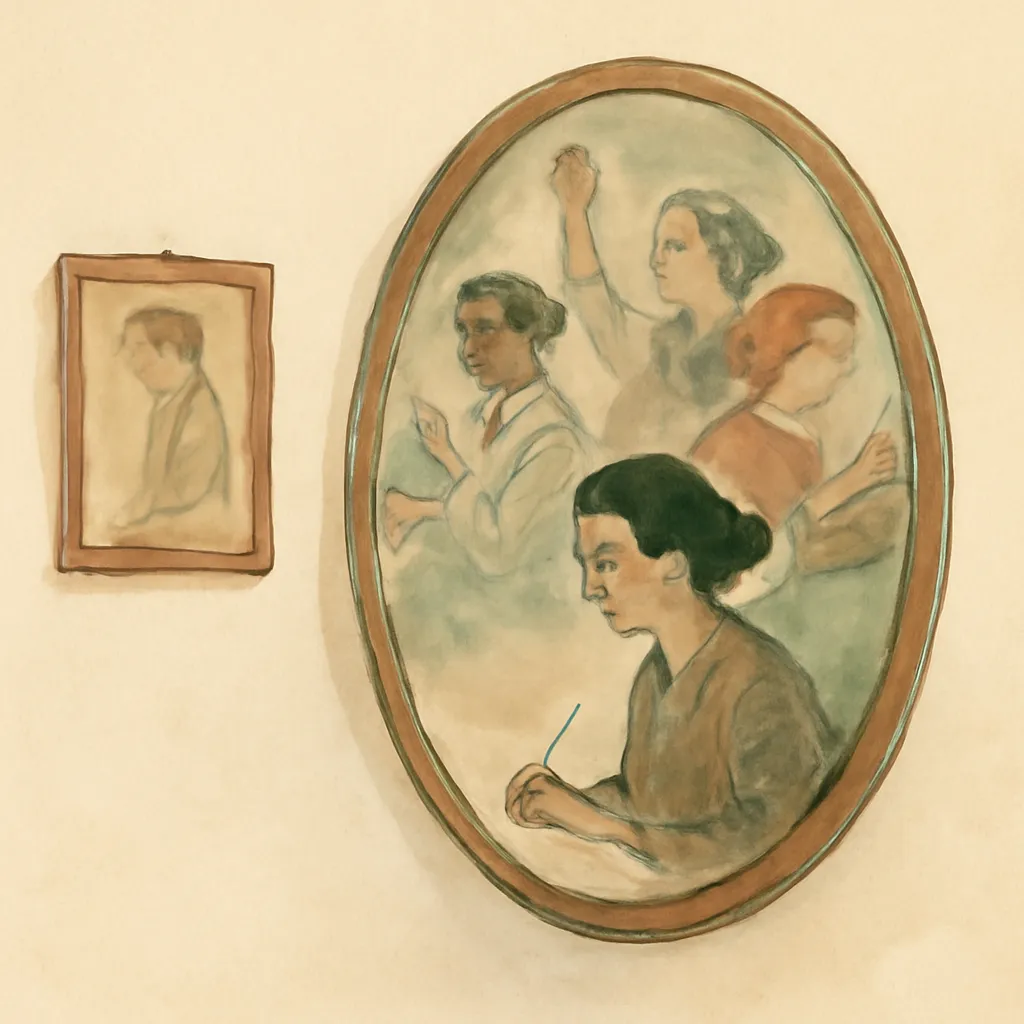
Mill argues that the belief in women's inferiority is not supported by any credible evidence, but rather stems from a long-standing tradition that seeks to justify their exclusion from various social and professional roles. He contends that the disabilities imposed on women are designed to maintain male dominance and do not reflect any inherent incapacity. By citing examples from history where women have excelled in various fields, Mill challenges the narrative that women are unsuited for roles outside the domestic sphere. He points out that during times of social upheaval, women have often stepped into roles of leadership and competence, undermining the arguments for their inferiority. Mill asserts that the real reason for women's exclusion from many occupations is the discomfort men feel about sharing power and status with women. This insight encourages a reevaluation of societal norms and the recognition that both genders can contribute equally to all aspects of life, thus enriching society.
4.The Role of Society in Upholding Inequality
Mill critiques the societal structures that enforce gender inequality, arguing that these systems benefit men at the expense of women. He emphasizes that the argument for women's incapacity is a mere facade for preserving male privilege. By examining the motivations behind societal norms, Mill reveals how they are often framed in the guise of benevolence, suggesting that restrictions placed on women are for their own good. This paternalistic view serves to justify the continued subordination of women, masking the underlying power dynamics at play. Mill argues that men and women alike should recognize the harmful impacts of these outdated norms, which not only oppress women but also limit men's emotional and social development. By advocating for a shift in societal attitudes toward women, Mill calls for a collective reimagining of gender roles that fosters equality and mutual respect.
5.The Consequences of Women's Subjugation
Mill does not shy away from discussing the tangible harms caused by women's subordination, particularly within the institution of marriage. He argues that the suffering inflicted upon women—both physically and emotionally—cannot be overlooked. Mill highlights that domestic abuse and emotional manipulation are not isolated incidents but are indicative of a broader social malaise rooted in inequality. The abuses of power that occur in marital relationships are systemic issues that arise from the very structure of marriage itself. He stresses that as long as men hold power over women without accountability, the potential for abuse will persist. This dynamic perpetuates a cycle of violence and oppression that is often justified under the guise of tradition or social order. Mill's exploration of these consequences serves as a powerful indictment of the legal and cultural systems that allow such injustices to persist.
6.The Path to Equality: Education and Opportunity
Mill advocates for the education and empowerment of women as crucial steps toward achieving gender equality. He argues that denying women access to education not only limits their potential but also deprives society of their contributions. He emphasizes that education is not merely a tool for personal advancement but a vital component of societal progress. By providing women with the same educational opportunities as men, society can foster a more equitable environment where both sexes can thrive. Mill asserts that educated women can challenge the existing norms and expectations, ultimately leading to a more just society. He envisions a future where women are not only participants but leaders in all fields, contributing their talents and perspectives for the betterment of humanity. This vision underscores the transformative power of education as a means to break free from the chains of subjugation.
7.The Need for Legal Reforms
In his quest for equality, Mill emphasizes the necessity of legal reforms that dismantle the structures of oppression inherent in marriage and society at large. He argues that laws must reflect the principle of equality, ensuring that women are granted the same rights and protections as men. Mill highlights that the existing legal framework often serves to reinforce traditional gender roles, thus perpetuating inequality. He proposes that reforms should include abolishing laws that grant disproportionate powers to husbands over their wives, as well as ensuring women have equal rights in matters of property and custody. Mill's advocacy for legal reform is not merely a call for superficial changes; it is a demand for a complete reevaluation of the laws that govern gender relations. This call for reform is a crucial aspect of Mill's argument, as it addresses the systemic barriers that hinder women's progress.
8.Challenging the Status Quo
Mill acknowledges that challenging the prevailing opinions about gender roles is an arduous task, but he insists it is necessary for progress. He recognizes that those who dare to question the status quo often face significant resistance, yet he encourages persistent advocacy for change. Mill argues that the strength of an opinion rooted in feeling can be formidable, but he believes that reasoned argument and evidence can gradually shift perceptions. He calls on individuals to engage in discussions that promote awareness of gender inequalities and to actively work towards dismantling the prejudices that uphold them. This challenge to the status quo is vital for creating a more equitable society where both men and women can coexist as equals. Mill’s insistence on the importance of dialogue and debate underscores the need for continuous engagement in the fight for gender equality.
9.The Broader Implications of Gender Equality
Mill argues that the fight for gender equality is not merely a women's issue; it is a fundamental concern for humanity as a whole. He posits that when women are liberated and allowed to participate fully in society, everyone benefits. The potential for innovation, creativity, and progress increases dramatically when diverse perspectives are included in decision-making processes. Mill envisions a society where the contributions of both men and women are valued equally, leading to a richer and more dynamic community. He emphasizes that the liberation of women is intrinsically linked to the advancement of society itself. This broader perspective underscores the importance of gender equality as a crucial element of social advancement and collective well-being, demonstrating that the fight for women's rights is ultimately a fight for the rights of all.
10.The Legacy of 'The Subjection of Women'
Mill's 'The Subjection of Women' remains a seminal work in the discourse on gender equality, providing a foundational argument for the rights of women. Its impact is evident in the ongoing struggles for equality and justice that continue to resonate today. Mill's insights encourage readers to reflect on their own beliefs and biases regarding gender roles, prompting a deeper understanding of the systemic barriers that persist. The principles laid out in this essay serve as a rallying cry for advocates of equality, inspiring future generations to continue the fight for a more just and equitable society. As Mill's arguments continue to challenge and provoke thought, they remind us of the importance of striving for an inclusive world where all individuals can thrive. The legacy of this work is not just in its historical context, but in its applicability to contemporary issues of gender equality.