1.The Rising Value of Tapestries
The past few years have seen a remarkable increase in the value of tapestries, driven largely by a burgeoning appreciation for this art form in America. Tapestries, once viewed as mere decorative items, are now considered essential elements in luxurious homes, leading to a spike in demand and prices. This shift reflects a deeper cultural awakening, where collectors and aficionados recognize the historical and artistic significance of these textiles. As rare pieces become increasingly scarce, even less perfect tapestries gain desirability. The dual perspective of tapestries as both commercial commodities and cherished art underscores their complex value in today’s society, illustrating how they capture the imagination and evoke a sense of history and narrative. The author highlights quotes from collectors, such as one who suggests buying old tapestries whenever seen, emphasizing the urgency of securing these pieces before they disappear from markets. This rising interest not only elevates the status of tapestries but also fosters a community of enthusiasts who seek to understand and preserve this art form.
2.Historical Roots of Tapestry Art
Tapestry weaving has its origins in some of the world’s oldest civilizations, including Egypt and China, where the craft flourished long before its prominence in Europe. The early mastery of tapestry techniques in these regions laid the groundwork for the art form’s development in the West. Candee highlights how ancient cultures created intricate textiles that not only served functional purposes but also conveyed cultural narratives and artistic expressions. For instance, the Coptic tapestry from the Third Century exhibits techniques and styles that resonate with later European works. The documentation of Penelope at her loom, depicted on ancient artifacts, showcases the techniques that echo through time, hinting at a continuity in artistic practices. This historical context enriches our understanding of tapestry as an art form that transcends time and geography. The evolution from these ancient roots to the refinement seen in European tapestries emphasizes the continuity of artistic tradition and the universal human desire to create beauty through textiles. Candee's exploration of these historical contexts invites readers to appreciate how tapestries serve as a bridge between ancient and contemporary artistic practices.
3.The Evolution of Tapestry Themes
Throughout history, the themes depicted in tapestries have evolved significantly, reflecting the societal values and interests of their times. In the Fourteenth Century, for example, tapestries often illustrated ecclesiastical subjects or classical themes, serving both decorative and didactic purposes. With the decline of feudalism and the rise of the middle class, tapestries began to depict more secular subjects, including pastoral scenes and historical events. This shift not only marked a change in artistic focus but also indicated the changing dynamics of society, where art became a means of personal expression and cultural commentary. The author provides examples of tapestries that illustrate this transformation, such as those that feature allegorical scenes or moral lessons drawn from contemporary life. This rich thematic variety found in tapestries allows us to glean insights into the social and political climates of different eras. The use of allegory and symbolism in these works also offers a deeper understanding of the cultural narratives woven into the fabric, revealing the tapestry's role as a reflection of human experiences and aspirations. Candee's analysis encourages readers to consider how art reflects the evolving values of society and the stories that shape human identity.
4.Tapestries as Instruments of Power and Prestige
Tapestries have historically been woven into the fabric of power and prestige, serving as symbols of wealth and influence among the elite. Candee delves into how the patronage of tapestry production often came from nobility and royalty, who commissioned elaborate works to showcase their status and taste. The strategic use of tapestries in political contexts, such as during peace negotiations, further illustrates their role as tools of diplomacy and grandeur. Figures like the Duke of Burgundy adorned their residences with sumptuous tapestries, using these textiles to convey an image of sophistication and affluence. The author recounts stories of how tapestries were utilized to decorate significant events, enhancing the atmosphere of luxury and power that surrounded the elite. This interplay between art and power reveals the multifaceted significance of tapestries in shaping cultural narratives, as they were often employed to tell stories of conquest, heritage, and lineage, reinforcing the identity of the patron and their aspirations. By examining the socio-political contexts in which tapestries were created, readers gain insight into how art serves as a vehicle for cultural expression and the assertion of power.
5.The Technical Mastery Behind Tapestry Weaving
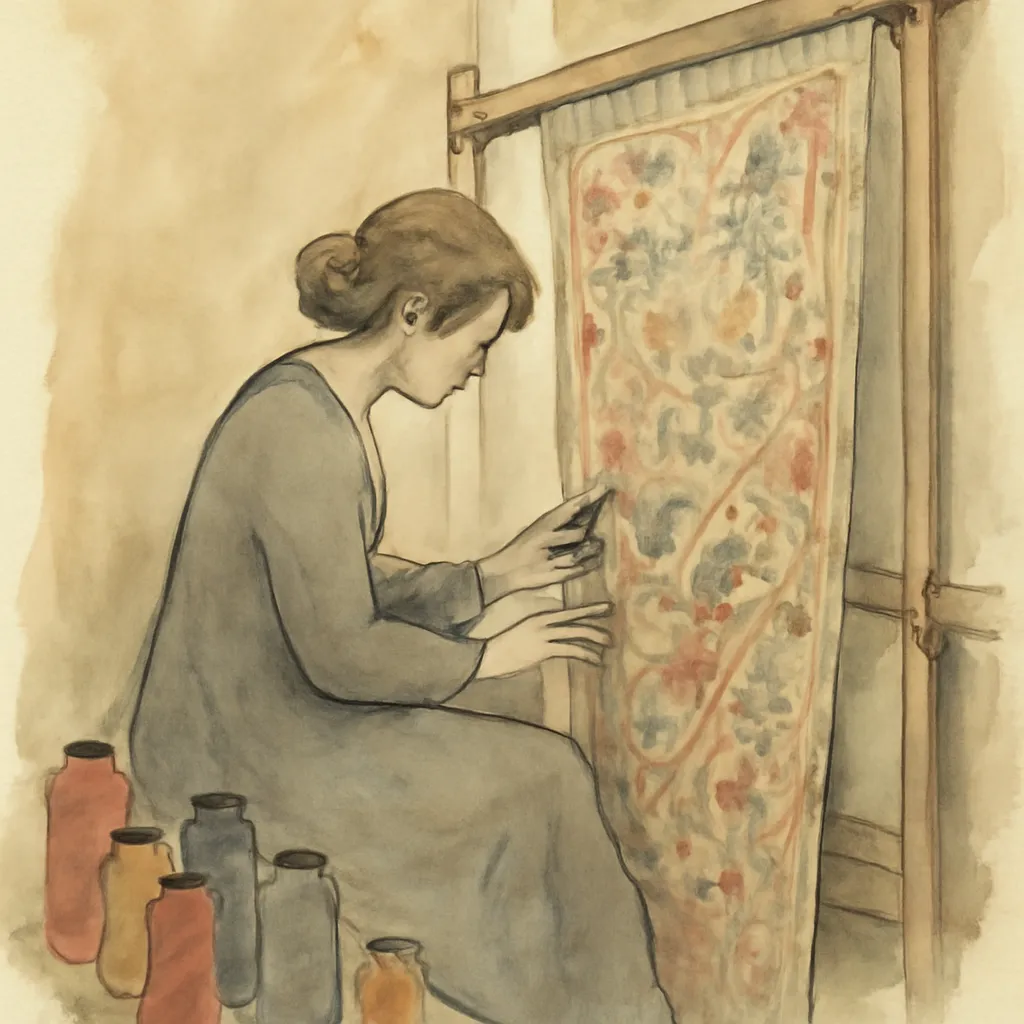
Creating a tapestry is not merely an artistic endeavor; it is a complex technical process that demands skill, patience, and precision. Candee delves into the intricacies of tapestry weaving, describing the processes involved from selecting materials to the final execution on the loom. The traditional techniques used in tapestry production have remained largely unchanged over centuries, highlighting the enduring craftsmanship involved. Each piece requires meticulous planning, often beginning with detailed cartoons that guide the weavers. The labor-intensive nature of tapestry weaving ensures that each work is unique, embodying the weaver's artistry and dedication. The author notes that the colors and textures must be carefully considered, with weavers employing various techniques to achieve depth and richness in each piece. Understanding this technical aspect enhances appreciation for the artistry and effort that goes into each tapestry. The process is as much about the weaver's creative vision as it is about their technical ability to manipulate fiber and color to bring a narrative to life. Candee's examination of these techniques highlights the intersection of art and craft, illustrating how mastery of the medium elevates the final work.
6.Cultural Narratives Embedded in Tapestries
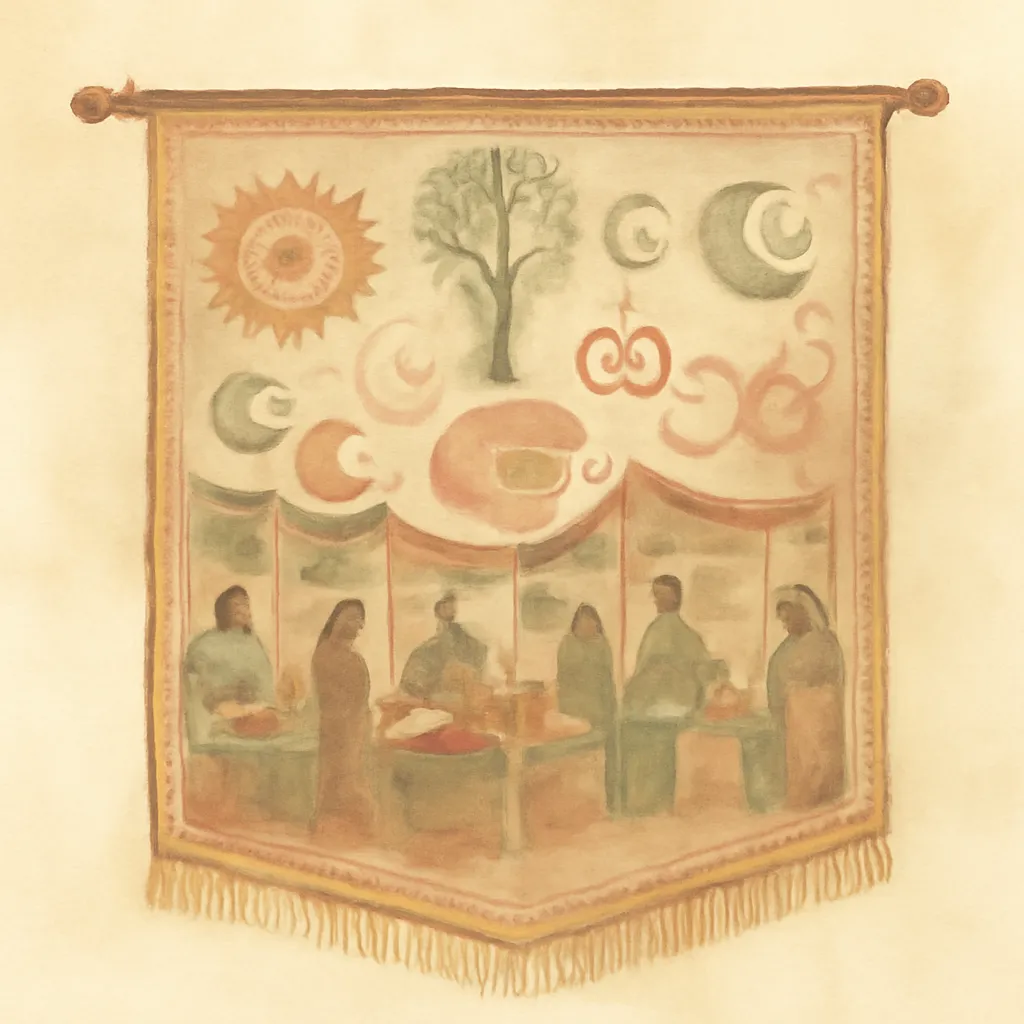
Tapestries serve as cultural narratives, encapsulating the stories, values, and beliefs of the societies that produced them. Candee emphasizes how these textiles often depict historical events, religious themes, and mythological tales, functioning as visual records of human experience. For instance, the Bayeux Tapestry, despite being an embroidery, narrates the conquest of England by William the Conqueror, providing insights into the historical context of the Eleventh Century. By examining the subjects and motifs within tapestries, we can trace the evolution of cultural identities and collective memories. This narrative quality transforms tapestries into more than mere decorative pieces; they become vital historical documents that connect us to our past. The stories they tell resonate with contemporary audiences, reminding us of our shared humanity and the power of visual storytelling. Candee’s exploration of these narratives urges readers to reflect on the significance of cultural heritage and the ways in which art captures the essence of human experience, bridging generational divides.
7.The Impact of the Renaissance on Tapestry Design
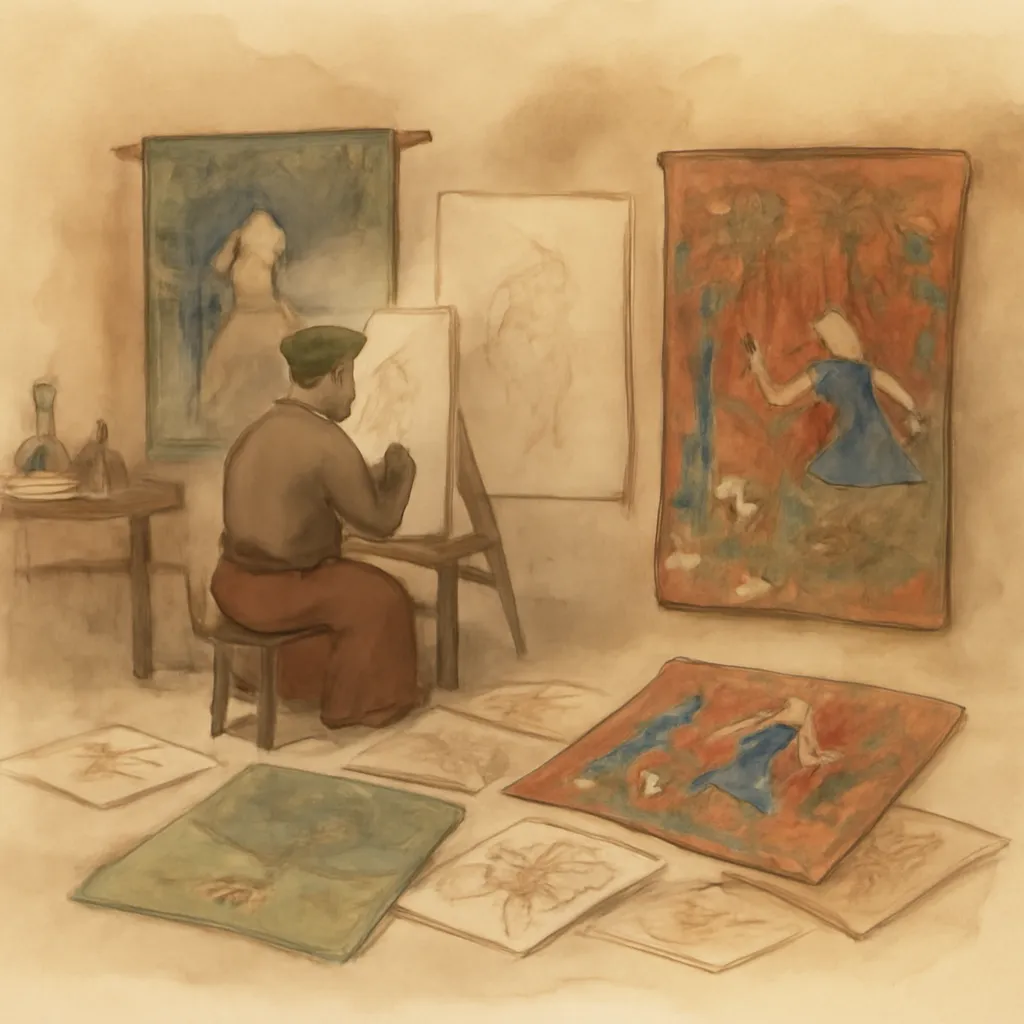
The Renaissance marked a turning point in the evolution of tapestry design, introducing new techniques and artistic influences that reshaped the art form. Candee discusses how the arrival of Italian artists like Raphael in Brussels led to a fusion of styles, resulting in more dynamic and complex compositions. The integration of classical themes and perspectives into tapestry designs reflected the broader cultural revival of the Renaissance, where art began to emphasize realism and human emotion. This period saw tapestries transition from religious and allegorical subjects to more diverse themes, including mythology and daily life. Candee provides examples of how the use of perspective and anatomy in tapestry design mirrors the innovations seen in contemporary paintings, highlighting the exchange of artistic ideas between mediums. The Renaissance's influence on tapestry design illustrates the interconnectedness of artistic movements and their lasting impact on various forms of expression. This shift not only enriched the visual language of tapestries but also expanded their role in societal and personal narratives, making them central to the artistic dialogues of the time.
8.Tapestries as Instruments of Modern Art Appreciation
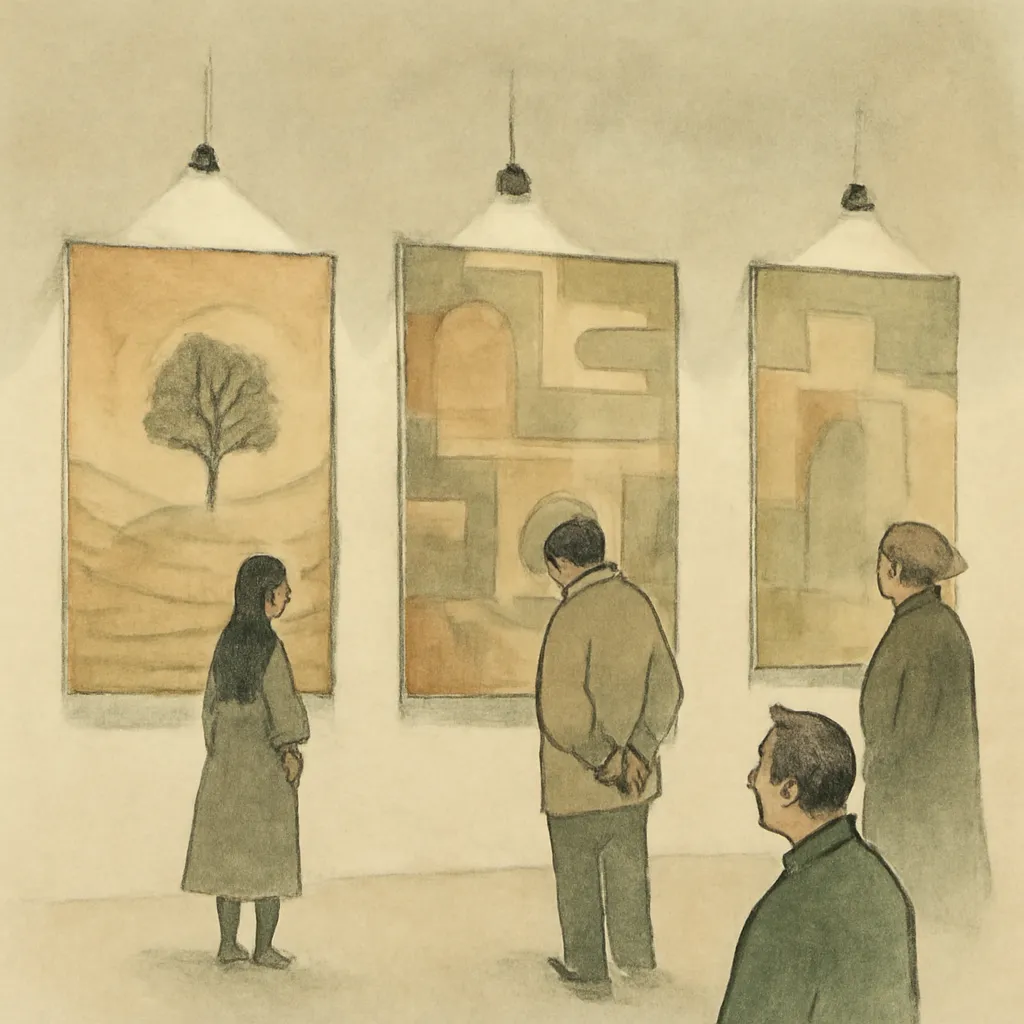
In contemporary society, tapestries have experienced a resurgence in appreciation, often being regarded as valuable art pieces rather than mere decor. Candee notes that collectors and art enthusiasts are increasingly recognizing the historical and artistic significance of tapestries, leading to heightened interest and investment in this art form. Modern exhibitions and auctions showcase the beauty and craftsmanship of tapestries, allowing new audiences to engage with their rich narratives. This renewed appreciation is not just about aesthetics; it also reflects a broader cultural shift towards valuing artisanal craftsmanship and the stories embedded within art. Tapestries today serve as a bridge between the past and present, inviting viewers to explore the cultural histories they embody while challenging us to think critically about the role of art in our lives. The author highlights examples of high-profile sales and exhibitions that have brought tapestry art to the forefront of contemporary discourse, showing how these pieces can command significant attention and respect in the art world.
9.The Future of Tapestry Weaving
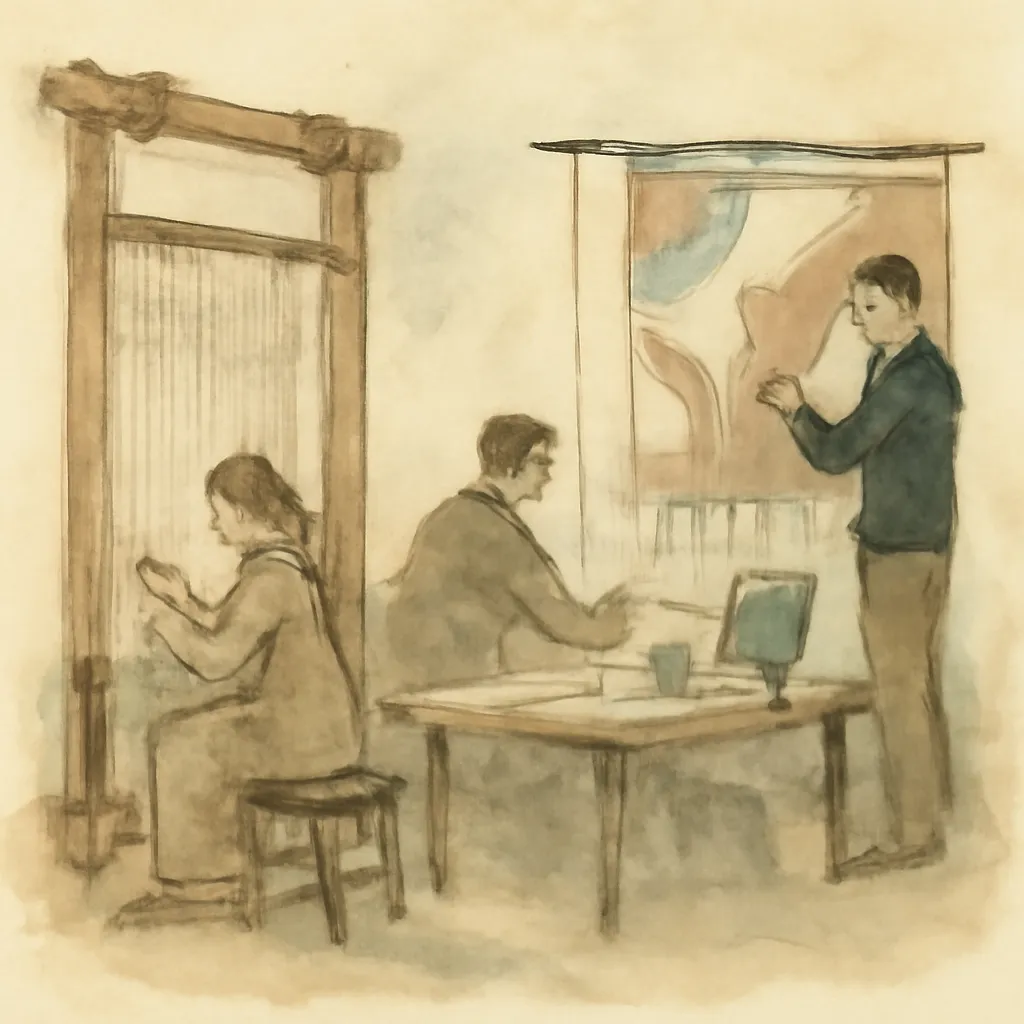
The future of tapestry weaving faces both challenges and opportunities as it navigates the complexities of modern art and consumerism. Candee suggests that while the demand for tapestries has increased, the traditional craft struggles to maintain its relevance in a fast-paced, mass-produced world. However, there is potential for innovation within the craft, as contemporary artists explore new themes and techniques while honoring traditional methods. The revival of interest in handcrafted art forms may pave the way for a new generation of tapestry weavers to emerge, fostering a deeper connection between art and community. As we look ahead, the ongoing evolution of tapestry weaving invites us to engage with the past while envisioning its future in a changing cultural landscape. This forward-thinking approach ensures that the rich history of tapestry weaving will continue to inspire and captivate audiences for generations to come. Candee's reflections on the future of the medium challenge readers to consider their role in preserving and promoting this timeless art form in a contemporary context.