
Tapestries are not merely decorative fabrics; they are intricate narratives of history, culture, and artistry woven into the very fabric of human civilization
Read full overviewShow less›
In 'The Tapestry Book', Helen Churchill Candee explores the rich history and artistry of tapestries, shedding light on their evolution from ancient civilizations to modern-day appreciation. This book is a journey through time, revealing how tapestries serve as both artistic expressions and historical documents that capture the essence of the eras they represent. Readers will discover the significance of tapestries in different cultures, the technical mastery involved in their creation, and the profound appreciation they garner in contemporary society. By delving into the world of tapestries, one gains not only an understanding of their aesthetic value but also an appreciation for the cultural narratives they embody.
The exploration of tapestries in 'The Tapestry Book' not only reveals their artistic and historical significance but also highlights the enduring human connection to this intricate art form. Tapestries serve as windows into the past, offering insights into the cultures, values, and stories that have shaped humanity. As appreciation for this craft continues to grow, we are reminded of the importance of preserving traditional arts while embracing innovation. The narrative quality of tapestries invites us to engage with our history and culture, ensuring that these woven stories remain relevant in our contemporary lives. Ultimately, the journey through the world of tapestries enriches our understanding of art as a reflection of human experience.
- 1The Rising Value of Tapestries
- 2Historical Roots of Tapestry Art
- 3The Evolution of Tapestry Themes
- 4Tapestries as Instruments of Power and Prestige
- 5The Technical Mastery Behind Tapestry Weaving
Notable quotes
“Buy good old tapestries whenever you see them, for there are no more.”
“Tapestries? You can't touch 'em. The prices have gone way out of sight, and are going higher every day.”
“Tapestries are not to be bought lightly, as one buys a summer coat, to throw aside at the change of taste or circumstance.”
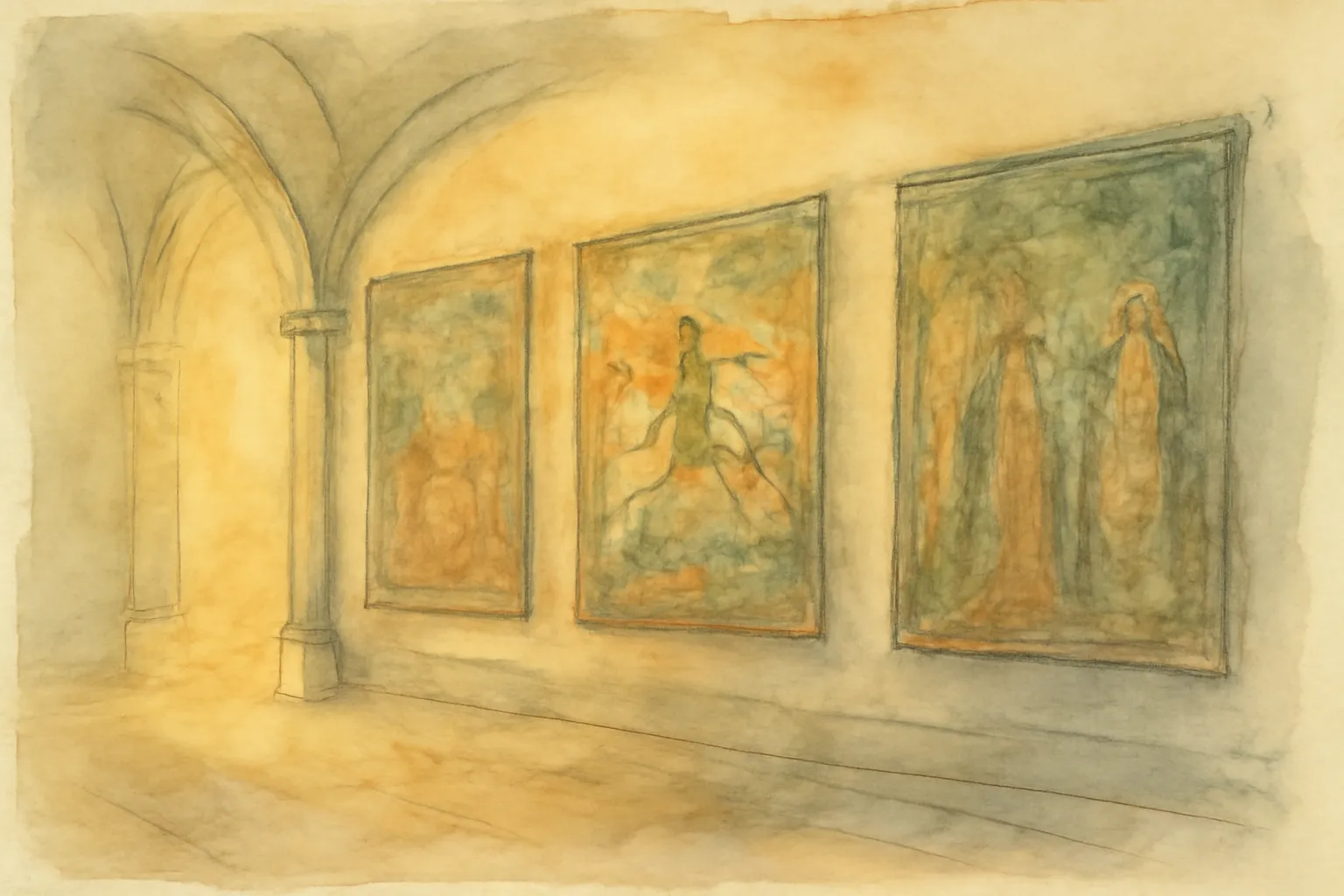
A glimpse inside

The past few years have seen a remarkable increase in the value of tapestries, driven largely by a burgeoning appreciation for this art form in America. Read moreThe past few years have seen a remarkable increase in the value of tapestries, driven largely by a burgeoning appreciation for this art form in America. Tapestries, once viewed as mere decorative items, are now considered essential elements in luxurious homes, leading to a spike in demand and prices. This shift reflects a deeper cultural awakening, where collectors and aficionados recognize the historical and artistic significance of these textiles. As rare pieces become increasingly scarce, even less perfect tapestries gain desirability. The dual perspective of tapestries as both commercial commodities and cherished art underscores their complex value in today’s society, illustrating how they capture the imagination and evoke a sense of history and narrative. The author highlights quotes from collectors, such as one who suggests buying old tapestries whenever seen, emphasizing the urgency of securing these pieces before they disappear from markets. This rising interest not only elevates the status of tapestries but also fosters a community of enthusiasts who seek to understand and preserve this art form. Show less
Tapestry weaving has its origins in some of the world’s oldest civilizations, including Egypt and China, where the craft flourished long before its prominence in Europe. Read moreTapestry weaving has its origins in some of the world’s oldest civilizations, including Egypt and China, where the craft flourished long before its prominence in Europe. The early mastery of tapestry techniques in these regions laid the groundwork for the art form’s development in the West. Candee highlights how ancient cultures created intricate textiles that not only served functional purposes but also conveyed cultural narratives and artistic expressions. For instance, the Coptic tapestry from the Third Century exhibits techniques and styles that resonate with later European works. The documentation of Penelope at her loom, depicted on ancient artifacts, showcases the techniques that echo through time, hinting at a continuity in artistic practices. This historical context enriches our understanding of tapestry as an art form that transcends time and geography. The evolution from these ancient roots to the refinement seen in European tapestries emphasizes the continuity of artistic tradition and the universal human desire to create beauty through textiles. Candee's exploration of these historical contexts invites readers to appreciate how tapestries serve as a bridge between ancient and contemporary artistic practices. Show less
Read the full text — free
About the author
Read Helen Churchill Candee's work free on Lumina — the complete text plus an 8-minute summary and key ideas, no account needed