1.First Contact as Existential Threat
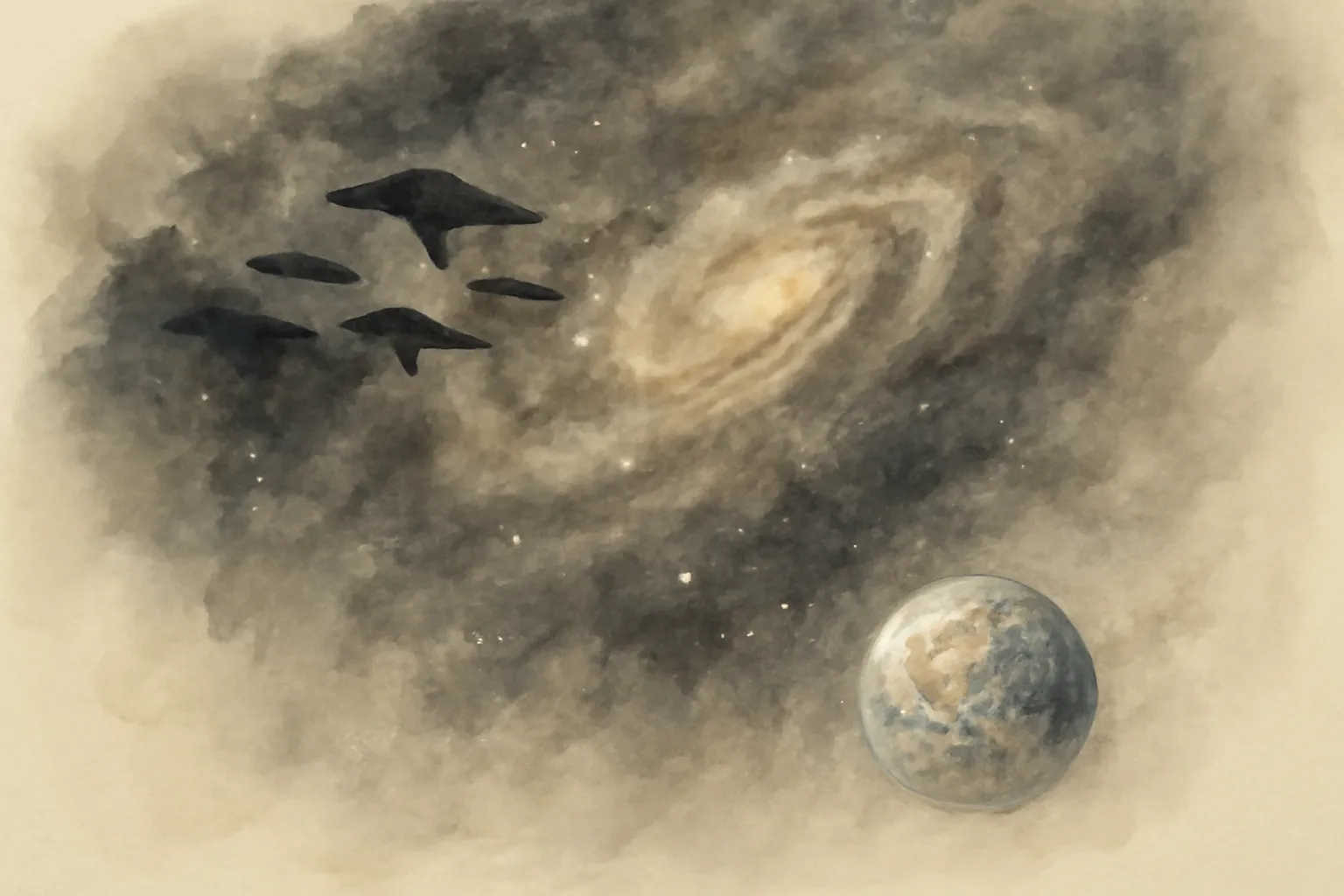
Unlike many first contact stories that imagine communication or cooperation, The Three-Body Problem posits that contact with an advanced alien civilization is inherently dangerous. The Trisolarans, facing extinction, see Earth as a potential new home, setting up a scenario where humanity’s survival is at stake. The novel explores the Fermi Paradox and the 'dark forest' hypothesis, suggesting that civilizations may remain silent out of fear. This reframes first contact not as a hopeful moment, but as a trigger for existential dread and profound uncertainty.
2.Science and Civilization Under Siege
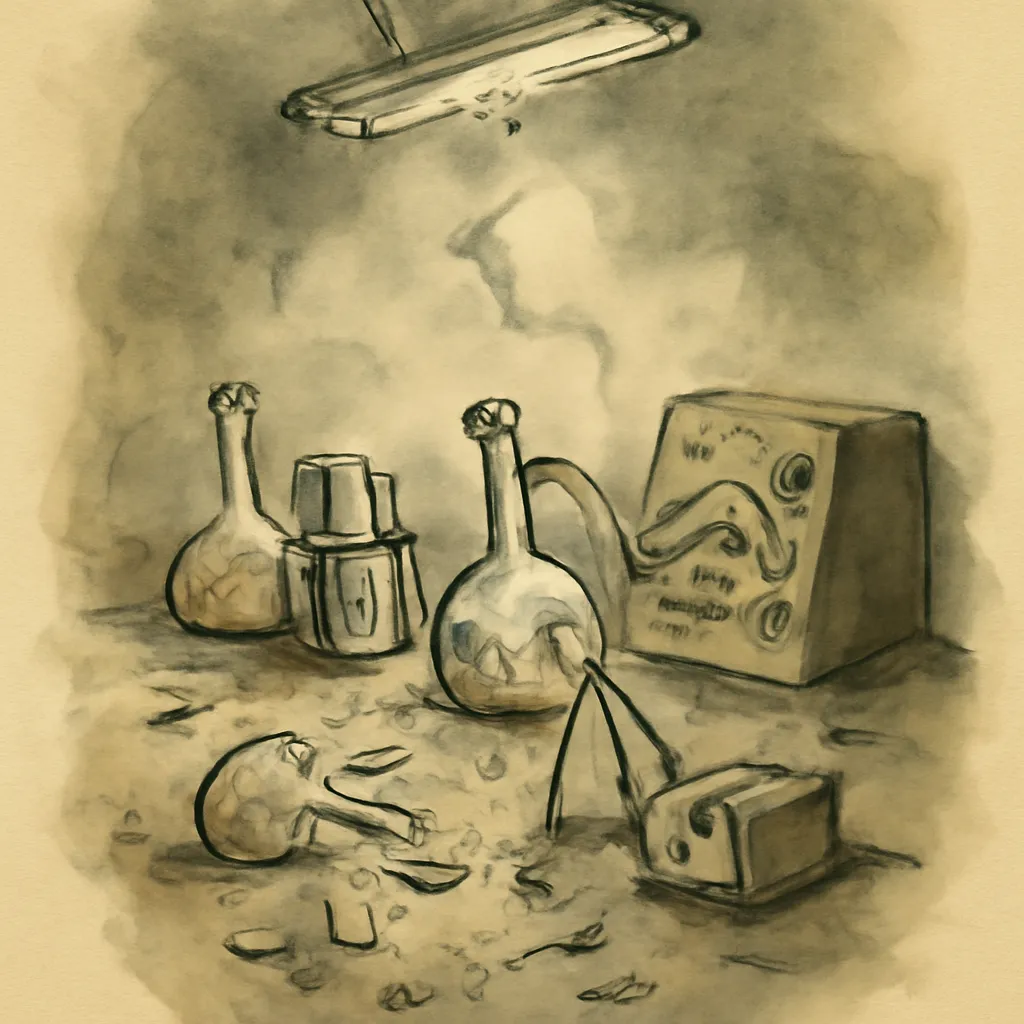
A central theme is the vulnerability of scientific progress. The Trisolarans sabotage human science, causing inexplicable phenomena and halting advances in physics. This creates a sense of helplessness and forces characters to question the reliability of their knowledge. The novel examines how scientific stagnation can paralyze societies, and how the pursuit of truth is both a strength and a weakness when facing the unknown.
3.The Weight of History and Trauma
Set against the backdrop of China’s Cultural Revolution, the novel shows how historical trauma shapes individual and collective choices. Ye Wenjie, whose experiences during the Revolution lead her to despair about humanity, becomes the linchpin for first contact. The story suggests that personal and historical wounds can have cosmic consequences, influencing decisions that reverberate far beyond their origins.
4.Human Division and Collaboration
The arrival of the Trisolarans splits humanity into factions: those who wish to resist the invasion at all costs, and those who welcome the aliens, believing humanity is irredeemable. This division reflects real-world ideological conflicts and raises questions about trust, loyalty, and the nature of progress. The novel asks whether humanity can unite in the face of an external threat, or whether our divisions will be our undoing.
5.The Limits and Power of Human Imagination
Through the virtual reality game 'Three Body,' the novel explores how humans attempt to understand the incomprehensible. The game serves as a metaphor for scientific inquiry and the struggle to make sense of a chaotic universe. Liu suggests that while human imagination has limits, it is also our greatest tool for adaptation and survival in the face of the unknown.
6.Moral Ambiguity and Cosmic Perspective
The Three-Body Problem refuses easy moral answers. Characters’ motivations—whether to betray humanity or to fight for its survival—are shaped by complex personal and philosophical reasoning. The book invites readers to consider whether, on a cosmic scale, human values are meaningful, and what sacrifices are justified for the greater good.