1.The Weight of Disillusionment
The novel opens with a profound sense of existential weariness that grips Sanin after an evening spent with distinguished company. Despite the charm and brilliance surrounding him, he is overwhelmed by a suffocating 'taedium vitae'—a Roman notion of disgust for life. This feeling illustrates Turgenev's exploration of disillusionment, highlighting how even the most cultured and celebrated individuals can succumb to despair. Sanin reflects on the vanity and uselessness of human endeavors, likening life to a futile struggle against an abyss of suffering and death. This theme resonates throughout the narrative, emphasizing how societal expectations can lead to a profound sense of emptiness in the pursuit of success and recognition. Turgenev skillfully uses Sanin's internal monologue to expose the haunting realization that external accomplishments cannot shield one from the deeper existential crises that often lurk beneath the surface of life.
2.Youthful Independence and Artistic Aspirations

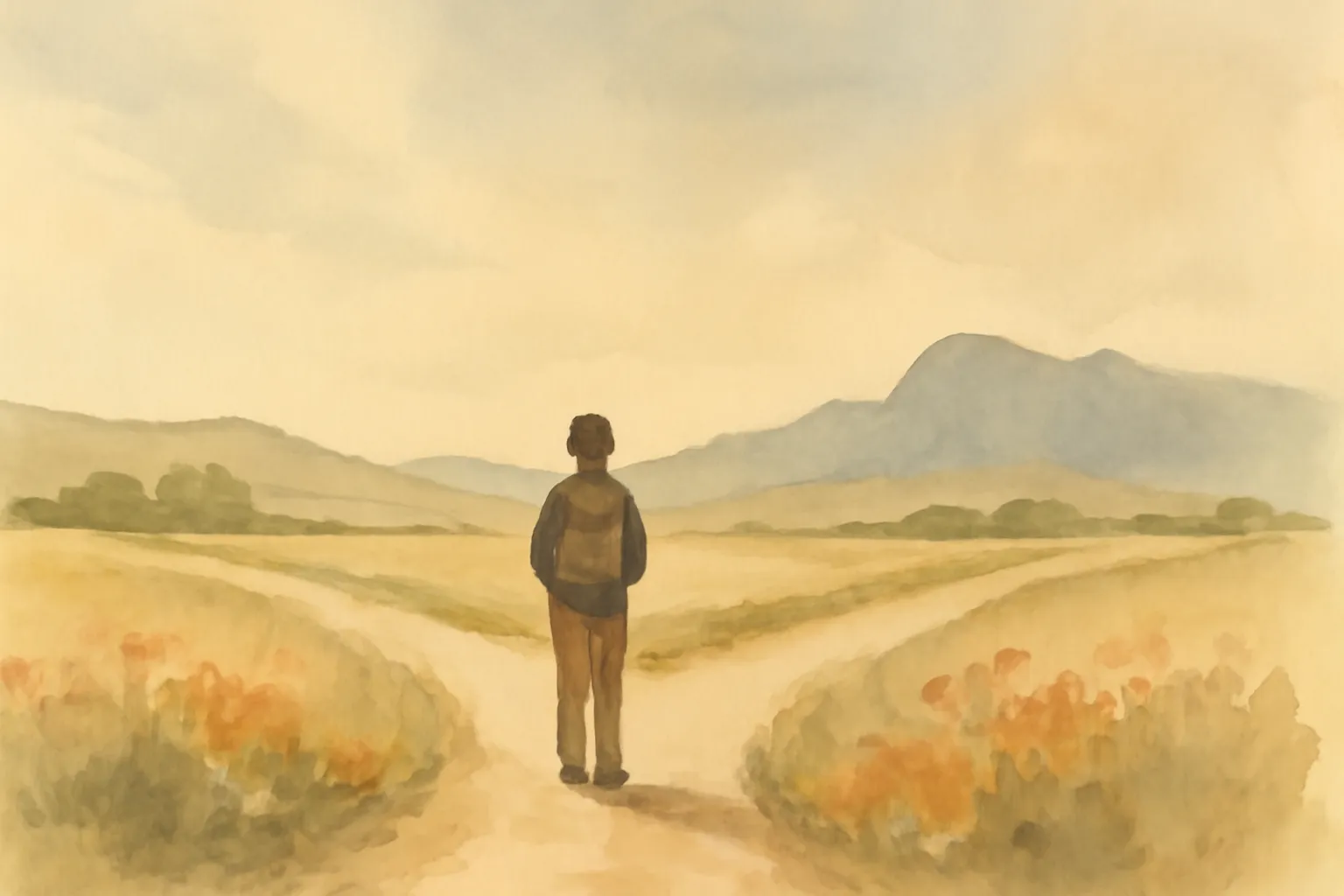
Sanin's journey begins as he travels from Italy to Russia, embodying the spirit of youthful independence. He is a man of small means, having inherited a modest fortune, and he seeks to experience life before succumbing to the 'government yoke' of societal obligations. This desire for freedom reflects the artistic aspirations of many young individuals who yearn to explore their passions without the constraints of duty. Sanin's decision to spend his inheritance traveling rather than investing in a stable career highlights the tension between artistic pursuits and societal expectations. As he wanders through cities and landscapes, Sanin's experiences serve as a microcosm for the romantic idealism that accompanies youth. The reader witnesses not only his external journey but also his internal quest for identity and fulfillment, setting the stage for his encounters with Gemma and the Roselli family, further complicating his quest for self-identity.
3.The Power of Unexpected Encounters
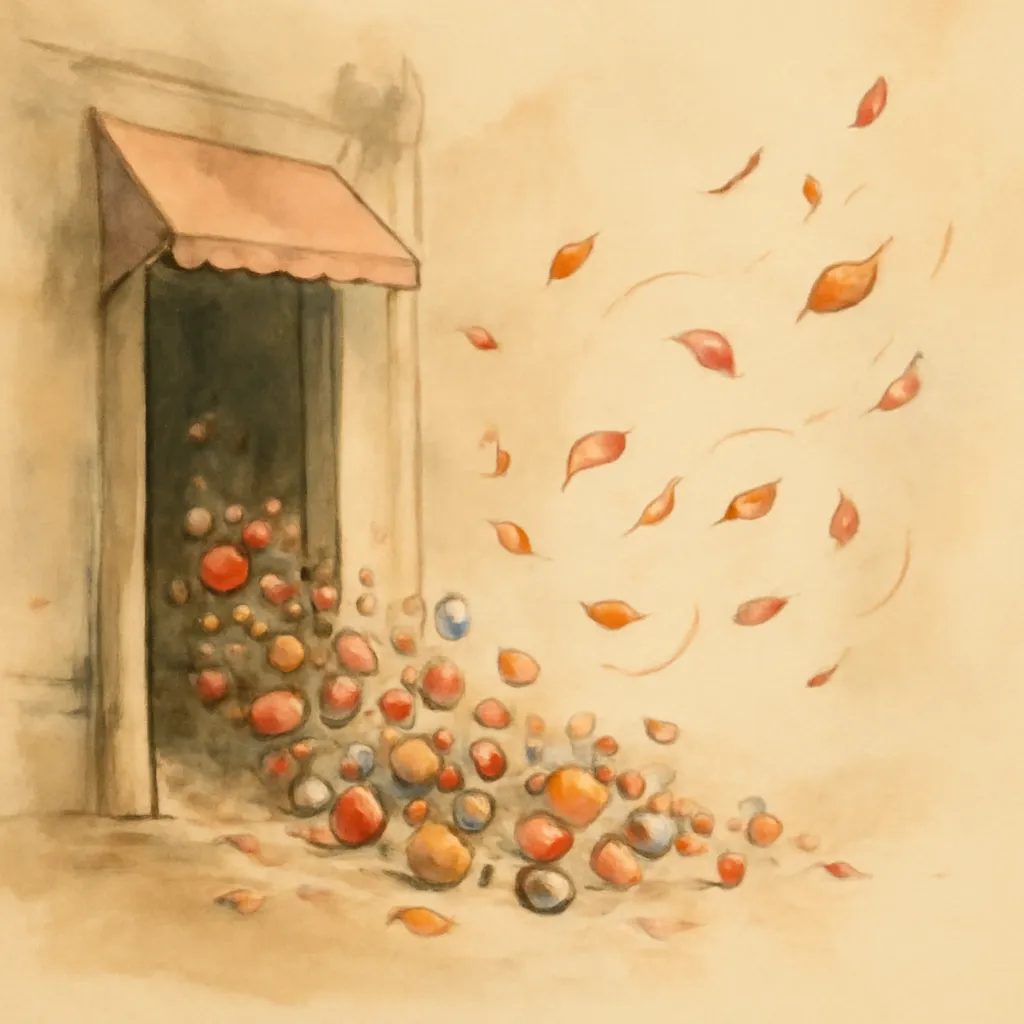
Sanin's chance encounter with Gemma marks a pivotal moment in his journey. When she rushes into the confectionery shop, her beauty and urgency captivate him instantly. This unexpected meeting illustrates the theme of serendipity and how chance encounters can profoundly alter one's path. Gemma's distress over her brother's health draws Sanin into a whirlwind of emotions, igniting a passion that had been dormant within him. Turgenev uses this moment to emphasize the unpredictability of life and love, suggesting that true connections often arise from unforeseen circumstances. Sanin's willingness to engage with Gemma's plight reflects not only his emerging romantic feelings but also his growing emotional maturity. This encounter serves as a catalyst for his transformation, as he begins to move beyond the superficial interactions of his previous life toward a more meaningful existence. The emotional stakes rise significantly as Sanin becomes entangled in the Roselli family's struggles, deepening the narrative's exploration of love and altruism.
4.Love as a Transformative Force
As Sanin becomes further entwined in the lives of the Roselli family, his feelings for Gemma deepen, prompting a transformation within him. Turgenev portrays love not merely as a romantic pursuit but as a catalyst for personal growth and self-discovery. Sanin's affection for Gemma challenges his previous notions of happiness and fulfillment, as he grapples with the implications of pursuing a relationship with someone betrothed to another. This internal conflict echoes the broader theme of love's transformative power, which can lead individuals to reevaluate their values and priorities. The novel suggests that love compels characters to confront their fears, desires, and vulnerabilities, thereby facilitating a journey toward greater self-awareness. Sanin's evolution becomes evident as he navigates the complexities of his feelings, ultimately leading him to a deeper understanding of what it means to love authentically and selflessly.
5.The Duality of Artistic and Commercial Aspirations
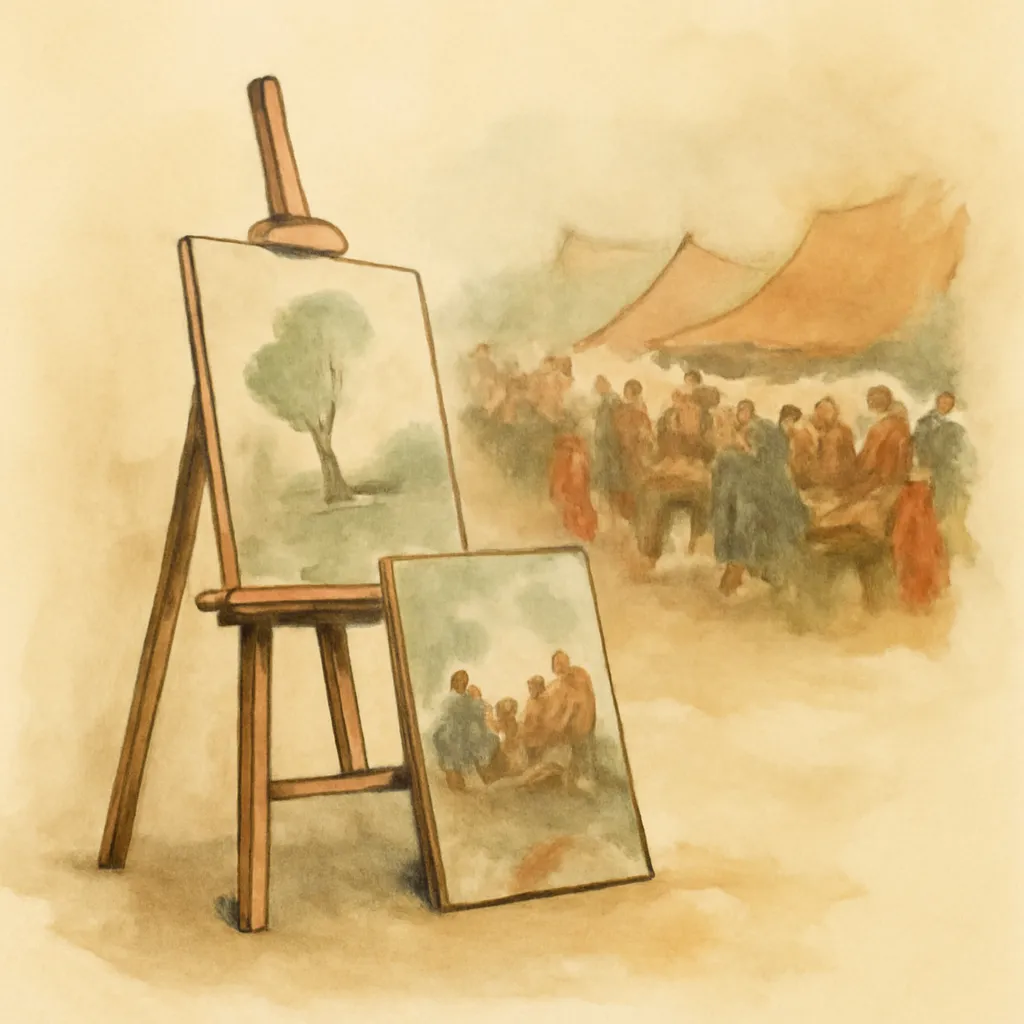
The Roselli family embodies the tension between artistic aspirations and commercial success. Frau Lenore, Gemma's mother, represents the pragmatic side of life, advocating for stability through commerce rather than the uncertain path of artistry. This dichotomy is particularly evident in the discussions surrounding Emil's future, as he aspires to become a musician against his mother's wishes to see him as a shopkeeper. Turgenev uses this conflict to highlight the societal pressures that often stifle creative expression. The characters' differing perspectives on art and commerce reflect a broader commentary on the struggle between pursuing one's passion and adhering to societal norms. Through Emil's character, Turgenev illustrates the challenges faced by aspiring artists in a world that often prioritizes financial security over creative fulfillment. The Rosellis’ dynamic serves as a microcosm for the broader societal tension that exists between the pursuit of art and the demands of a materialistic world.
6.The Complexity of Identity and Belonging
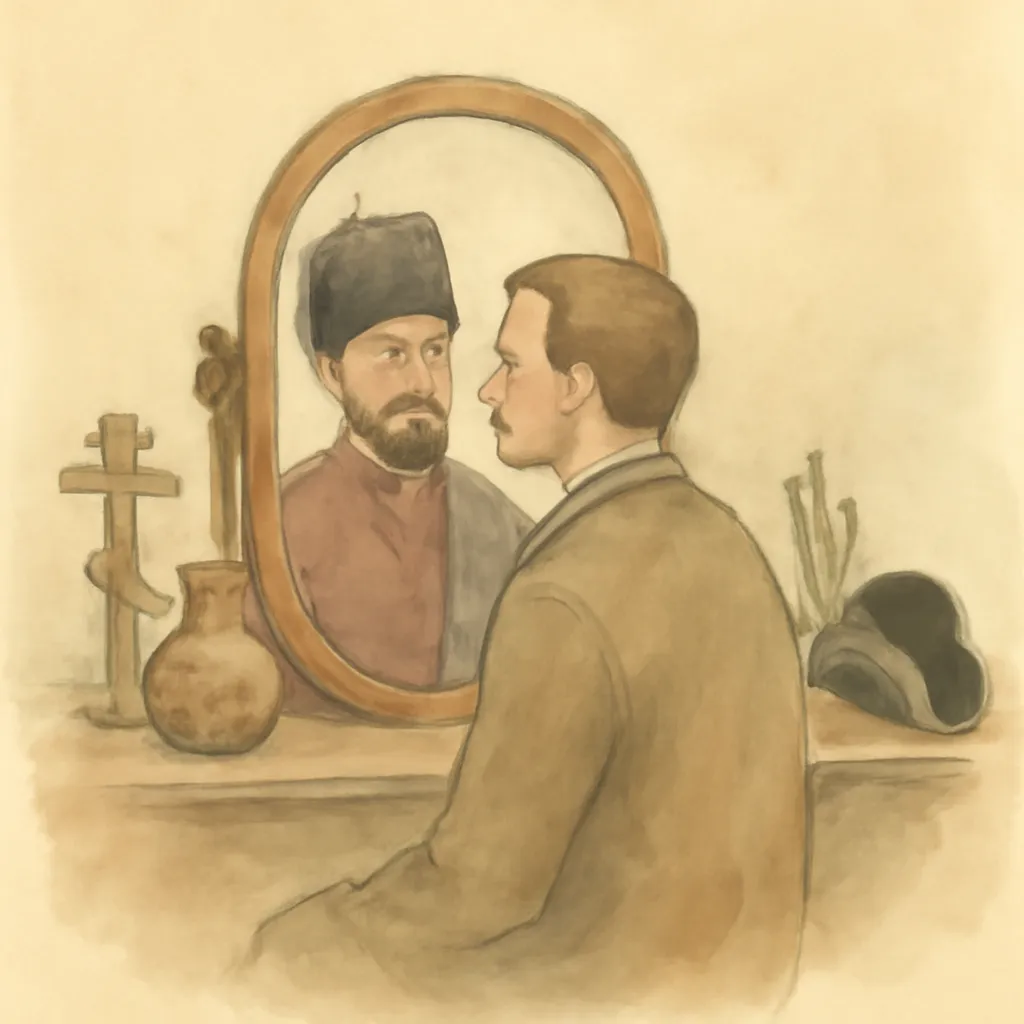
Sanin's identity is a central theme in the narrative, as he grapples with his Russian heritage while immersed in foreign cultures. His interactions with the Roselli family force him to confront his own values and sense of belonging. Turgenev explores the struggle for identity amid the backdrop of societal expectations and cultural differences. Sanin initially revels in the freedom of travel, yet he soon realizes that his roots and responsibilities in Russia cannot be easily dismissed. This internal conflict reflects the universal quest for belonging and the desire to reconcile one's past with present aspirations. The juxtaposition of Sanin’s Russian identity with the Italian setting creates a rich tapestry of cultural exploration, prompting readers to reflect on their own experiences with heritage and the complexities of belonging. Sanin's journey becomes a metaphor for the broader search for identity in a rapidly changing world, highlighting the tension between individual desires and societal expectations.
7.The Impact of Societal Expectations

Throughout 'The Torrents of Spring,' Turgenev addresses the weight of societal expectations on individual choices and relationships. Sanin's connection with Gemma is complicated by her engagement to Herr Klüber, a man who embodies the stability and respectability that society values. This societal pressure creates tension as Sanin grapples with the implications of pursuing his feelings for Gemma. Turgenev critiques the rigid structures of social norms that dictate personal happiness, suggesting that individuals often sacrifice their desires to conform to societal expectations. The novel illustrates how societal pressures can stifle personal freedom and lead to a sense of isolation and regret. Sanin's struggle against these expectations becomes palpable as he contemplates the potential consequences of his love for Gemma, emphasizing the often painful choices that come with navigating love and duty. The characters' lives serve as a reflection of the broader societal context in which they exist, highlighting the external forces that shape their destinies.
8.Art as a Reflection of Life's Turmoil
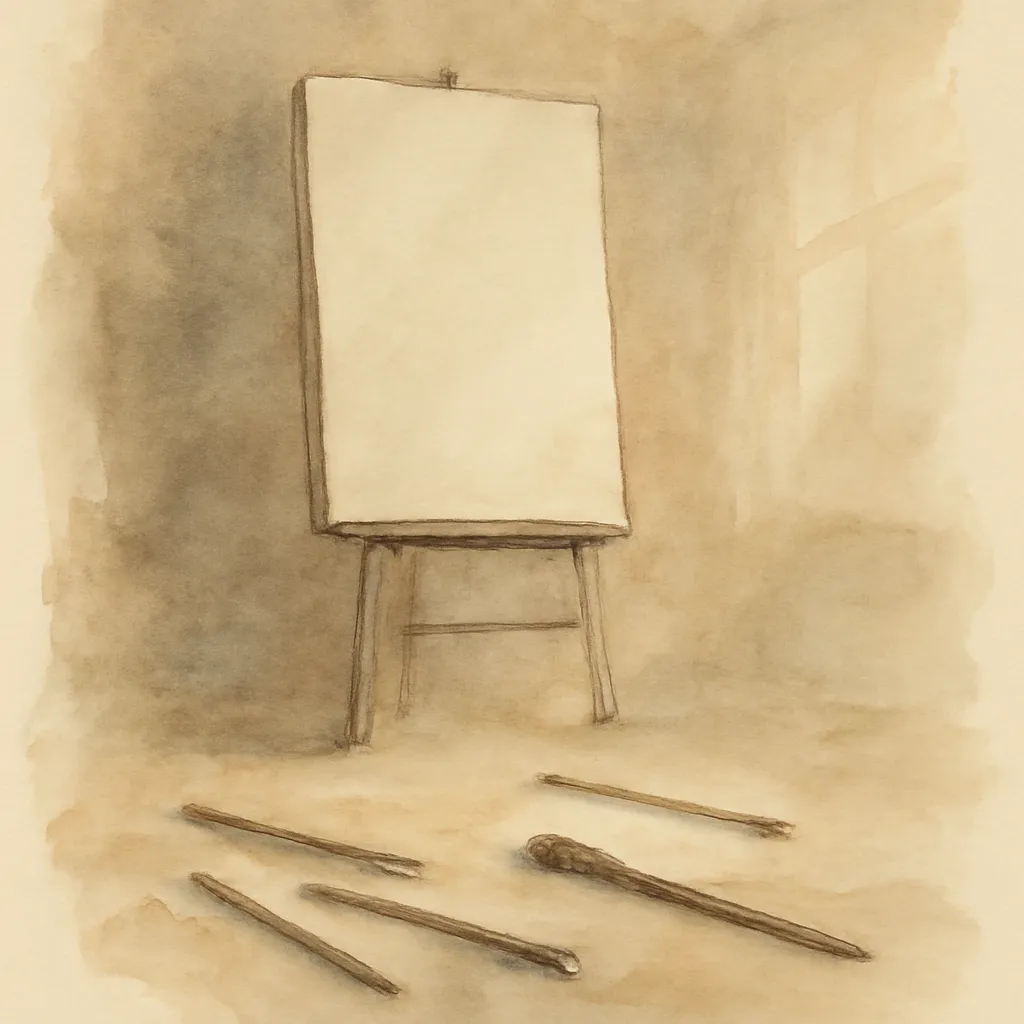
Artistic expression serves as a significant motif in the novel, reflecting the emotional turmoil experienced by the characters. Gemma's performances and readings showcase her talents, offering a glimpse into her inner world and aspirations. Turgenev emphasizes the role of art as a means of coping with life's complexities, allowing characters to express their emotions and confront their struggles. Sanin's admiration for Gemma's artistic abilities further fuels his affection for her, illustrating how creativity can forge deep connections between individuals. This theme underscores the importance of artistic expression in navigating the challenges of life and love, resonating with anyone who has found solace in creativity during turbulent times. The moments of artistic expression become a sanctuary for the characters, enabling them to articulate their innermost feelings in a world that often demands silence and conformity. Turgenev's portrayal of art as a vital force within the narrative elevates its significance beyond mere entertainment, positioning it as a lifeline for the characters.
9.The Consequences of Choices and Regrets

As the narrative progresses, the consequences of choices made by Sanin and the Roselli family come to the forefront. Sanin's decision to engage in a duel over honor reflects the impulsive nature of youth, yet it also serves as a catalyst for self-reflection. The duel represents not only a physical confrontation but also the emotional stakes involved in love and honor. Turgenev explores how choices can reverberate throughout one's life, shaping identities and relationships in unforeseen ways. Sanin's regrets about his decisions become palpable as he contemplates the potential loss of Gemma and the impact of societal norms on his fate. This theme resonates with readers, reminding them of the weight of their choices and the complexity of human emotions. The interplay between choice and consequence serves as a reminder that every action carries with it the potential for both fulfillment and heartbreak, inviting readers to reflect on their own experiences with regret and the intricate web of decisions that shape their lives.
10.Love's Complexity and the Nature of Sacrifice

The relationship between Sanin and Gemma is fraught with complexity, as it navigates the boundaries of love, duty, and societal expectations. Gemma's decision to reject her betrothal to Herr Klüber for the sake of her feelings for Sanin underscores the theme of sacrifice in love. Turgenev portrays love as a powerful force that often requires individuals to make difficult choices that can lead to personal turmoil. Sanin's internal struggle about pursuing Gemma, despite knowing the societal ramifications, illustrates the duality of love's beauty and its burdens. The characters' sacrifices highlight the profound impact of love on their lives, emphasizing that true affection often comes with significant emotional costs. Turgenev suggests that love is not merely about romantic fulfillment; it can also demand the relinquishment of comfort and security for the sake of deeper emotional connections. This exploration of love's complexity invites readers to contemplate the multifaceted nature of their own relationships, emphasizing the transformative power of both love and sacrifice.