
In 'The Torrents of Spring,' Turgenev explores the tumult of youthful passion and the existential dilemmas of adulthood against a backdrop of love, duty, and the weight of societal expectations
Read full overviewShow less›
Set in the summer of 1840, 'The Torrents of Spring' follows the journey of Dmitri Sanin as he navigates the complexities of love and identity while traveling through Europe. The novel deftly juxtaposes the vibrant, carefree spirit of youth against the sobering realities of adult responsibilities and societal pressures. Through Sanin's encounters with the Roselli family, particularly the enchanting Gemma, Turgenev weaves a poignant narrative that delves into themes of passion, artistic aspiration, and the existential angst that often accompanies the transition into maturity. Readers will gain insights into the emotional turbulence of young love and the often harsh realities that accompany the pursuit of happiness in a world rife with expectations.
In 'The Torrents of Spring,' Turgenev masterfully intertwines themes of love, identity, and societal expectations, crafting a narrative that resonates with the struggles of youth and the complexities of adulthood. Through Sanin's encounters and emotional turmoil, readers are invited to reflect on their own experiences with passion, duty, and the relentless pursuit of happiness. The novel serves as a poignant reminder of the bittersweet nature of love and the sacrifices that often accompany it. Ultimately, Turgenev's exploration of these timeless themes underscores the enduring relevance of his work, inviting readers to contemplate the intricate dance between desire and obligation in their own lives.
- 1The Weight of Disillusionment
- 2Youthful Independence and Artistic Aspirations
- 3The Power of Unexpected Encounters
- 4Love as a Transformative Force
- 5The Duality of Artistic and Commercial Aspirations
Notable quotes
“A biting, burning bitterness, like the bitter of wormwood, filled his whole soul.”
“Everywhere the same ever-lasting pouring of water into a sieve, the ever-lasting beating of the air, everywhere the same self-deception—half in good faith, half conscious.”
“I drink to the health of the prettiest confectioner in all Frankfort, in all the world.”
A glimpse inside

The novel opens with a profound sense of existential weariness that grips Sanin after an evening spent with distinguished company. Read moreThe novel opens with a profound sense of existential weariness that grips Sanin after an evening spent with distinguished company. Despite the charm and brilliance surrounding him, he is overwhelmed by a suffocating 'taedium vitae'—a Roman notion of disgust for life. This feeling illustrates Turgenev's exploration of disillusionment, highlighting how even the most cultured and celebrated individuals can succumb to despair. Sanin reflects on the vanity and uselessness of human endeavors, likening life to a futile struggle against an abyss of suffering and death. This theme resonates throughout the narrative, emphasizing how societal expectations can lead to a profound sense of emptiness in the pursuit of success and recognition. Turgenev skillfully uses Sanin's internal monologue to expose the haunting realization that external accomplishments cannot shield one from the deeper existential crises that often lurk beneath the surface of life. Show less
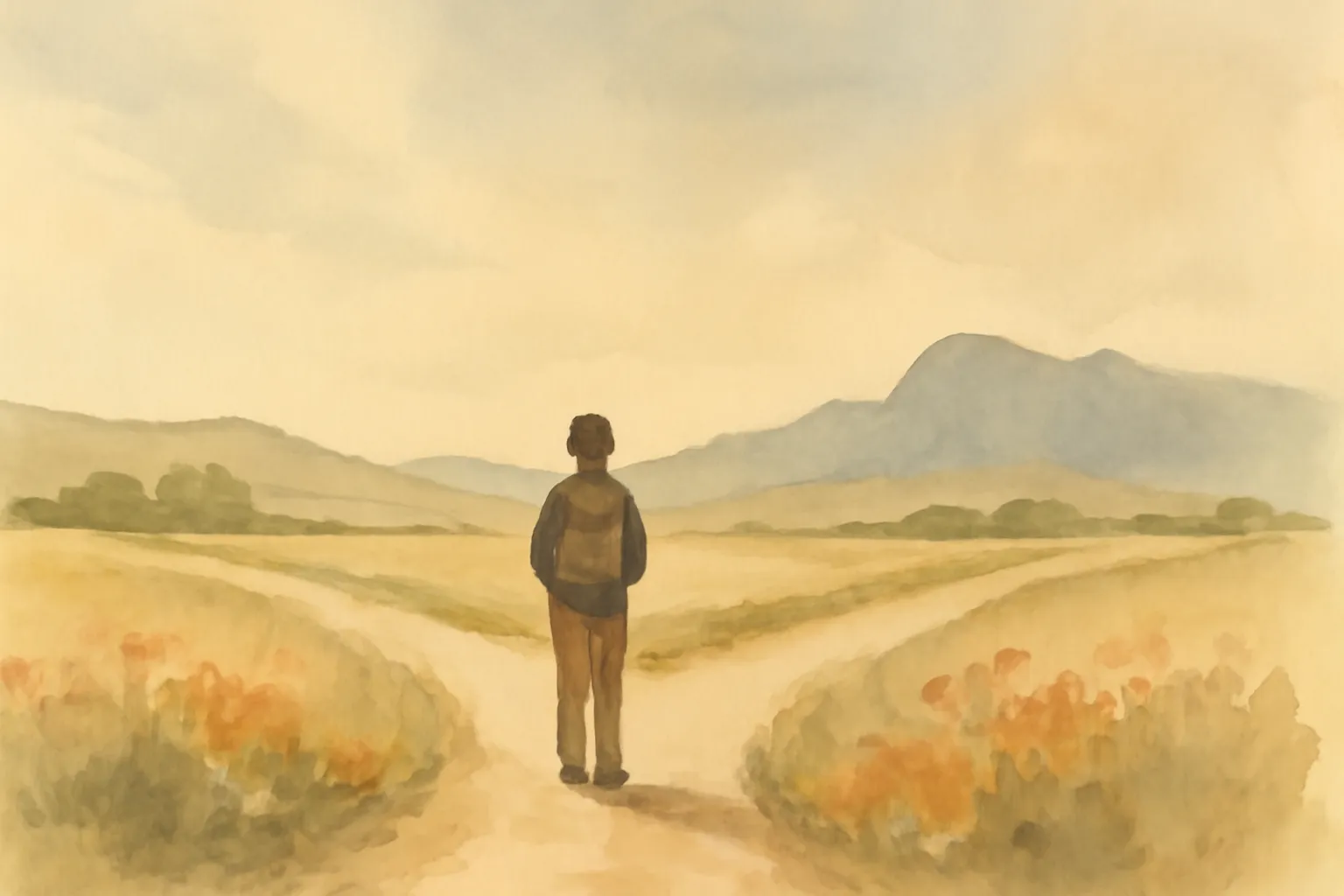
Sanin's journey begins as he travels from Italy to Russia, embodying the spirit of youthful independence. He is a man of small means, having inherited a modest fortune, a… Read moreSanin's journey begins as he travels from Italy to Russia, embodying the spirit of youthful independence. He is a man of small means, having inherited a modest fortune, and he seeks to experience life before succumbing to the 'government yoke' of societal obligations. This desire for freedom reflects the artistic aspirations of many young individuals who yearn to explore their passions without the constraints of duty. Sanin's decision to spend his inheritance traveling rather than investing in a stable career highlights the tension between artistic pursuits and societal expectations. As he wanders through cities and landscapes, Sanin's experiences serve as a microcosm for the romantic idealism that accompanies youth. The reader witnesses not only his external journey but also his internal quest for identity and fulfillment, setting the stage for his encounters with Gemma and the Roselli family, further complicating his quest for self-identity. Show less
Read the full text — free
About the author
Read Ivan Sergeevich Turgenev's work free on Lumina — the complete text plus an 8-minute summary and key ideas, no account needed