1.The Limits of Human Knowledge
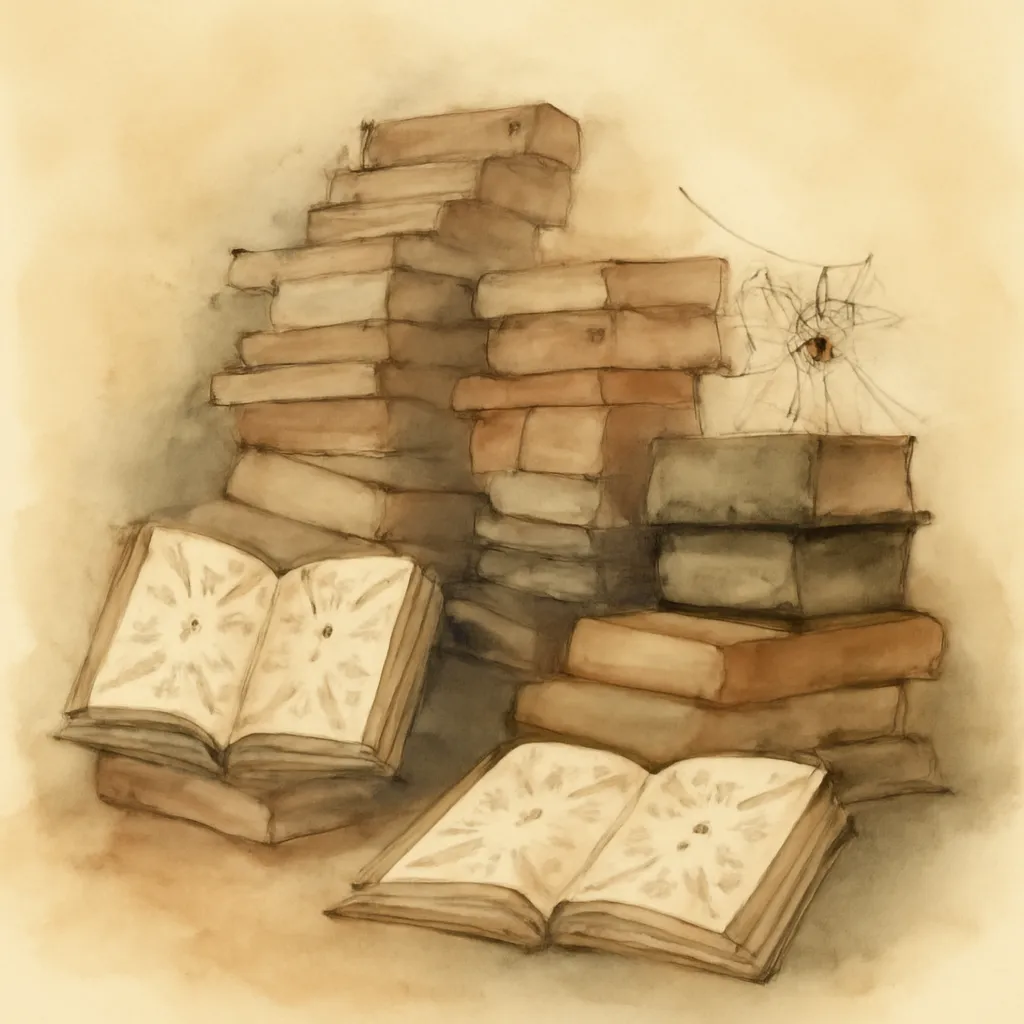
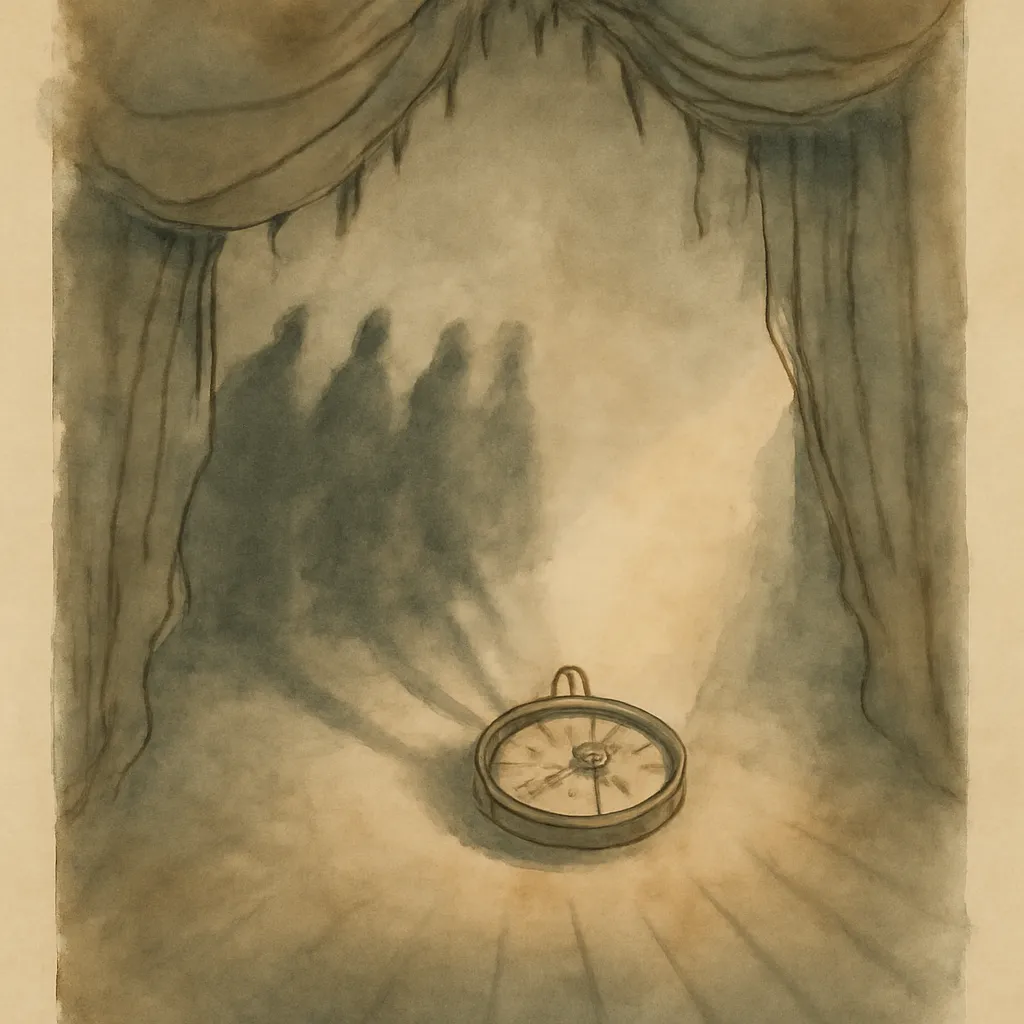
Faustus begins his journey as a scholar who has mastered various fields, including medicine, law, and theology. Despite his accomplishments, he feels an insatiable thirst for knowledge that traditional academic disciplines cannot quench. This dissatisfaction leads him to the dark arts, where he believes he can attain ultimate power and wisdom. His arrogance blinds him to the inherent dangers of necromancy, illustrating the theme that the pursuit of knowledge must be tempered with humility. Faustus's belief that he can control the forces of darkness ultimately leads to his downfall, emphasizing that there are limits to human understanding and ambition. The transformation from a respected scholar to a tragic figure underscores the idea that knowledge without moral grounding can result in catastrophic consequences.
2.The Duality of Good and Evil
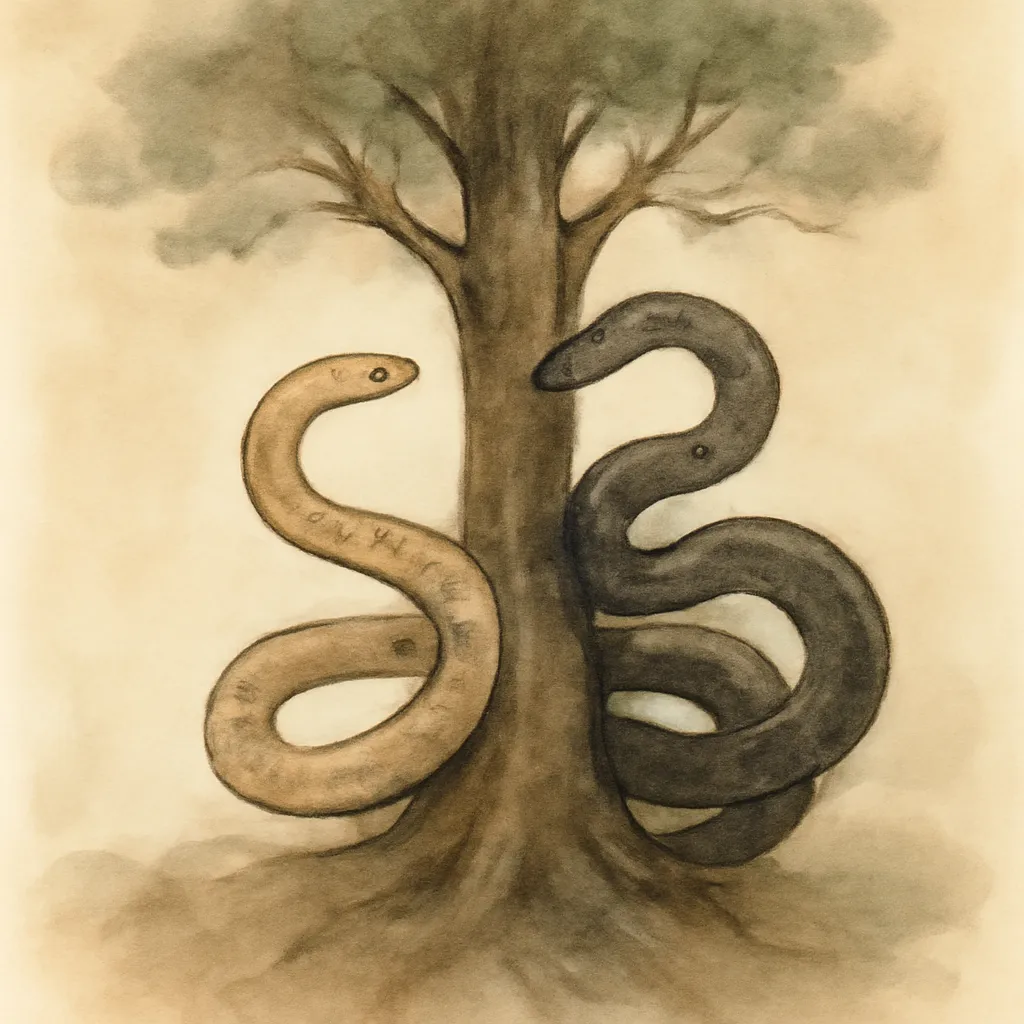
Throughout the play, Faustus is torn between the influences of the Good Angel and the Evil Angel, representing the constant struggle between moral choices. The Good Angel urges him to repent and seek salvation, while the Evil Angel tempts him with promises of power and wealth. This duality reflects the broader human experience, where individuals often grapple with competing desires and the consequences of their decisions. Faustus's eventual choice to embrace evil over good signifies a rejection of divine grace, illustrating the tragic consequences of succumbing to temptation. This inner conflict is further complicated by the seductive nature of knowledge, as Faustus believes that by mastering magic, he can transcend human limitations. The interplay between these two forces underscores the moral complexity of human nature and the ease with which one can stray from the path of righteousness.
3.The Allure of Power and Wealth
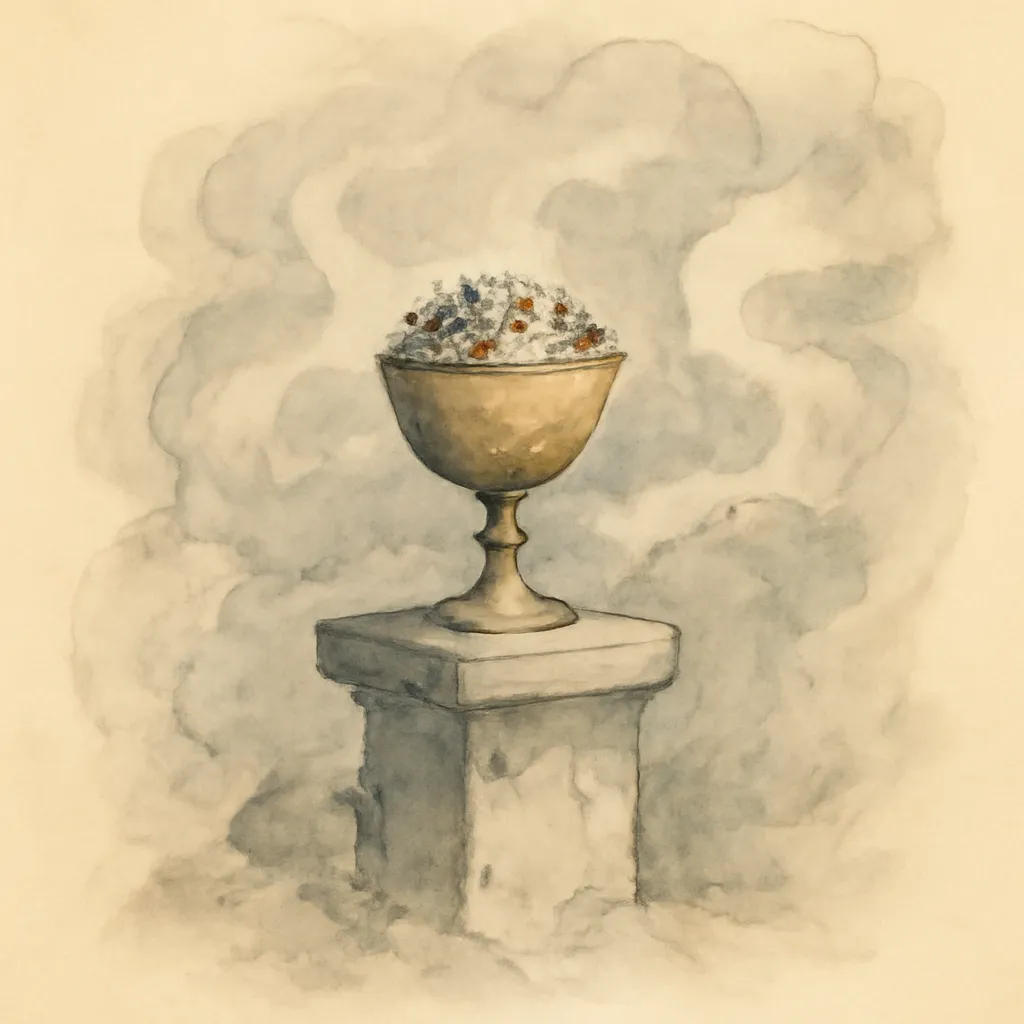
Faustus's pact with Mephistophilis highlights the seductive nature of power and wealth. Initially, Faustus is drawn to the idea of wielding supernatural abilities that would elevate his status and grant him control over the world. He envisions himself as a god-like figure, free from the constraints of mortality and human limitations. His ambition drives him to prioritize worldly pleasures over spiritual fulfillment. However, as the play progresses, it becomes clear that the power he craves comes at a steep price. Faustus engages in extravagant displays of magic, summoning figures such as Alexander the Great and Helen of Troy, yet finds these experiences ultimately unfulfilling. His experiences serve as a reminder that the pursuit of material gain and status can lead to moral decay and spiritual desolation. Faustus's eventual realization that such power is ultimately hollow is a poignant commentary on the dangers of unbridled ambition.
4.The Nature of Regret and Despair
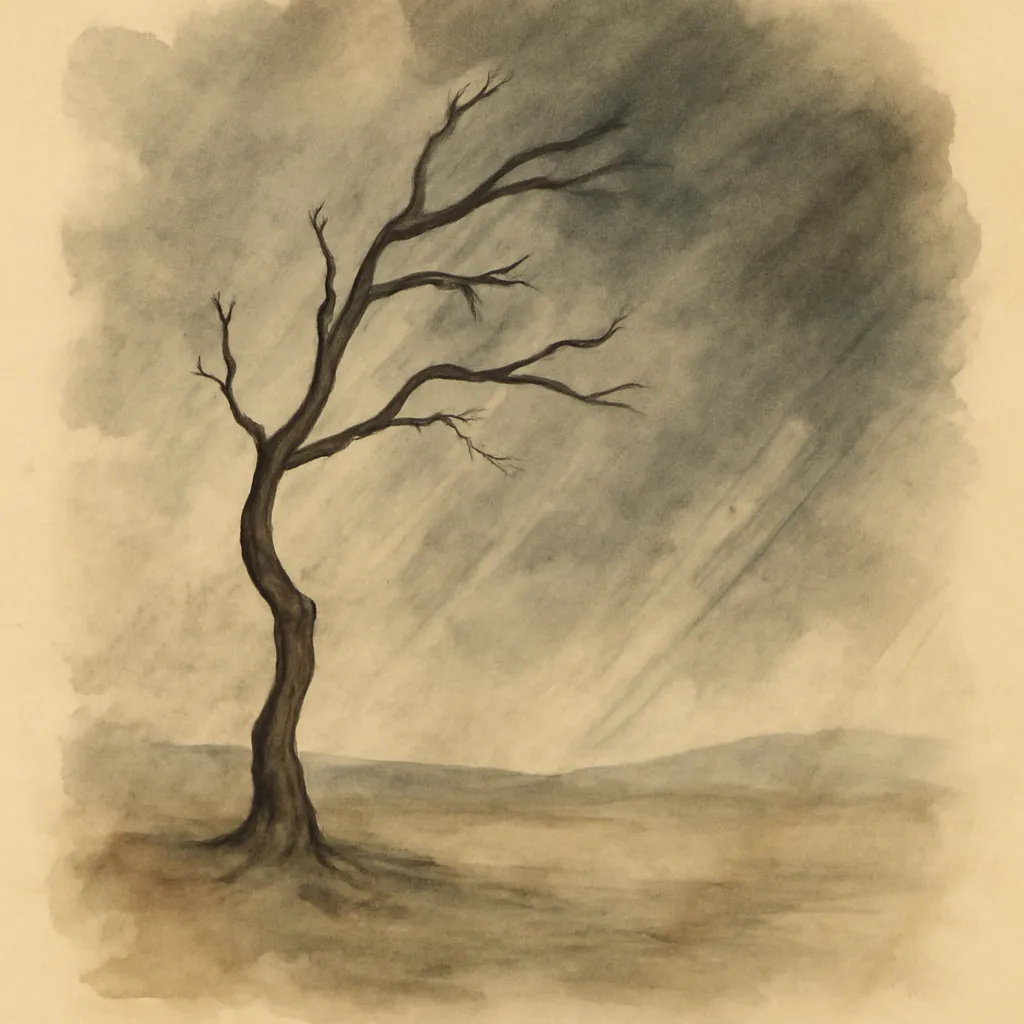
As Faustus approaches the end of his allotted time, he grapples with profound regret and despair. Despite moments of reflection and a desire to repent, he finds himself unable to escape the grip of his choices. The Old Man's plea for Faustus to seek redemption highlights the struggle between hope and hopelessness. Faustus's internal conflict illustrates the painful reality of recognizing one's sins while feeling trapped by them. He oscillates between moments of clarity and despair, revealing the psychological torment that accompanies his choices. His despair culminates in a tragic acceptance of his fate, emphasizing that the consequences of our actions can lead to a deep, inescapable sorrow. The exploration of regret serves as a powerful reminder of the importance of making wise choices and the potential for redemption that can be lost. Faustus's inability to fully embrace repentance exemplifies the human struggle against despair, making his tragedy resonate on an emotional level.
5.The Role of the Chorus
The Chorus plays a vital role in framing the narrative of Faustus's tragedy. It serves as a moral compass, guiding the audience's understanding of Faustus's choices and the implications of his actions. By commenting on Faustus's journey, the Chorus emphasizes the themes of ambition, hubris, and the quest for knowledge. It also foreshadows Faustus's downfall, reminding the audience that his fate is sealed by his own decisions. This narrative technique enriches the play by providing context and reinforcing the moral lessons embedded within the story. The Chorus's presence serves to elevate the dramatic tension and underscores the play's tragic nature, positioning Faustus as a cautionary figure. By reminding the audience of the consequences inherent in Faustus's choices, the Chorus enhances the emotional impact of his eventual downfall.
6.The Consequences of Hubris
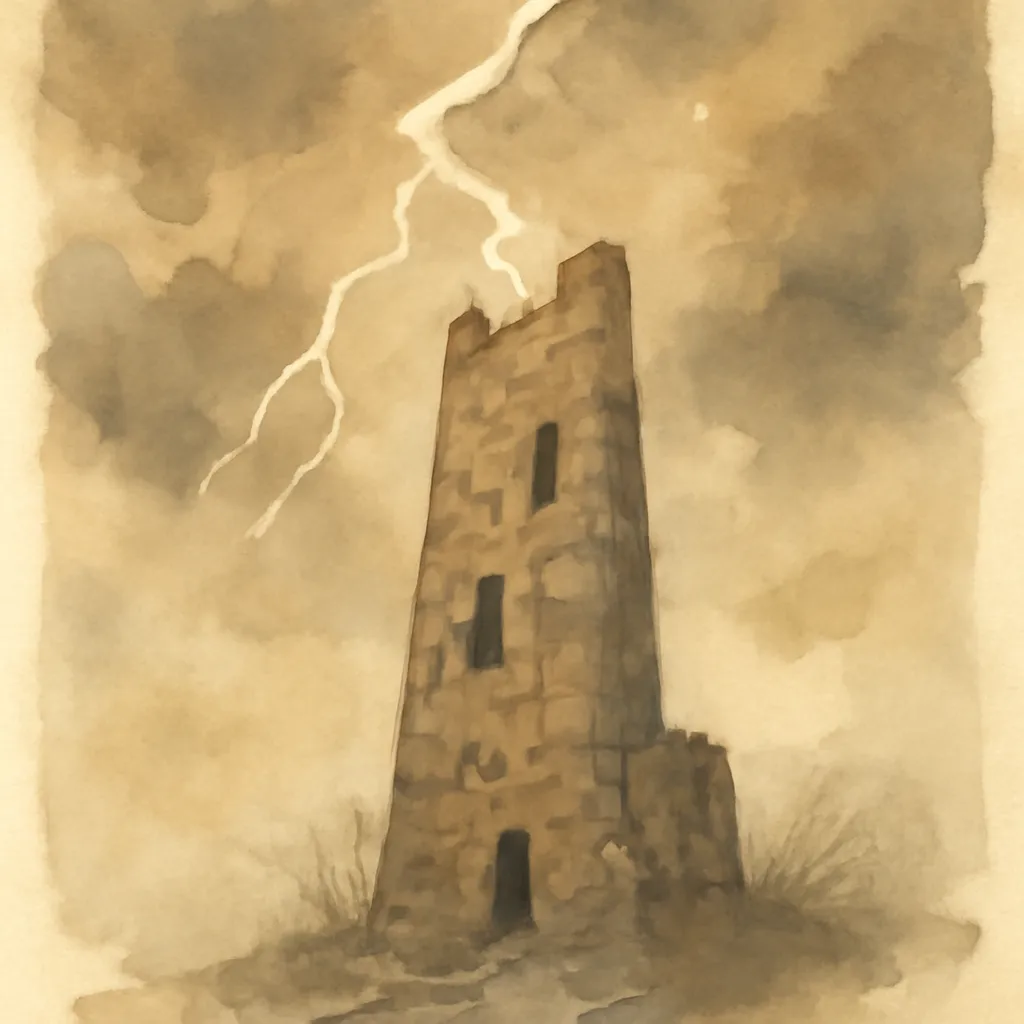
Faustus's excessive pride and ambition lead him to make a pact with Lucifer, marking the beginning of his tragic downfall. His belief that he can control the powers of hell and manipulate them for his own gain reflects a profound hubris that ultimately seals his fate. This theme of hubris resonates throughout the play, as Faustus repeatedly dismisses warnings from the Good Angel and others who urge him to reconsider his choices. His arrogance blinds him to the reality of the consequences of his actions, leading him to believe that he can escape the repercussions of his deal with the devil. The consequences of his arrogance manifest in his eventual despair and damnation, illustrating the age-old adage that pride comes before a fall. Marlowe's portrayal of Faustus serves as a cautionary tale about the dangers of overreaching and the inevitable repercussions of defying moral boundaries. This hubris acts as both Faustus's driving force and his undoing, emphasizing the delicate balance between ambition and folly.
7.The Influence of the Supernatural
The presence of supernatural elements, particularly through Mephistophilis and the Seven Deadly Sins, adds a layer of complexity to Faustus's story. Mephistophilis embodies the seductive nature of evil, enticing Faustus with the promise of power and knowledge. The various spirits that appear throughout the play, including historical figures like Alexander the Great, serve to showcase the extent of Faustus's newfound abilities. However, these encounters also reveal the emptiness of his pursuits, as he realizes that the wonders of magic do not fill the void left by his lost humanity. The supernatural serves as both a catalyst for Faustus's ambition and a reminder of the moral consequences that accompany his choices. The vivid imagery of hell and the torments that await Faustus highlight the play's exploration of the conflict between worldly desires and spiritual damnation. Marlowe uses these elements to reinforce the central themes of the play, illustrating the allure of the supernatural and the dangers of overindulgence.
8.The Quest for Identity
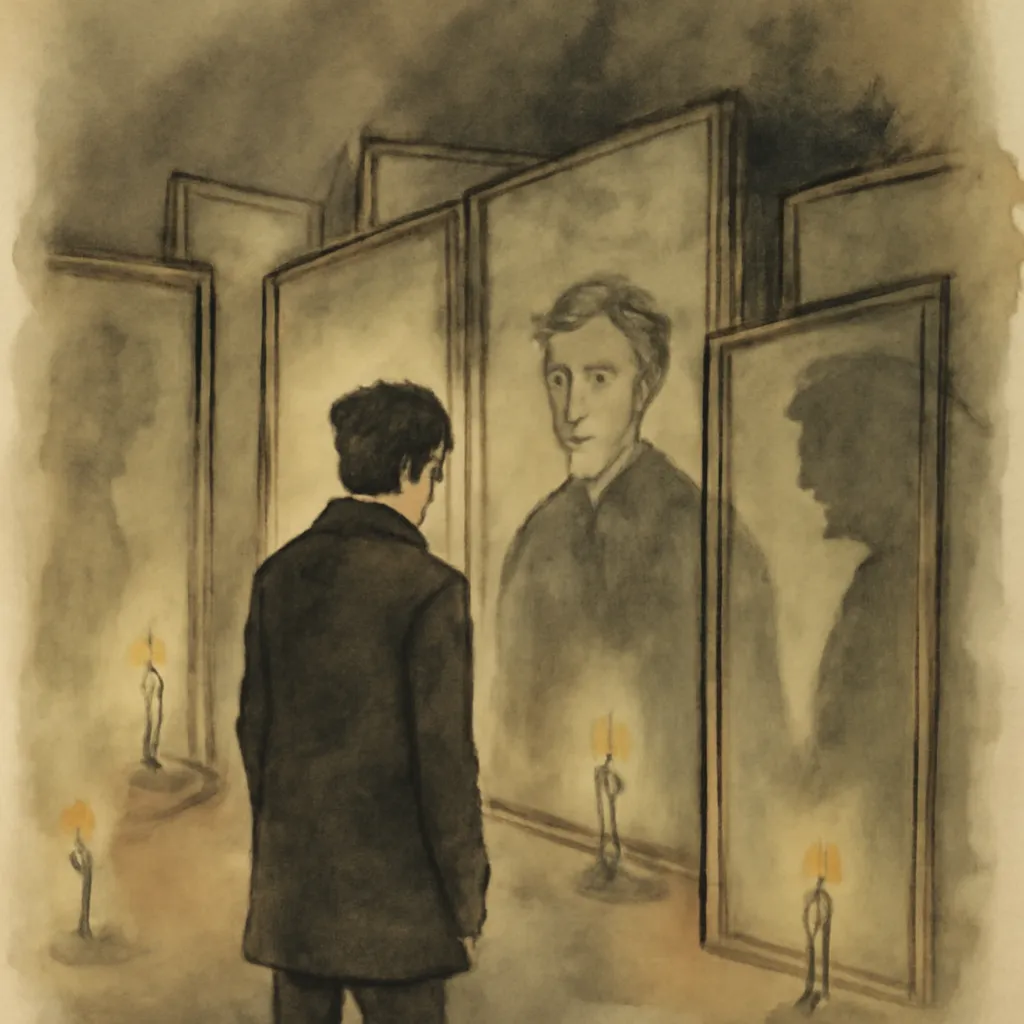
Faustus's journey is also a quest for identity, as he seeks to redefine himself beyond the limitations of human existence. By entering into a pact with Lucifer, he attempts to transcend the boundaries of mortality and gain god-like status. However, as he delves deeper into the dark arts, he becomes increasingly isolated and alienated from his former self. His struggle to maintain his identity amidst the chaos of his choices reflects the broader human experience of seeking meaning and purpose. The tension between Faustus's aspirations and the reality of his situation drives him into deeper despair, as he loses touch with the person he once was. His inability to reconcile his ambitions with the moral implications of his actions leads to a profound sense of loss and existential crisis. Ultimately, Faustus's journey serves as a cautionary exploration of the human desire for transcendence and the potential dangers of losing one's identity in the pursuit of power.
9.Redemption and the Human Condition
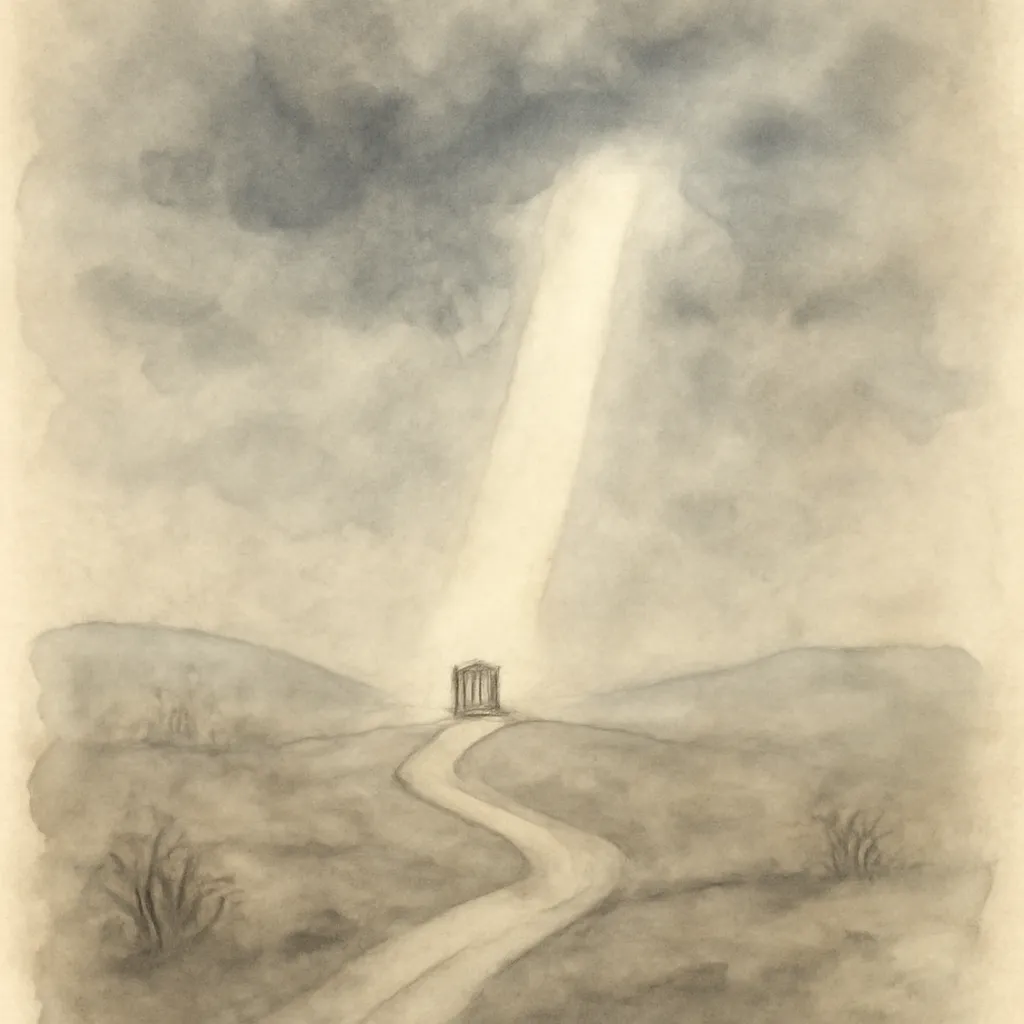
The theme of redemption is central to Faustus's story, as he grapples with the possibility of salvation even as he descends into despair. The Old Man represents the voice of reason and hope, urging Faustus to seek mercy and turn back to God. Despite the opportunities for redemption presented to him, Faustus's struggle with his own worthiness and the weight of his sins creates a barrier to salvation. This internal conflict speaks to the human condition, as individuals often grapple with feelings of guilt and the desire for forgiveness. Faustus's tragic end raises profound questions about the nature of redemption and whether it is attainable for those who have strayed from the path of righteousness. His ultimate rejection of grace serves as a poignant commentary on the complexities of faith and the human capacity for self-destruction. Marlowe’s exploration of redemption reflects a deep understanding of the struggles inherent in the human experience, inviting readers to reflect on their own potential for change.
10.The Tragic Hero Archetype

Faustus embodies the characteristics of the tragic hero, a figure who possesses great potential but is ultimately brought down by their flaws. His insatiable ambition and desire for knowledge set him apart as a brilliant scholar, yet these very traits lead him to make a fateful pact with the devil. The tragic hero's journey often involves a moment of realization, where they confront the consequences of their actions. Faustus experiences this moment too late, as he is consumed by despair and regret. Marlowe's portrayal of Faustus as a tragic hero invites the audience to empathize with his plight while also serving as a cautionary tale about the dangers of unchecked ambition and the pursuit of power. The archetype of the tragic hero serves to highlight the fragility of human aspirations and the ease with which individuals can fall from greatness. Faustus’s journey serves as a reflection of the human condition, emphasizing the thin line between ambition and ruin.