Fiction · Short Reads
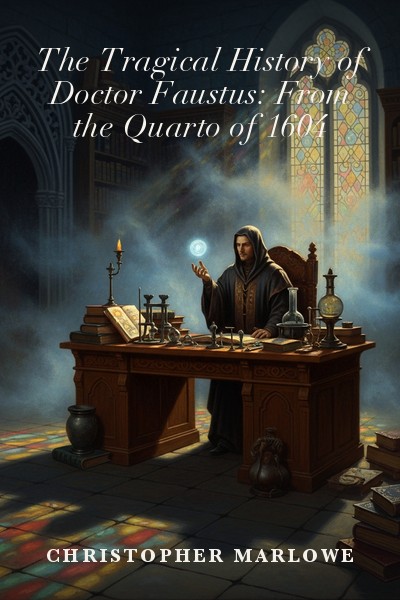
The Tragical History of Doctor Faustus: From the Quarto of 1604 by Christopher Marlowe — Summary, Key Ideas & Full Text
45 pages4 chapters54 min read38 min speed read✦ 10-min Big ideas★ 3.0 (1)Free · no account
Rate it
The pursuit of knowledge can lead to ruin, as shown in the tragic tale of Doctor Faustus
Christopher Marlowe's 'The Tragical History of Doctor Faustus' chronicles the perilous journey of a brilliant scholar who, in his insatiable quest for knowledge and power, makes a fateful pact with the devil. Faustus, a man of great intellect, becomes disillusioned with the limitations of traditional studies and seeks to unlock the secrets of magic and necromancy. This play serves as a cautionary tale about ambition, the consequences of hubris, and the eternal struggle between good and evil. Readers will explore Faustus's internal conflict, the seductive nature of temptation, and the ultimate price of forsaking one's soul. Through its rich characters and dramatic tension, Marlowe's work invites reflection on the moral implications of our choices and the relentless pursuit of knowledge.
In 'The Tragical History of Doctor Faustus', Christopher Marlowe crafts a timeless narrative that explores the complexities of ambition, morality, and the human spirit. Faustus's tragic journey serves as a powerful reminder of the consequences of overreaching and the eternal struggle between good and evil. Through rich character development and poignant themes, Marlowe invites readers to reflect on their own choices and the potential for redemption. The play resonates across generations, urging us to consider the balance between our aspirations and the moral implications of our actions. Ultimately, Faustus's story remains a cautionary tale that underscores the fragility of the human condition and the profound impact of our decisions.
“Not marching now in fields of Thrasymene, Where Mars did mate the Carthaginians;”
“Sweet Faustus, leave that execrable art.”
“What, are you crossing of yourself? Well, use that trick no more, I would advise you.”
Read Christopher Marlowe's work free on Lumina — the complete text plus an 8-minute summary and key ideas, no account needed