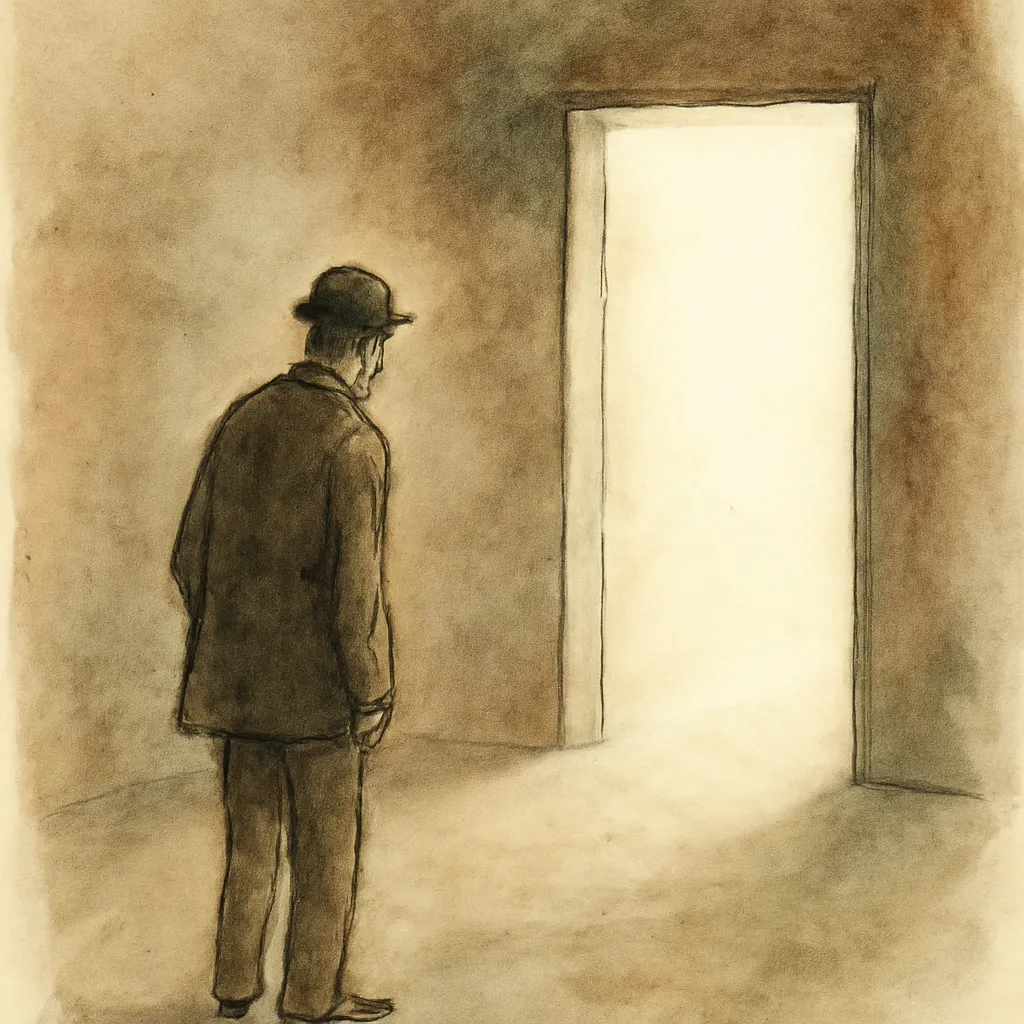
1.The Absurdity of Bureaucracy
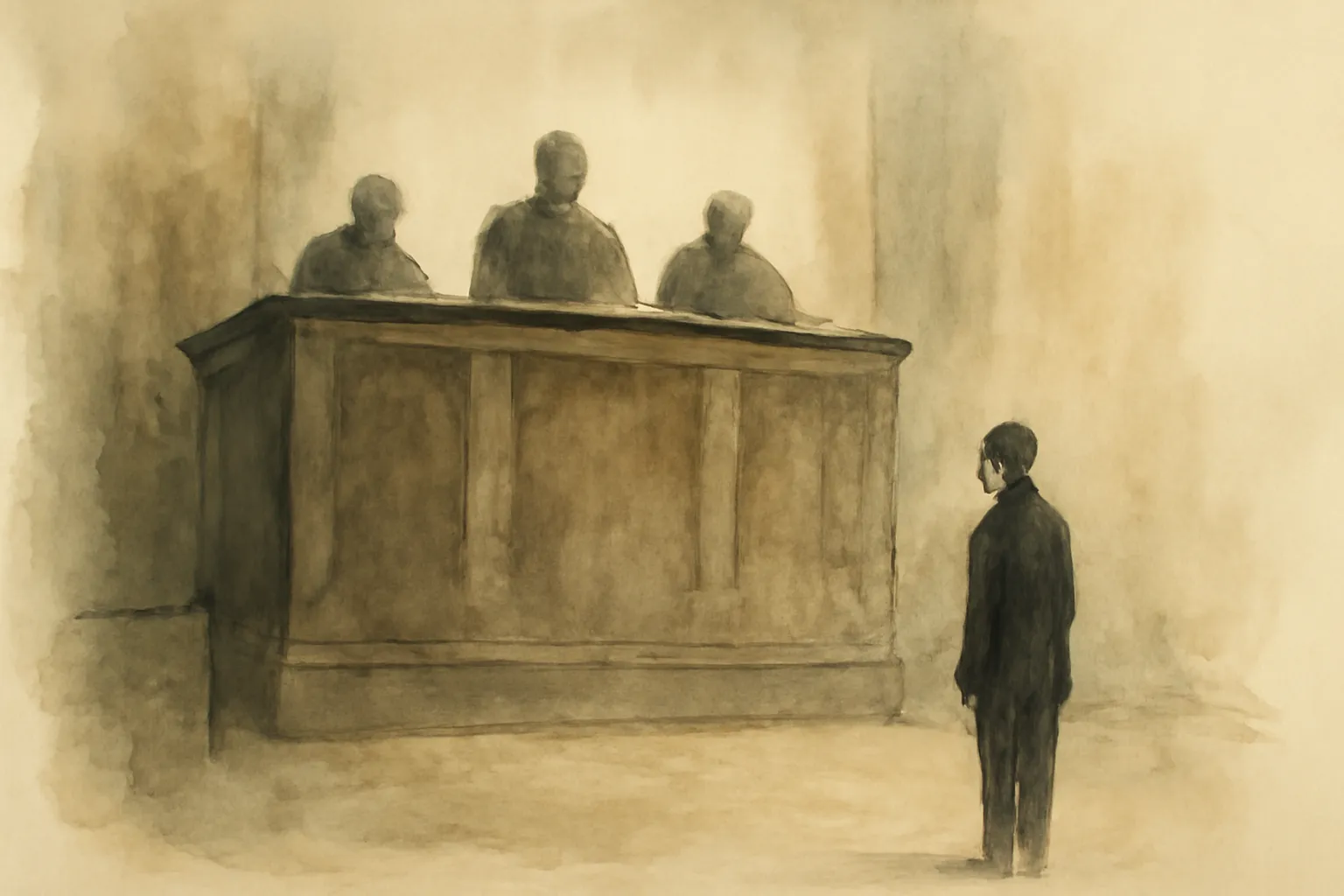
Kafka's portrayal of the legal system in 'The Trial' is emblematic of the absurdity inherent in bureaucratic institutions. From the outset, Josef K. is informed of his arrest without being told the charges against him, highlighting the arbitrary nature of authority. As he attempts to seek clarity and justice, he encounters a series of officials who offer little more than vague reassurances and convoluted explanations. The surreal interactions K. has with the supervisor and other bureaucrats illustrate how the law can become a tangled web of red tape, where the individual is lost in a sea of impersonal regulations. This absurdity serves to critique not only the legal system but also the broader societal structures that prioritize process over people, leaving individuals feeling powerless and bewildered.
2.Isolation and Alienation
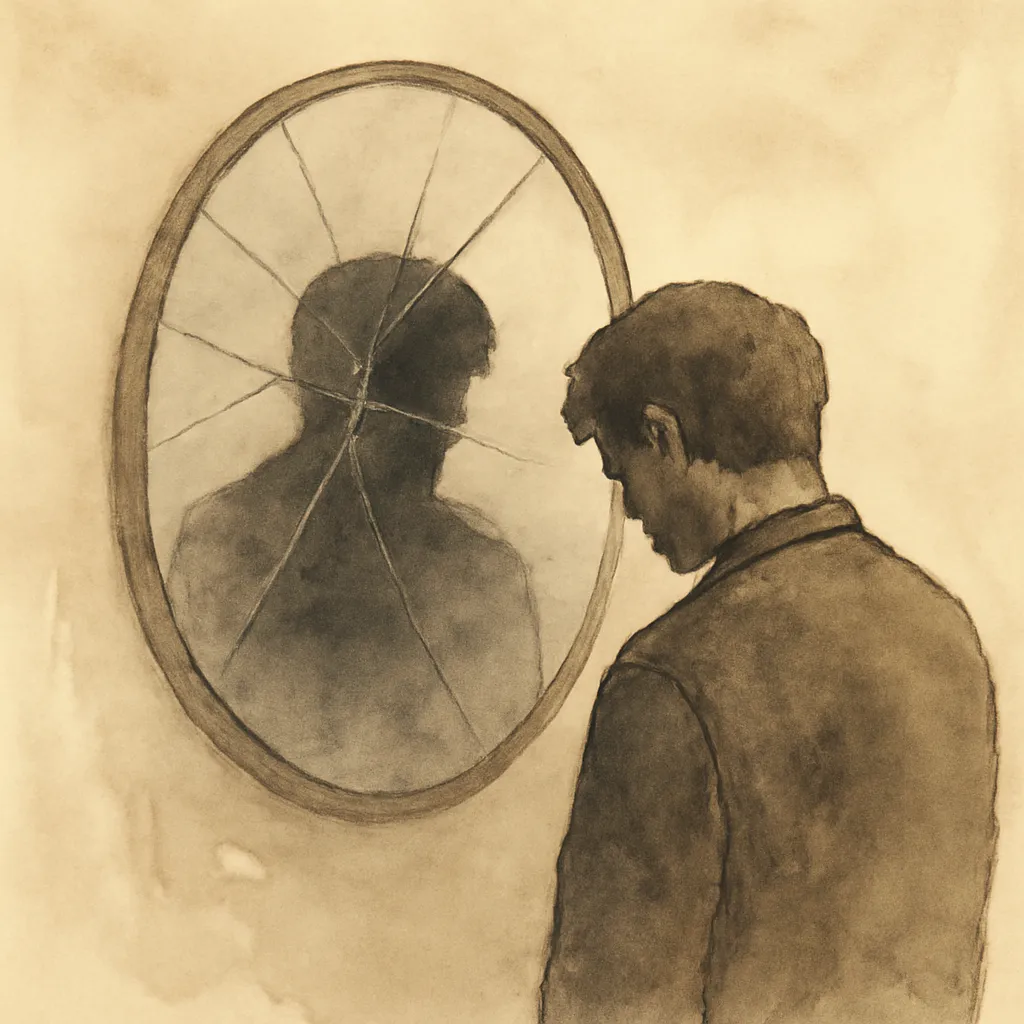
Throughout 'The Trial', Kafka masterfully depicts Josef K.' s profound sense of isolation as he grapples with the inexplicable events surrounding his arrest. Despite being surrounded by people—his landlady, his colleagues, and various officials—K. feels increasingly disconnected from those around him. His interactions often reveal a lack of understanding and empathy, underscoring the alienation that accompanies his plight. For instance, when he tries to reach out to his friend State Attorney Hasterer, he finds that his supposed allies are more concerned with their own interests than with helping him. This pervasive sense of alienation reflects a deeper existential crisis, where K. struggles to find meaning and connection in a world that seems indifferent to his suffering. Kafka's exploration of isolation resonates on a universal level, inviting readers to reflect on their own experiences of loneliness in an increasingly complex society.
3.The Nature of Guilt
Kafka raises profound questions about guilt and innocence in 'The Trial', challenging the notion of a clear moral dichotomy. Josef K. is arrested without knowing the reasons why, which leads him to question his own culpability. The ambiguity surrounding his guilt reflects Kafka's exploration of existential themes, where individuals grapple with feelings of inadequacy and self-doubt. K.' s encounters with various characters throughout the narrative reveal that guilt is not merely a legal concept but a deeply personal and psychological experience. This theme is highlighted in moments where K. reflects on his life, pondering whether he has committed any transgressions that warrant his arrest. Kafka's treatment of guilt invites readers to consider how societal expectations and norms shape our sense of self and morality.
4.The Futility of Resistance
As Josef K. navigates the absurd legal landscape, his attempts to resist and reclaim agency are met with futility. Despite his initial defiance, K. gradually realizes that his struggle against the system is a losing battle. Kafka illustrates this futility through K.' s encounters with various characters, including the lawyer and the painter, who both symbolize the ineffectiveness of traditional avenues for justice. K.' s efforts to assert his innocence and demand answers are consistently thwarted by the opaque nature of the legal process. This theme resonates with readers as they witness K.' s gradual descent into despair, ultimately leading to a sense of resignation. Kafka's depiction of K.' s futile resistance serves as a poignant commentary on the struggles individuals face when confronting overwhelming bureaucratic forces.
5.The Illusion of Control
Throughout 'The Trial', Kafka explores the illusion of control that individuals believe they possess over their lives. Josef K. initially approaches his situation with a sense of confidence, believing that he can navigate the legal system and prove his innocence. However, as the narrative unfolds, it becomes clear that K. is at the mercy of an inscrutable bureaucracy that operates beyond his understanding. Kafka illustrates how attempts to exert control often lead to further entrapment, as K.' s interactions with officials only deepen his confusion and despair. The novel serves as a powerful reminder that the structures we rely on for order and justice can be unpredictable and capricious, leaving individuals feeling powerless in the face of larger societal forces.
6.The Role of Authority
In 'The Trial', Kafka scrutinizes the nature of authority and its impact on the individual. The various officials K. encounters represent different facets of authority, from the dismissive supervisor to the enigmatic examining judge. Each character embodies a different relationship to power, illustrating how authority can manifest in both overt and subtle ways. Kafka's portrayal of these figures raises questions about the legitimacy of their power and the ethical implications of their roles within the legal system. K.' s interactions with authority figures often reveal their arbitrary nature, as they wield power without accountability. This theme invites readers to reflect on their own experiences with authority and the ways in which it shapes our lives, often in ways that are unjust or unfathomable.
7.The Search for Meaning
At its core, 'The Trial' is a profound exploration of the human quest for meaning in a chaotic and indifferent world. As Josef K. grapples with the inexplicable nature of his arrest, he embarks on a journey that is both literal and metaphorical. K.' s search for answers reflects a broader existential struggle, where individuals seek to understand their place in a world that often defies comprehension. Kafka's narrative invites readers to consider the ways in which we construct meaning in our lives, despite the absurdities we face. The pursuit of meaning becomes a central theme as K. confronts the futility of his efforts, ultimately leading to a deeper understanding of the human condition. This exploration of meaning resonates with readers, prompting introspection about their own struggles to find purpose in an unpredictable universe.
8.The Power of the Individual
Kafka's 'The Trial' emphasizes the tension between the individual and the collective, highlighting the struggle for autonomy in a dehumanizing system. Josef K.' s journey illustrates the challenges faced by individuals seeking to assert their rights and identity within a society that often prioritizes conformity and compliance. As K. encounters various characters, he grapples with the limitations placed on him by the legal system and societal expectations. Kafka's portrayal of K.' s fight against the system serves as a powerful reminder of the resilience of the individual spirit, even in the face of overwhelming odds. This theme resonates with readers as they witness K.' s determination to reclaim his identity, ultimately challenging us to consider the importance of individual agency in an increasingly bureaucratic world.
9.The Role of Women
In 'The Trial', Kafka presents a nuanced portrayal of women, who often serve as both objects of desire and symbols of K.' s internal struggles. Characters like Miss Bürstner and Leni embody different aspects of femininity, reflecting K.' s complex relationship with women. Miss Bürstner represents an idealized figure, someone K. desires but ultimately cannot connect with due to his existential crisis. In contrast, Leni, the lawyer's assistant, embodies a more pragmatic and sensual side, offering K. a temporary escape from his troubles. However, K.' s interactions with these women reveal his inability to form meaningful connections, highlighting the alienation that permeates his life. Kafka's exploration of gender dynamics invites readers to consider the ways in which societal expectations shape our relationships and the complexities of intimacy in a fragmented world.
10.The Finality of Judgment
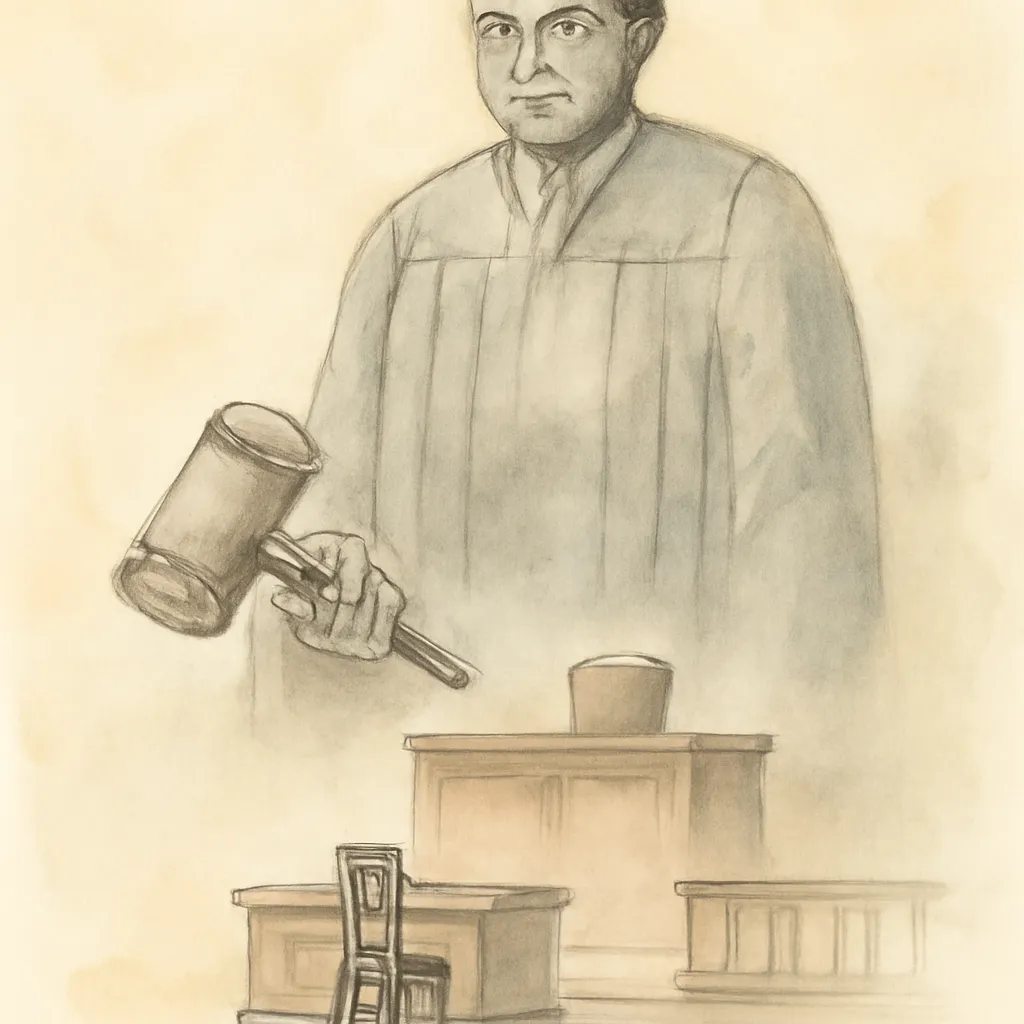
The conclusion of 'The Trial' is shrouded in ambiguity, reflecting Kafka's exploration of judgment and its implications for the individual. As K. confronts the mysterious court, he is ultimately faced with the reality of his fate, which remains unresolved and open to interpretation. This finality underscores the themes of existential dread and the uncertainty of existence, as K. grapples with the consequences of a system that operates beyond his comprehension. Kafka's portrayal of judgment raises profound questions about morality, justice, and the nature of human existence. The novel's ending serves as a stark reminder of the inescapable nature of judgment, prompting readers to reflect on their own lives and the ways in which we navigate the complexities of morality and accountability.