1.Felicity's Enchantment
Felicity is portrayed as a quintessential beauty whose charm captivates those around her. From a young age, she has been aware of her allure, using it to navigate social situations with a refreshing frankness. Her marriage to Lord Chetwode is a pivotal moment in her life, marking a transition from a carefree young woman to a wife who grapples with the expectations of society. Despite her husband's frequent absences due to his interests in racing and antiques, Felicity's independence shines through. She seeks to maintain her identity while being a supportive partner, often reflecting on the nature of love and the sacrifices it entails. This duality in her character represents the struggle many women face between societal roles and personal desires. Her ability to embrace her beauty while remaining grounded speaks to a deeper commentary on how women can navigate the complexities of love without losing themselves.
2.Woodville's Inner Turmoil
Woodville serves as a lens through which the complexities of love and jealousy are explored. His feelings for Sylvia are profound yet fraught with insecurity, as he grapples with the fear of losing her to other suitors. His internal conflict is exacerbated by the societal pressures surrounding them, particularly from Sir James, Sylvia's father, who envisions a different future for his daughter. Woodville's jealousy manifests in acute emotional pain, leading him to question his worthiness of Sylvia's love. This emotional depth adds layers to his character, illustrating how love can be both a source of joy and a source of torment. His struggles reflect the universal themes of insecurity and the desire for validation in romantic relationships. As Woodville navigates his social engagements, he often finds himself at odds with his feelings, showcasing the tension between societal expectations and personal emotions.
3.The Influence of Family
Family dynamics play a crucial role in shaping the characters' choices and relationships. Sir James, as Sylvia's father, embodies the traditional patriarchal figure, often imposing his views on his daughter's romantic life. His conversations with Woodville reveal his expectations for Sylvia's future, emphasizing the weight of parental influence on individual desires. Meanwhile, Aunt William's character adds a layer of humor and complexity, as she represents the older generation's rigid views on societal norms. Her interactions with Felicity and Sylvia highlight the generational divide in attitudes toward love and marriage, showcasing how familial expectations can clash with personal happiness. This interplay of family dynamics underscores the theme that while love is a personal journey, it is inextricably linked to the values and expectations instilled by family. Leverson skillfully depicts how the characters must navigate these familial pressures while striving for their own happiness.
4.The Power of Beauty and Perception
Leverson's exploration of beauty extends beyond Felicity's physical appearance; it delves into how beauty shapes perceptions and influences relationships. Characters often comment on Felicity's looks, reflecting a society that places immense value on physical attractiveness. This fixation creates a paradox where Felicity, despite her charm, feels the pressure to live up to an ideal that may not align with her true self. The superficiality of social interactions is laid bare as characters navigate their relationships based on appearances rather than genuine connections. This theme invites readers to question the societal standards of beauty and how they impact self-worth and interpersonal dynamics. Felicity's experiences serve as a commentary on the fleeting nature of external beauty and the search for deeper connections, suggesting that true beauty transcends physical appearances and resides in authenticity and character.
5.Romantic Entanglements and Rivalries
The novel is rich with romantic entanglements that illustrate the complexities of love in a competitive social environment. Sylvia's relationship with Woodville is complicated by the presence of other suitors, including the wealthy Ridokanaki, who poses a significant threat to Woodville's affections. This rivalry introduces tension, as Woodville's jealousy and insecurity are heightened by Ridokanaki's advances. The social gamesmanship among characters reveals how love can become a battleground for status and power. Leverson deftly portrays the intricacies of these relationships, capturing the nuances of desire, ambition, and rivalry. This exploration emphasizes that love is not merely a personal affair but is deeply intertwined with social dynamics and aspirations. The characters' interactions expose the sometimes ruthless nature of romantic pursuits, where affection becomes enmeshed with competition and societal validation.
6.The Role of Humor in Relationships
Humor serves as a vital tool for the characters as they navigate the absurdities of their social lives. Leverson infuses wit and lightheartedness into the narrative, particularly through characters like Bertie Wilton, who embodies the playful spirit of London society. His conversations with Woodville and others often provide comic relief while also highlighting the underlying tensions in their relationships. This humor allows characters to cope with their insecurities and the pressures of societal expectations. The interplay of humor and seriousness reflects the dual nature of love—its capacity to bring joy and laughter, even amidst turmoil. Through humor, Leverson invites readers to appreciate the lighter side of human interactions, even when love becomes complicated. The use of wit also serves to critique the social norms of the time, revealing the absurdities inherent in the characters' behaviors and the conventions that govern their lives.
7.The Illusion of Control

As the characters pursue their desires, they grapple with the illusion of control over their lives and relationships. Felicity's attempts to manage her marriage to Chetwode and Woodville's efforts to secure Sylvia's love illustrate the futility of controlling emotions and outcomes. Despite their best intentions, external forces—be it societal expectations or personal insecurities—often derail their plans. This theme resonates throughout the narrative, emphasizing that love is unpredictable and often beyond one's grasp. The characters' experiences serve as a reminder that, despite the desire for control, surrendering to the complexities of love is an inherent part of the human experience. This exploration prompts readers to reflect on their own relationships and the balance between agency and acceptance. The narrative's progression illustrates how characters must learn to navigate their desires with the understanding that not everything can be meticulously planned or controlled.
8.The Search for Identity

Amidst the romantic entanglements, characters also embark on a quest for self-identity. Felicity's journey as a wife and socialite forces her to confront her own desires and aspirations beyond societal expectations. Similarly, Woodville's struggle with jealousy and insecurity compels him to reevaluate his sense of self-worth in the context of his relationship with Sylvia. This theme of identity is further underscored by Sylvia's character, who finds herself torn between familial obligations and her love for Woodville. Leverson intricately weaves these personal journeys into the narrative, showcasing how love can serve as both a catalyst for self-discovery and a source of conflict. The exploration of identity invites readers to consider the impact of love on personal growth and the quest for authenticity. Each character's development reflects a broader commentary on the necessity of self-awareness and the challenges of remaining true to oneself amidst external pressures.
9.The Complexity of Social Engagements
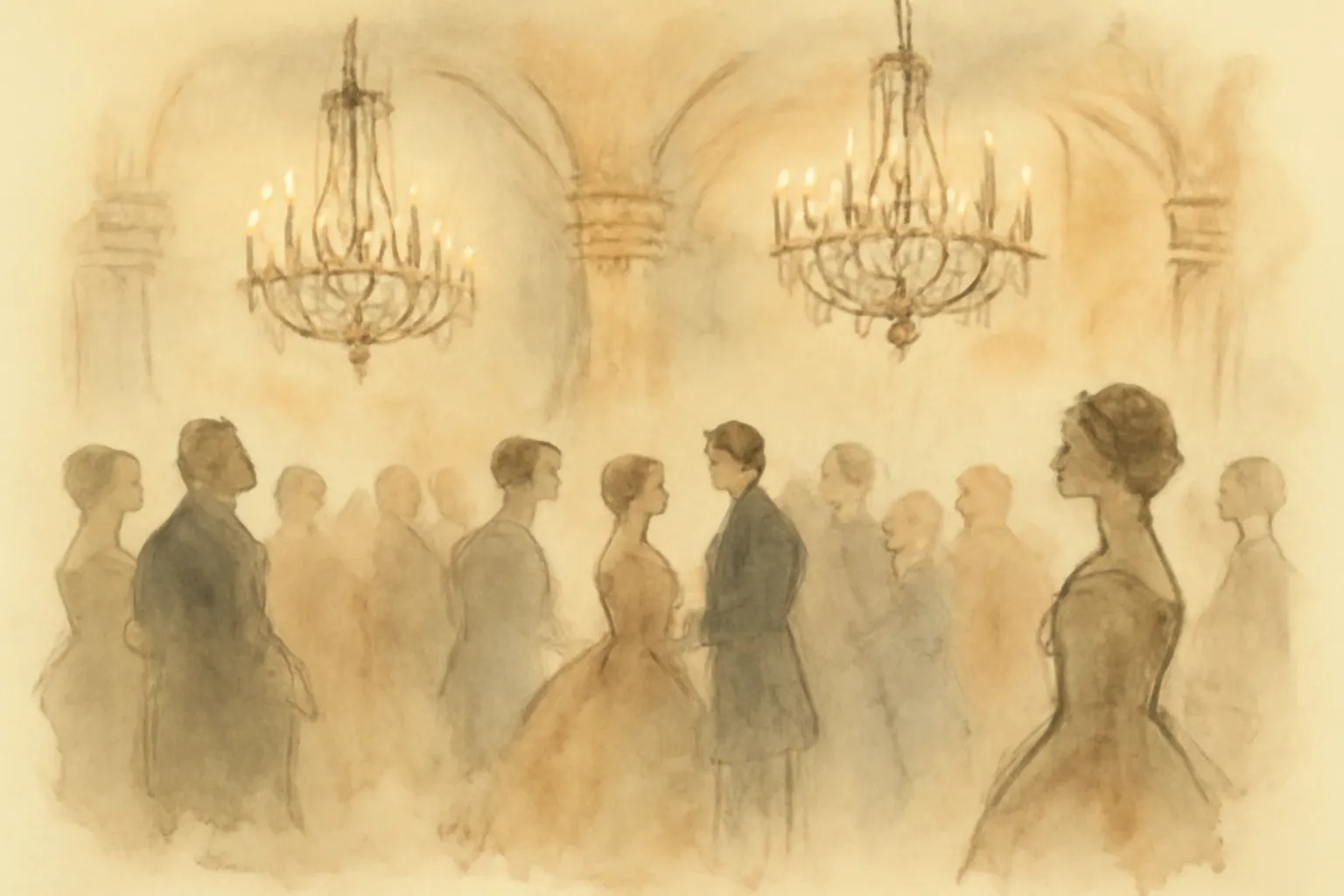
Social engagements in 'The Twelfth Hour' are not merely events but are laden with meaning and expectation. The characters' interactions at parties and gatherings reveal the intricate social codes that govern their lives. Felicity's role as a hostess and the anticipation surrounding social events highlight the pressure to perform and maintain appearances. These gatherings serve as a microcosm of society, where personal relationships intersect with public personas. Leverson deftly captures the tension between genuine connection and the performative aspects of social life. This complexity underscores the idea that social engagements are both a reflection of individual desires and a commentary on the societal structures that shape them. Readers are prompted to reflect on their own social interactions and the layers of meaning they carry, as well as the often-unspoken expectations that accompany social gatherings.
10.The Resonance of Jealousy

Jealousy emerges as a powerful theme that drives the narrative forward, particularly in the relationships between Woodville, Sylvia, and Ridokanaki. Woodville's jealousy is palpable, often leading him to irrational thoughts and actions that jeopardize his relationship with Sylvia. This emotional turmoil captures the intensity of love and the vulnerabilities that accompany it. Leverson's portrayal of jealousy as a double-edged sword—capable of both igniting passion and sowing discord—adds depth to the characters' experiences. Through Woodville's struggles, the novel explores how jealousy can distort perceptions and lead to misunderstandings. This exploration of jealousy resonates with readers, offering insights into the complexities of human emotions and their impact on relationships. As characters confront their feelings of jealousy, they are forced to navigate the delicate balance between love and insecurity, underscoring the often tumultuous nature of romantic attachments.