Romance · Fiction
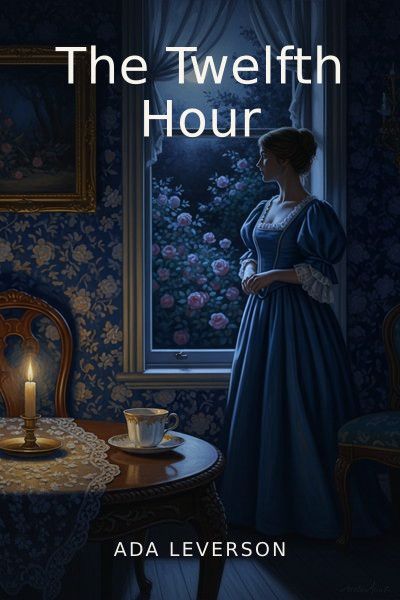
The Twelfth Hour by Ada Leverson — Summary, Key Ideas & Full Text
193 pages28 chapters3h 52m read2h 45m speed read✦ 9-min Big ideasFree · no account
Rate it
In a world where love, beauty, and social expectations intertwine, 'The Twelfth Hour' explores the complexities of relationships and the illusions we create around them
Ada Leverson's 'The Twelfth Hour' presents a vivid tapestry of London society through the eyes of its intriguing characters, each navigating the intricate dance of love and ambition. The novel centers on the lives of Felicity, a charming beauty, and her circle of friends and family, particularly focusing on the love story between Sylvia and Woodville. As the characters grapple with their desires, insecurities, and societal pressures, they reveal the timeless struggle between personal happiness and societal expectation. Readers will immerse themselves in a world where romantic entanglements and social engagements are fraught with tension and humor, ultimately leading to profound reflections on love and identity. Leverson's keen observations and rich characterizations invite readers to ponder the nature of affection and the masks we wear in pursuit of connection.
In 'The Twelfth Hour,' Ada Leverson masterfully intertwines the themes of love, beauty, and social expectation, creating a rich narrative that resonates with contemporary readers. Through her vibrant characters, she explores the complexities of romantic entanglements and the societal pressures that shape their decisions. The novel invites reflection on the nature of affection, identity, and the masks we wear in pursuit of connection. Ultimately, Leverson's work remains a poignant commentary on the timeless struggles of love and the quest for authenticity amidst the demands of society. As readers journey through the lives of Felicity, Woodville, and Sylvia, they are reminded of the enduring relevance of these themes in their own lives.
“Ah, that's capital! Not listening, the boy—he was sixteen, dark, and very handsome, with a determined expression, and generally with an air of more self-control than seemed required for the occasion.”
“I say, Felicity, can I come in?”
“Oh, it's you, Savile darling. I am glad to see you! Dear pet! Come and tell me all about everything—papa and the party—and, look out, dear, don't tread on my dresses!”
Read Ada Leverson's work free on Lumina — the complete text plus an 8-minute summary and key ideas, no account needed