1.The Engineering Feat of the Century
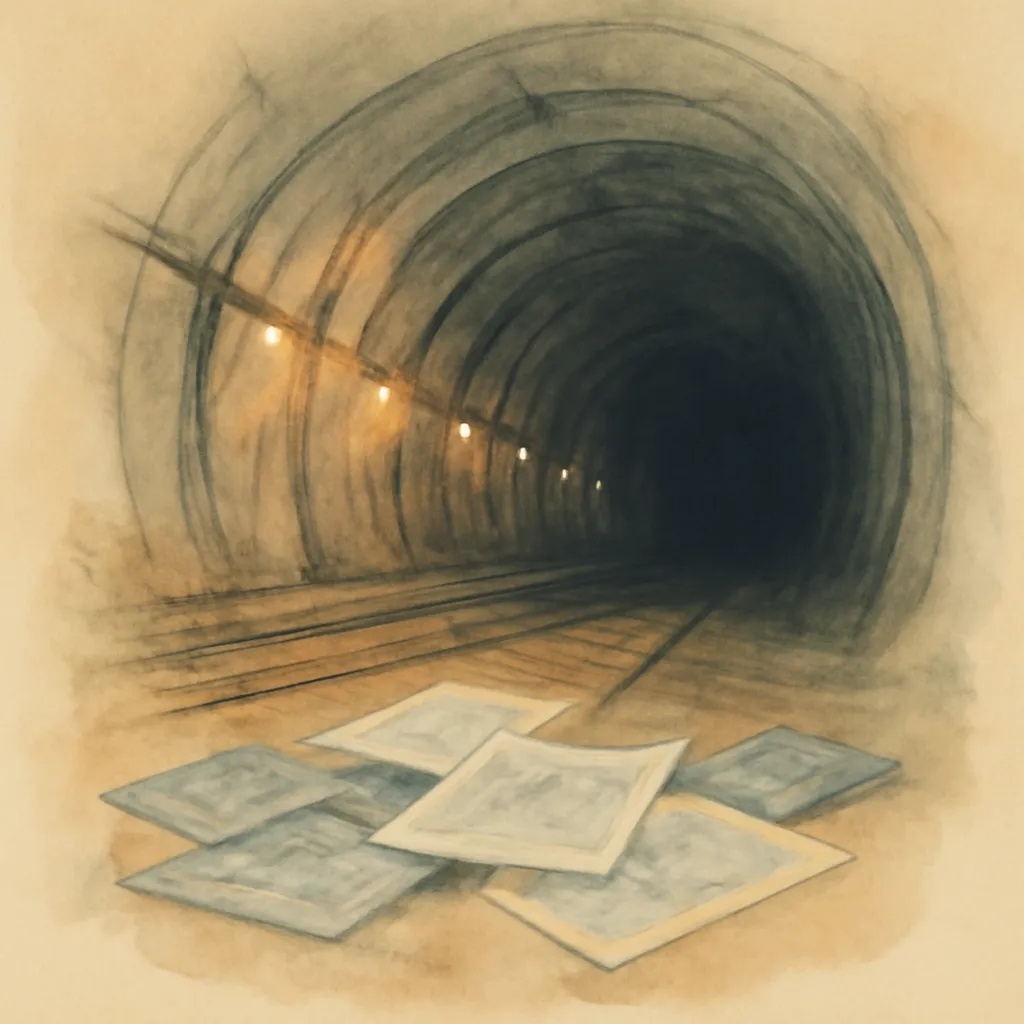
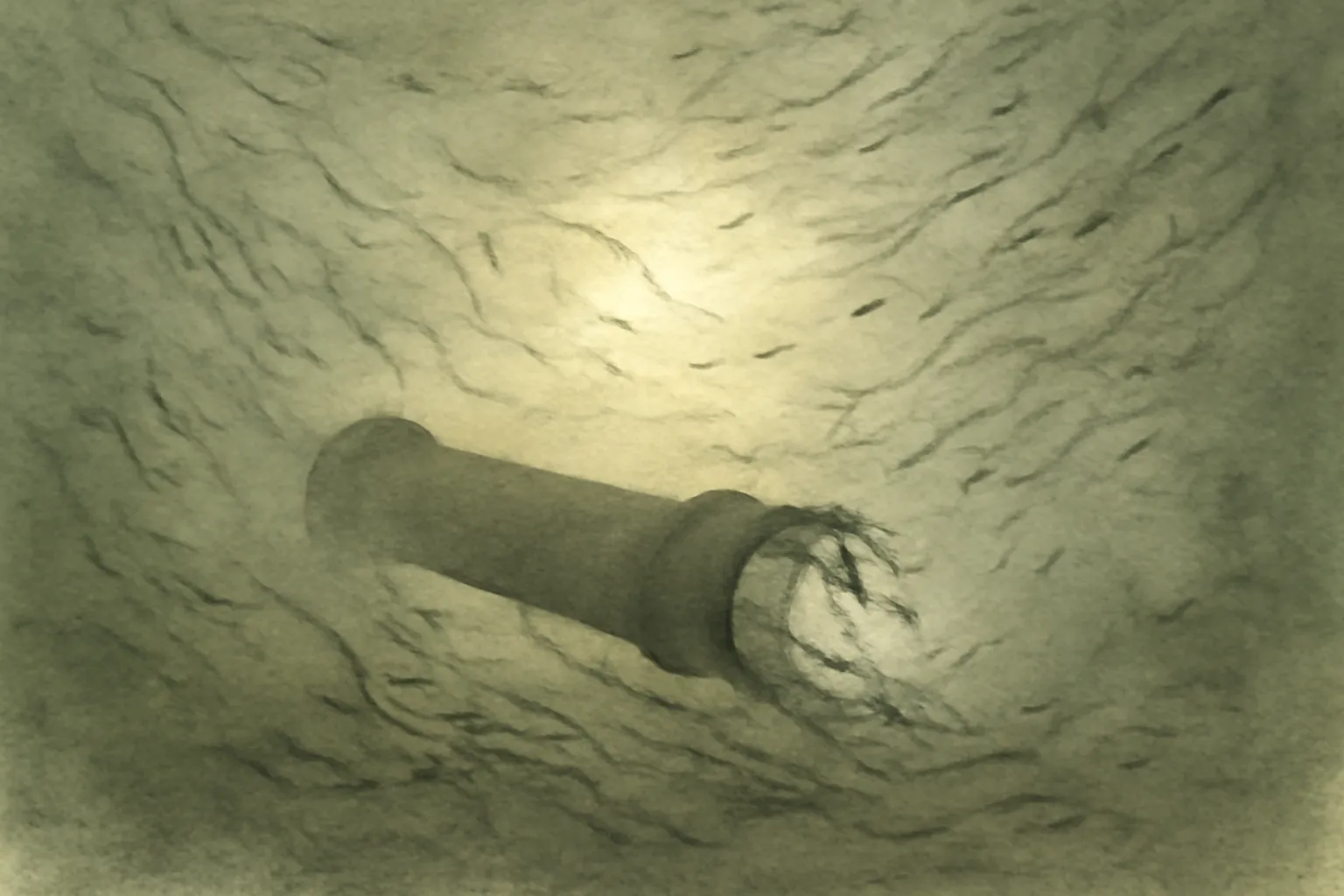
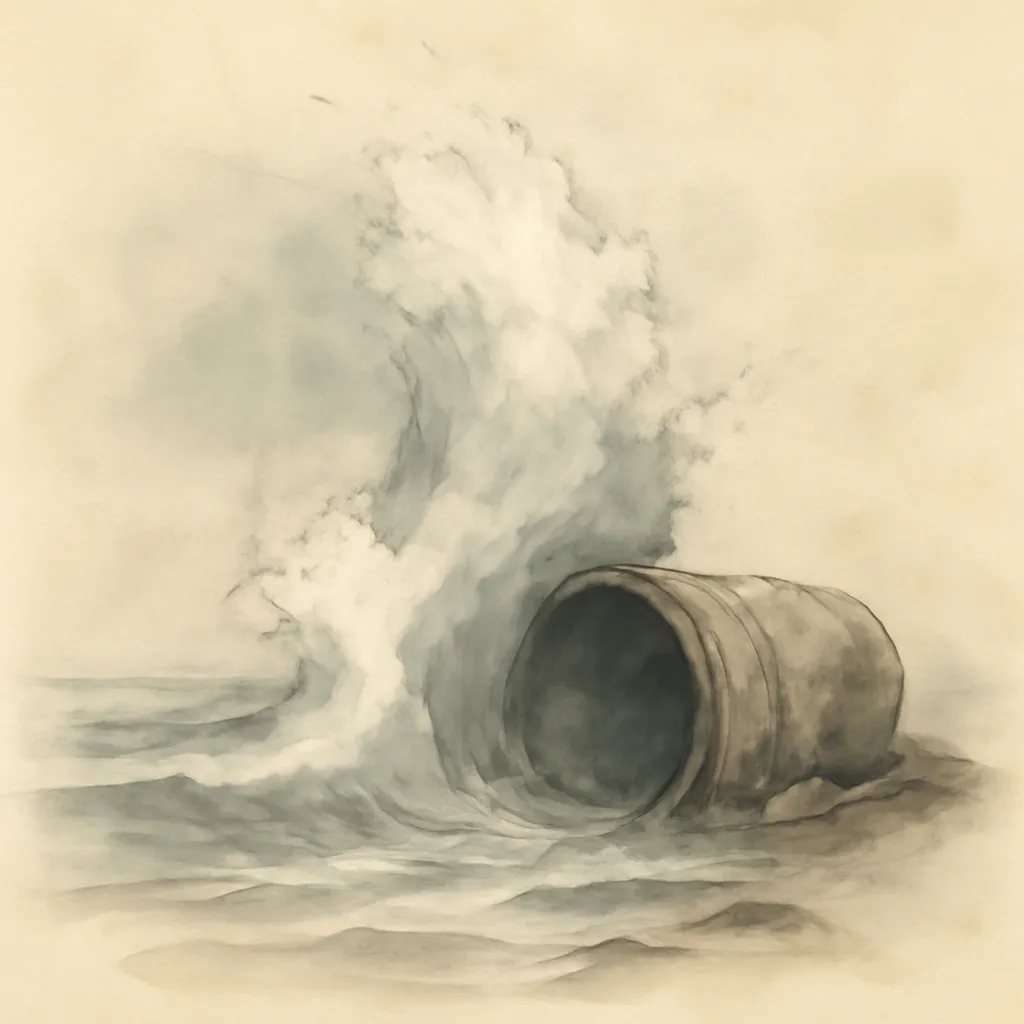
At the turn of the twentieth century, engineers achieved a monumental dream with the construction of the Undersea Tube. This ambitious project aimed to connect Liverpool and New York via a subterranean rail system, marking a significant advancement in transportation technology. The engineers drew inspiration from previous successful undersea tunnels, such as the one beneath the English Channel. They faced immense challenges, including pressure from the ocean above and the need for innovative propulsion methods. The decision to utilize wind power for propulsion was groundbreaking, reflecting a shift towards sustainable energy solutions in engineering. This pioneering approach not only showcased human ingenuity but also set the stage for the Tube's eventual downfall, as the novel's events would reveal the vulnerabilities lurking beneath the surface of this engineering marvel. The initial excitement surrounding the project captured the imaginations of many, leading to public anticipation and funding that highlighted the era's fascination with technological progress.
2.Wind Propulsion: A Double-Edged Sword
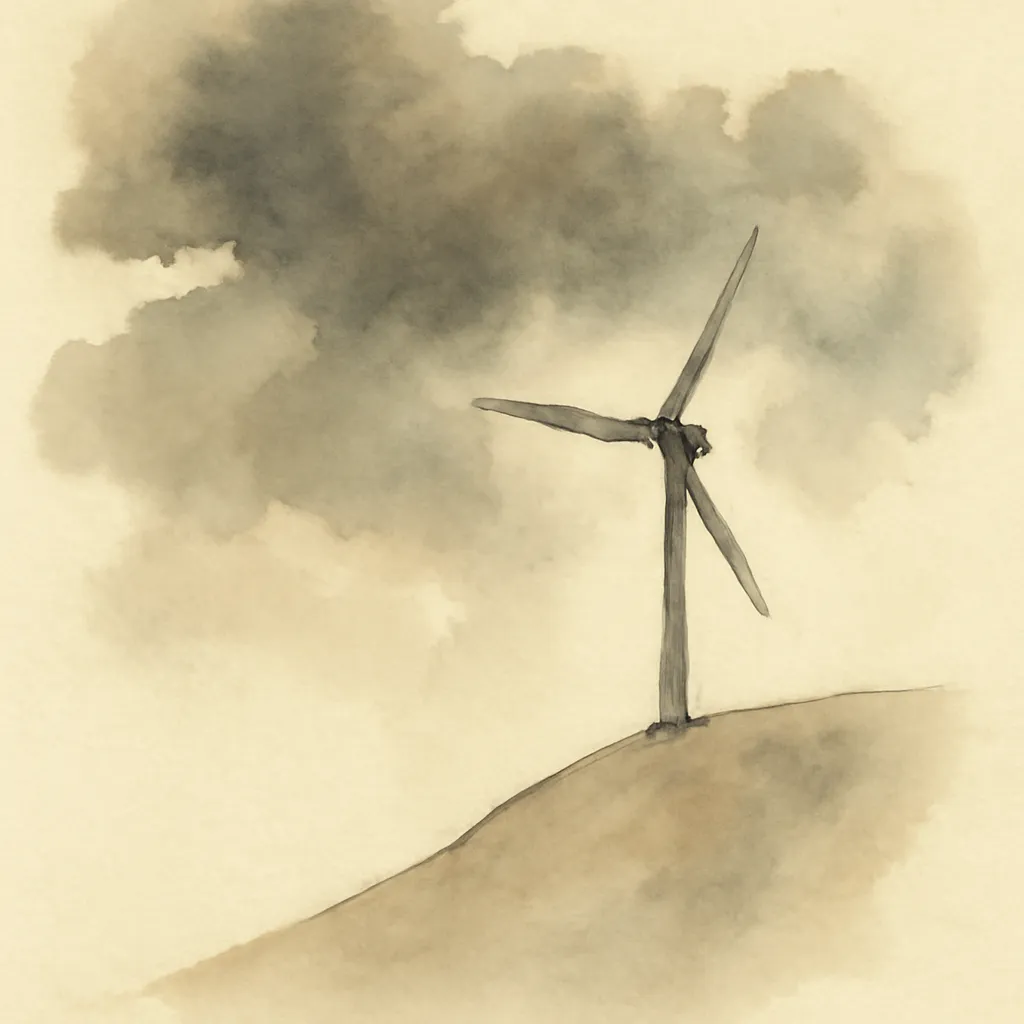
The incorporation of wind propulsion in the Undersea Tube's design was both revolutionary and precarious. This method aimed to harness natural forces for efficient transport, a concept that had been gaining traction in engineering circles. However, the reliance on wind power introduced a layer of complexity that had not been fully understood. Engineers believed they could manage the risks posed by oceanic forces, yet they underestimated the unpredictable nature of such power. As the project progressed, it became clear that while the wind-propulsion system could offer speed and efficiency, it also created potential vulnerabilities that could be exploited by unforeseen circumstances. The subsequent disaster served as a stark reminder of the limitations of human control over nature. As the protagonist reflects on these decisions, readers are prompted to consider the broader implications of relying on innovative, yet untested technologies in critical infrastructure, and how such decisions can lead to devastating consequences when ambition overtakes caution.
3.A Night of Catastrophe
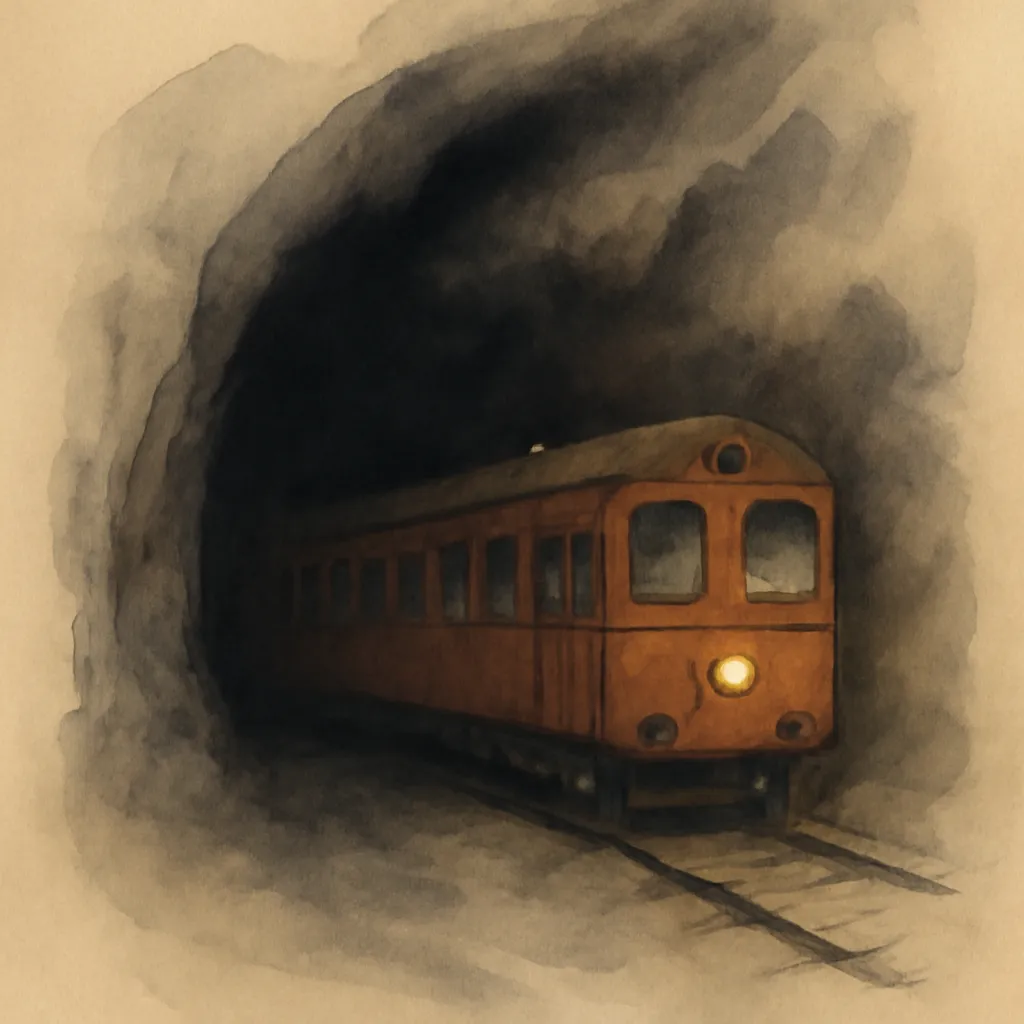
The night of the Undersea Tube disaster was marked by an unsettling calm before the storm. Passengers, unaware of the impending doom, boarded the train with a sense of excitement and anticipation, believing they were about to embark on a groundbreaking journey. However, as the train journeyed deeper into the tube, the atmosphere shifted dramatically, foreshadowing the chaos to come. A sudden earthquake, triggered by tectonic faults beneath the ocean floor, unleashed devastation on an unimaginable scale. The protagonist's narrative captures the terror and confusion as the train was violently jolted, leading to a catastrophic chain of events. Passengers were thrown into panic, and the once-celebrated engineering marvel became a deadly trap. This moment serves as a pivotal point in the story, illustrating how quickly human endeavors can be undone by forces beyond comprehension. The vivid imagery of the disaster, coupled with the emotional turmoil experienced by the passengers, creates a gripping account that underscores the fragility of life and the inherent risks associated with groundbreaking engineering.
4.The Golden Cavern: A Surreal Encounter

In the aftermath of the disaster, the protagonist finds himself in a surreal setting known as the Golden Cavern. This otherworldly place, illuminated by strange lights, becomes a backdrop for a series of haunting revelations. As he navigates through the cavern, he encounters a statue of a man on horseback, symbolizing the aspirations and failures of human ambition. The statue's expression of appeal resonates deeply with the protagonist, prompting reflections on sacrifice and the pursuit of greatness. This moment serves as a metaphor for the overarching themes of the narrative—humanity's relentless quest for progress and the unforeseen consequences that often accompany such pursuits. The Golden Cavern stands as a testament to both the beauty and tragedy of human endeavor. The eerie yet mesmerizing ambiance of the cavern reflects the protagonist's inner turmoil, as he grapples not only with the physical remnants of the disaster but also with the philosophical implications of what has transpired.
5.The Child: A Symbol of Hope
Amidst the chaos and destruction, the protagonist encounters a living child emerging from the burning city. This child symbolizes innocence and the enduring spirit of hope in the face of calamity. As the child runs toward the statue, desperately escaping the encroaching lava, a profound connection is established between the two. The child’s struggle evokes empathy and a sense of urgency, compelling the protagonist to act. This encounter highlights the theme of survival, emphasizing the instinctual drive to protect the vulnerable. The child's presence serves as a reminder that even in the darkest moments, hope can manifest in unexpected ways, inspiring those who witness it to rise above despair. Hansen vividly illustrates the dichotomy between innocence and destruction, revealing how even in moments of peril, the human spirit can shine through in the form of resilience and courage.
6.The Psychological Toll of Survival
Surviving the Undersea Tube disaster comes at a significant psychological cost. The protagonist grapples with feelings of guilt and trauma as a sole survivor amidst the devastation. His memories of the disaster are fragmented and chaotic, reflecting the overwhelming nature of such a traumatic experience. The narrative delves into the complexities of survivor's guilt, as he recalls the faces of those who perished and the moments that led to their demise. This inner turmoil is exacerbated by the surreal elements of his journey, blurring the lines between reality and hallucination. Hansen poignantly explores the psychological aftermath of disaster, raising questions about the long-lasting impact of trauma on individuals and communities. The protagonist’s journey through the remnants of the disaster becomes not only a physical exploration but also a profound psychological reckoning, as he seeks to reconcile his survival with the loss of others.
7.The Role of Nature in Human Endeavors
The Undersea Tube disaster serves as a stark reminder of nature's power and unpredictability. As engineers sought to conquer the ocean through technological advancements, they inadvertently provoked the very forces they aimed to control. The earthquake that struck during the train's journey exemplifies the limitations of human understanding when it comes to natural phenomena. Hansen's narrative invites readers to reflect on the relationship between humanity and nature, emphasizing the need for humility in the face of the natural world. The disaster prompts a reevaluation of priorities, urging society to consider the implications of unchecked ambition and the importance of respecting the environment. It becomes clear that in the pursuit of innovation, humans must tread carefully and acknowledge the inherent risks that accompany their endeavors, lest they provoke the tumultuous forces of nature.
8.The Aftermath: A City in Ruins
In the wake of the disaster, the cities of Liverpool and New York stand in ruins, serving as a physical manifestation of the tragedy. The wreckage of the Undersea Tube becomes a haunting reminder of human ambition gone awry. As the protagonist recounts the destruction, he emphasizes the profound loss felt by the communities impacted by the disaster. Entire families and lives were shattered, leaving a lingering void in the wake of the catastrophe. The narrative shifts to the broader societal implications of the event, exploring how such tragedies can reshape cities and influence public perception of engineering projects. The aftermath also highlights the resilience of communities as they begin to rebuild, illustrating the enduring human spirit in the face of adversity. Hansen paints a stark picture of the devastation while simultaneously celebrating the determination of individuals and communities to recover and heal from unimaginable loss.
9.The Quest for Understanding
Following the disaster, an international committee is formed to investigate the causes and consequences of the Undersea Tube catastrophe. The protagonist's testimony as the sole survivor becomes a crucial piece of evidence in unraveling the complex factors that led to the disaster. This quest for understanding reflects humanity's inherent desire to make sense of tragedy and learn from mistakes. The investigation not only seeks to assign blame but also aims to uncover lessons that can inform future engineering endeavors. Hansen underscores the importance of transparency and accountability in engineering practices, advocating for a culture of learning that prioritizes safety and ethical considerations. This pursuit of understanding not only addresses the immediate fallout of the disaster but also serves as a catalyst for broader discussions about safety standards and the ethical responsibilities of engineers in the context of innovation.
10.The Legacy of the Undersea Tube
The Undersea Tube disaster leaves an indelible mark on the collective consciousness of society. As the story unfolds, it becomes clear that the legacy of this engineering failure extends far beyond the immediate tragedy. The event sparks discussions about the ethics of innovation, the role of technology in society, and the responsibility of engineers to consider the potential consequences of their work. Hansen's narrative challenges readers to confront the complexities of progress, urging a balance between ambition and caution. The Undersea Tube serves as a cautionary tale, reminding future generations of the importance of learning from the past to build a safer and more sustainable future. As communities grapple with the scars of the disaster, the legacy of the Undersea Tube becomes a touchstone for discussions about resilience, responsibility, and the unyielding human spirit in the face of calamity.