
A harrowing journey through an undersea disaster reveals hidden truths and the resilience of the human spirit
Read full overviewShow less›
In 'The Undersea Tube', L. Taylor Hansen crafts a gripping narrative that blends engineering marvels with supernatural elements. The story unfolds through the eyes of a sole survivor of a catastrophic event in a revolutionary transportation system—the Undersea Tube. As the protagonist recounts the fateful night, readers are drawn into a world where human ambition meets nature's fury, and where the boundaries of reality blur with the fantastical. This tale not only explores the technical challenges faced by the engineers but also delves into the psychological and philosophical implications of human endeavors. Prepare to be captivated by a narrative that intertwines tragedy, mystery, and the indomitable spirit of survival.
The Undersea Tube is more than just a story of disaster; it is a profound exploration of human ambition, the fragility of life, and the relentless pursuit of progress. Hansen weaves together elements of engineering, psychology, and philosophy, challenging readers to reflect on the consequences of their actions in the face of nature's might. As society continues to push the boundaries of innovation, the lessons learned from the Undersea Tube disaster remain relevant, urging a careful consideration of the balance between ambition and responsibility. Ultimately, the narrative serves as a powerful reminder that even in our greatest achievements, we must remain vigilant and respectful of the forces that shape our world.
- 1The Engineering Feat of the Century
- 2Wind Propulsion: A Double-Edged Sword
- 3A Night of Catastrophe
- 4The Golden Cavern: A Surreal Encounter
- 5The Child: A Symbol of Hope
Notable quotes
“If my friend the engineer had not told me the Tube was dangerous, I would not have bought a ticket on that fatal night.”
“Above the stairs towered the great statue of a man on horseback.”
“He was some distance from me, but I could plainly see his expression of wild distraction as he began to climb those gleaming stairs.”
A glimpse inside

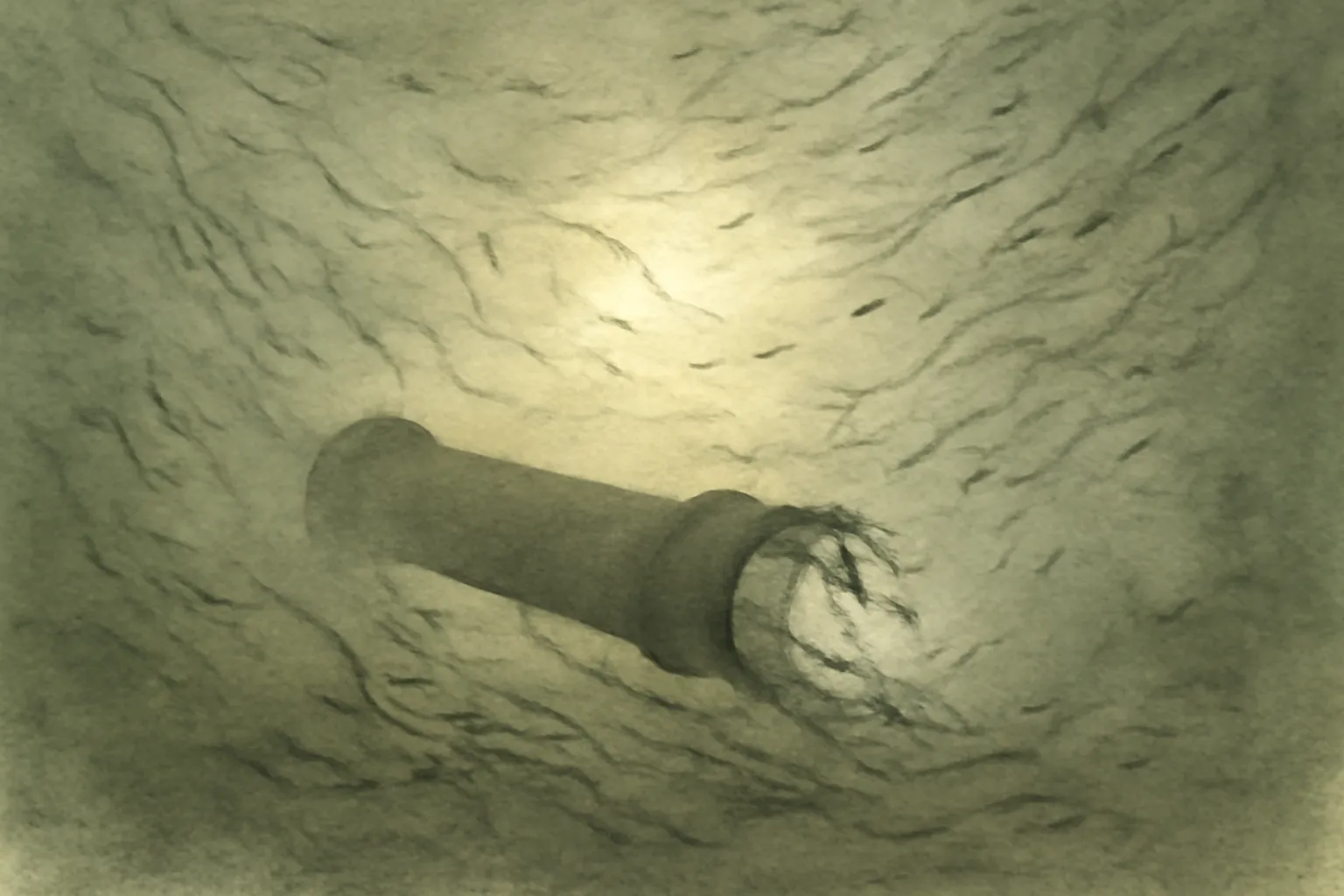
At the turn of the twentieth century, engineers achieved a monumental dream with the construction of the Undersea Tube. This ambitious project aimed to connect Liverpool… Read moreAt the turn of the twentieth century, engineers achieved a monumental dream with the construction of the Undersea Tube. This ambitious project aimed to connect Liverpool and New York via a subterranean rail system, marking a significant advancement in transportation technology. The engineers drew inspiration from previous successful undersea tunnels, such as the one beneath the English Channel. They faced immense challenges, including pressure from the ocean above and the need for innovative propulsion methods. The decision to utilize wind power for propulsion was groundbreaking, reflecting a shift towards sustainable energy solutions in engineering. This pioneering approach not only showcased human ingenuity but also set the stage for the Tube's eventual downfall, as the novel's events would reveal the vulnerabilities lurking beneath the surface of this engineering marvel. The initial excitement surrounding the project captured the imaginations of many, leading to public anticipation and funding that highlighted the era's fascination with technological progress. Show less
The incorporation of wind propulsion in the Undersea Tube's design was both revolutionary and precarious. This method aimed to harness natural forces for efficient transp… Read moreThe incorporation of wind propulsion in the Undersea Tube's design was both revolutionary and precarious. This method aimed to harness natural forces for efficient transport, a concept that had been gaining traction in engineering circles. However, the reliance on wind power introduced a layer of complexity that had not been fully understood. Engineers believed they could manage the risks posed by oceanic forces, yet they underestimated the unpredictable nature of such power. As the project progressed, it became clear that while the wind-propulsion system could offer speed and efficiency, it also created potential vulnerabilities that could be exploited by unforeseen circumstances. The subsequent disaster served as a stark reminder of the limitations of human control over nature. As the protagonist reflects on these decisions, readers are prompted to consider the broader implications of relying on innovative, yet untested technologies in critical infrastructure, and how such decisions can lead to devastating consequences when ambition overtakes caution. Show less
Read the full text — free
About the author
Read L. Taylor Hansen's work free on Lumina — the complete text plus an 8-minute summary and key ideas, no account needed