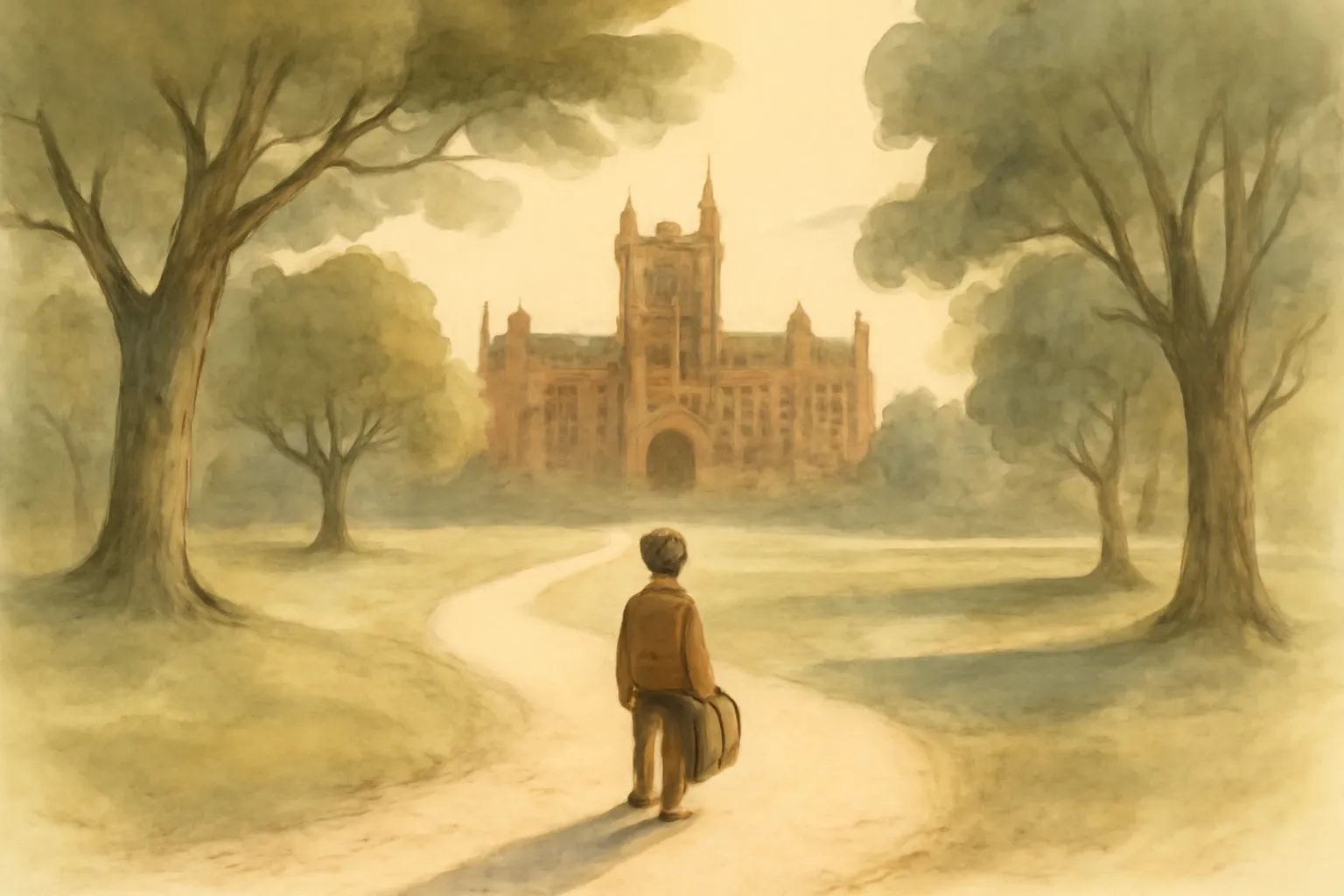
1.The Awkwardness of New Beginnings
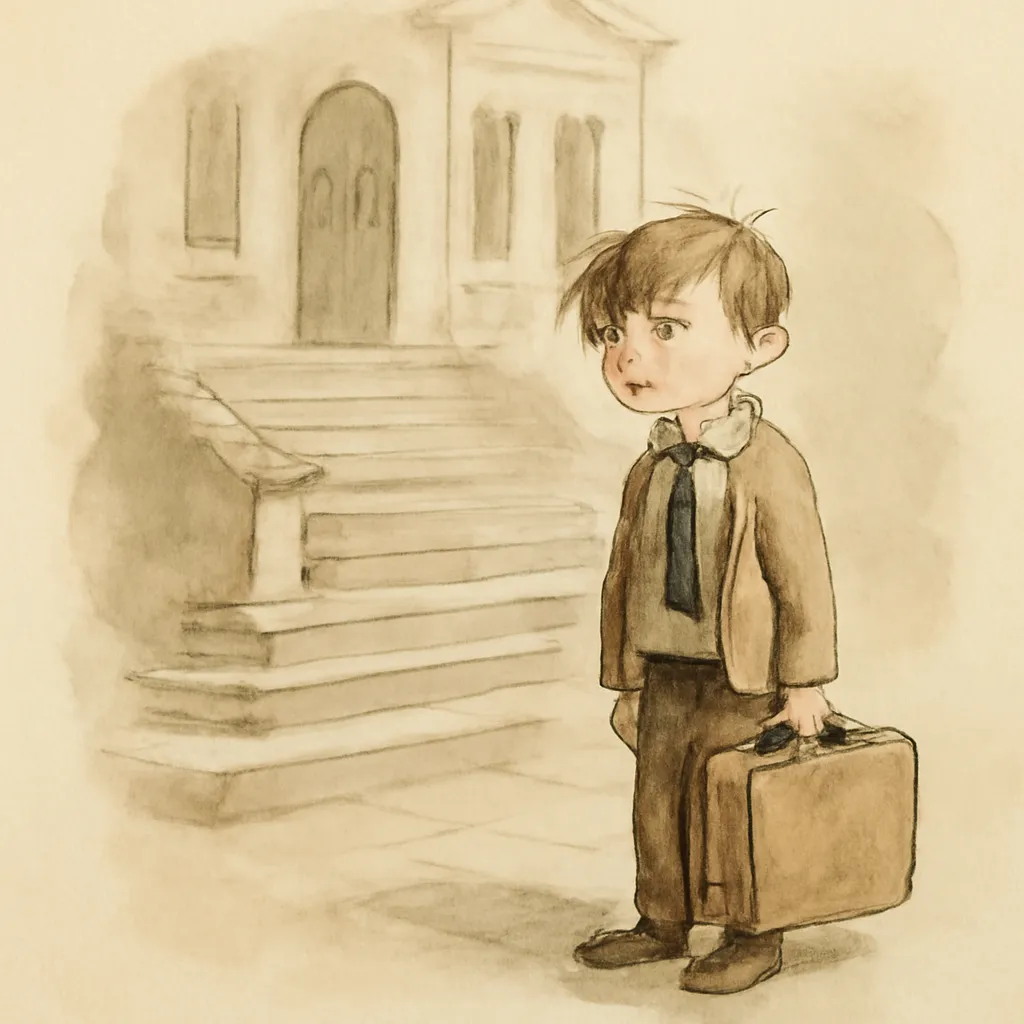
Dink Stover's arrival at Lawrenceville School is marked by a profound sense of discomfort and insecurity. Upon disembarking, he is immediately burdened by the weight of his possessions and the expectations of his new environment. His outfit, mismatched and ill-fitting, serves as a metaphor for his struggle to fit in among the established social circles of the school. As he juggles his belongings, he becomes acutely aware of the laughter that follows him—mockery that encapsulates the harsh reality of being a newcomer. This moment encapsulates the universal experience of awkwardness that accompanies transitions, emphasizing that the journey into a new social world can be both daunting and isolating. Dink's initial experiences reflect the broader theme of how first impressions and peer perceptions can impact one's self-esteem and confidence. His discomfort sets the stage for a narrative that will explore the challenges of social integration and identity formation throughout his time at Lawrenceville.
2.The Perils of Peer Pressure
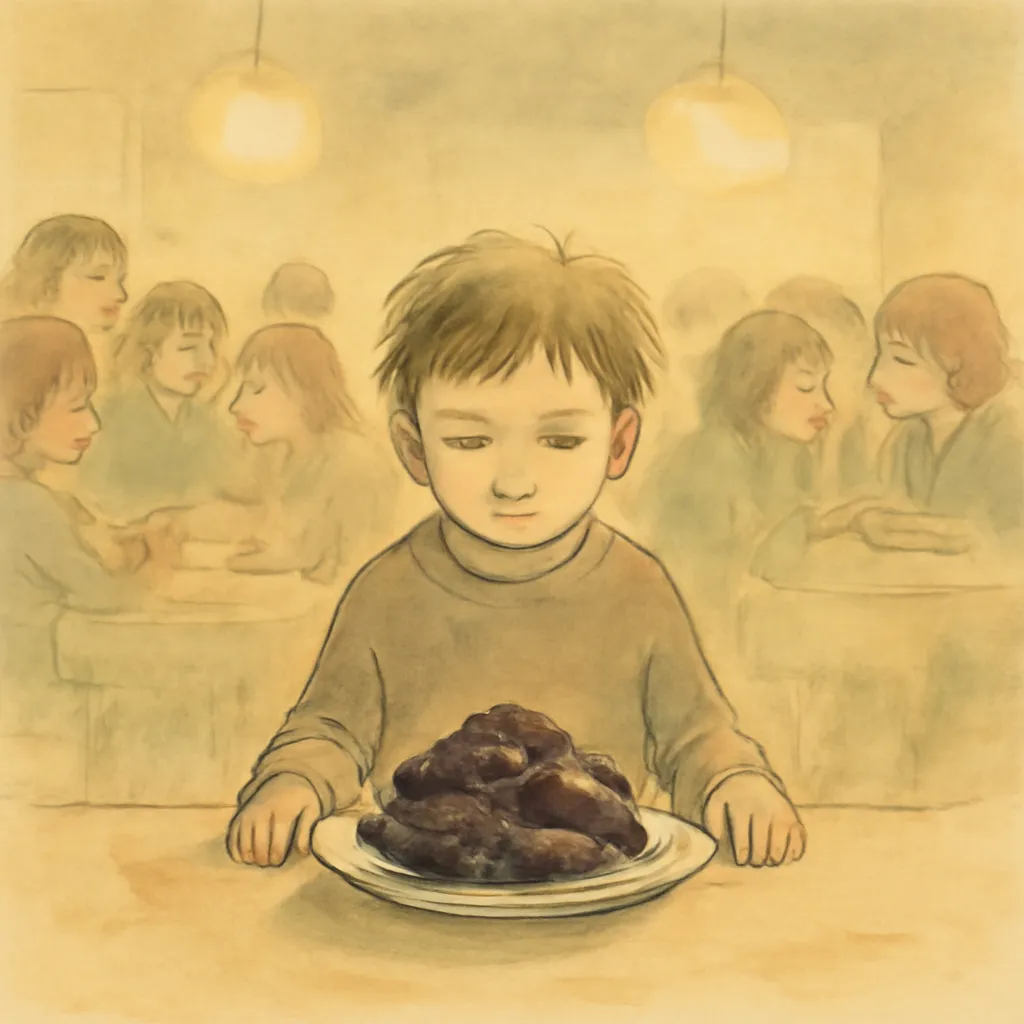
As Dink settles into life at Lawrenceville, he quickly realizes that the expectations of his peers exert a powerful influence on his actions and choices. The dining hall scene where he mistakenly requests a second helping of prunes illustrates the brutal consequences of social faux pas. His innocent mistake leads to ridicule from his classmates, who are quick to remind him of the unspoken rules that govern their interactions. The laughter that ensues at the table signifies not just a moment of embarrassment for Dink, but a stark reminder of the social order he must navigate. He learns that fitting in often requires adherence to the group’s norms, even at the cost of his own preferences. Dink's desire to fit in compels him to navigate these treacherous waters, often leading him to make decisions that compromise his true self. This exploration of peer pressure highlights the intense desire for acceptance that characterizes adolescence, revealing how easily one can lose sight of personal values in pursuit of social validation. Dink's struggle serves as a cautionary tale about the lengths to which individuals may go to secure their place within a social hierarchy.
3.The Complexity of Friendship
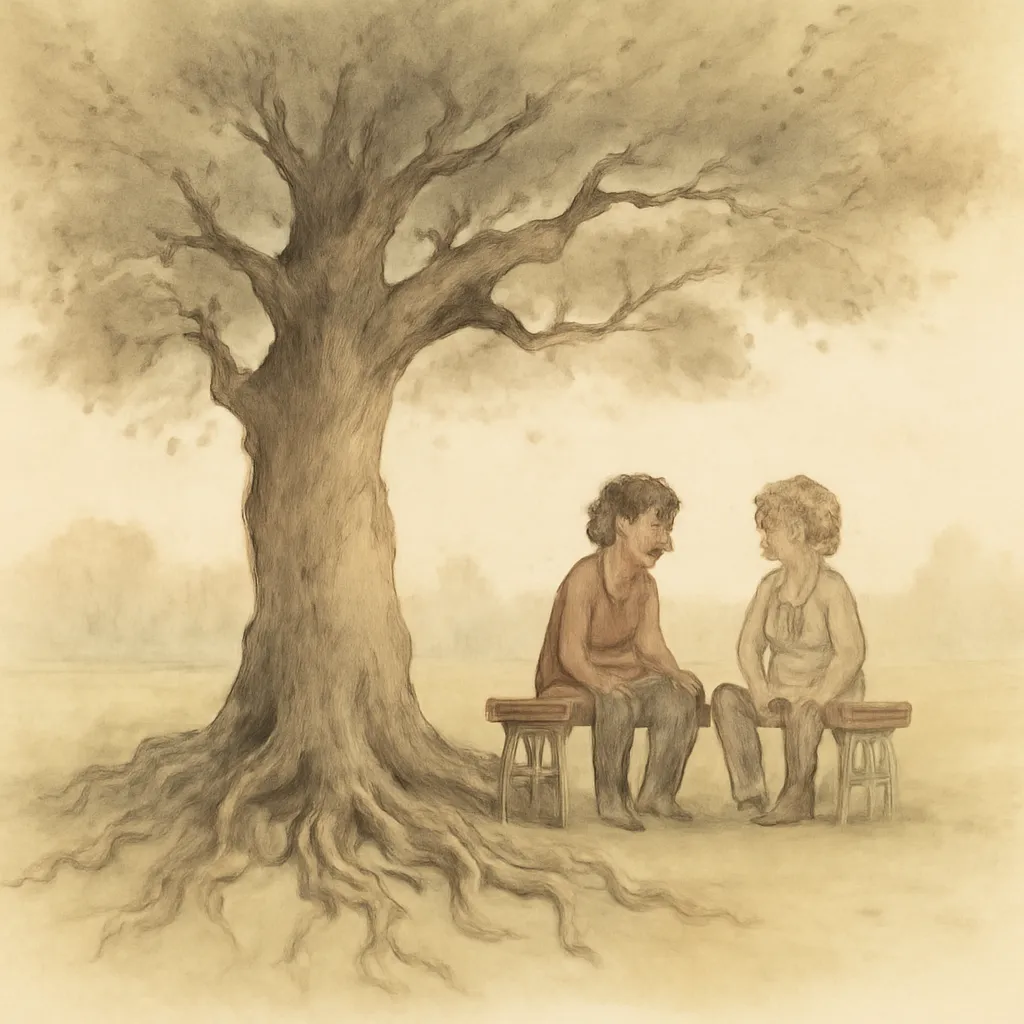
Dink's relationships at Lawrenceville are fraught with complexity, particularly his friendship with Butsey White. Initially, Butsey serves as a mentor figure, guiding Dink through the intricacies of school life and introducing him to critical social norms. However, their friendship is tested as Dink's actions provoke the ire of their peers, particularly the Coffee-colored Angel. As the dynamics shift, Dink finds himself navigating the difficult terrain of loyalty and acceptance. This dynamic illustrates the fragility of friendships in adolescence, where loyalty is often contingent upon social standing and acceptance. The boys' interactions reveal how quickly alliances can shift, and how the fear of social ostracism can strain even the strongest of bonds. As Dink struggles to maintain his social standing while also fostering his friendship with Butsey, he grapples with the idea that true friendship may require authenticity over conformity. Dink's evolving relationship with Butsey serves as a poignant reminder that navigating friendships during this tumultuous period requires both courage and resilience, and often involves difficult choices that can impact one’s social life.
4.Confronting Bullies and Finding Courage
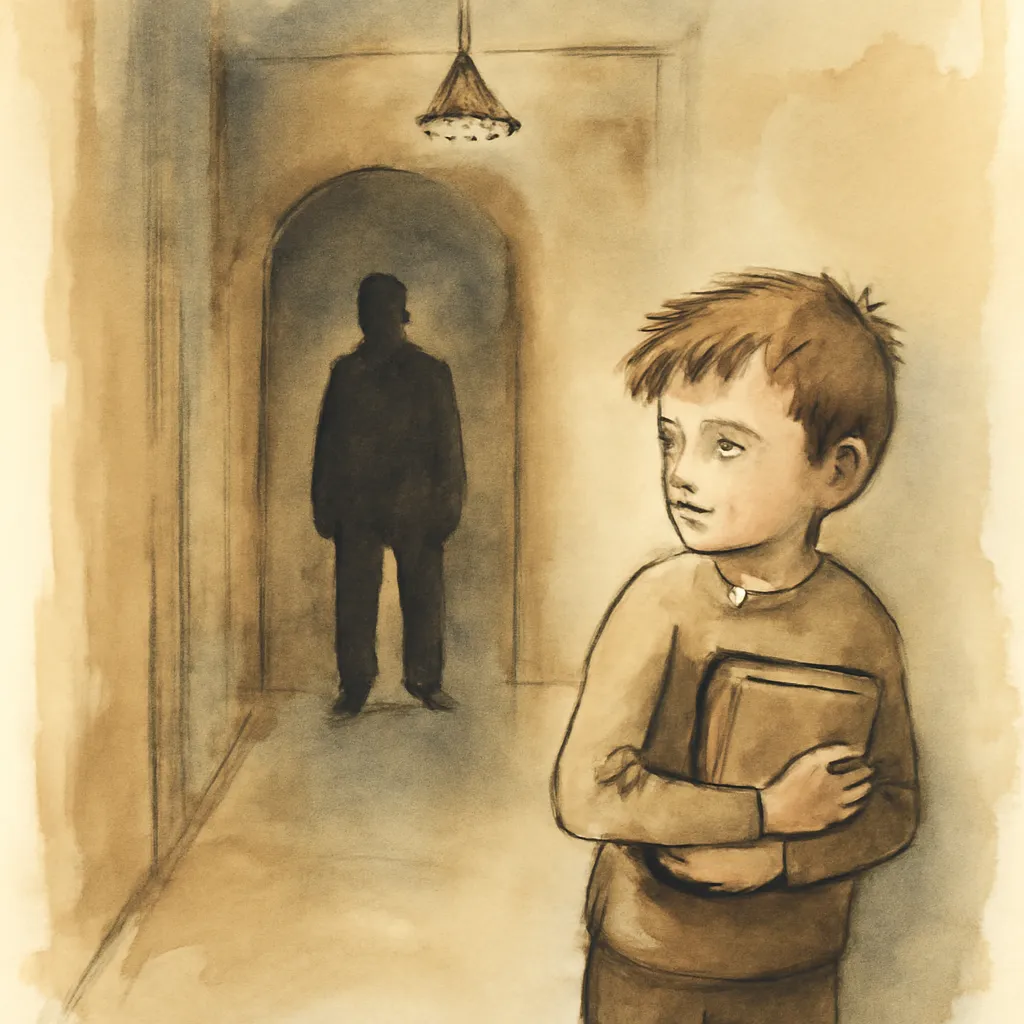
The presence of Tough McCarty, the school bully, looms large in Dink's life, representing the external challenges he must confront in his journey toward self-acceptance. Dink's initial fear of McCarty is palpable, reflecting the common experience of feeling intimidated by those who wield power in social hierarchies. McCarty's character embodies the archetypal bully, using physical and emotional intimidation to assert dominance over others. However, as the story unfolds, Dink's encounters with McCarty force him to confront his fears and ultimately challenge the status quo. The climactic fight between Dink and McCarty symbolizes a pivotal moment of growth—no longer is Dink simply a victim; he learns to stand up for himself and assert his identity. This confrontation not only marks a turning point in Dink's character development but also emphasizes the importance of resilience and courage in the face of adversity. Through this struggle, Dink experiences a transformation that reinforces the theme of personal empowerment, illustrating that true strength often lies in the ability to confront one's fears head-on.
5.The Role of Humor in Coping with Adversity
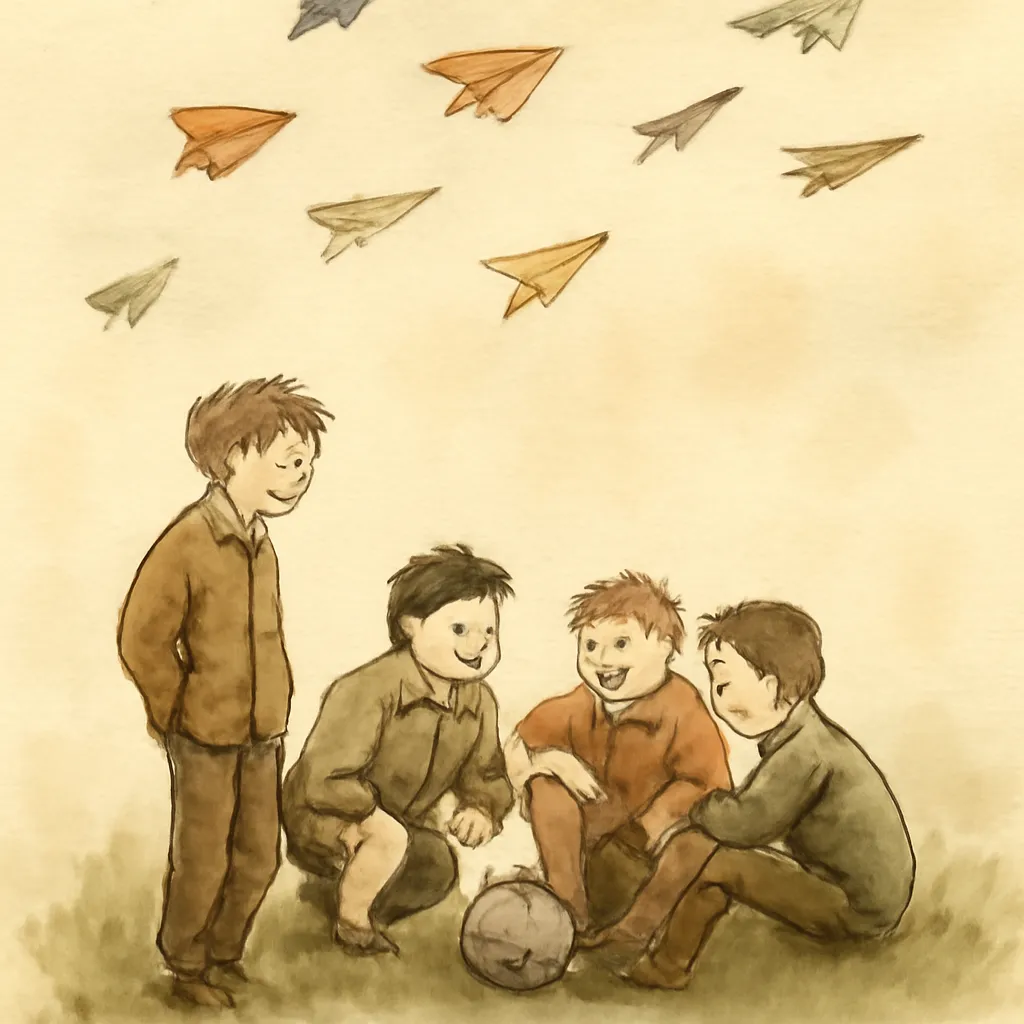
Throughout 'The Varmint', humor emerges as a vital coping mechanism for Dink and his peers as they navigate the challenges of school life. The boys often resort to witty banter and playful teasing as a way to connect with one another and diffuse tension. For instance, Dink uses humor to navigate his discomfort and to bond with his friends, creating moments of levity that contrast with the pressures they face. Dink's humorous observations about his surroundings and the absurdities of boarding school life provide a much-needed respite from the burdens of expectation. This use of humor not only fosters camaraderie among the boys but also serves as a reminder that laughter can be a powerful tool for resilience. By embracing humor, Dink learns to navigate his circumstances with a lighter heart, ultimately helping him to forge deeper connections with his classmates. This theme reiterates the idea that in the face of hardship, finding joy—even in small moments—can be essential for survival and emotional well-being.
6.The Quest for Identity

As Dink grapples with the expectations of his peers and the pressures of fitting in, he embarks on a profound quest for identity. This journey is marked by moments of self-doubt and introspection, as he reflects on who he is outside the confines of Lawrenceville's social hierarchy. The narrative allows readers to witness Dink's internal struggles as he strives to define himself amidst external pressures. In moments of solitude, Dink considers his values and the type of person he wants to be, grappling with the desire for acceptance while longing for authenticity. The transformation he undergoes, from a timid new boy to a more self-assured individual, illustrates the universal struggle of adolescence. Dink's experiences compel him to confront not only external perceptions but also his internal beliefs about himself. This theme of identity formation resonates deeply with readers, as it encapsulates the essence of growing up and the ongoing search for self amidst the cacophony of external influences. Dink's quest emphasizes that the path to self-discovery is often fraught with challenges, but ultimately rewarding.
7.The Impact of Authority Figures
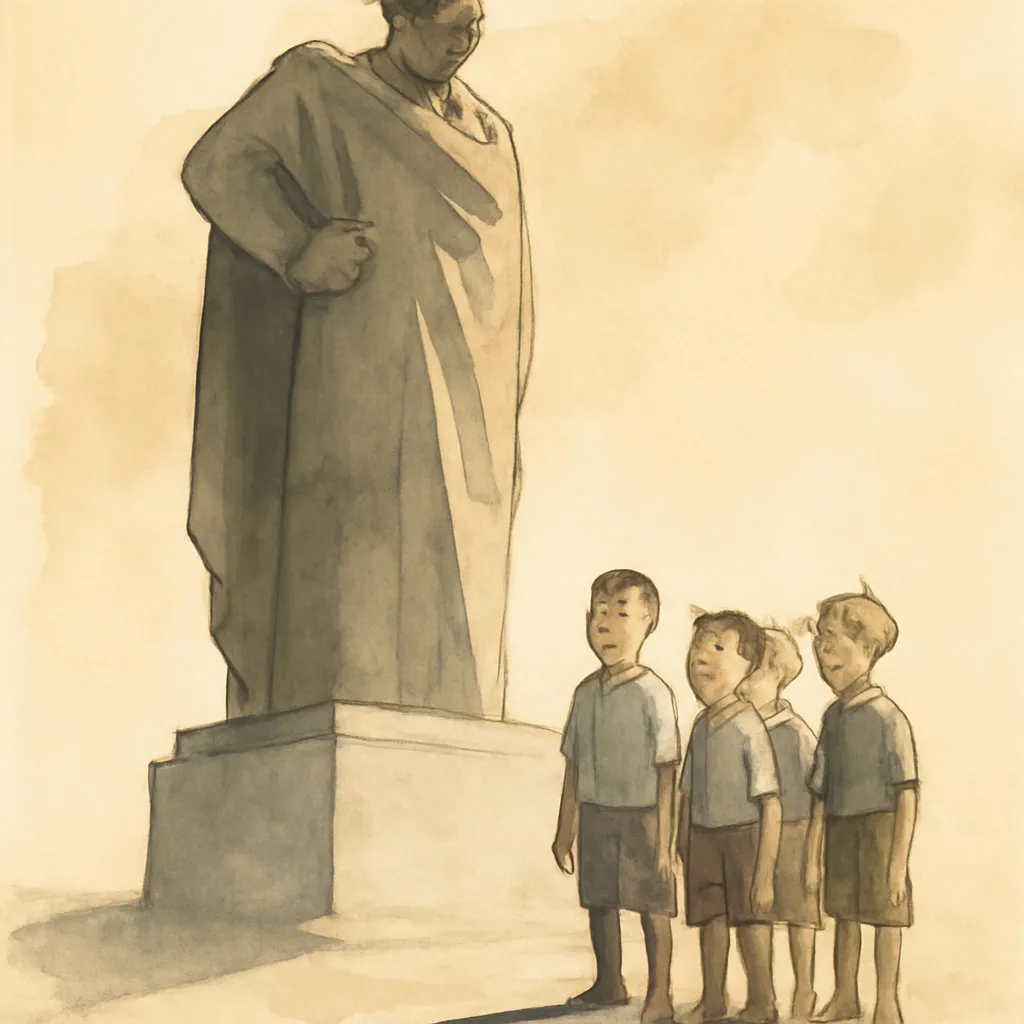
The various authority figures at Lawrenceville, particularly The Roman, play a significant role in shaping Dink's experiences and perceptions of the school. The Roman's interactions with Dink often highlight the complexities of authority, as he embodies both the protector and the enforcer of rules. Dink's feelings of apprehension and respect toward The Roman reflect the dual nature of authority in educational settings, where figures of power can inspire both admiration and fear. The nuanced portrayal of authority in the narrative underscores the importance of mentorship and guidance during formative years. Dink's relationship with The Roman evolves as he learns to navigate the expectations placed upon him, ultimately realizing that authority can also serve as a source of support and guidance. Through his encounters with authority, Dink comes to understand that while rules may feel restrictive, they can also pave the way for personal growth and character development.
8.Navigating Romantic Interests

As Dink's journey progresses, the emergence of romantic interests adds another layer of complexity to his experiences. His interactions with Josephine McCarty introduce themes of infatuation and the often bewildering nature of young love. Dink's initial embarrassment and subsequent excitement at the prospect of impressing Josephine highlight the awkwardness that often accompanies adolescent crushes. These interactions provide insight into Dink's evolving self-image as he grapples with feelings of attraction and the desire to be seen as mature. The exploration of romance serves to illustrate the broader theme of identity, as Dink's feelings for Josephine compel him to consider how he presents himself to others. The innocence of young love, coupled with its inherent challenges, resonates with readers as a quintessential aspect of the adolescent experience. Dink's romantic pursuits ultimately contribute to his character growth, revealing how relationships can shape one's understanding of self and others.
9.The Importance of Resilience
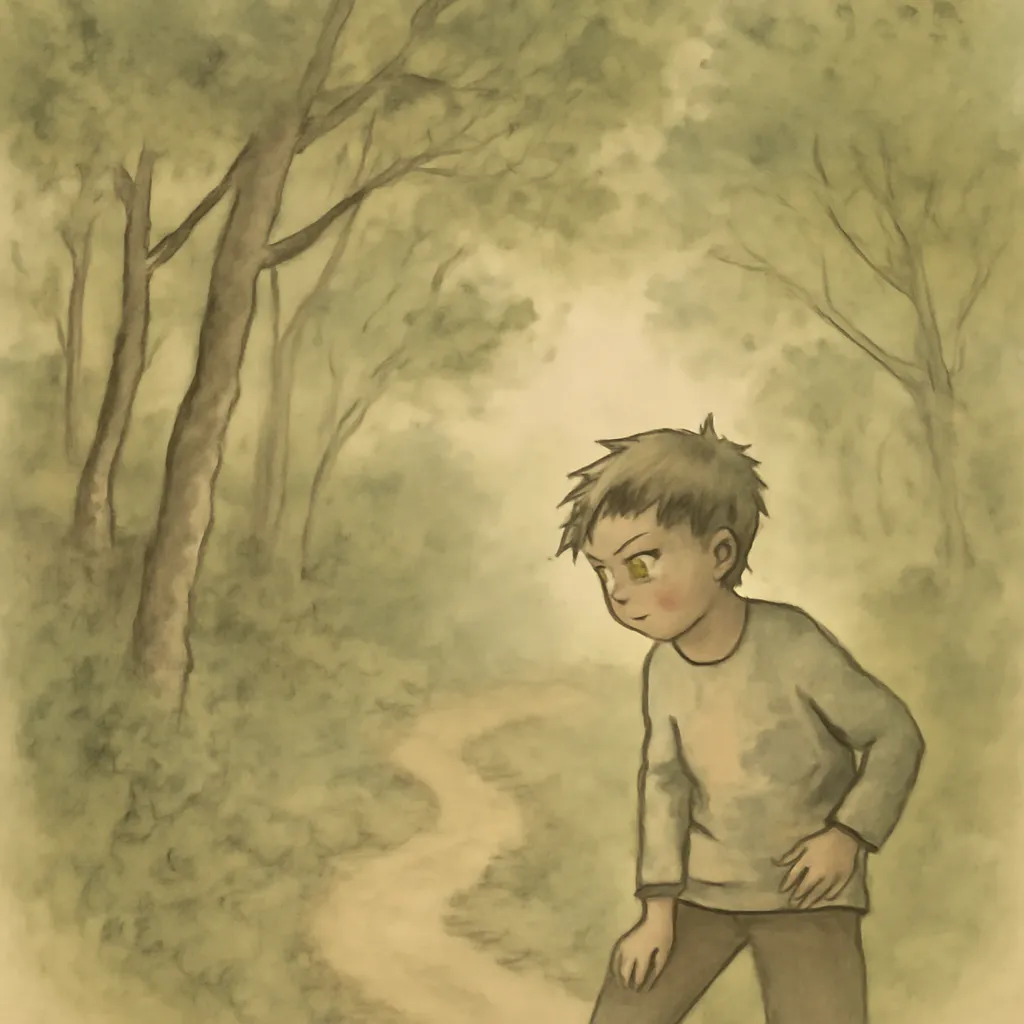
Dink's experiences at Lawrenceville ultimately underscore the importance of resilience in the face of adversity. From the challenges of fitting in to confronting bullies, Dink learns that setbacks are an inevitable part of growing up. His journey reflects the broader theme of perseverance, as he navigates the complexities of school life and emerges stronger for it. The moments of triumph and failure that Dink experiences serve as valuable lessons, teaching him that resilience is essential for overcoming obstacles and achieving personal growth. His ability to bounce back from humiliation, reconcile with friends, and confront his fears represents the essence of resilience. This emphasis on resilience resonates with readers, offering a hopeful perspective on the challenges of adolescence and the potential for transformation that lies within each individual. Dink's growth demonstrates that while pain and struggle are part of the journey, they can also lead to profound self-discovery and empowerment.