
The Varmint reveals the tumultuous journey of adolescence through the eyes of a boy navigating the complex social hierarchies of a prestigious boarding school
Read full overviewShow less›
In Owen Johnson's 'The Varmint', readers are immersed in the life of Dink Stover, a young boy who transitions from the innocence of childhood to the complexities of adolescence at Lawrenceville School. The narrative intricately captures the struggles of fitting in, the trials of peer pressure, and the evolving understanding of identity that accompany the journey through adolescence. Through Dink's experiences, readers witness the harsh realities of school life, from navigating friendships to confronting bullies, all while grappling with self-esteem and personal growth. This coming-of-age story not only highlights the challenges of youth but also reflects on the lessons learned and the resilience developed during this formative period. As Dink encounters various characters and situations, the book offers poignant insights into the nature of friendship, rivalry, and the quest for self-acceptance.
In 'The Varmint', Owen Johnson masterfully captures the tumultuous journey of adolescence through the life of Dink Stover at Lawrenceville School. The narrative intricately weaves together themes of identity, peer pressure, friendship, and the quest for self-acceptance, providing readers with a rich exploration of the challenges faced during this formative period. Dink's experiences serve as both a reflection of the universal struggles of youth and a reminder of the resilience that can emerge from overcoming adversity. Through Dink's journey, readers are encouraged to embrace their own paths toward self-discovery and growth, highlighting the importance of navigating the complexities of adolescence with courage and authenticity. Ultimately, 'The Varmint' is a poignant reminder of the lessons learned and the friendships forged during the often tumultuous but transformative years of youth.
- 1The Awkwardness of New Beginnings
- 2The Perils of Peer Pressure
- 3The Complexity of Friendship
- 4Confronting Bullies and Finding Courage
- 5The Role of Humor in Coping with Adversity
Notable quotes
“What in the name of peanuts did you do that for?”
“Now you have put your foot in it!”
“You're a cheerful liar, you are.”
A glimpse inside

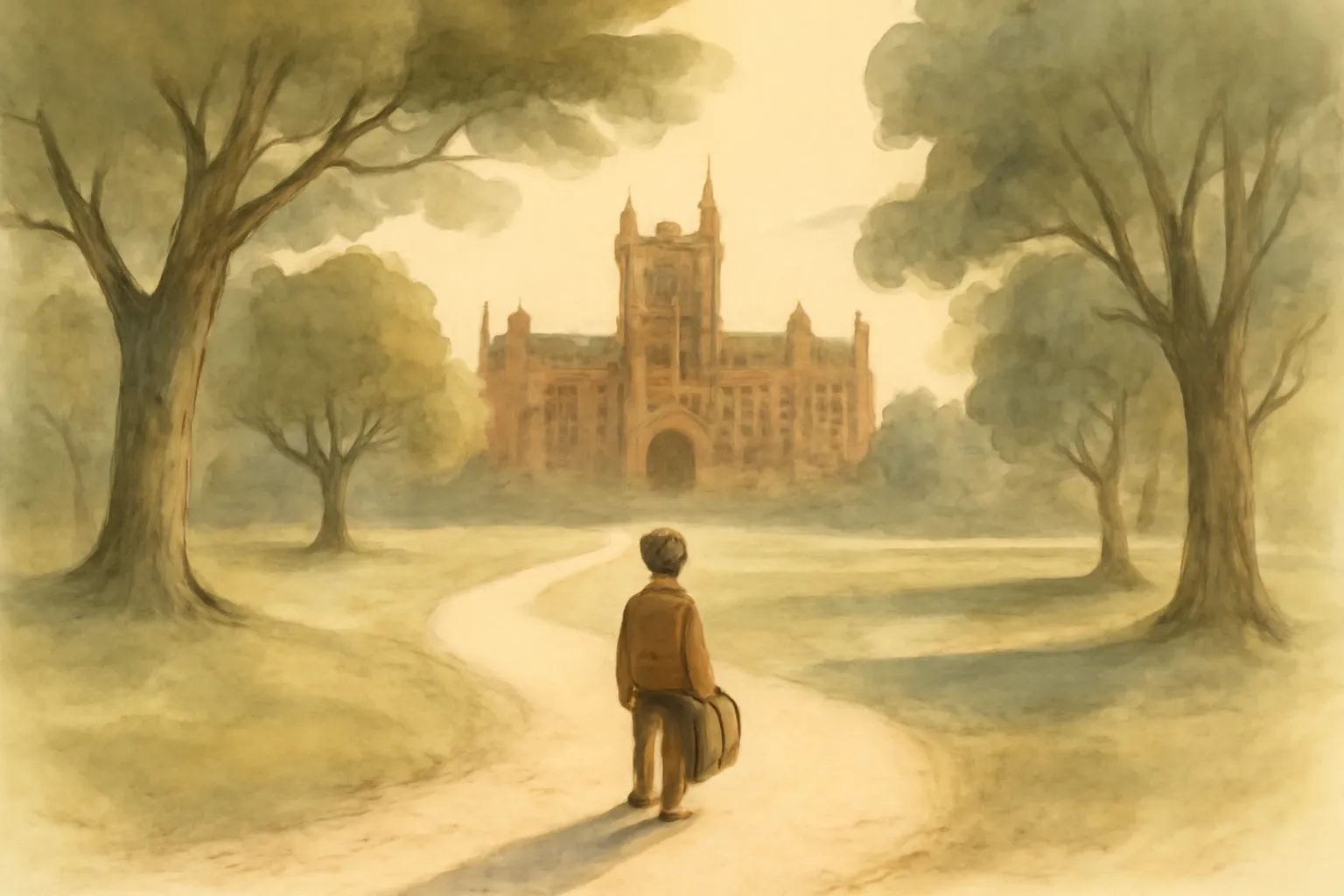
Dink Stover's arrival at Lawrenceville School is marked by a profound sense of discomfort and insecurity. Upon disembarking, he is immediately burdened by the weight of h… Read moreDink Stover's arrival at Lawrenceville School is marked by a profound sense of discomfort and insecurity. Upon disembarking, he is immediately burdened by the weight of his possessions and the expectations of his new environment. His outfit, mismatched and ill-fitting, serves as a metaphor for his struggle to fit in among the established social circles of the school. As he juggles his belongings, he becomes acutely aware of the laughter that follows him—mockery that encapsulates the harsh reality of being a newcomer. This moment encapsulates the universal experience of awkwardness that accompanies transitions, emphasizing that the journey into a new social world can be both daunting and isolating. Dink's initial experiences reflect the broader theme of how first impressions and peer perceptions can impact one's self-esteem and confidence. His discomfort sets the stage for a narrative that will explore the challenges of social integration and identity formation throughout his time at Lawrenceville. Show less
As Dink settles into life at Lawrenceville, he quickly realizes that the expectations of his peers exert a powerful influence on his actions and choices. Read moreAs Dink settles into life at Lawrenceville, he quickly realizes that the expectations of his peers exert a powerful influence on his actions and choices. The dining hall scene where he mistakenly requests a second helping of prunes illustrates the brutal consequences of social faux pas. His innocent mistake leads to ridicule from his classmates, who are quick to remind him of the unspoken rules that govern their interactions. The laughter that ensues at the table signifies not just a moment of embarrassment for Dink, but a stark reminder of the social order he must navigate. He learns that fitting in often requires adherence to the group’s norms, even at the cost of his own preferences. Dink's desire to fit in compels him to navigate these treacherous waters, often leading him to make decisions that compromise his true self. This exploration of peer pressure highlights the intense desire for acceptance that characterizes adolescence, revealing how easily one can lose sight of personal values in pursuit of social validation. Dink's struggle serves as a cautionary tale about the lengths to which individuals may go to secure their place within a social hierarchy. Show less
Read the full text — free
About the author
Read Owen Johnson's work free on Lumina — the complete text plus an 8-minute summary and key ideas, no account needed