1.The Rhythm of Rural Life
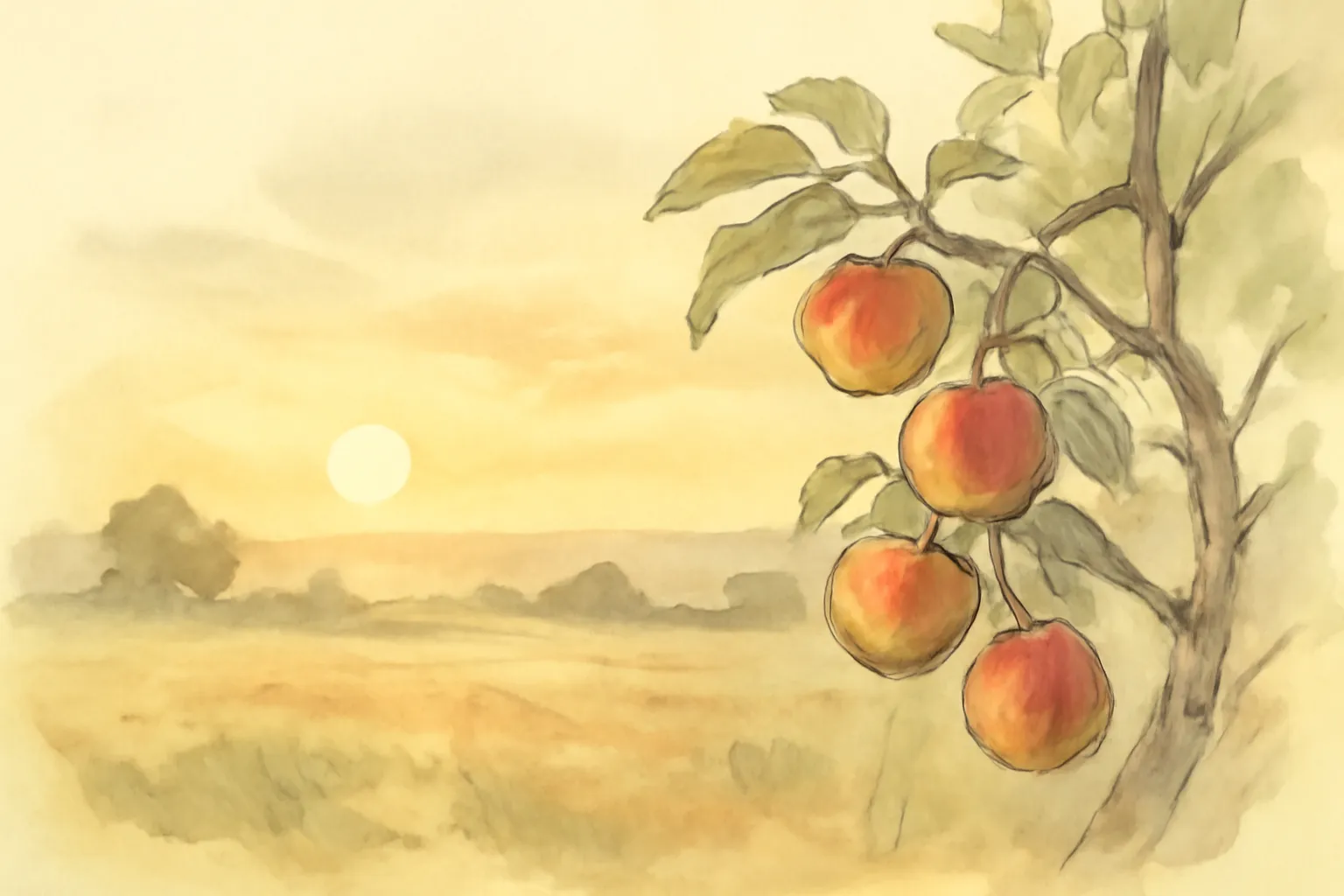
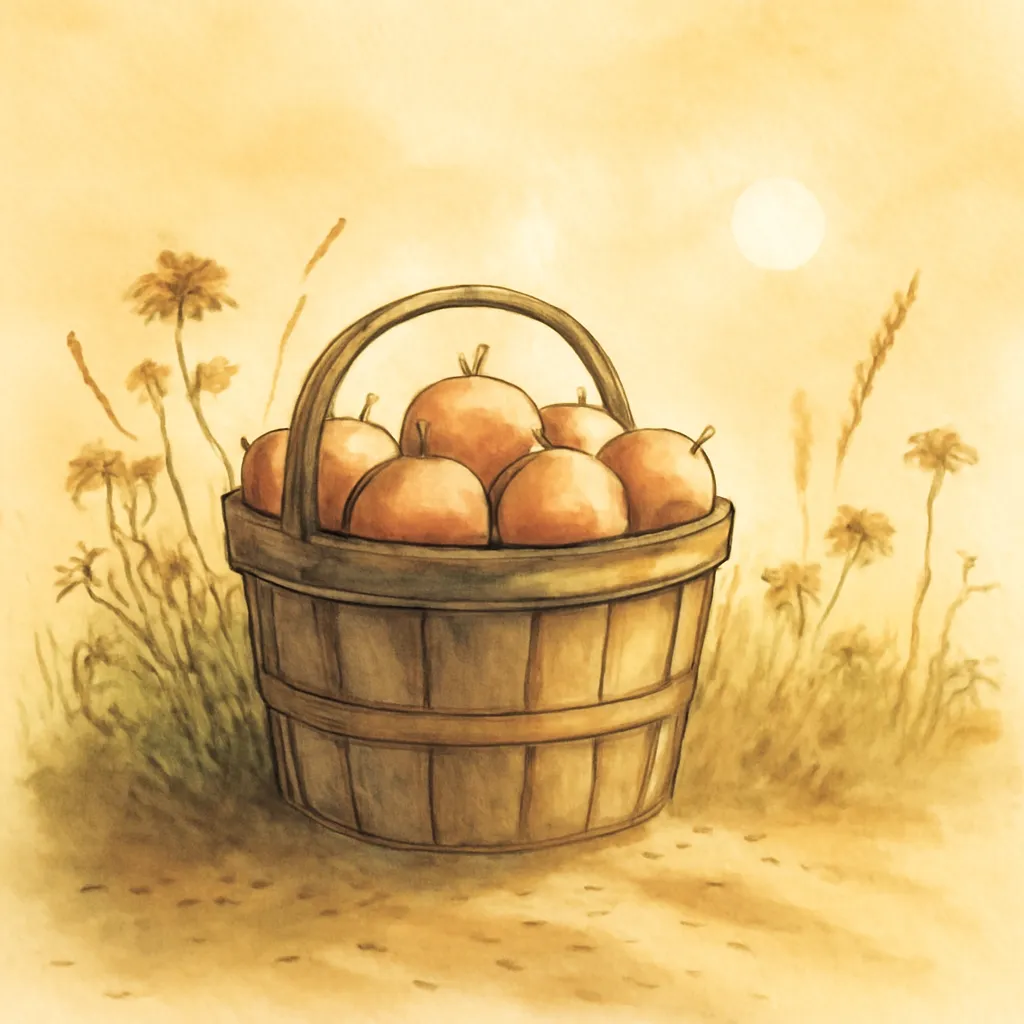
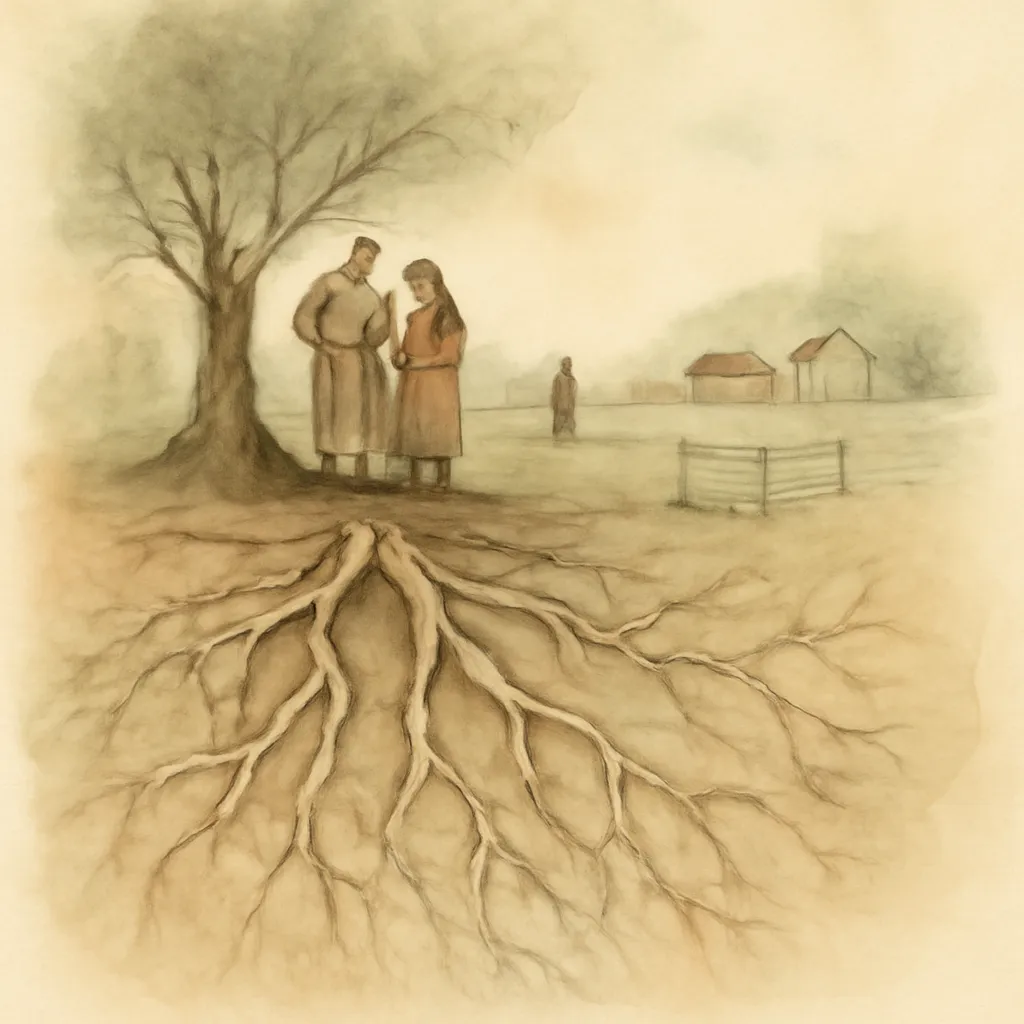
The novel opens with Ellen Gaddy gathering June apples, a scene that sets the stage for the agricultural backdrop that defines her life. The descriptions of the farm—its old brook, the yellow farmhouse, and the black gums—paint a vivid picture of a world where nature and labor intertwine. Ellen's chores, such as gathering apples and caring for animals, are not just tasks but rituals that connect her to the land and her heritage. The laborious yet fulfilling life on the farm highlights the rhythm of seasons, planting, and harvesting, which becomes a metaphor for growth and change in Ellen's own life. This connection to the land is a source of pride, but also a reminder of the hard work and challenges that accompany rural existence. The natural world operates on a cyclical basis, mirroring the emotional and physical cycles Ellen experiences as she transitions from childhood to adulthood.
2.Coming of Age and Identity
Ellen's journey from girlhood to womanhood is central to the narrative, marked by her interactions with family and friends. At sixteen, she is caught between childhood innocence and the expectations of adulthood. Her relationship with her father, Anton Gaddy, reflects traditional gender roles and the weight of familial duty. As Ellen navigates her identity, she expresses a desire to break free from societal norms, declaring, 'I won’t be called Mama. And I’d ne’er do a man’s bidding.' This defiance speaks to her internal struggle as she grapples with the limitations imposed on her by her gender and the expectations of her community. Ellen’s aspirations, which include visions of marrying a rich farmer and living a different life, are often met with skepticism from her peers and family. This tension showcases the realities faced by young women of her time, where personal desires often clash with societal demands.
3.Family Dynamics and Conflict
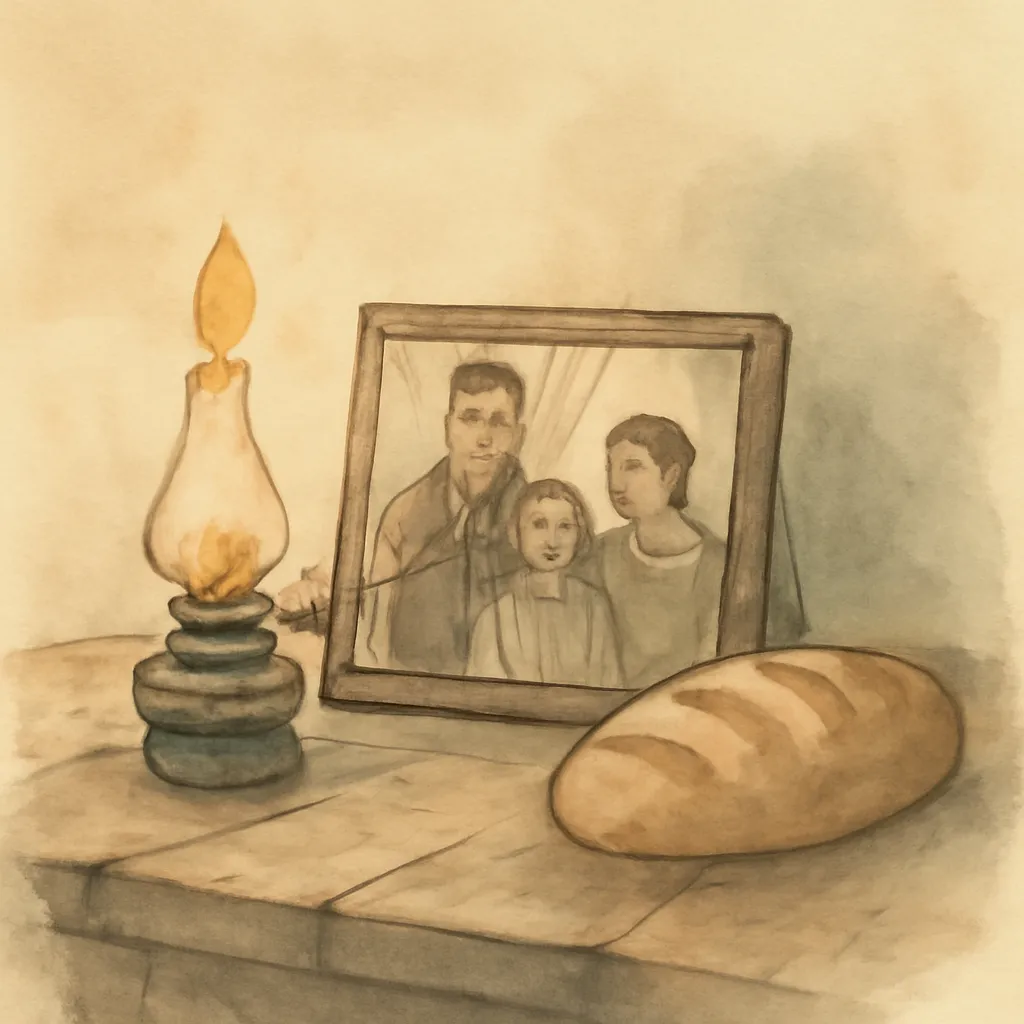
The Gaddy family is portrayed with all its complexities, showcasing the bonds that hold them together as well as the tensions that arise. Anton Gaddy, a short, thick-set man, embodies the traditional patriarch, fiercely protective of his land and family. His relationship with Maria, Ellen's mother, is marked by a blend of love and conflict, revealing the struggles within their marriage. The dynamics of power and control in their relationship highlight the societal expectations of gender roles in the early 20th century. As Maria becomes ill, Ellen steps into a caretaker role, which further complicates her relationship with her family and underlines the theme of responsibility that often falls on the shoulders of the younger generation. The arrival of Garland Gaddy, Anton’s brother, introduces a contrast between Anton’s serious disposition and Garland’s carefree attitude. This shift in family dynamics illustrates how external influences can disrupt established roles within a family and challenge the status quo.
4.Friendship and Female Bonds
Ellen's friendships with other young women, particularly Lily Garrett and her sister, Frankie, provide a counterpoint to her family life. These relationships are depicted with warmth and humor, illustrating the importance of female companionship in navigating the trials of adolescence. The scenes where Ellen and Lily make lavender sticks together serve not only as a bonding activity but also as a moment of shared dreams and aspirations. They laugh, joke, and imagine their futures, enveloped in a camaraderie that provides a respite from their daily responsibilities. Ellen's reluctance to conform to traditional female roles is shared by her friends, emphasizing the collective desire for autonomy. The dialogue among the girls reflects their hopes and fears, highlighting how friendships can serve as a support system that allows young women to explore their identities and express their true selves amidst societal pressures.
5.Love and Longing
Ellen's romantic feelings for Christian Ay add a layer of complexity to her character. Her infatuation is depicted with a sense of longing and desire, as she daydreams about him while performing her chores. Christian represents both the allure of love and the pain of unfulfilled dreams, as he becomes a source of heartache when he does not return her affections in the way she hopes. The emotional turmoil that Ellen experiences as she waits for Christian reflects the universal experience of young love—filled with anticipation, disappointment, and sometimes heartbreak. Her reflections on their relationship reveal how love can be both a source of joy and pain, serving as a catalyst for her growth and emotional maturity. As she grapples with her feelings for Christian, Ellen learns about the complexities of relationships and the importance of self-worth.
6.Nature as a Living Force
The natural world plays a crucial role in 'The Wheel of Earth,' serving as both a backdrop and a character in its own right. The descriptions of the changing seasons, the cycles of planting and harvest, and the animals on the farm create a vivid sense of place and time. Ellen's connection to nature is profound; she feels the rhythms of the earth in her bones and understands the land's moods. The harsh realities of farming life, including droughts and storms, serve as reminders of nature's power and unpredictability. Ellen's reflections on the land echo the themes of resilience and adaptation, as she learns to navigate both the challenges of rural life and her own emotional landscape. The environment reflects her internal struggles and triumphs; the beauty of a sunny day may bring her hope, while a storm can symbolize her turmoil and fears.
7.The Weight of Expectations
Ellen grapples with the weight of expectations placed upon her by her family and society. As the eldest daughter, she feels the pressure to uphold family traditions and fulfill her duties on the farm. This burden is compounded by her mother's illness, which forces Ellen to assume responsibilities beyond her years. The tension between her personal desires and the demands of her family creates an internal struggle that is palpable throughout the narrative. Ellen’s desire for autonomy is often suppressed by her sense of duty; she oscillates between wanting to pursue her dreams and the obligation to remain at home and care for her family. This conflict serves as a poignant exploration of the sacrifices women often make for their families, demonstrating how societal expectations can shape individual lives in profound ways.
8.Tradition Versus Change
The conflict between tradition and change is a recurring theme in the novel, illustrated through the Gaddy family's way of life. Anton's adherence to old-fashioned farming techniques and beliefs contrasts with the evolving world around them, where new ideas and technologies begin to take root. Ellen’s struggle for independence and her desire to forge her own path represent the shift towards modernity, as she seeks to break free from the constraints of her upbringing. This tension is also exemplified through the characters of Garland and other visitors who bring new perspectives and ideas into the family dynamic. The narrative captures the essence of this struggle, portraying the challenges of reconciling the past with the present and the inevitable changes that come with time and progress.
9.Resilience and Growth
Throughout 'The Wheel of Earth,' the theme of resilience emerges as a powerful undercurrent. Ellen's journey is marked by moments of hardship and loss, yet she continually finds the strength to persevere. As her family faces challenges such as illness and the demands of farm life, Ellen learns to adapt and grow. Her experiences shape her character, instilling in her a sense of determination and grit. The novel illustrates that resilience is not about enduring difficulties in silence; it's about embracing change and finding hope in the face of adversity. Ellen's evolution from a naive girl to a strong, independent woman serves as a testament to the human spirit's capacity for growth and transformation, suggesting that through struggle, one can find strength and purpose.
10.The Interconnectedness of Life
The interconnectedness of life is a central motif in Sandburg's narrative. The relationships between family members, friends, and the natural world create a tapestry of experiences that highlight the importance of community and connection. Ellen's life on the farm is not isolated; it is deeply intertwined with the lives of those around her. The rhythm of farm chores, the shared laughter among friends, and the support during times of crisis all underscore the idea that life is a collective journey. This interconnectedness is further emphasized through the cycles of nature—birth, growth, decay—mirroring the cycles of human experience. Ellen learns that her actions, choices, and relationships have a profound impact on the world around her, reinforcing the theme that we are all part of a larger whole, deeply connected to one another and the earth.