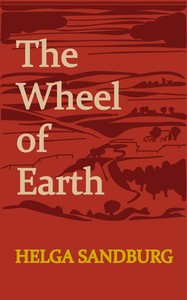

The Wheel of Earth reveals the intricate tapestry of life on a rural farm, exploring the intersection of family bonds, love, and the harsh realities of nature
Read full overviewShow less›
Helga Sandburg's 'The Wheel of Earth' immerses readers in the vivid world of Ellen Gaddy, a young girl navigating the complexities of rural life in the early 20th century. Through Ellen's eyes, the novel explores themes of growth, responsibility, and the tension between personal desires and societal expectations. The rich descriptions of farm life, the daily rhythms of work, and the emotional landscape of familial relationships create a compelling narrative that resonates with anyone who has ever grappled with the pull of duty versus the call of the heart. As Ellen faces the challenges of adolescence and the harsh realities of her environment, readers are invited to reflect on their own connections to home, family, and the earth itself.
In 'The Wheel of Earth,' Helga Sandburg masterfully weaves together the threads of family, love, and the natural world, creating a rich tapestry that resonates with readers on multiple levels. Ellen Gaddy's journey is not just a coming-of-age story; it encapsulates the struggles and triumphs of life itself. The novel invites reflection on the ties that bind us to our families and the land, as well as the choices we make in pursuit of our own identities. As Ellen learns to navigate the complexities of her world, she embodies the resilience and strength that define the human experience. Ultimately, Sandburg's work serves as a poignant reminder of the enduring connections we share with each other and the earth.
- 1The Rhythm of Rural Life
- 2Coming of Age and Identity
- 3Family Dynamics and Conflict
- 4Friendship and Female Bonds
- 5Love and Longing
Notable quotes
“Bear me good news.”
“I won’t be called Mama. And I’d ne’er do a man’s bidding.”
“Hit belongs at the barn with the nanny.”
A glimpse inside

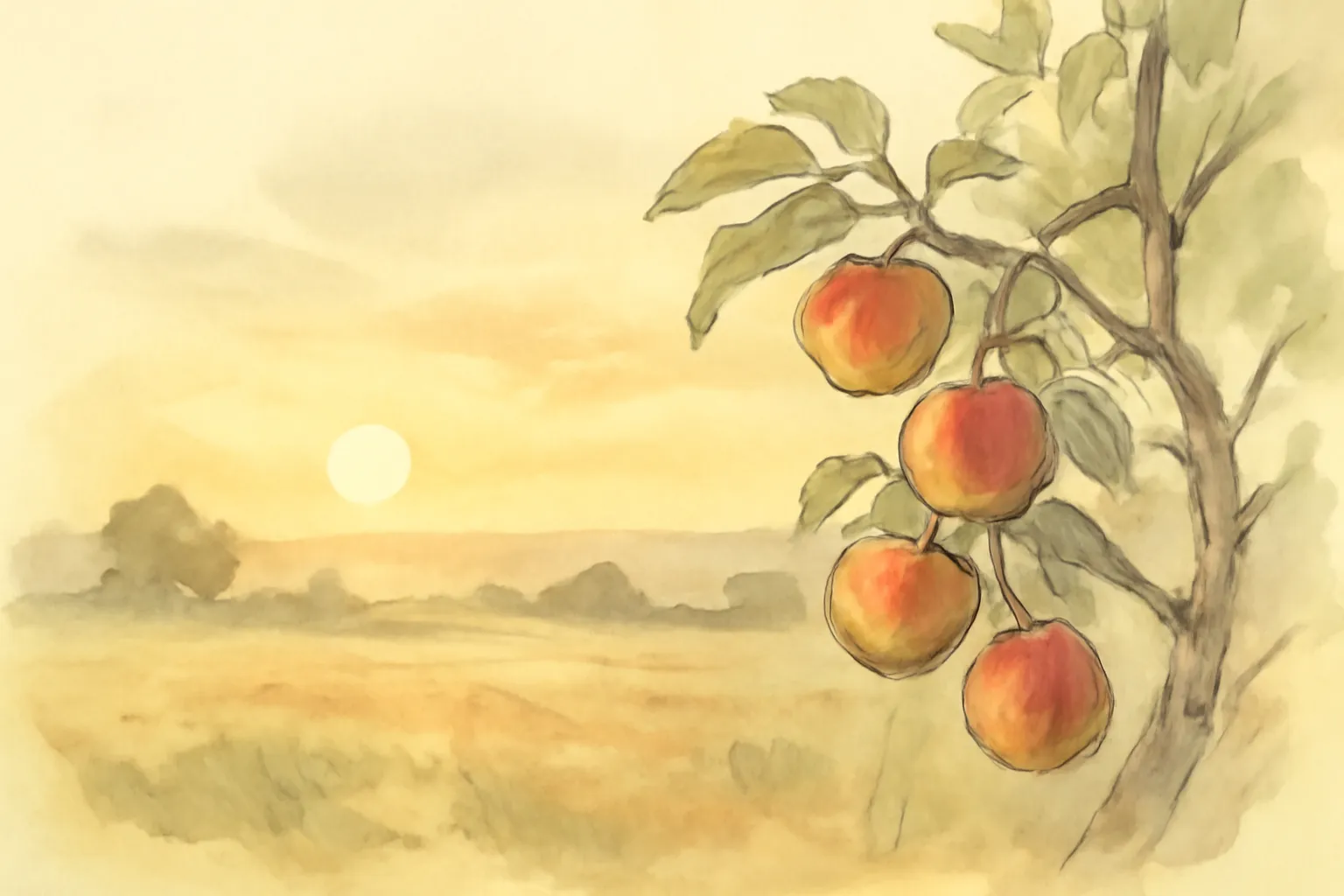
The novel opens with Ellen Gaddy gathering June apples, a scene that sets the stage for the agricultural backdrop that defines her life. Read moreThe novel opens with Ellen Gaddy gathering June apples, a scene that sets the stage for the agricultural backdrop that defines her life. The descriptions of the farm—its old brook, the yellow farmhouse, and the black gums—paint a vivid picture of a world where nature and labor intertwine. Ellen's chores, such as gathering apples and caring for animals, are not just tasks but rituals that connect her to the land and her heritage. The laborious yet fulfilling life on the farm highlights the rhythm of seasons, planting, and harvesting, which becomes a metaphor for growth and change in Ellen's own life. This connection to the land is a source of pride, but also a reminder of the hard work and challenges that accompany rural existence. The natural world operates on a cyclical basis, mirroring the emotional and physical cycles Ellen experiences as she transitions from childhood to adulthood. Show less
Ellen's journey from girlhood to womanhood is central to the narrative, marked by her interactions with family and friends. Read moreEllen's journey from girlhood to womanhood is central to the narrative, marked by her interactions with family and friends. At sixteen, she is caught between childhood innocence and the expectations of adulthood. Her relationship with her father, Anton Gaddy, reflects traditional gender roles and the weight of familial duty. As Ellen navigates her identity, she expresses a desire to break free from societal norms, declaring, 'I won’t be called Mama. And I’d ne’er do a man’s bidding.' This defiance speaks to her internal struggle as she grapples with the limitations imposed on her by her gender and the expectations of her community. Ellen’s aspirations, which include visions of marrying a rich farmer and living a different life, are often met with skepticism from her peers and family. This tension showcases the realities faced by young women of her time, where personal desires often clash with societal demands. Show less
Read the full text — free
About the author
Read Helga Sandburg's work free on Lumina — the complete text plus an 8-minute summary and key ideas, no account needed