1.The Power of Superstition

Superstition is a fundamental aspect of human nature, deeply rooted in our quest for understanding the unknown. In the context of the Salem witch trials, superstition fueled the hysteria that led to the persecution of innocent individuals. The belief in witchcraft was pervasive, with many people attributing unexplained phenomena to supernatural forces. Characters in the novel, such as the townsfolk and Reverend Parris, exemplify how easily fear can manipulate reason, leading to irrational behavior. For instance, the townspeople's readiness to accept the existence of witches reveals a collective vulnerability to unfounded beliefs. This theme highlights that superstition is not merely a relic of the past; it continues to influence modern society in various forms, reminding us to remain vigilant against blind belief. The exploration of superstition in the novel serves as a cautionary tale about the dangers of allowing fear to dictate actions and decisions, urging readers to seek knowledge and understanding instead.
2.Religious Fanaticism and Hypocrisy

The novel intricately explores the dangerous intersection of religion and personal ambition, particularly through the character of Samuel Parris. Parris embodies the worst traits of religious leaders—hypocrisy, bigotry, and a thirst for power. Despite his role as a spiritual guide, he uses his position to manipulate others and further his own agenda. The Puritans, who fled religious persecution, paradoxically became oppressors themselves, persecuting those whose beliefs differed from their own. For example, Parris’s denunciation of Cora Waters simply because of her background illustrates how those who profess to uphold moral standards can easily become agents of injustice. This critical view of religious authority invites readers to reflect on the moral responsibilities of leaders and the impact of their actions on the communities they serve. The narrative emphasizes that when religion becomes intertwined with prejudice and ignorance, it can lead to barbaric acts, underscoring the importance of tolerance and understanding in a diverse society. This warning against fanaticism is particularly relevant today, as it prompts a reevaluation of how religious beliefs can be weaponized in modern contexts.
3.The Role of Women in Society

Women in the Salem community, such as Cora Waters and Goody Nurse, are portrayed as both victims and agents of change within a patriarchal society. Cora, the daughter of an indentured slave, symbolizes the struggles faced by women of color, who are marginalized and subjected to the whims of the powerful. Her character reveals the intersectionality of race and gender, as she navigates a world that undervalues her existence. Goody Nurse, a respected figure in the community, becomes a target of suspicion due to her defiance against the prevailing religious fervor. The novel highlights the inherent contradictions in a society that claims to value virtue yet punishes women who challenge societal norms. Their stories reveal the complexities of women's roles in a society where their worth is often measured by their conformity to male-dominated norms. The novel challenges readers to reflect on the historical oppression of women and the ongoing fight for equality and justice, making them consider how far society has come and how far it still has to go in achieving true equity for all.
4.The Fragility of Justice
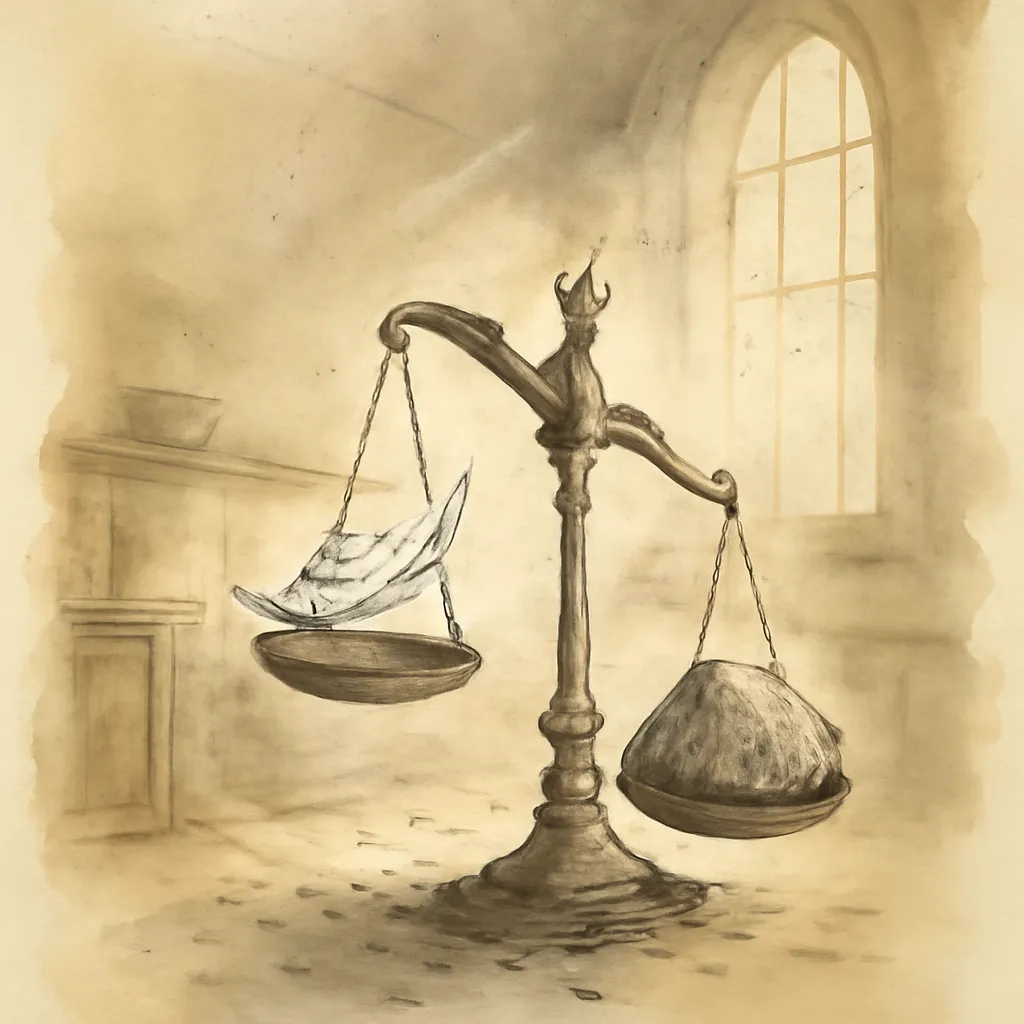
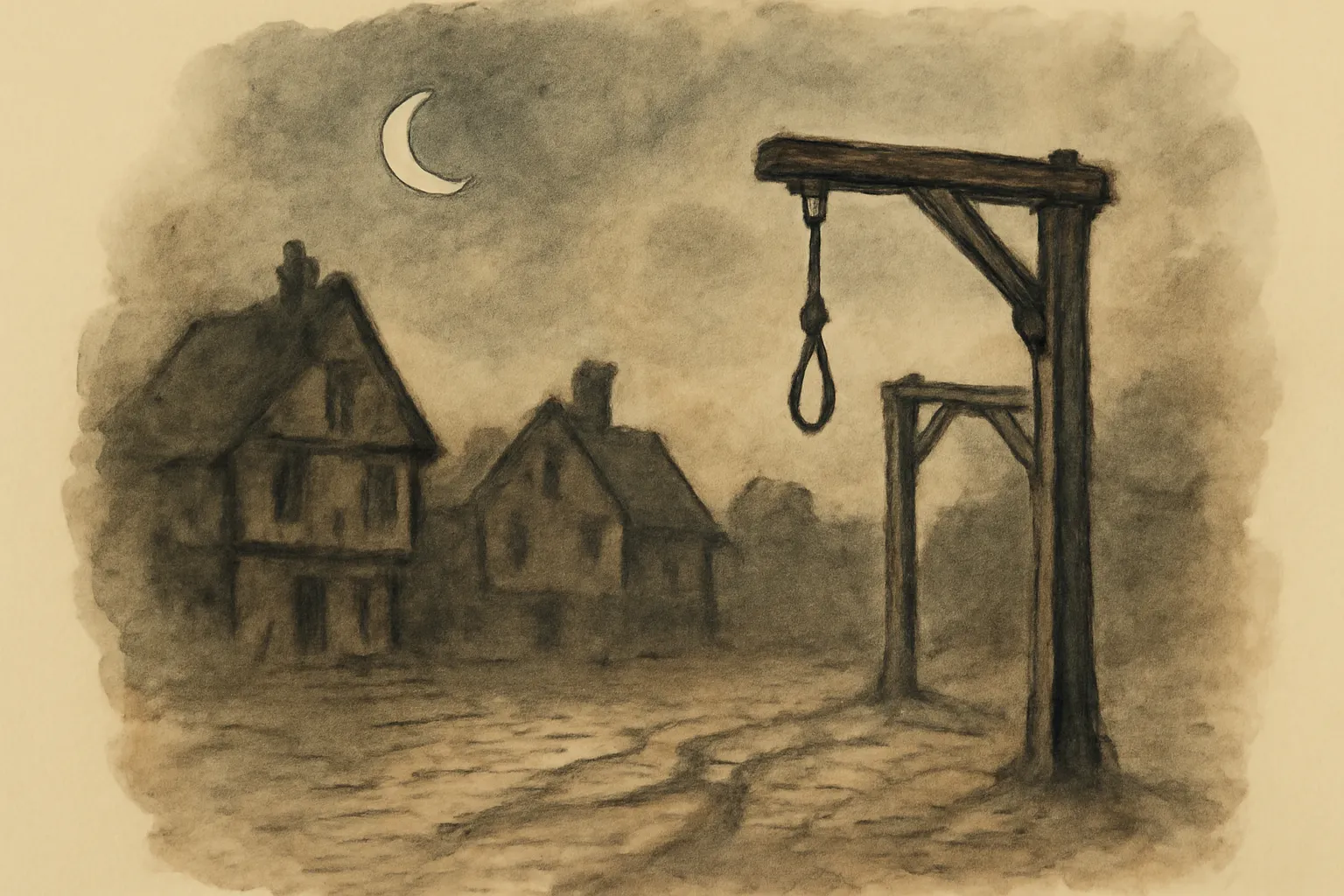
The Salem witch trials serve as a chilling reminder of how justice can be subverted by fear and paranoia. The legal proceedings depicted in the novel are riddled with inconsistencies and a blatant disregard for due process. Accusations are often based on flimsy evidence, fueled by personal grudges rather than any genuine pursuit of truth. Characters like Charles Stevens grapple with the moral implications of the trials, recognizing that the very foundations of justice are being eroded. This theme resonates powerfully today, as it prompts readers to consider the importance of safeguarding legal rights and ensuring that justice is not sacrificed on the altar of societal panic. The chaos and disorder that characterize the trials illustrate the dangers of mob mentality and the ease with which rational thought can be abandoned in the face of fear. The story encourages a critical examination of contemporary legal systems, urging vigilance against similar patterns of injustice that can arise in times of social upheaval.
5.The Consequences of Ambition
Ambition can be a double-edged sword, as illustrated by Samuel Parris's relentless pursuit of power. His desire to solidify his position as a religious leader leads to devastating consequences for the community. Parris's ambition blinds him to the suffering of others, as he prioritizes his reputation over the lives of those he accuses. This conflict highlights the dangers of unchecked ambition, suggesting that the desire for power can corrupt even the most devout individuals. The novel underscores the notion that ambition, when untempered by ethics and empathy, can lead to catastrophic outcomes. Parris’s actions become a cautionary tale about the impacts of personal ambition on collective well-being. Furthermore, the narrative prompts readers to reflect on the nature of ambition within themselves and the balance necessary to achieve personal goals without compromising moral integrity or the welfare of others.
6.The Nature of Fear
Fear is a potent force that can drive individuals and communities to act irrationally, which is vividly depicted throughout the narrative. The fear of witchcraft and its supposed consequences grips Salem, leading to a frenzy of accusations and executions. Characters like John Louder, who succumb to fear, illustrate how paranoia can distort reality, turning neighbor against neighbor. The narrative explores the psychological underpinnings of fear, demonstrating how it can warp perceptions and lead to destructive behavior. By examining the nature of fear, the story offers insights into how societies can become trapped in cycles of hysteria, emphasizing the need for critical thinking and compassion in times of crisis. The portrayal of fear in the novel serves as a stark reminder of its capacity to dehumanize, urging readers to confront their own fears and the ways in which these emotions can influence decision-making in both personal and collective contexts.
7.The Impact of Isolation
Isolation plays a significant role in the dynamics of Salem, as the community becomes increasingly insular and suspicious. The characters are often depicted as cut off from broader perspectives, leading to a narrow understanding of justice and morality. This isolation is both physical and psychological, as individuals are driven to distrust one another. The character of Cora, who is an outsider due to her heritage, embodies the struggles faced by those who do not conform to societal norms. Her position highlights the challenges of belonging and acceptance in a community rife with prejudice. The novel suggests that isolation breeds ignorance and fear, advocating for openness and dialogue as essential components of a healthy society. In the broader context, the exploration of isolation invites reflection on how communities can unknowingly foster environments that stifle diversity and dissent, ultimately undermining their own stability and cohesion.
8.The Tragedy of Innocence
The novel poignantly illustrates the tragic consequences of innocent lives lost during the Salem witch trials. Characters like Goody Nurse and Cora Waters are caught in a web of lies and false accusations, highlighting the devastating impact of societal hysteria. Their stories evoke empathy and challenge readers to confront the moral failings of a society that allows injustice to flourish. The tragic fates of these characters serve as a powerful reminder of the fragility of innocence in the face of fear and prejudice. It compels readers to reflect on the importance of standing up for the vulnerable and questioning the validity of accusations without substantial evidence. Additionally, the narrative demonstrates how societal complicity can lead to the erosion of justice, encouraging a commitment to protecting the innocent and fostering a culture of accountability and integrity.
9.The Legacy of the Salem Witch Trials
The Salem witch trials left an indelible mark on American history, serving as a cautionary tale about the dangers of extremism and the fragility of justice. The events depicted in the novel resonate with contemporary issues, reminding readers of the importance of critical thinking and the protection of civil liberties. The trials exemplify how fear can lead to the erosion of societal values, urging a collective responsibility to uphold justice and equality. The legacy of Salem continues to inform discussions about witch hunts—both literal and metaphorical—reminding us to remain vigilant against the forces of ignorance and intolerance. As the characters navigate the turmoil of their time, they become symbols of moral courage and resistance, prompting reflections on how the lessons of the past can inform the actions of present and future generations.
10.The Complexity of Human Nature
At its core, The Witch of Salem delves into the complexity of human nature, illustrating how individuals can embody both good and evil. Characters are multifaceted, with motivations driven by personal desires, fears, and societal pressures. Samuel Parris, for instance, is not solely a villain; his actions stem from a combination of fear, ambition, and a desire for acceptance. This nuanced portrayal challenges the binary view of humanity and encourages readers to grapple with the shades of gray that define moral dilemmas. The story suggests that understanding the complexity of human behavior is essential for fostering empathy and compassion. By recognizing the various factors that influence actions, readers can cultivate tolerance and strive for a more just and understanding society.