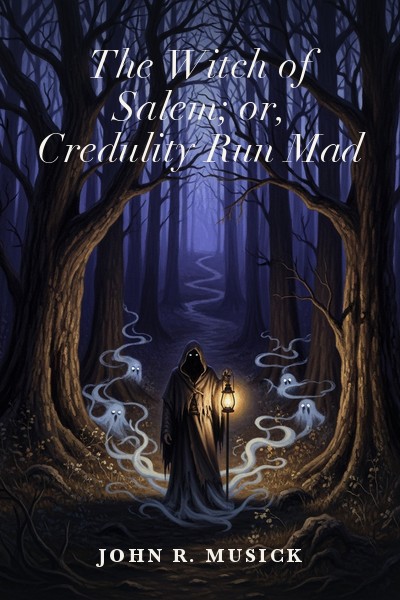

In the shadow of superstition and ambition, the Salem witch trials expose the darkest corners of human nature
Read full overviewShow less›
The Witch of Salem; or, Credulity Run Mad takes readers on a gripping journey through one of history's most infamous episodes—the Salem witch trials. This historical novel immerses you in the lives of ordinary people caught in a web of religious fanaticism, personal vendettas, and societal hysteria. Through the eyes of characters like Charles Stevens and Cora Waters, the story reveals how fear and ignorance can overshadow reason, leading to tragic consequences. As you navigate the complexities of ambition, belief, and morality, you'll gain a deeper understanding of the human psyche in times of crisis and the perilous consequences of unchecked power and superstition.
The Witch of Salem; or, Credulity Run Mad serves as a poignant reminder of the complexities of human nature in times of crisis. Through its exploration of superstition, ambition, and the fragility of justice, the novel invites readers to reflect on the lessons of history and their relevance in contemporary society. By delving into the lives of its characters, the story emphasizes the importance of empathy, critical thinking, and moral courage in the face of fear and prejudice. As we navigate our own societal challenges, the echoes of Salem urge us to uphold justice, embrace diversity, and resist the allure of fanaticism.
- 1The Power of Superstition
- 2Religious Fanaticism and Hypocrisy
- 3The Role of Women in Society
- 4The Fragility of Justice
- 5The Consequences of Ambition
Notable quotes
“Religious fanaticism is the most dangerous of all the errors of mankind.”
“When once one's religion runs mad, barbarity assumes the support of conscience and feels its approval in the consummation of the most heinous crimes.”
“The last expiring throe of a mighty superstition was about to convulse the little society at Salem.”
A glimpse inside

Superstition is a fundamental aspect of human nature, deeply rooted in our quest for understanding the unknown. In the context of the Salem witch trials, superstition fue… Read moreSuperstition is a fundamental aspect of human nature, deeply rooted in our quest for understanding the unknown. In the context of the Salem witch trials, superstition fueled the hysteria that led to the persecution of innocent individuals. The belief in witchcraft was pervasive, with many people attributing unexplained phenomena to supernatural forces. Characters in the novel, such as the townsfolk and Reverend Parris, exemplify how easily fear can manipulate reason, leading to irrational behavior. For instance, the townspeople's readiness to accept the existence of witches reveals a collective vulnerability to unfounded beliefs. This theme highlights that superstition is not merely a relic of the past; it continues to influence modern society in various forms, reminding us to remain vigilant against blind belief. The exploration of superstition in the novel serves as a cautionary tale about the dangers of allowing fear to dictate actions and decisions, urging readers to seek knowledge and understanding instead. Show less
The novel intricately explores the dangerous intersection of religion and personal ambition, particularly through the character of Samuel Parris. Read moreThe novel intricately explores the dangerous intersection of religion and personal ambition, particularly through the character of Samuel Parris. Parris embodies the worst traits of religious leaders—hypocrisy, bigotry, and a thirst for power. Despite his role as a spiritual guide, he uses his position to manipulate others and further his own agenda. The Puritans, who fled religious persecution, paradoxically became oppressors themselves, persecuting those whose beliefs differed from their own. For example, Parris’s denunciation of Cora Waters simply because of her background illustrates how those who profess to uphold moral standards can easily become agents of injustice. This critical view of religious authority invites readers to reflect on the moral responsibilities of leaders and the impact of their actions on the communities they serve. The narrative emphasizes that when religion becomes intertwined with prejudice and ignorance, it can lead to barbaric acts, underscoring the importance of tolerance and understanding in a diverse society. This warning against fanaticism is particularly relevant today, as it prompts a reevaluation of how religious beliefs can be weaponized in modern contexts. Show less
Read the full text — free
About the author
Read John R. Musick's work free on Lumina — the complete text plus an 8-minute summary and key ideas, no account needed