1.The Intriguing Nature of Intelligence

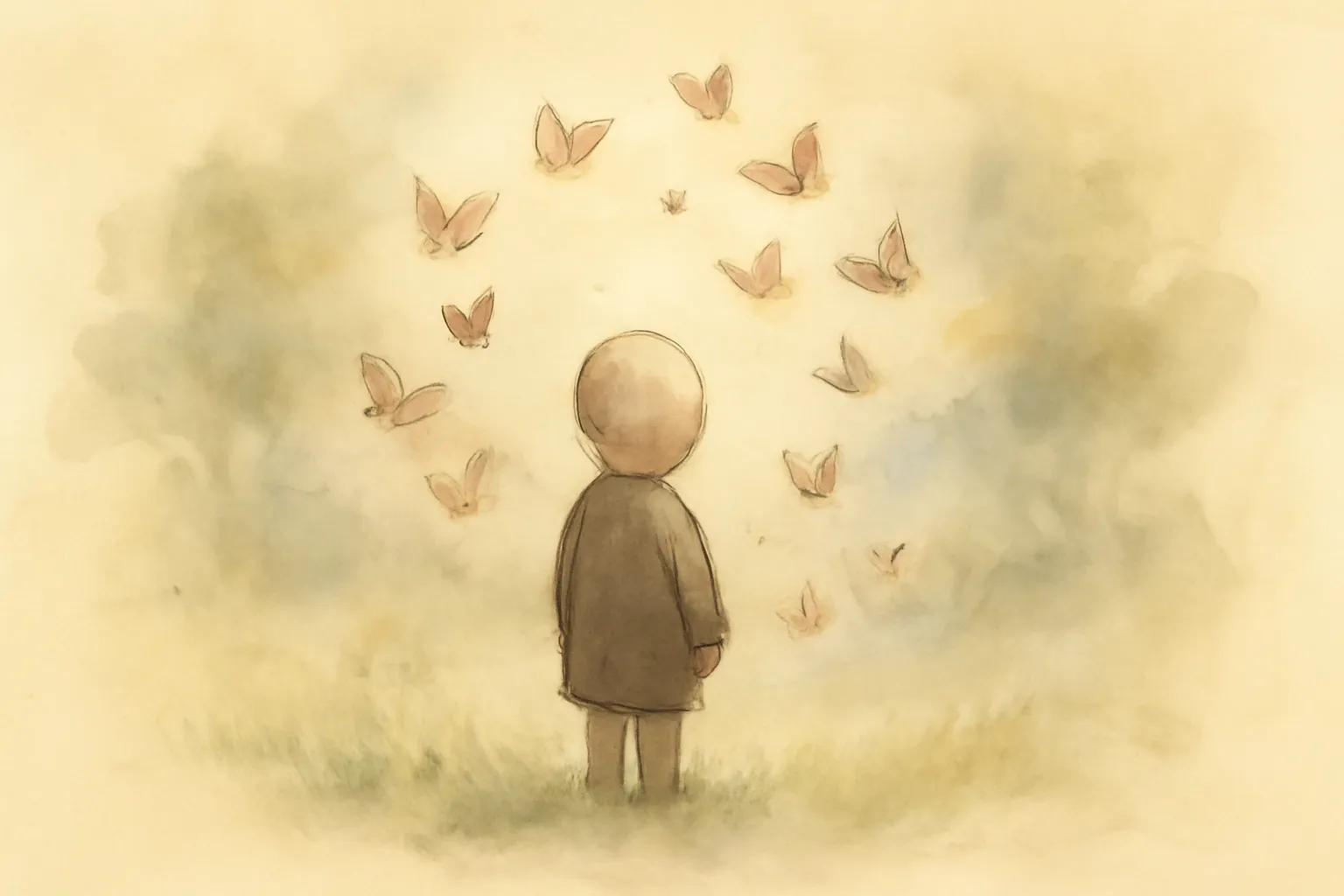
Victor Stott, a child with an unusual appearance and remarkable cognitive abilities, embodies the paradox of intelligence. As he navigates the world, his interactions reveal the complexities of human understanding and the often superficial judgments made by society. Victor’s intelligence is not merely academic; it encompasses an intuitive grasp of concepts that far exceed his years, leading him to insights that baffle even the most learned adults. For example, when confronted with abstract ideas during conversations with scholars, Victor articulates thoughts that challenge their established beliefs, prompting a reevaluation of traditional measures of intelligence. His ability to think outside conventional frameworks showcases that intelligence can manifest in forms that defy societal expectations. Moreover, Beresford uses Victor's character to illustrate that genius is not solely a product of genetics or environment, but also of individual perspective—an exploration of how one's unique lens can bring forth new understandings of complex issues.
2.The Burden of Expectation

Victor's existence is marked by the weight of expectation placed upon him by those around him. The adults in his life, particularly his father, Ginger Stott, grapple with their own insecurities and aspirations, projecting these onto Victor. This dynamic creates a tension that permeates their interactions, as Ginger struggles to reconcile his ambitions with the reality of his son's abilities. The pressure to conform to societal ideals of success weighs heavily on Victor, leading to moments of internal conflict where he feels the need to suppress his extraordinary abilities to fit in. For instance, when he chooses silence instead of expressing his thoughts verbally, it reflects a deeper struggle with the expectations of those who wish to see him as a 'normal' child. This narrative arc illustrates how societal expectations can distort the relationships between parents and gifted children, emphasizing the psychological toll that such pressures can take. Ultimately, it advocates for recognizing and valuing a child's unique path rather than imposing rigid standards of what success should look like.
3.The Role of Society in Defining Normalcy

Throughout the narrative, Beresford critiques societal norms that dictate what is considered 'normal' or 'acceptable.' Victor's physical appearance—a bald head and peculiar features—immediately sets him apart, eliciting reactions ranging from curiosity to disdain. The villagers of Stoke-Underhill serve as a microcosm of broader societal attitudes, illustrating how fear and misunderstanding can lead to ostracism. Beresford paints a vivid picture of the village's reaction to Victor, revealing the pervasive prejudices that fuel gossip and alienation. For instance, the villagers' suspicion and gossip about Victor's abilities and his family's unconventional dynamics reflect a larger societal tendency to reject those who differ from the norm. Beresford challenges readers to confront their own biases and assumptions about difference, urging a shift towards inclusivity and acceptance. By showcasing Victor's experiences, the narrative underscores the need for a society that embraces diversity rather than stifling it under rigid definitions of normalcy, ultimately inviting a dialogue on how societal constructs can either uplift or undermine individuals based on their differences.
4.The Philosophical Quest for Knowledge
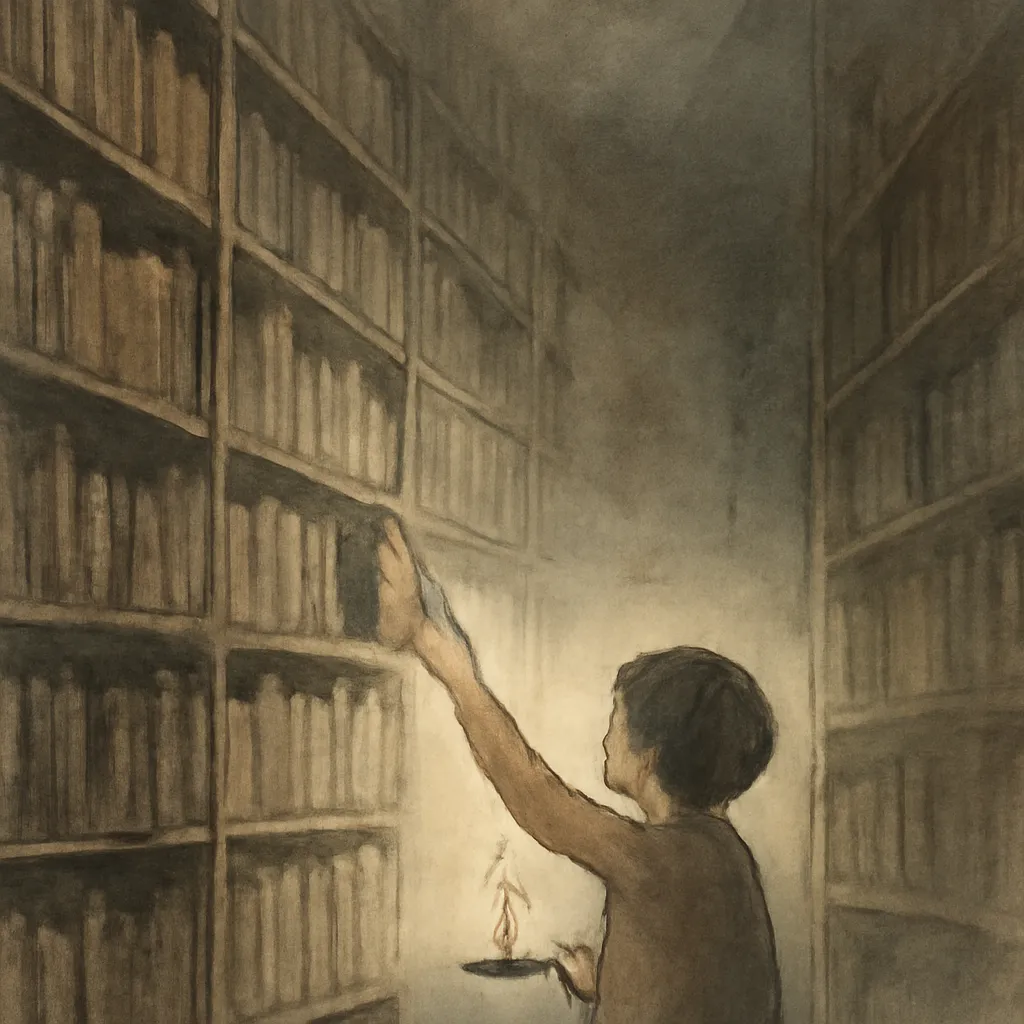
Victor's interactions with the world raise profound philosophical questions about the nature of knowledge itself. His innate curiosity and ability to articulate complex ideas challenge the adults around him, particularly the scholar Henry Challis. Through their conversations, the narrative delves into the philosophical underpinnings of knowledge, exploring themes of perception, reality, and the limitations of human understanding. Beresford draws on Hegelian concepts to illustrate the tension between empirical knowledge and abstract thought, suggesting that true understanding transcends mere facts. For instance, when Victor engages in dialogue about the nature of existence, he raises questions that provoke Challis to reconsider his own epistemological framework. This interplay invites readers to engage with these philosophical dilemmas, prompting reflection on their own beliefs about knowledge and its acquisition. Beresford's narrative thus becomes a platform for exploring the boundaries of intellectual pursuit, where the very act of questioning becomes a pathway to deeper understanding.
5.The Complexity of Parental Relationships

The relationship between Ginger Stott and his son Victor is fraught with tension and complexity, reflecting broader themes of parental expectations and the struggle for individuality. Ginger, a once-famous cricketer, grapples with feelings of inadequacy as he witnesses his son's extraordinary abilities. This dynamic is further complicated by Ginger's own insecurities and the societal pressure to conform to traditional notions of masculinity and success. For example, Ginger's internal conflict becomes palpable when he feels pride in Victor's brilliance yet fears that this brilliance will isolate his son from the community. This relationship serves as a poignant reminder of the challenges faced by parents of gifted children, emphasizing the need for empathy and understanding in navigating the delicate balance between support and expectation. Beresford skillfully illustrates how Ginger's inability to fully embrace his son's uniqueness ultimately leads to a rift between them, underlining the importance of parental acceptance in fostering a child's confidence and self-worth.
6.The Influence of Environment on Development
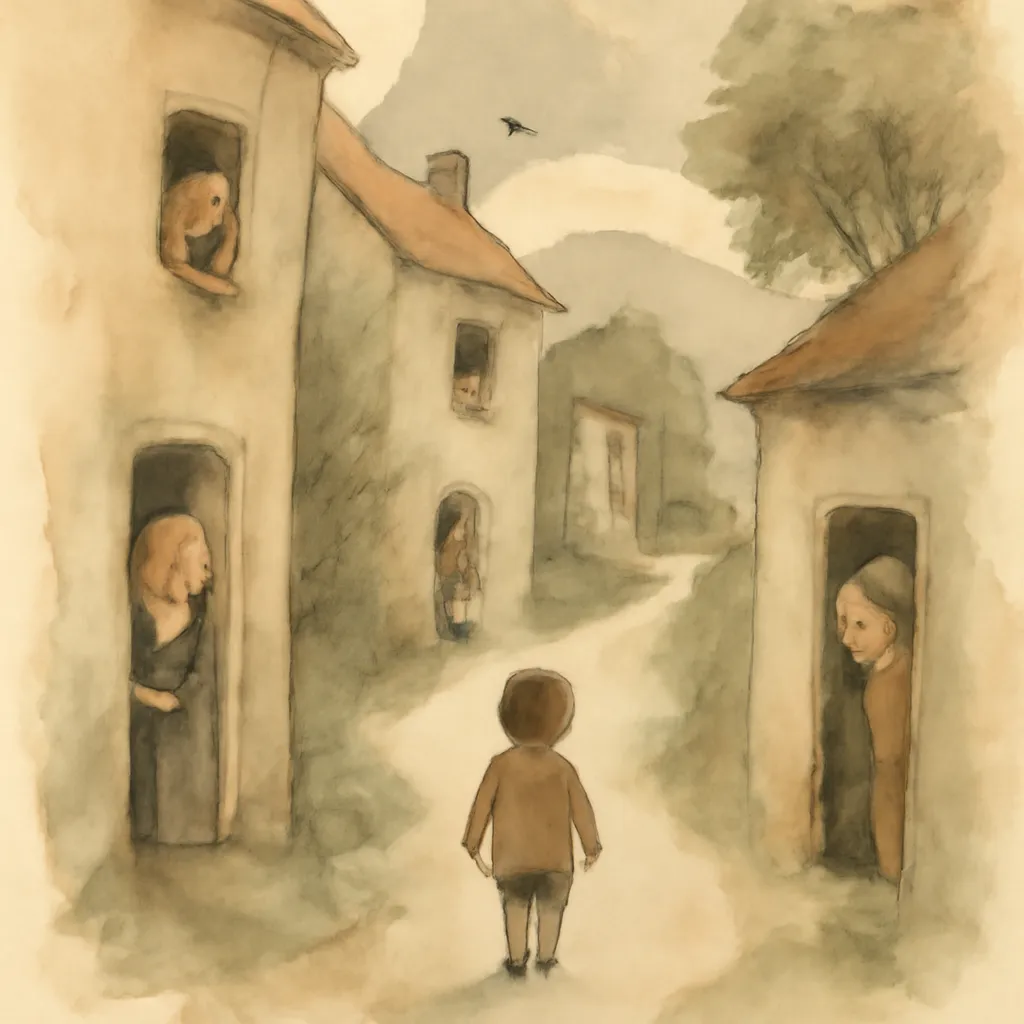
Victor's development is deeply influenced by his environment, particularly the small village of Stoke-Underhill. The villagers’ reactions to his presence encapsulate the broader societal attitudes towards difference, revealing how community dynamics can shape individual identity. For instance, the isolation and narrow-mindedness of the village contribute to Victor's feelings of alienation, making his extraordinary abilities a source of both wonder and sorrow. Beresford uses the landscape of Stoke as a metaphor for the constraints placed on individuals who deviate from societal norms—both physically and intellectually. The physical landscape of Stoke, with its isolation and tight-knit community, serves as a backdrop for Victor's experiences, influencing his interactions and shaping his understanding of the world. This setting underscores the importance of fostering environments that nurture rather than stifle potential, highlighting the role that community plays in the development of extraordinary individuals. Beresford advocates for a broader acceptance of difference within communal spaces, suggesting that supportive environments can significantly impact a child's growth and self-acceptance.
7.The Quest for Acceptance
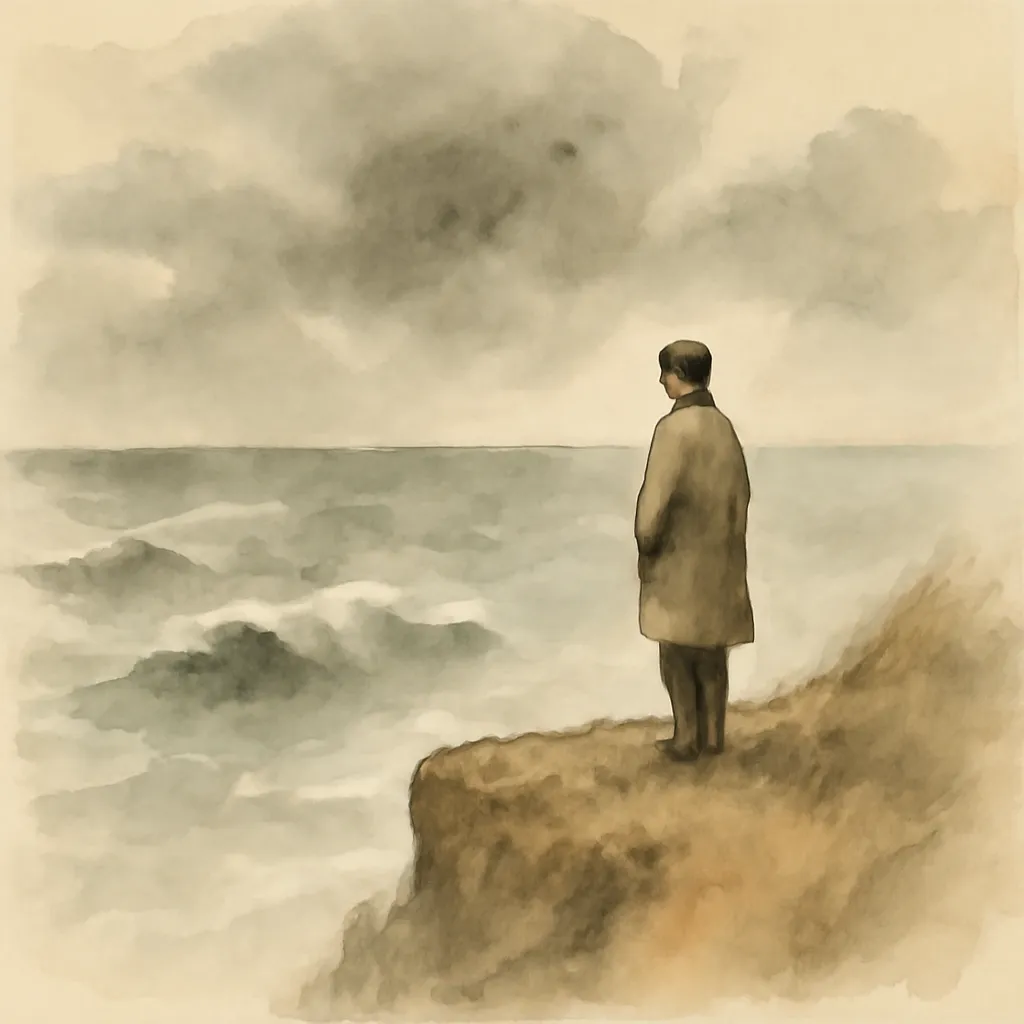
Victor's journey is ultimately one of seeking acceptance in a world that often views him as an outsider. His unique abilities and appearance set him apart from his peers, leading to both admiration and alienation. This duality reflects the broader human experience of longing for belonging while grappling with the fear of rejection. The narrative illustrates the struggles Victor faces as he navigates friendships and social interactions, often feeling misunderstood by those around him. Beresford poignantly captures the emotional landscape of a child who is both extraordinary and profoundly human, emphasizing the universal desire for acceptance. The moments where Victor attempts to connect with others, only to find himself rebuffed, resonate deeply, serving as a reminder of the vulnerabilities that accompany exceptional talent. Through Victor's experiences, readers are reminded of the importance of empathy and understanding in fostering connections across differences. Beresford's exploration of acceptance ultimately urges society to create spaces where all individuals can thrive, regardless of their unique traits.
8.The Interplay of Science and Mystery

The narrative intricately weaves together themes of science and mystery, particularly through the character of Henry Challis, a scholar who becomes fascinated by Victor's brilliance. Challis's academic pursuits represent the quest for empirical knowledge, while Victor embodies the mysteries of consciousness that elude even the most learned minds. This juxtaposition raises questions about the limitations of scientific understanding in the face of profound human experience. Beresford suggests that there are aspects of intelligence and consciousness that transcend scientific explanation, inviting readers to ponder the mysteries of existence that remain unexplained. The tension between Challis's rational approach and Victor's intuitive insights becomes a focal point of the narrative, illustrating the philosophical struggle between knowledge and understanding. This interplay serves as a catalyst for philosophical inquiry, pushing characters and readers alike to confront the boundaries of human understanding while exploring the depth of consciousness. Beresford invites a dialogue that encourages a consideration of how science and mystery coexist, suggesting that the interplay between the two is essential for a fuller comprehension of human experience.
9.The Tragic Consequences of Misunderstanding

As the story progresses, the tragic consequences of misunderstanding become increasingly apparent, culminating in a heartbreaking event that alters the course of Victor's life. The villagers' inability to comprehend the depth of Victor's intelligence leads to fear and ultimately tragedy, underscoring the dangers of ignorance and prejudice. Beresford poignantly illustrates how societal rejection can have devastating effects on individuals who are already vulnerable. This tragic turn serves as a powerful reminder of the urgent need for compassion and understanding in the face of difference. The narrative compels readers to reflect on their own attitudes towards those who may not fit neatly into societal norms, urging a more empathetic approach to the complexities of human experience. By highlighting the repercussions of misunderstanding, Beresford advocates for a society that embraces diversity and cultivates an environment where unique talents are celebrated rather than feared, ultimately promoting a narrative of hope and acceptance.
10.The Legacy of Genius and Acceptance

The conclusion of Victor's story leaves readers with lingering questions about the legacy of genius and the importance of acceptance. Beresford challenges us to consider what it means to truly understand and appreciate the extraordinary individuals among us. Victor's journey serves as a testament to the potential that exists within those who may initially appear different or abnormal. The narrative emphasizes the need for society to embrace diversity and cultivate environments where unique talents can flourish. Beresford’s portrayal of Victor’s struggles and triumphs ultimately serves as a clarion call for a more inclusive perspective, advocating for a future where acceptance and understanding take precedence over fear and rejection. In doing so, Beresford not only celebrates Victor's brilliance but also the potential for change within society. The legacy of genius, as portrayed in the novel, is not just about individual achievement; it is about our collective responsibility to uplift all voices and create a world where everyone has the opportunity to thrive.