
A profound exploration of intelligence and the limits of human understanding through the eyes of a remarkable child
Read full overviewShow less›
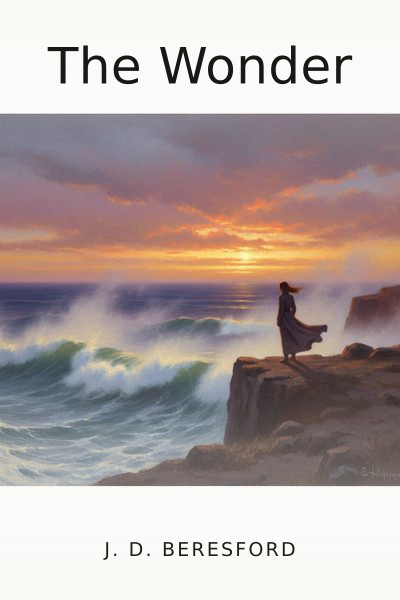
In 'The Wonder' by J.D. Beresford, readers are invited into a world where the boundaries of human intellect are tested through the extraordinary experiences of a uniquely gifted child named Victor Stott. The narrative unfolds as a complex interplay between the nuances of intelligence, societal expectations, and the philosophical implications of knowledge. Through the lens of Victor's life, the story confronts deeply ingrained perceptions about normalcy and abnormality, challenging the reader to reconsider what it means to be intelligent. It raises questions about the nature of understanding and the role of society in shaping our perceptions of genius and disability. This thought-provoking journey ultimately compels us to reflect on our own limitations and the mysteries of consciousness that remain elusive even to the brightest minds.
In 'The Wonder,' J.D. Beresford masterfully explores the multifaceted nature of intelligence and the societal constructs that shape our understanding of it. Through the poignant story of Victor Stott, the narrative challenges readers to confront their biases and assumptions about difference, urging a reevaluation of what it means to be intelligent. The interplay of personal relationships, societal expectations, and philosophical inquiry creates a rich tapestry that invites deep reflection on the complexities of human experience. Ultimately, the story serves as a powerful reminder of the need for compassion and acceptance in a world that often fails to embrace the extraordinary. Beresford's work encourages us to foster environments where all individuals, regardless of their differences, can thrive and contribute to the collective understanding of humanity.
- 1The Intriguing Nature of Intelligence
- 2The Burden of Expectation
- 3The Role of Society in Defining Normalcy
- 4The Philosophical Quest for Knowledge
- 5The Complexity of Parental Relationships
Notable quotes
“Knowledge is not the divergence of the ray but the ray itself by which the truth comes to us.”
“That's a very remarkable baby of yours, Stott.”
“Ah! Only that irritating, monosyllabic assent.”

A glimpse inside

Victor Stott, a child with an unusual appearance and remarkable cognitive abilities, embodies the paradox of intelligence. Read moreVictor Stott, a child with an unusual appearance and remarkable cognitive abilities, embodies the paradox of intelligence. As he navigates the world, his interactions reveal the complexities of human understanding and the often superficial judgments made by society. Victor’s intelligence is not merely academic; it encompasses an intuitive grasp of concepts that far exceed his years, leading him to insights that baffle even the most learned adults. For example, when confronted with abstract ideas during conversations with scholars, Victor articulates thoughts that challenge their established beliefs, prompting a reevaluation of traditional measures of intelligence. His ability to think outside conventional frameworks showcases that intelligence can manifest in forms that defy societal expectations. Moreover, Beresford uses Victor's character to illustrate that genius is not solely a product of genetics or environment, but also of individual perspective—an exploration of how one's unique lens can bring forth new understandings of complex issues. Show less
Victor's existence is marked by the weight of expectation placed upon him by those around him. The adults in his life, particularly his father, Ginger Stott, grapple with… Read moreVictor's existence is marked by the weight of expectation placed upon him by those around him. The adults in his life, particularly his father, Ginger Stott, grapple with their own insecurities and aspirations, projecting these onto Victor. This dynamic creates a tension that permeates their interactions, as Ginger struggles to reconcile his ambitions with the reality of his son's abilities. The pressure to conform to societal ideals of success weighs heavily on Victor, leading to moments of internal conflict where he feels the need to suppress his extraordinary abilities to fit in. For instance, when he chooses silence instead of expressing his thoughts verbally, it reflects a deeper struggle with the expectations of those who wish to see him as a 'normal' child. This narrative arc illustrates how societal expectations can distort the relationships between parents and gifted children, emphasizing the psychological toll that such pressures can take. Ultimately, it advocates for recognizing and valuing a child's unique path rather than imposing rigid standards of what success should look like. Show less
Read the full text — free
About the author
Read J. D. Beresford's work free on Lumina — the complete text plus an 8-minute summary and key ideas, no account needed