1.The Weight of Silence

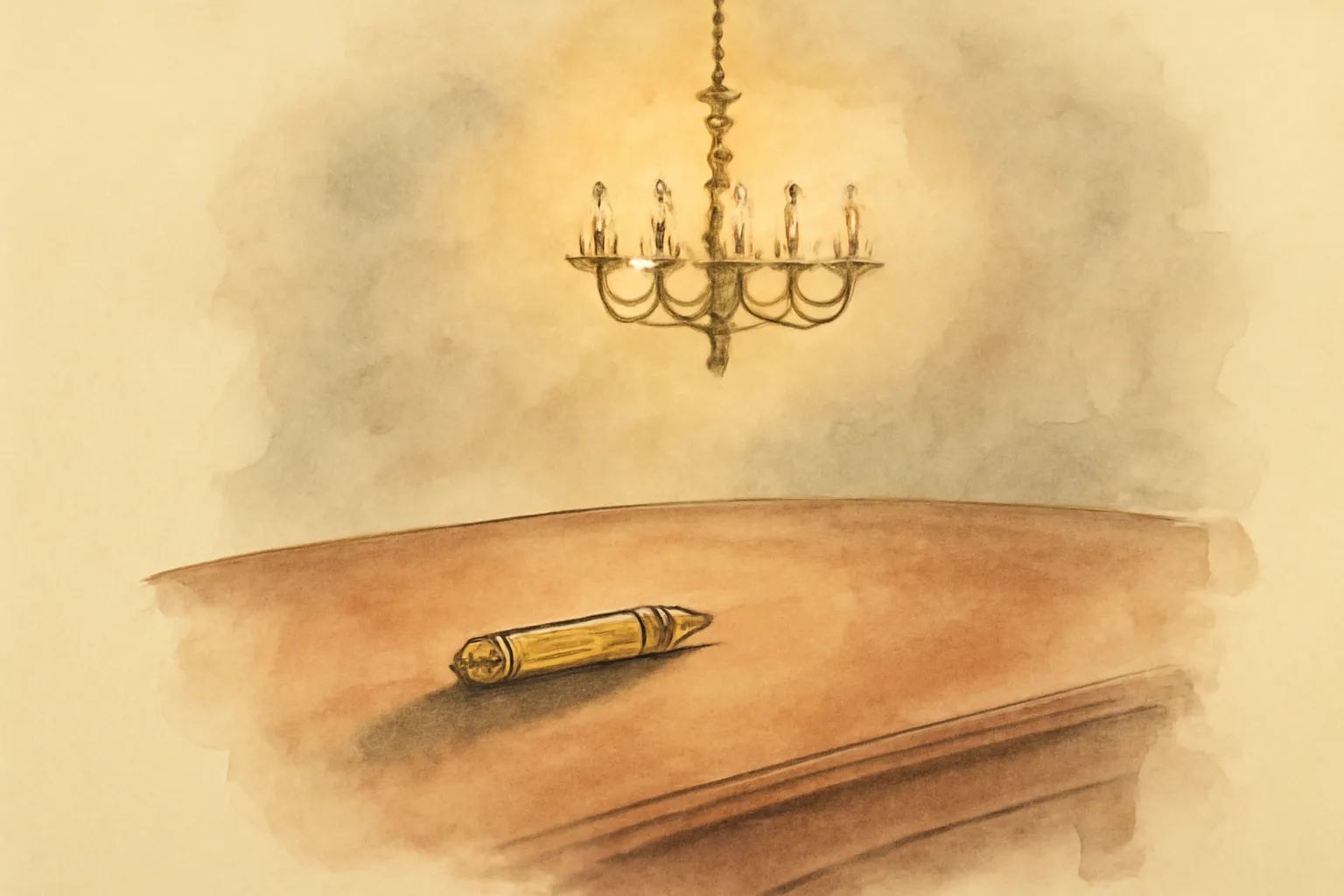
The novel opens with a powerful depiction of isolation and introspection, embodied by Mr. Sabin, who sits in silence, seemingly unaffected by the beauty and life surrounding him. This image sets the tone for his internal struggle, showcasing how silence can be both a refuge and a prison. Mr. Sabin's immobility reflects a deeper conflict within, illustrating how unresolved emotions can lead to stagnation. As he sits lost in thought, with only the natural world as his backdrop, the contrast between the vibrant outside world and his somber state emphasizes the theme of disconnection from life and the challenges of confronting one’s feelings. The faint sounds of nature that seep through the half-open window serve as a reminder of the joys of life that Mr. Sabin is currently shunning. This profound silence speaks volumes about the emotional burdens individuals carry, hinting at the complexities of human nature and the need for connection. The reader is compelled to explore the reasons behind Mr. Sabin's silence, setting the stage for a story that delves into the heart of emotional turmoil and the journey toward self-awareness.
2.The Catalyst of Change

A pivotal moment occurs when Mr. Sabin decides to leave his secluded life for New York, prompted by a mysterious letter warning him of danger. This decision marks the beginning of his transformation, showing how external forces can act as catalysts for change. The urgency in his actions reflects a man awakening from a long stupor, ready to confront the realities of his life. This shift highlights the theme of agency and the necessity of taking risks to reclaim one’s life. The letter serves as a metaphorical yellow crayon, urging him to draw a new path, embracing the unknown and the potential for renewal. Mr. Sabin’s journey is not just a physical move but also an emotional one, as he prepares to face the consequences of his past. As he embarks on this new chapter, the reader is reminded of the transformative power of moments that compel individuals to leave their comfort zones, prompting self-discovery and growth. This transformation underscores the idea that change is often spurred by moments of crisis, prompting readers to consider the defining moments in their own lives that have led to growth and self-discovery. The tension builds as Mr. Sabin grapples with the implications of his decision, moving from a passive participant in his life to an active seeker of truth and resolution.
3.The Complexity of Relationships
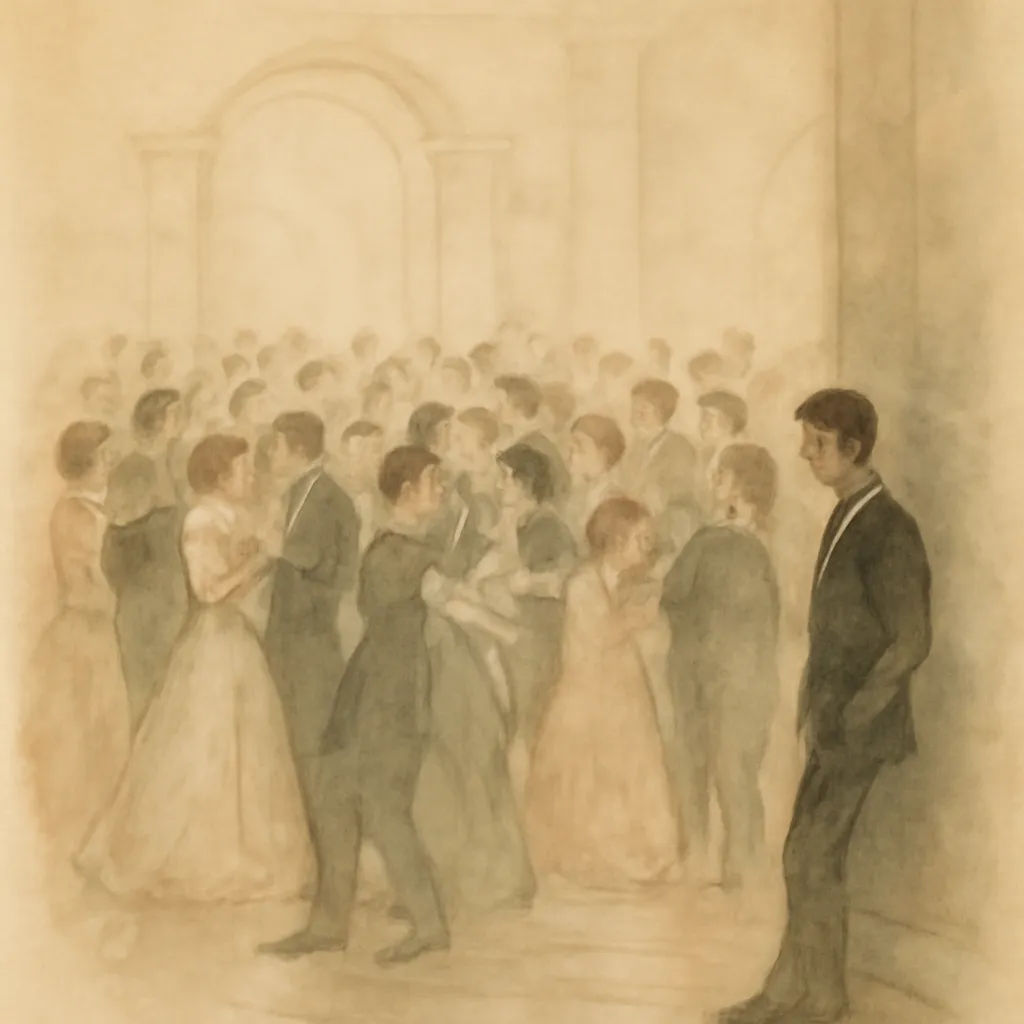
As Mr. Sabin navigates the social landscape of New York, the intricate dynamics of relationships come to the forefront. The interactions between characters reveal varying motivations and desires, often obscured by social niceties. Mr. Skinner, a pivotal figure in the narrative, embodies the tension between loyalty and self-interest, showcasing how relationships can be transactional. The dialogues are rich with subtext, reflecting the masks people wear in society. For instance, when Mr. Sabin speaks with Skinner, there’s an underlying tension that suggests neither man fully trusts the other, revealing the fragile nature of their relationship. Through these interactions, Oppenheim illustrates the multifaceted nature of human relationships, where trust is fragile, and intentions can be cloaked in ambiguity. Mr. Sabin’s encounters with various characters, including the enigmatic Duchess, highlight the complexities of emotional connections and the challenges of discerning truth in a world filled with pretense. This narrative encourages readers to reflect on their own relationships, the delicate balance between openness and guarding oneself, and the often-hidden motivations that drive human interaction. The portrayal of these relationships serves as a reminder that true connection requires authenticity and the courage to confront uncomfortable truths.
4.The Pursuit of Truth
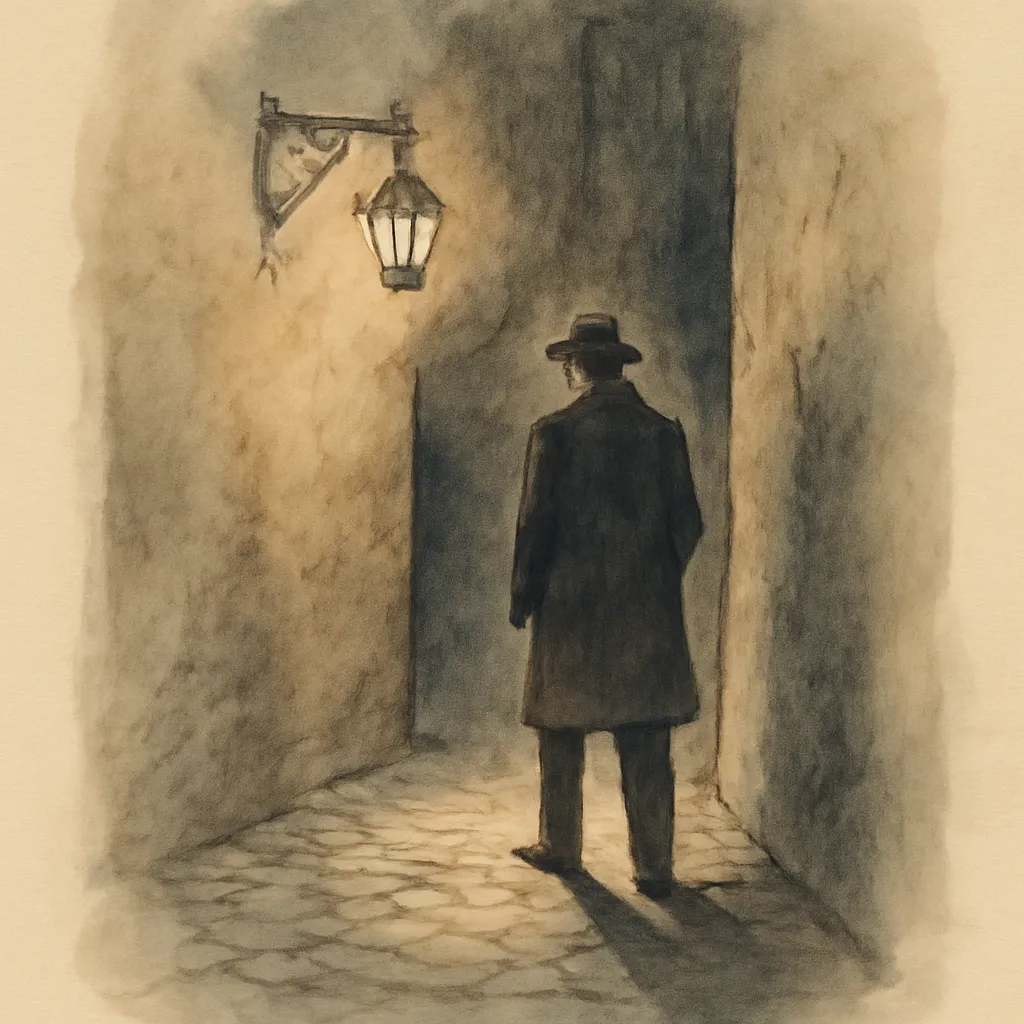
Throughout the narrative, Mr. Sabin is driven by a quest for truth, particularly concerning the enigmatic Duchess of Souspennier. His inquiries into her whereabouts and the nature of her departure from Lenox reflect a broader theme of uncovering hidden realities. The quest for truth is not merely about information but also about understanding oneself and one’s place in the world. As he delves deeper into the mystery, he confronts uncomfortable truths about his own life and relationships. Oppenheim crafts a narrative that invites readers to contemplate the consequences of truth-seeking, illustrating that the path to clarity is often fraught with obstacles and unforeseen revelations. Mr. Sabin’s determination to unravel the mystery surrounding the Duchess mirrors the universal struggle for self-knowledge, prompting reflection on how understanding one’s past can illuminate the future. The pursuit of truth, while sometimes painful, emerges as a necessary endeavor for personal growth. The narrative suggests that while the truth can be unsettling, it ultimately leads to empowerment and liberation, allowing individuals to reclaim their narratives and build authentic connections.
5.The Dichotomy of Public and Private Life
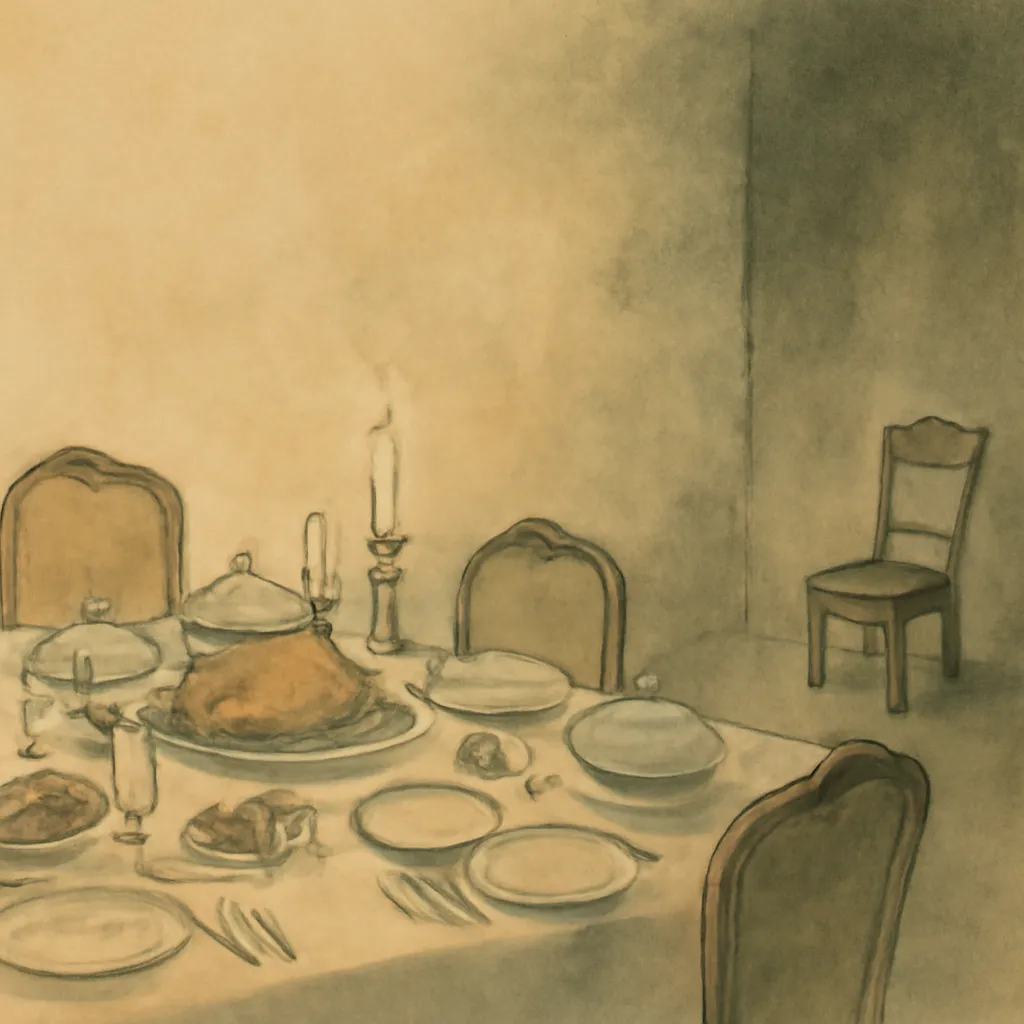
The stark contrast between public personas and private realities is a recurring theme in 'The Yellow Crayon.' Characters often present a façade that masks their true feelings and vulnerabilities. Mr. Sabin’s interactions in the bar and dining rooms of New York reflect this dichotomy, where social status dictates behavior and expectations. For example, Lady Muriel Carey embodies this struggle as she navigates her public image while yearning for authenticity. Her interactions with Mr. Sabin reveal the pressures of maintaining appearances in a society that values reputation over sincerity. Oppenheim adeptly captures the essence of this struggle, showing how characters grapple with their identities in a society that often demands conformity. The exploration of this theme encourages readers to consider their own lives and the ways in which they navigate the expectations imposed by society, prompting reflection on the importance of authenticity and self-acceptance in an ever-watchful world. The nuances of character behavior highlight the emotional toll of such dichotomies, leading to conflicts that ultimately shape their journeys.
6.The Role of Women in Society

Oppenheim’s portrayal of female characters offers a nuanced exploration of their roles within the societal framework of the time. Lady Muriel Carey and the Duchess of Souspennier navigate a male-dominated world, each exhibiting strength and agency in their own ways. Lady Muriel, in particular, stands out as a character who seeks to break free from conventional expectations. Her candidness about her mission underscores the theme of female empowerment and the quest for purpose beyond traditional roles. The contrasting experiences of these women highlight the varying degrees of freedom and restriction faced by women in society. While Lady Muriel strives for independence, the Duchess represents the complexities of social obligation and personal desire. Oppenheim skillfully illustrates that despite the constraints of societal norms, women often find ways to assert their identities and pursue their ambitions. This exploration of gender dynamics serves as a poignant reminder of the ongoing struggle for women’s rights and autonomy, encouraging readers to reflect on the progress made and the battles still to be fought.
7.The Nature of Sacrifice

As the narrative unfolds, the theme of sacrifice emerges prominently, particularly in the decisions made by Mr. Sabin and Lady Muriel. Each character must weigh personal desires against the needs of others, illustrating the often-painful choices that define their lives. Mr. Sabin’s willingness to confront danger for the sake of love exemplifies the lengths one may go to protect those they care about. His sacrifice is not just a physical risk; it also represents his emotional investment in the relationships he cherishes. Similarly, Lady Muriel’s dedication to her mission reflects a commitment that transcends personal ambition, showcasing how sacrifice is often integral to meaningful relationships. Oppenheim deftly explores the moral complexities of sacrifice, questioning whether true altruism exists or if motivations are inevitably intertwined with self-interest. The reader is prompted to reflect on their own sacrifices in pursuit of love and fulfillment, considering the implications of their choices. The exploration of sacrifice serves as a poignant reminder that while love often involves compromise, it can also lead to profound personal growth and transformation.
8.The Power of Fear

Fear serves as a driving force for many characters in 'The Yellow Crayon,' shaping their actions and decisions. Mr. Sabin’s initial reluctance to act is rooted in a fear of the unknown and the potential consequences of his inquiries. This fear is mirrored in the reactions of other characters, who navigate a world fraught with danger and uncertainty. Oppenheim illustrates how fear can paralyze individuals, preventing them from pursuing their true desires. However, as Mr. Sabin confronts his fears, he begins to reclaim his agency, demonstrating that courage can emerge from vulnerability. His journey reflects the universal struggle against fear, inviting readers to consider how fear influences their own lives and the choices they make. The narrative ultimately suggests that overcoming fear is essential for personal growth and the pursuit of authentic connections, reinforcing the idea that true bravery often lies in the willingness to face one’s fears head-on. This exploration encourages a deeper understanding of the role fear plays in shaping personal narratives and the importance of resilience in the face of adversity.
9.The Echoes of the Past

The past looms large in the lives of the characters, influencing their present circumstances and decisions. Mr. Sabin’s history with the Duchess shapes his motivations, while Lady Muriel’s past experiences inform her actions in the present. Oppenheim skillfully weaves flashbacks and references to past events, creating a rich tapestry that deepens character development. This exploration of memory highlights how unresolved issues can affect current relationships, emphasizing the need for reconciliation and understanding. The characters’ journeys serve as reminders that the past is not merely a backdrop but an active force that shapes identity and influences choices. The narrative encourages readers to confront their own histories, urging them to recognize how their past experiences inform their present relationships and decisions. The notion that the past can cast long shadows over the present underscores a central theme: the necessity of confronting one’s history to move forward and embrace new possibilities, illustrating the delicate balance between accepting the past and seeking to shape the future.
10.The Illusion of Control

As the story progresses, the theme of control emerges as characters grapple with their circumstances. Mr. Sabin’s attempts to manipulate events often reveal the futility of such efforts, as external forces disrupt his plans. This illusion of control underscores the unpredictability of life and the limitations of human agency. Oppenheim portrays characters who must adapt to shifting realities, demonstrating that resilience and adaptability are crucial for survival. The narrative illustrates that true strength lies not in controlling outcomes but in navigating the complexities of life with grace and acceptance. This theme resonates with readers, reminding them of the importance of flexibility in the face of uncertainty and the inevitability of change. As Mr. Sabin learns to embrace the chaos around him, he discovers that relinquishing the need for control can lead to unexpected opportunities for growth and connection. Oppenheim's exploration of this theme serves as a valuable lesson in humility and the acceptance of life’s unpredictable nature.
11.The Intersection of Fate and Free Will
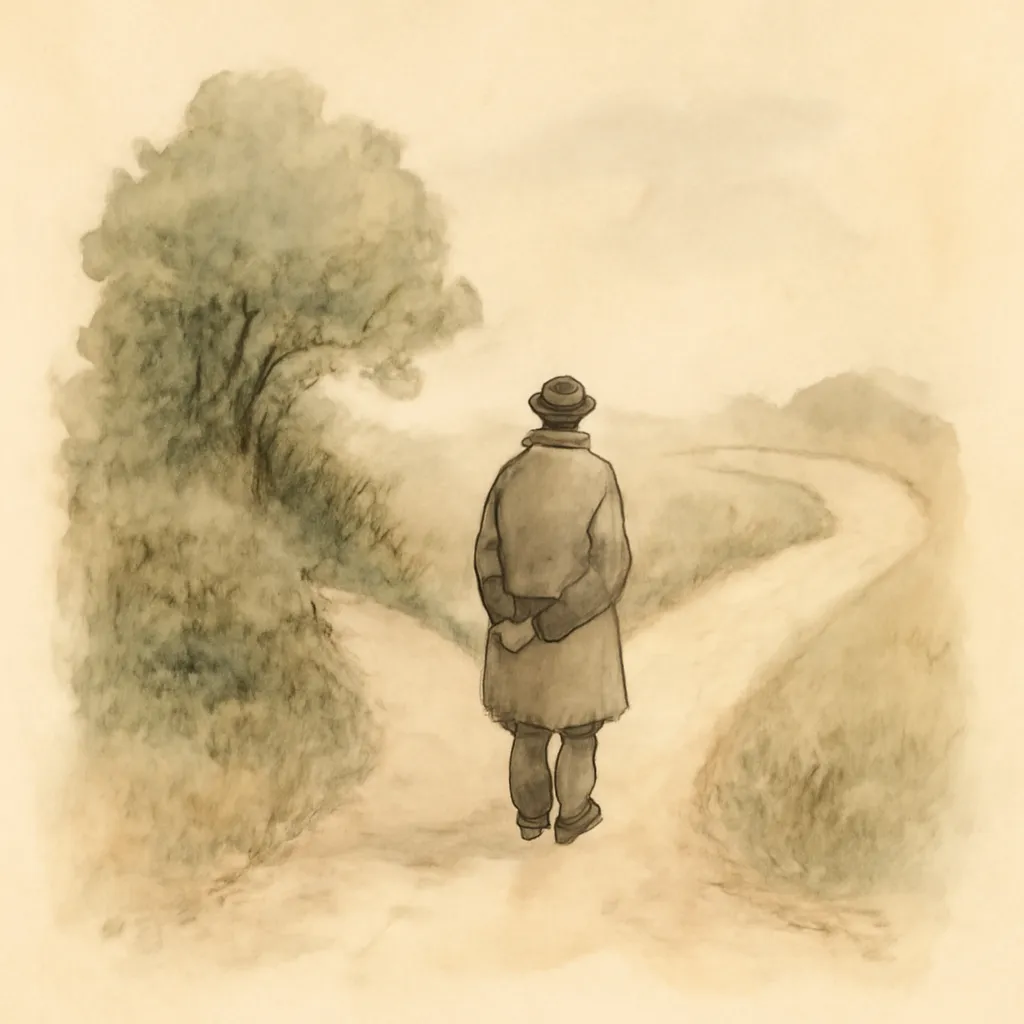
Ultimately, 'The Yellow Crayon' explores the delicate balance between fate and free will. Characters find themselves at crossroads, where their choices can lead to unforeseen consequences. Mr. Sabin’s decision to pursue the truth about the Duchess sets in motion a series of events that alter the course of his life. This interplay between destiny and choice raises questions about the extent to which individuals can shape their own paths. Oppenheim suggests that while fate may present challenges, it is the choices made in response to those challenges that define one’s character and direction. The narrative invites readers to reflect on their own lives, encouraging them to embrace the power of choice while acknowledging the role of fate in shaping their journeys. This exploration of free will versus predestination serves as a compelling reminder that while we may not control the circumstances we face, we do have agency in how we respond to them. The intersection of fate and choice highlights the importance of personal responsibility and the significance of intentionality in life.