1.The Song of the Desert
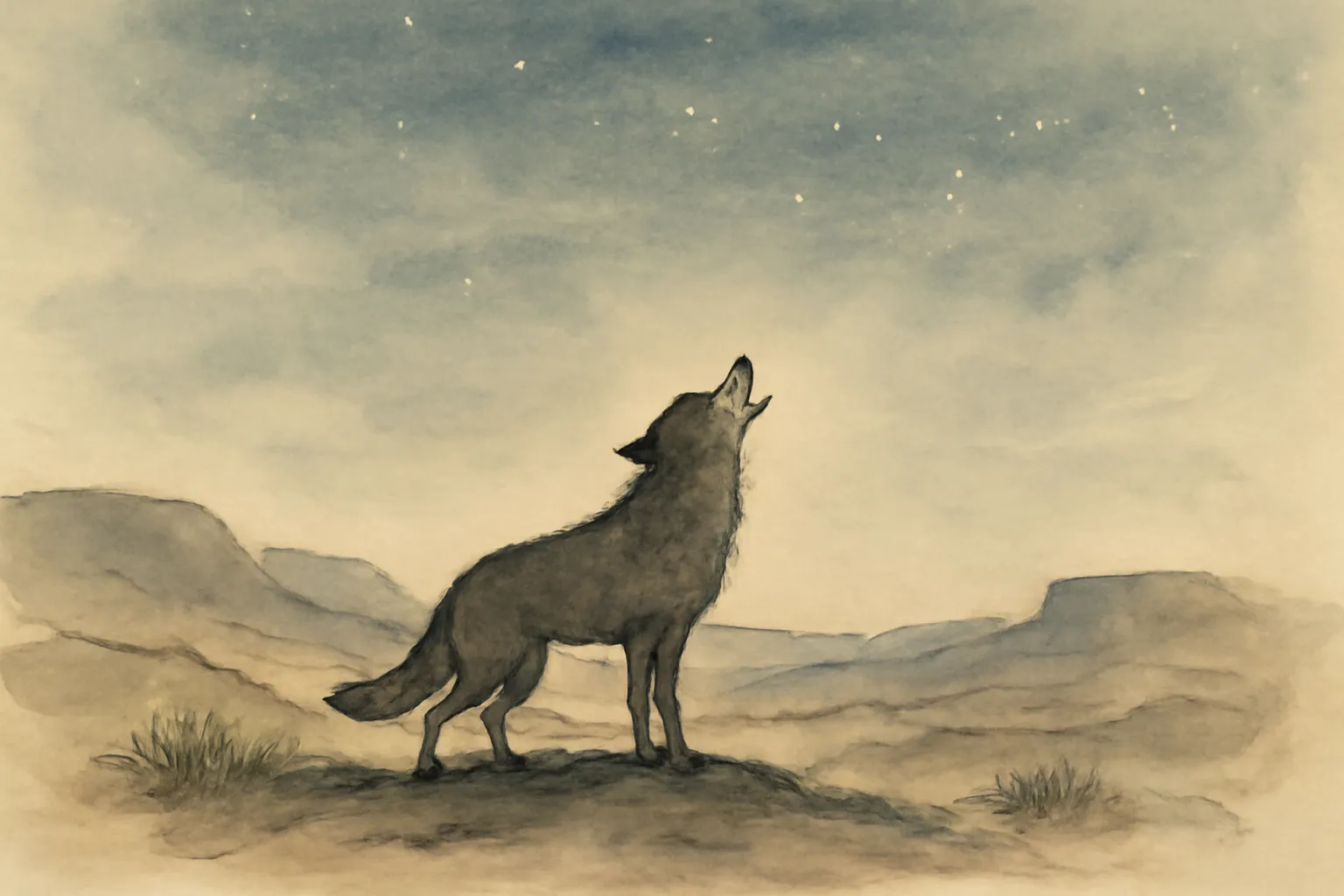
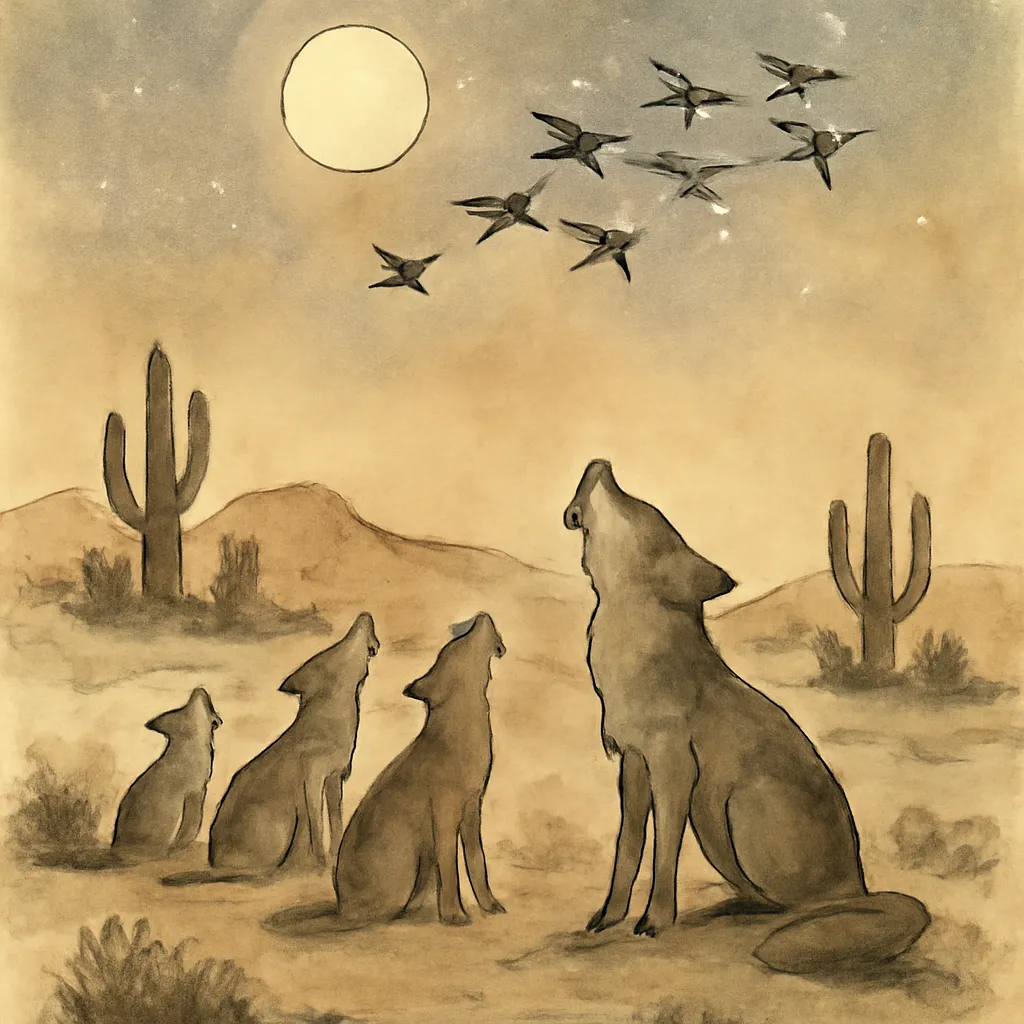
The opening chapter immerses readers in the haunting beauty of the desert night, where the sounds of migrating plover and howling coyotes create a symphony of wilderness. For Collins, a wolfer, these sounds evoke a sense of companionship and humor, as he muses over the resilience of the coyote species. The coyotes' laughter, as he perceives it, mocks humanity's attempts to eradicate them, suggesting a deeper connection to nature's rhythms. This juxtaposition between the wild's chaotic music and the human desire for control sets the stage for the ongoing battle between man and beast. Collins' recognition of the coyotes as 'little yellow devils' encapsulates the duality of admiration and frustration that humans feel towards nature. It emphasizes the idea that despite humanity's efforts, the song of the coyotes will continue, a testament to their survival against odds.
2.Coyote Communication
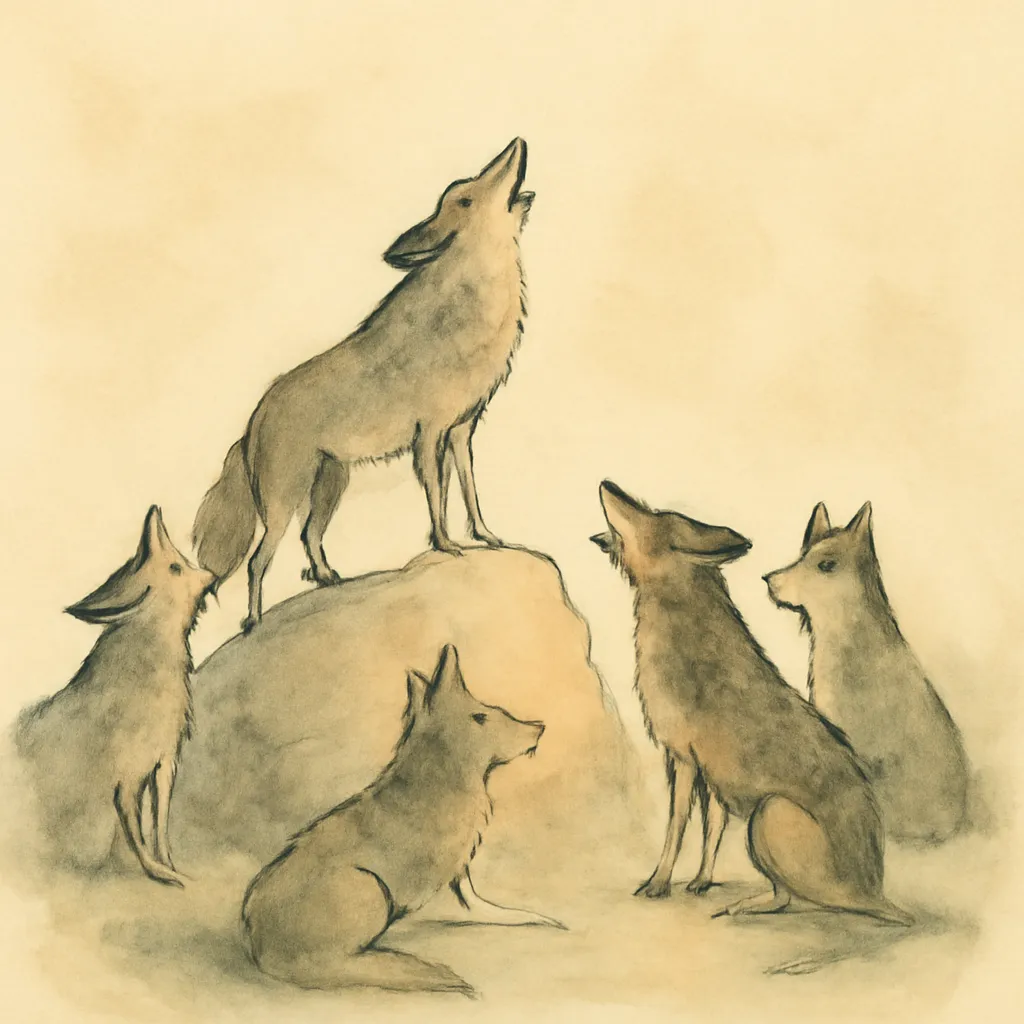
Evarts delves into the sophisticated communication methods of coyotes, emphasizing that each tribe possesses its own unique language filled with nuances of cadence and inflection. Observations reveal that these animals can detect subtle changes in their environment and communicate effectively, signaling danger or readiness to mate. This intricate social structure among coyotes reflects their intelligence and adaptability, showcasing their ability to interpret sounds that humans might overlook. The chapter illustrates how coyotes not only survive but thrive alongside humans, often using their cunning to outsmart traps and other dangers posed by mankind. For example, the way coyotes respond to predators or environmental cues indicates a level of awareness and interaction that goes beyond mere survival instincts. This exploration of animal intelligence invites readers to reconsider their perceptions of wildlife and the complexities of their interactions.
3.The Art of Trapping
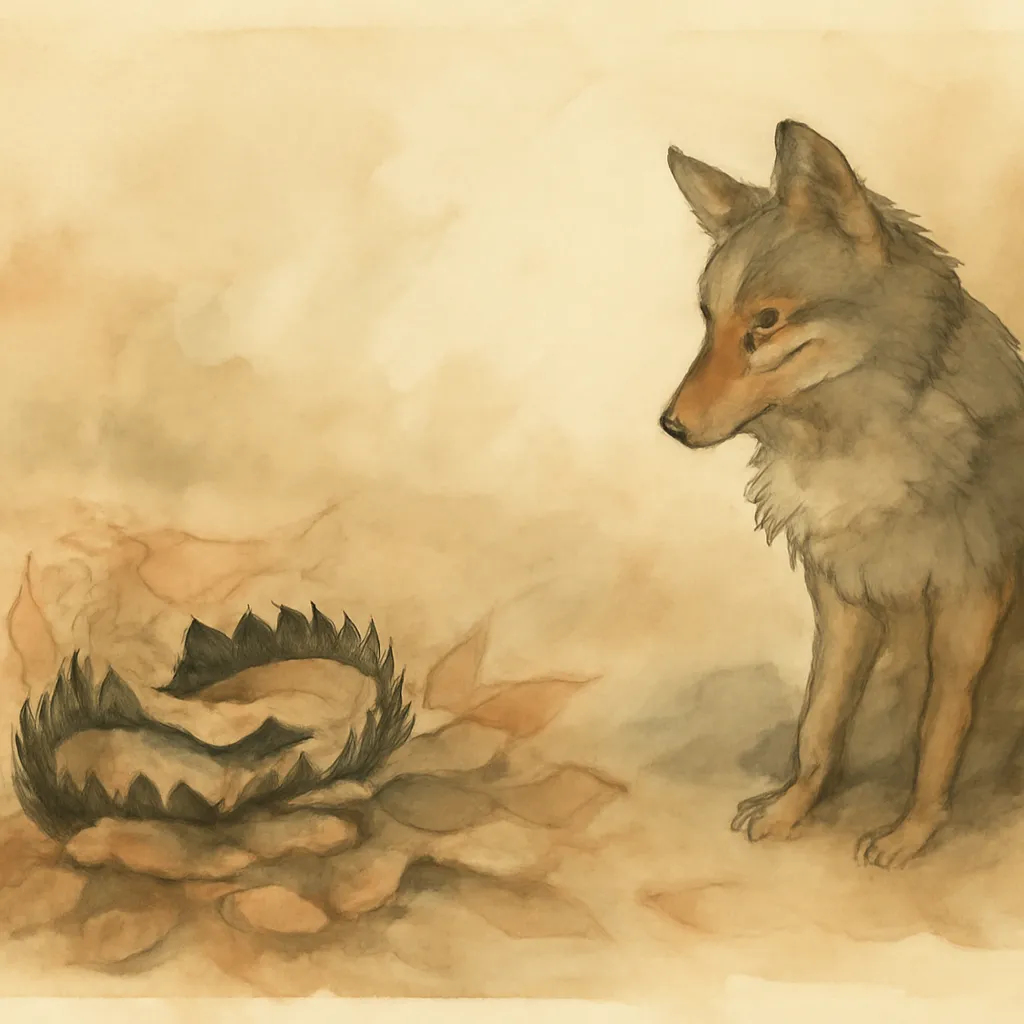
Collins' meticulous approach to trapping coyotes reveals the intricate balance of predator and prey in the wild. He understands that coyotes are not merely animals to be eradicated; they are intelligent beings that can learn from their experiences. By setting traps with care and precision, Collins demonstrates a respect for their cunning nature. The detailed process of preparing traps—from selecting locations to masking his scent—highlights the strategic thinking involved in hunting these creatures. Collins' respect for the coyote's instincts underscores the larger theme of survival, as he acknowledges that while he seeks to control their population, the coyotes possess an innate wisdom that continually challenges his efforts. The wisdom of the fox has long been celebrated, but Evarts illustrates that the coyote's intelligence surpasses it, showing that the coyote is not only trap-shy but trap-wise, adapting its strategies based on the experiences of its pack. This dance of wits between the wolfer and the coyotes exemplifies the ongoing struggle for dominance in the natural world.
4.The Coyote's Adaptability
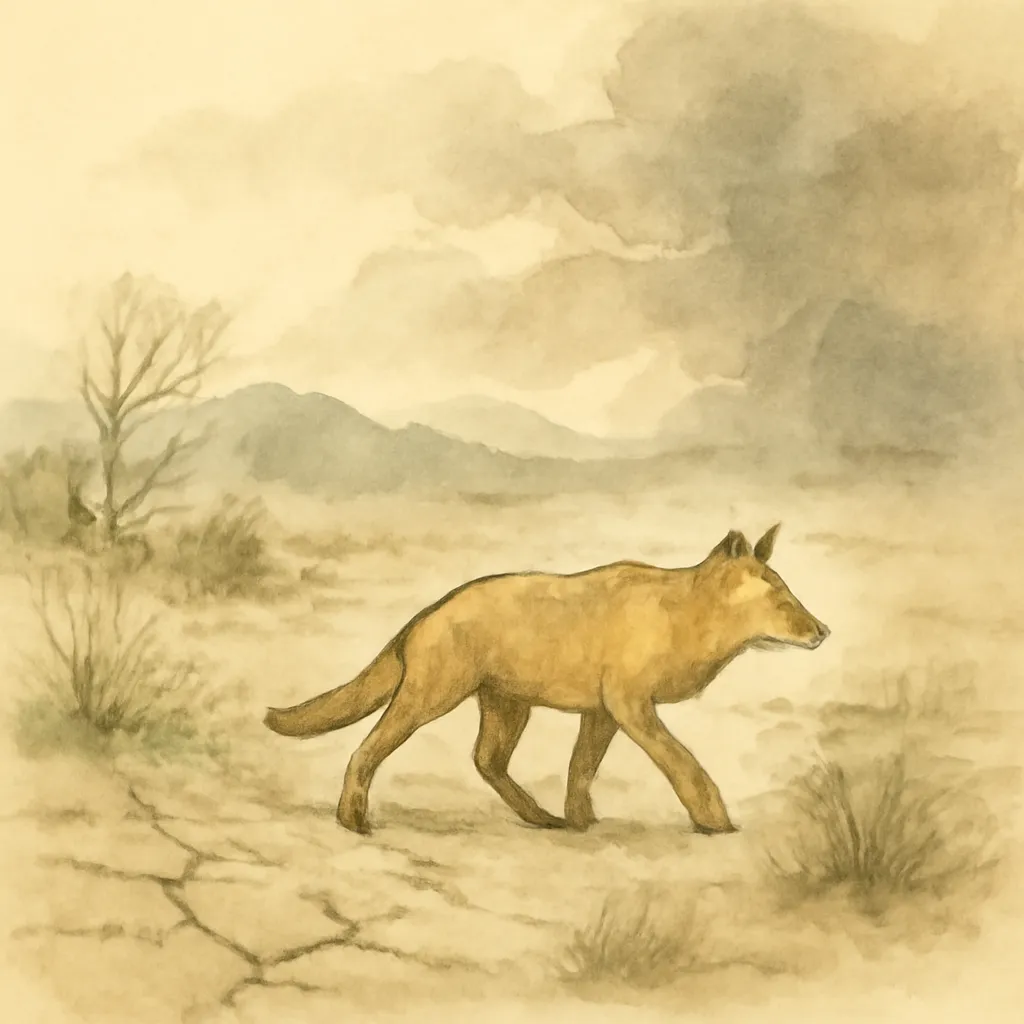
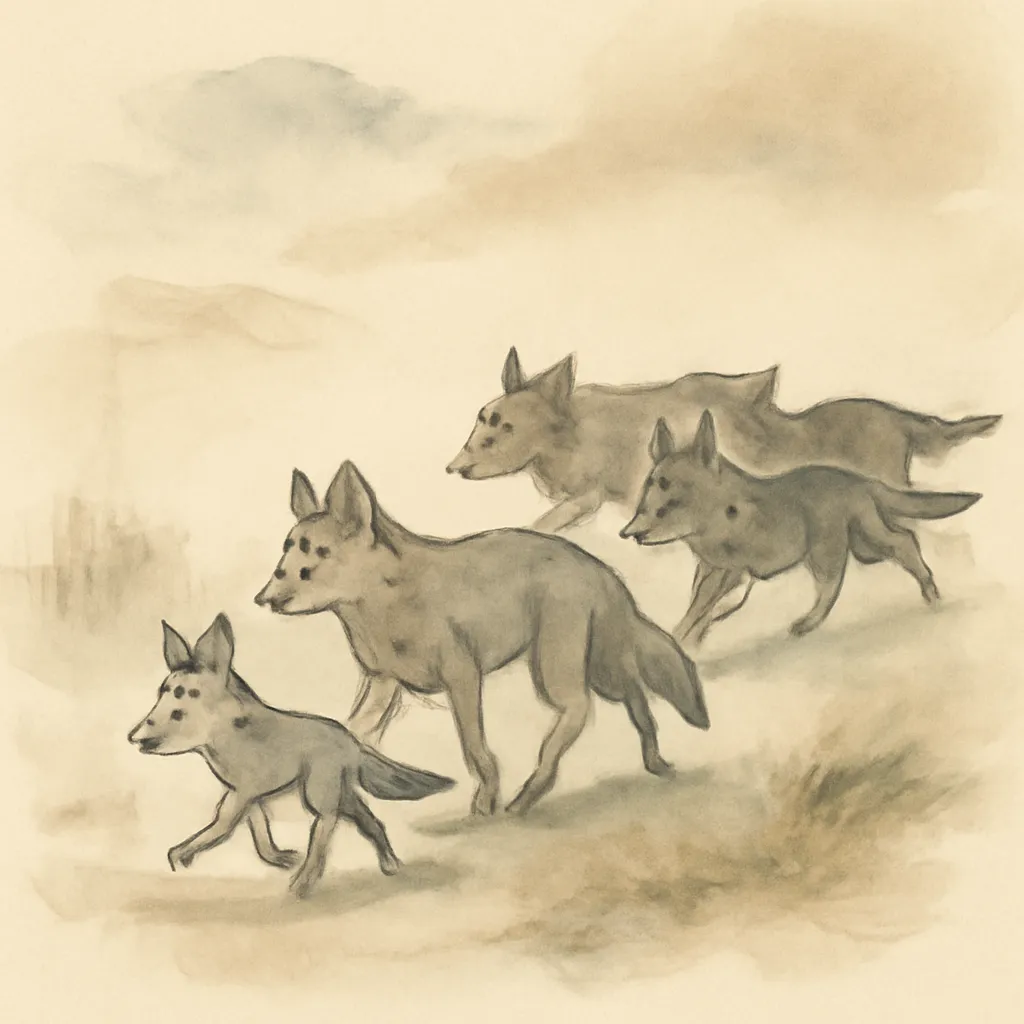
As the narrative progresses, the resilience of the coyote comes to the forefront, particularly through the character of Breed, a yellow wolf who embodies the spirit of survival. Breed's experiences demonstrate how coyotes adapt to changing environments and threats, learning to navigate the dangers posed by both humans and other predators. The introduction of Flatear, a formidable enemy, adds tension to the story as it highlights the constant threats that coyotes face in their quest for survival. The tension escalates as Breed must navigate newfound dangers that Flatear brings, forcing him and his pack to rethink their strategies. Breed's ability to change his hunting strategies and maintain his pack's cohesion illustrates the resourcefulness inherent in these animals. This adaptability not only ensures their survival but also emphasizes the theme that nature rewards those who learn and evolve. Evarts uses Breed's journey to showcase the coyote’s resilience, reminding readers that adaptability is the key to survival in an ever-changing landscape.
5.The Emotional Landscape of Coyotes
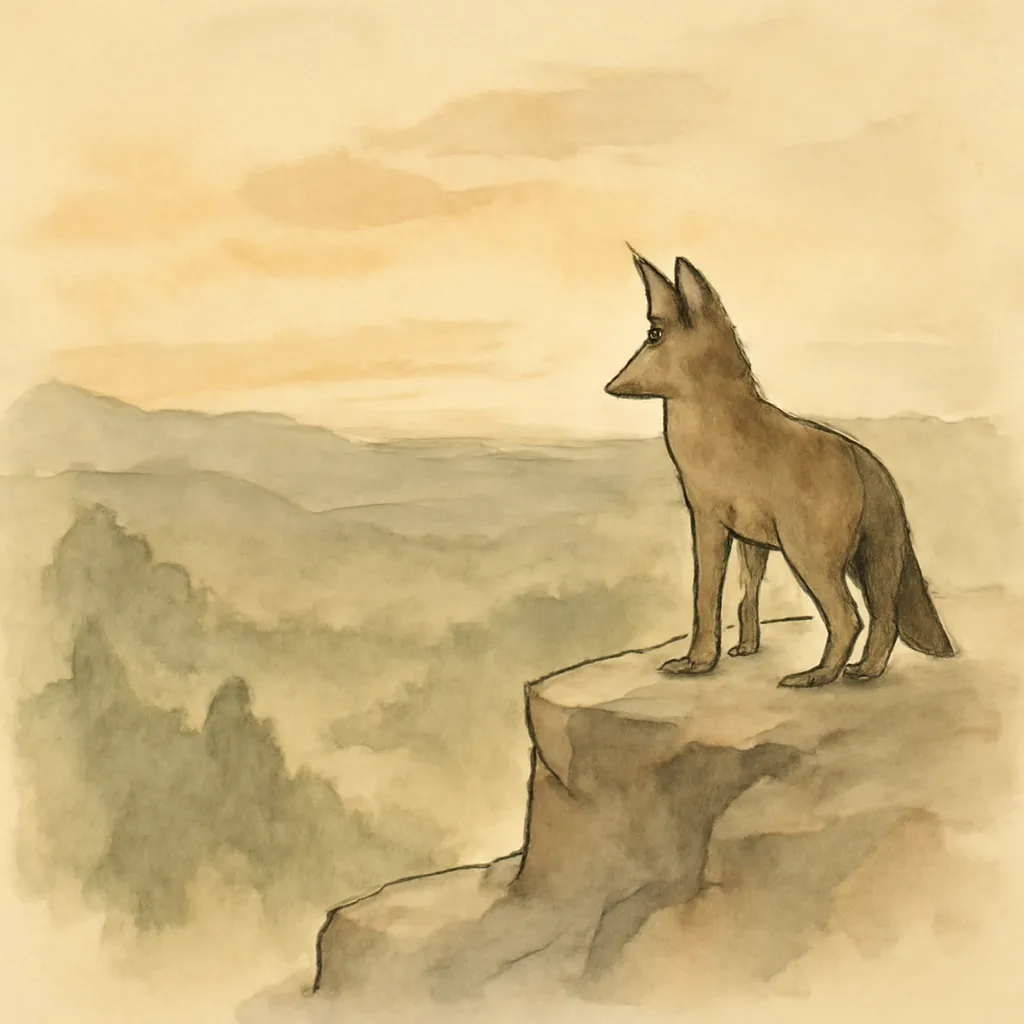
Evarts skillfully captures the emotional depth of coyotes, particularly through the character of Shady, who undergoes significant development throughout the story. Initially portrayed as a creature dependent on Breed, Shady's journey reflects the broader themes of independence and the struggle for identity in the wild. Her interactions with the pack, marked by suspicion and a sense of loss, reveal the complexities of coyote social dynamics. For instance, when Shady first encounters the pack, her hesitance and defensive growls showcase not only her vulnerability but also the instinctual need for protection and belonging. As she learns to navigate her new reality, Shady embodies the emotional challenges faced by animals in a harsh environment. This exploration of feelings within the animal kingdom invites readers to empathize with these creatures, recognizing that their lives are rich with emotional experiences akin to those of humans. Evarts' portrayal of Shady highlights that survival is not just physical; it also requires emotional strength and adaptability in the face of adversity.
6.The Threat of New Predators
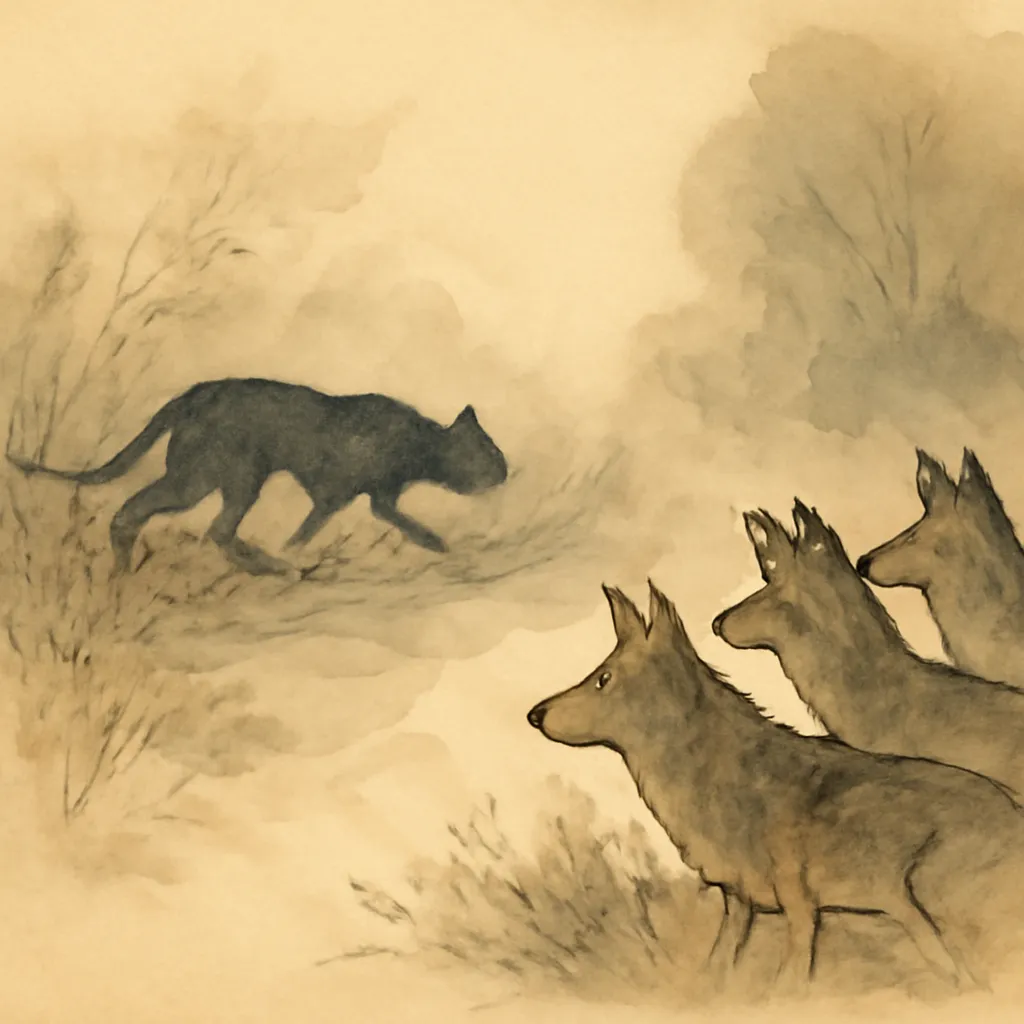
The emergence of Flatear, a new predator, introduces a chilling element to the narrative, highlighting the ever-present dangers that coyotes must confront. Flatear's stealthy approach and lethal efficiency create an atmosphere of fear among the coyote population, forcing them to adapt their hunting strategies and social structures. This development serves as a stark reminder of the precariousness of life in the wild, where new threats can disrupt established hierarchies and force animals to reassess their survival tactics. The way Breed and his pack respond to this new menace illustrates the theme of resilience in the face of adversity, showcasing the instinctual drive to survive against overwhelming odds. The tension created by Flatear's presence reinforces the idea that the struggle for survival is a constant battle, filled with unexpected challenges. This constant adaptation to new threats speaks to the broader narrative of survival in the natural world, where complacency can lead to downfall.
7.The Cycle of Life and Death
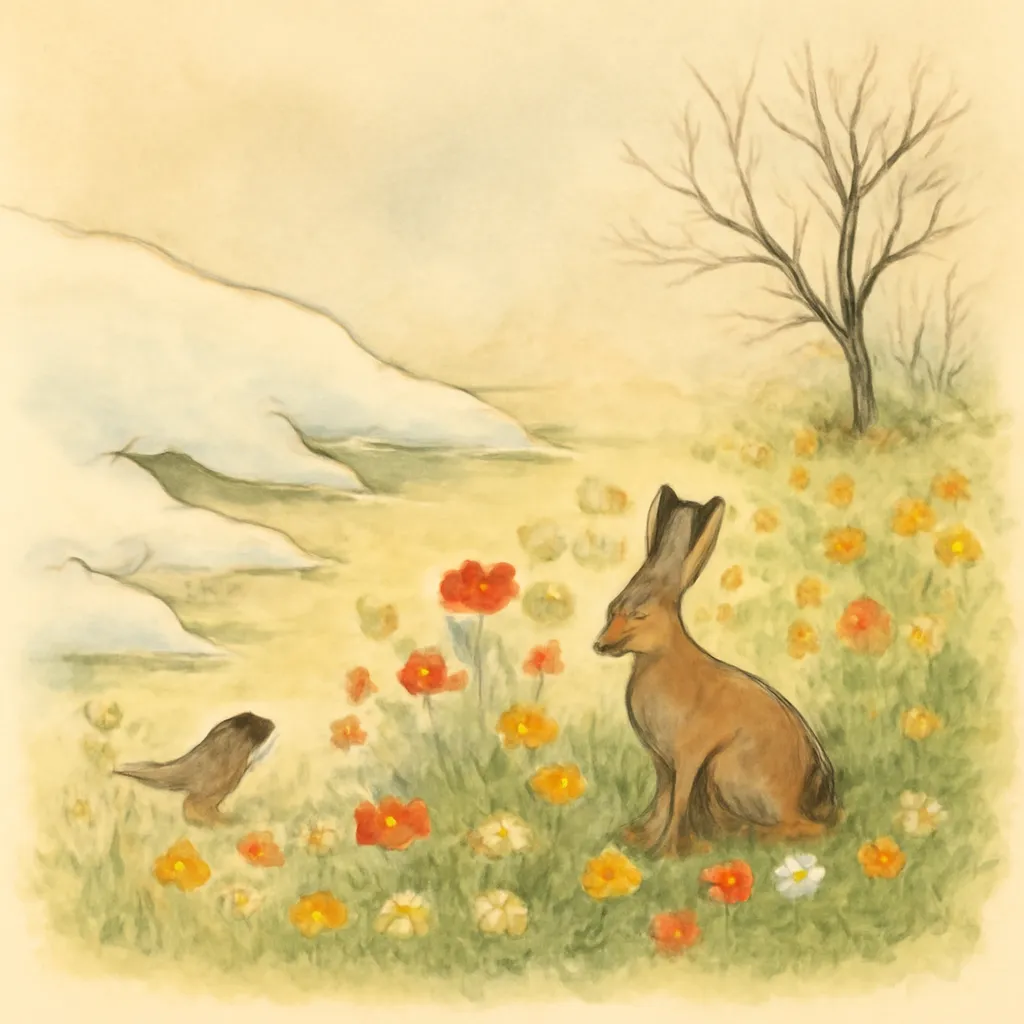
As the seasons change, Evarts paints a vivid picture of the cyclical nature of life in the wilderness. The harshness of winter gives way to the renewal of spring, bringing with it the promise of new life and the return of game. This cycle is not just about survival; it reflects the interconnectedness of all living beings in the ecosystem. For example, the resumption of elk migrations brings new opportunities for the coyotes to hunt, showcasing how the rhythms of nature dictate the lives of its inhabitants. The coyotes' ability to thrive during the summer months, coupled with the birth of their pups, symbolizes hope and continuity in the face of adversity. However, this cycle also underscores the harsh realities of life, as the presence of predators like bears and the impact of human activity continue to pose threats. The narrative reminds readers that while nature is resilient, it is also fragile, requiring a delicate balance to sustain its inhabitants. Evarts' depiction of these cycles invites readers to reflect on the broader implications of life, death, and rebirth in the natural world.
8.Human Impact on Nature
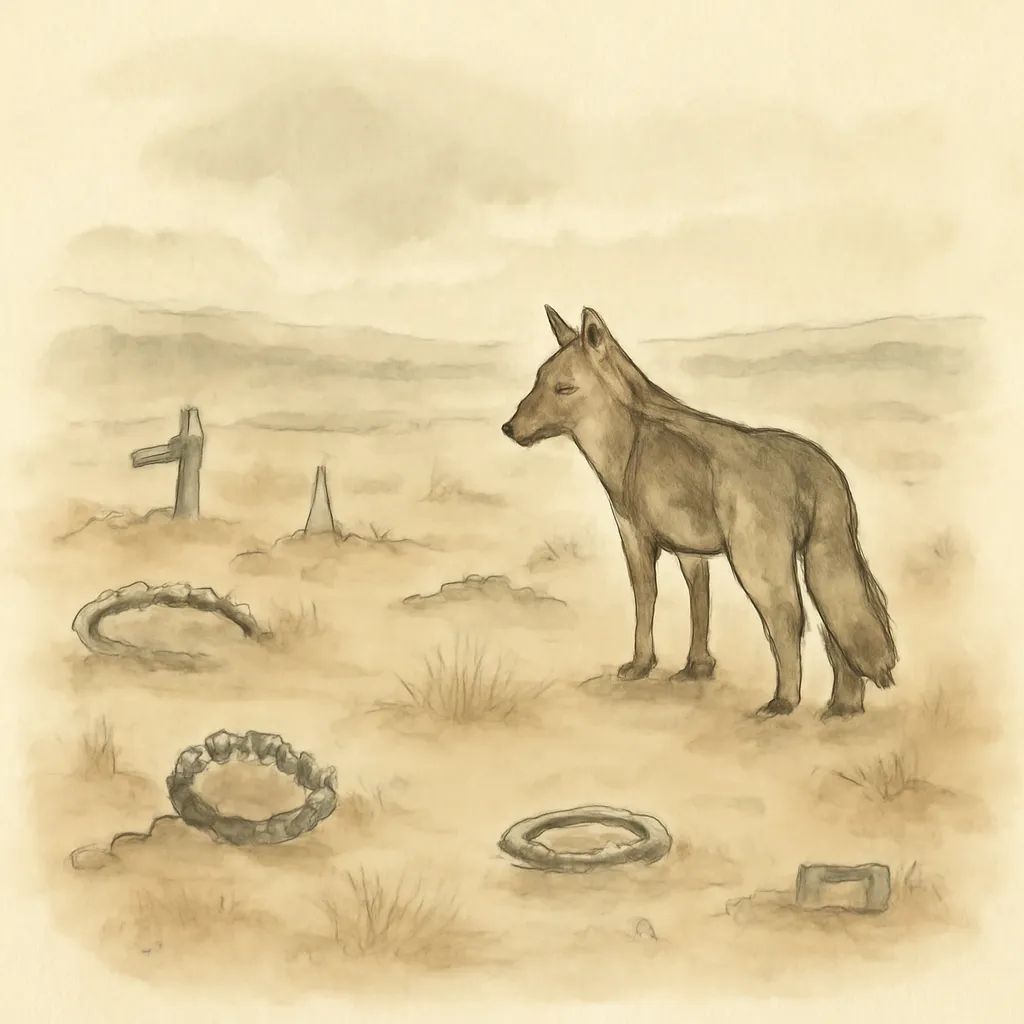
Collins' journey north and his eventual departure from the foothills underscore the impact of human activities on wildlife populations. As he grapples with the changing landscape and the diminishing returns of wolfing, readers are confronted with the consequences of overexploitation and habitat destruction. The contrast between the vibrant life of the coyotes and the somber reality of Collins' new environment serves as a poignant commentary on the relationship between humans and nature. Evarts invites readers to reflect on their role in shaping the world around them, emphasizing the need for coexistence rather than domination. The environment Collins finds in the north, filled with dense underbrush and fewer sounds of life, illustrates the repercussions of hunting and trapping practices that disregard ecological balance. This theme resonates throughout the narrative, urging a deeper understanding of the complexities involved in wildlife management and conservation, and prompting reflection on our responsibilities towards the natural world.
9.The Legacy of the Yellow Wolf
Breed's journey through the wilderness culminates in a testament to the enduring legacy of the coyote, as his teachings and instincts are passed down to the next generation. The emergence of new coyotes that exhibit the pack-hunting techniques learned from Breed highlights the importance of knowledge transfer in ensuring survival. This legacy is not just about physical survival; it encompasses the wisdom and adaptability required to navigate an ever-changing environment. The narrative concludes with a sense of hope as the descendants of Breed continue to thrive, embodying the resilience and spirit of the coyote. Evarts leaves readers with a powerful reminder that nature's lessons are timeless, and the ability to adapt and learn is crucial for survival in any context. The continuation of Breed's lineage emphasizes the significance of mentorship and shared knowledge in both human and animal realms, reinforcing the interconnectedness of all life.
10.The Human-Coyote Connection
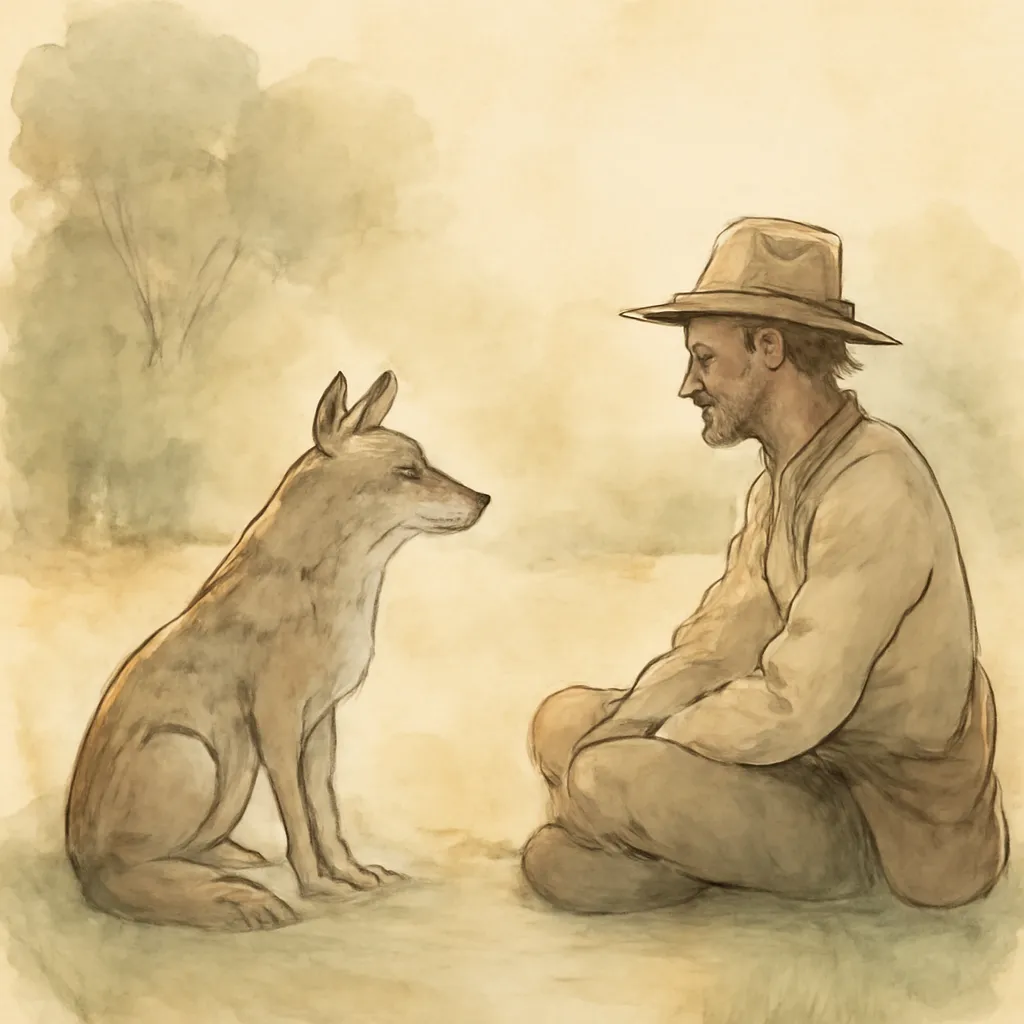
Throughout 'The Yellow Horde,' the relationship between humans and coyotes is explored in depth, illustrating the complexities of coexistence. Collins' role as a wolfer places him in direct conflict with the coyotes, yet his observations reveal a profound respect for their intelligence and resilience. This duality highlights the ambivalence often felt by humans towards wildlife; admiration for their tenacity is often overshadowed by the desire to control or eliminate them. By presenting the coyotes not merely as pests but as sentient beings with their own social structures and emotional lives, Evarts challenges readers to reconsider their perceptions of these creatures. The narrative ultimately advocates for a more harmonious relationship between humans and nature, where understanding and respect can lead to coexistence rather than conflict. This examination of the human-coyote dynamic invites a broader exploration of how society views wildlife, urging a shift from adversarial attitudes to one that recognizes the value of biodiversity and ecological balance.