Adventure · Fiction · Short Reads
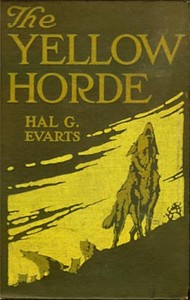
The Yellow Horde by Hal G. Evarts — Summary, Key Ideas & Full Text
122 pages11 chapters2h 27m read1h 44m speed read✦ 10-min Big ideasFree · no account
Rate it
Survival, cunning, and the relentless spirit of the coyote in the face of human encroachment
In 'The Yellow Horde,' Hal G. Evarts paints a vivid picture of the life and struggles of coyotes in the American wilderness, as seen through the eyes of a wolfer named Collins. The narrative intertwines the natural instincts of these resilient creatures with the human desire to control and eradicate them. Readers will gain insights into the complexity of animal behavior, the intricacies of survival in the wild, and the profound connection between humans and nature. The story also serves as a commentary on the futility of man's attempts to dominate the natural world, highlighting the enduring presence of the coyote as a symbol of adaptability and resilience. This exploration of predator and prey invites reflection on our relationship with wildlife and the environment.
Hal G. Evarts' 'The Yellow Horde' offers a profound exploration of the lives of coyotes, weaving together themes of survival, adaptability, and the intricate relationships between humans and nature. Through vivid storytelling and rich character development, the narrative invites readers to reflect on their perceptions of wildlife and the importance of coexistence. The resilience of the coyote serves as a powerful symbol for the enduring spirit of nature, reminding us that, despite our attempts to control or eradicate it, the wild will always find a way to persist. As we navigate the complexities of our relationship with the natural world, Evarts encourages a deeper understanding and appreciation for the creatures that share our environment, urging us to embrace a more harmonious existence.
“All that wild outburst in which men read only an uproar of meaningless savagery is in reality the intelligent conversation of the coyote nation.”
“It is the way of the coyote to live near man, confident that his own cunning will offset that of his arch enemy and lead him unscathed through all the contrivances men may employ for his destruction.”
“The gulf between shepherd and coyote is not wide, and except when raiding coyotes and stock-guarding dogs meet in a clash of interests they are more apt to mate than to fight.”
Read Hal G. Evarts's work free on Lumina — the complete text plus an 8-minute summary and key ideas, no account needed