1.The Weight of Inheritance
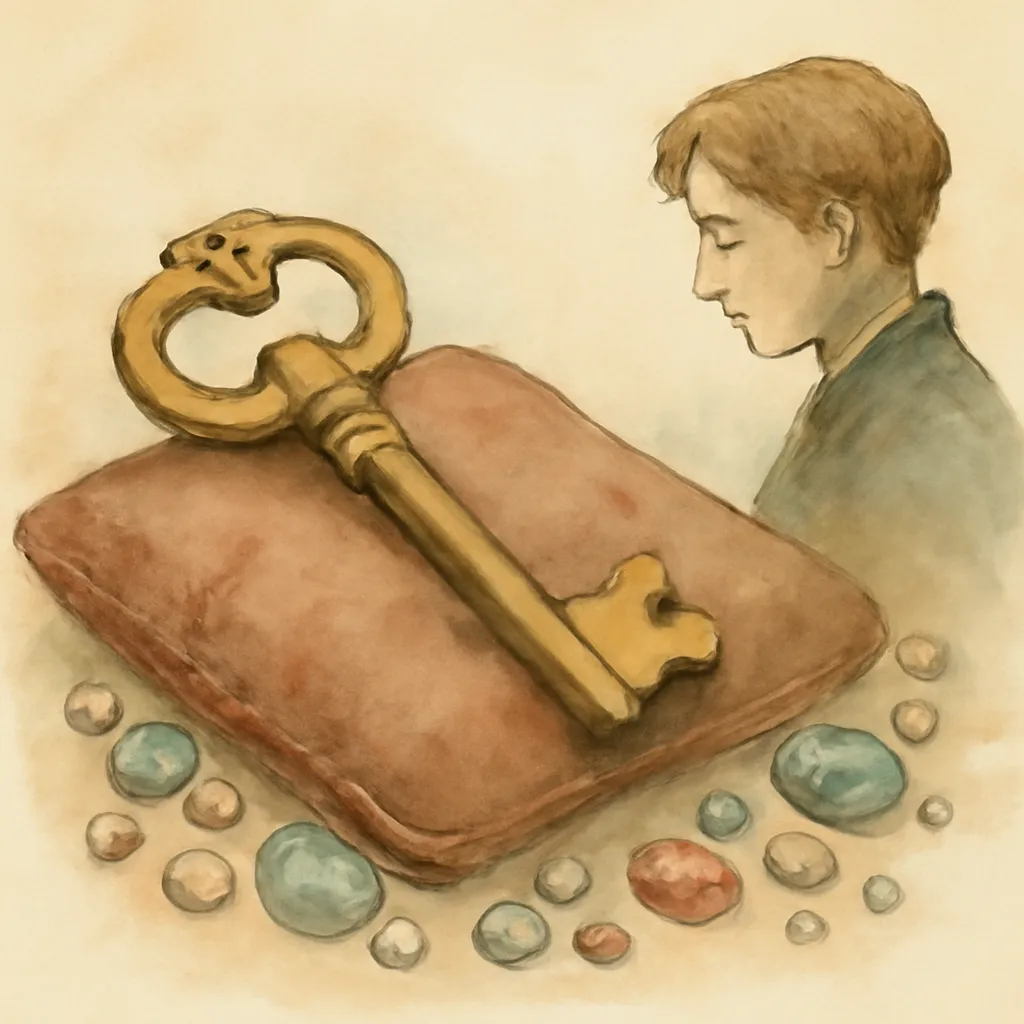
The novel opens with the young Duke of St. James coming into his inheritance at the age of twenty-one, a momentous occasion that reverberates through the English aristocracy. His wealth is staggering, with estates sprawling across England and a significant fortune amassed from investments, positioning him as one of the richest men in Europe. Disraeli vividly describes how this newfound wealth not only elevates the duke's family status but also imposes upon him a heavy burden of responsibility. As he inherits a rent-roll of two hundred thousand pounds and a half-million in funds, the young duke must grapple with the expectations that accompany his title. The author illustrates how wealth can distort relationships, turning familial affection into a transactional dynamic, where loyalty is often driven by monetary interests. This initial portrayal of the duke's staggering fortune sets the stage for a deeper exploration of how privilege can shape a young person's identity, leading them to question their role in a society that prioritizes status over character.
2.Manipulation and Guardianship

The relationship between the young duke and his guardian, Mr. Dacre, acts as a critical axis of tension within the story. Despite being chosen by his late father and possessing a genuine interest in the duke’s well-being, Mr. Dacre faces unwarranted opposition from Lord Fitz-pompey, the duke's uncle, who seeks to diminish Dacre's authority. As the narrative unfolds, it becomes evident that the uncle's motivations are rooted in ambition and a desire to manipulate the young duke for his own gain. Disraeli’s exploration of this toxic dynamic illuminates the theme of manipulation, showing how familial bonds can be twisted by self-interest. The duke, influenced by his uncle’s machinations, initially views Dacre as a tyrant rather than a protector, leading to a profound misrepresentation of loyalty. This conflict not only highlights the complexities inherent in familial loyalty but also emphasizes the impact of external influences on personal perceptions, as the young duke grapples with conflicting allegiances.
3.The Disillusionment of Youth
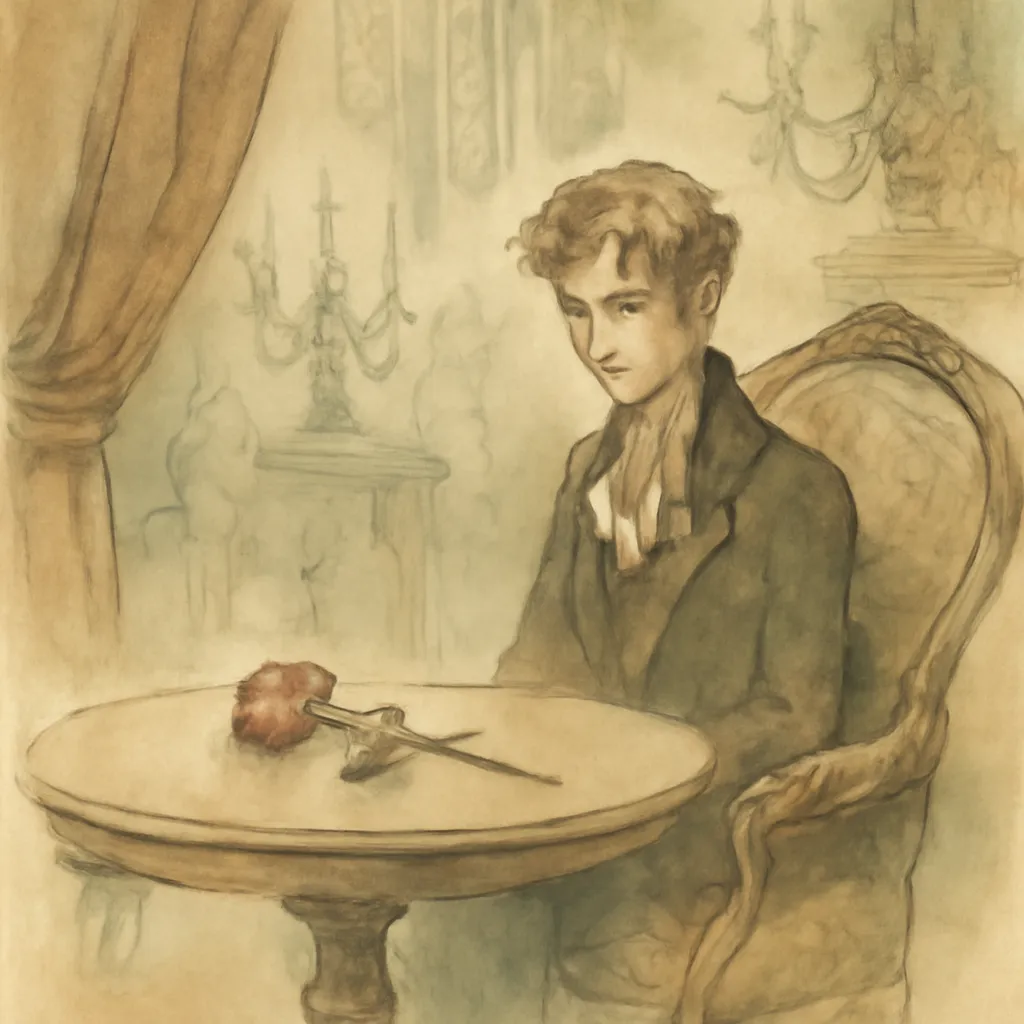
As the duke returns to England after years abroad, he is met with a starkly different reality from the idyllic visions of his youth. Disraeli captures this disillusionment through the duke's growing awareness of the ulterior motives behind his relatives' affection. Initially, the young duke views Lord Fitz-pompey as a benevolent figure, only to discover that his uncle's intentions are not as noble as he had believed. This shift in perception represents a crucial moment in the young duke's character development, marking his transition from innocent naiveté to a more complex understanding of the world around him. Disraeli effectively portrays the loss of innocence as a bittersweet process, as the duke learns to question the authenticity of the relationships surrounding him. This disillusionment resonates deeply, echoing the universal experience of growing up and the often-painful realizations that come with maturity, challenging the reader to reflect on their own experiences of disillusionment in the face of harsh realities.
4.The Art of Social Navigation
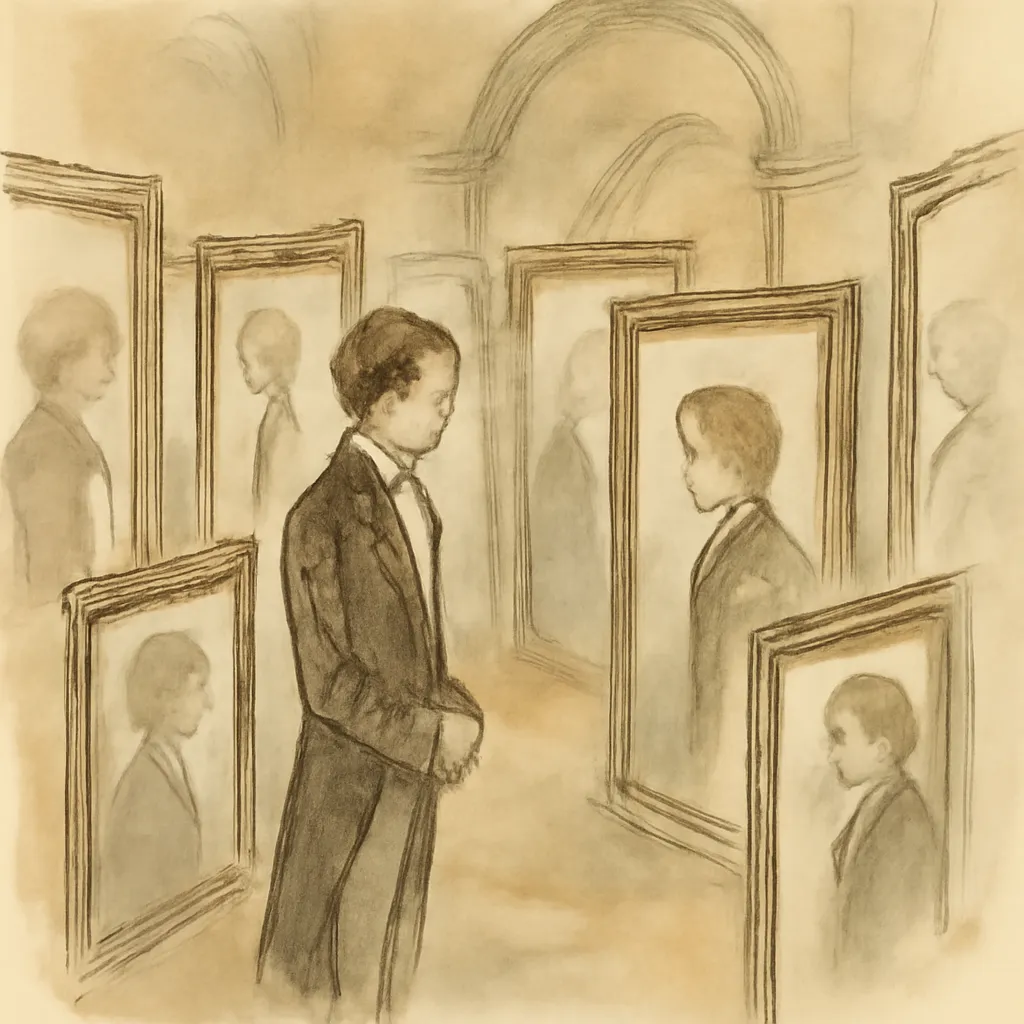
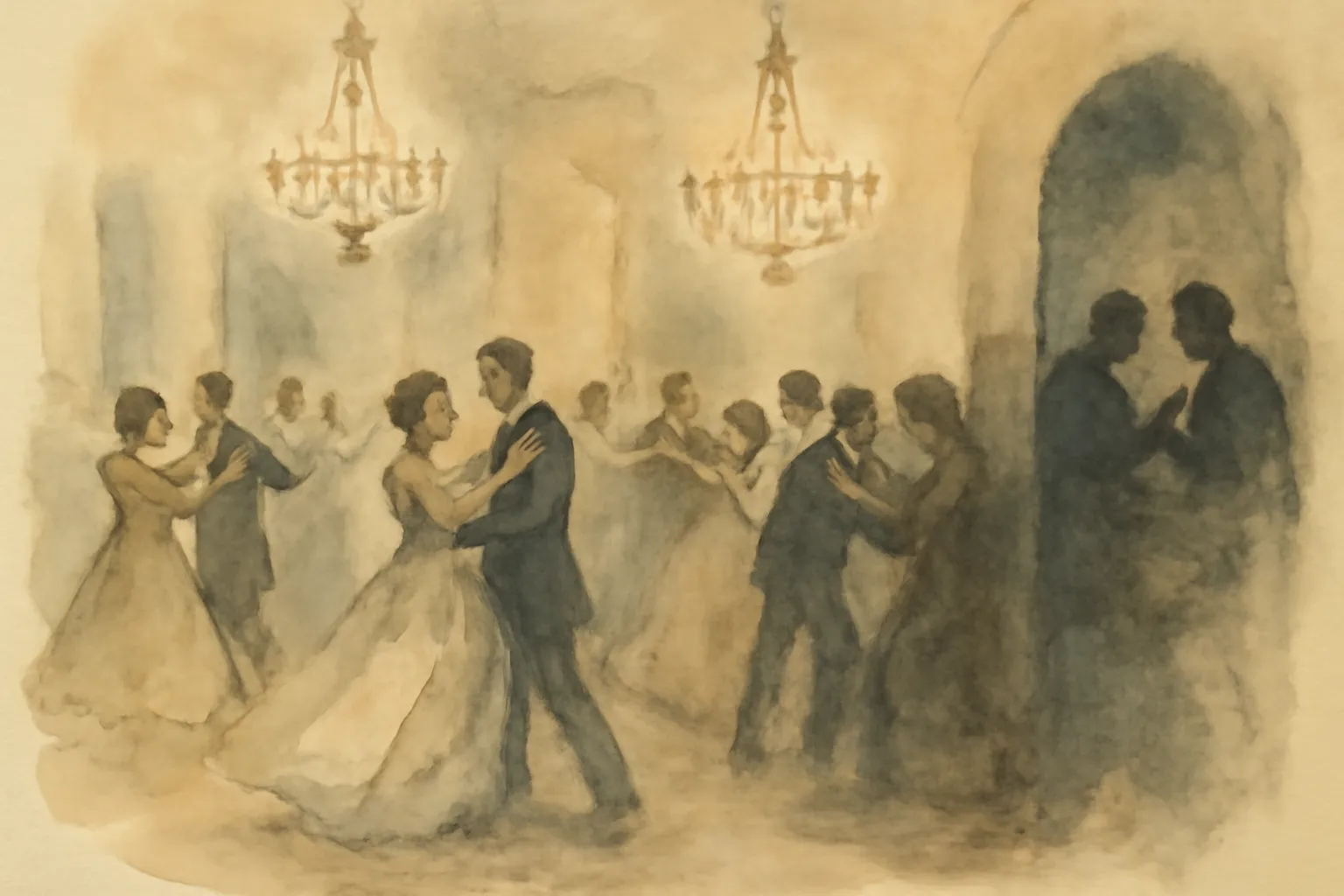
The social landscape of London during the duke's debut is rife with competition, expectations, and intricate social codes. Disraeli carefully illustrates how the young duke must learn to navigate the dynamics of courtship, societal approval, and personal desire in this world of opulence and intrigue. The grand social events, particularly at venues like Almack's, serve as microcosms of the aristocratic society, where individuals perform their roles amidst the demands of tradition and etiquette. The young duke's initial attempts to impress his peers are fraught with both excitement and anxiety, as he grapples with the performative nature of high society. Disraeli critiques this environment by portraying it as a stage where authenticity is often sacrificed for the sake of appearances. The duke's experiences reveal the tension between his genuine self and the societal expectations he is compelled to fulfill, ultimately questioning what it means to belong in a world defined by superficiality and prestige.
5.Romantic Entanglements and Personal Growth

The romantic pursuits of the young duke, especially his infatuation with Lady Aphrodite, serve as pivotal elements that shape his character and choices throughout the narrative. Disraeli explores the complexities of love, desire, and personal growth through their relationship, revealing how the duke's feelings challenge his understanding of loyalty and commitment. Lady Aphrodite embodies the idealized love that captivates the duke, yet their relationship is complicated by societal expectations and the interference of figures like Sir Lucius Grafton. Disraeli masterfully portrays the nuances of their connection, capturing the passion and turmoil that characterize young love. The duke's evolving feelings for Lady Aphrodite not only prompt him to confront his own vulnerabilities but also force him to reconcile his desires with the conflicting demands of his title and family. Through this exploration of romantic entanglements, the novel underscores the transformative power of love and the personal growth that often accompanies such deep emotional experiences.
6.The Role of Authority and Rebellion
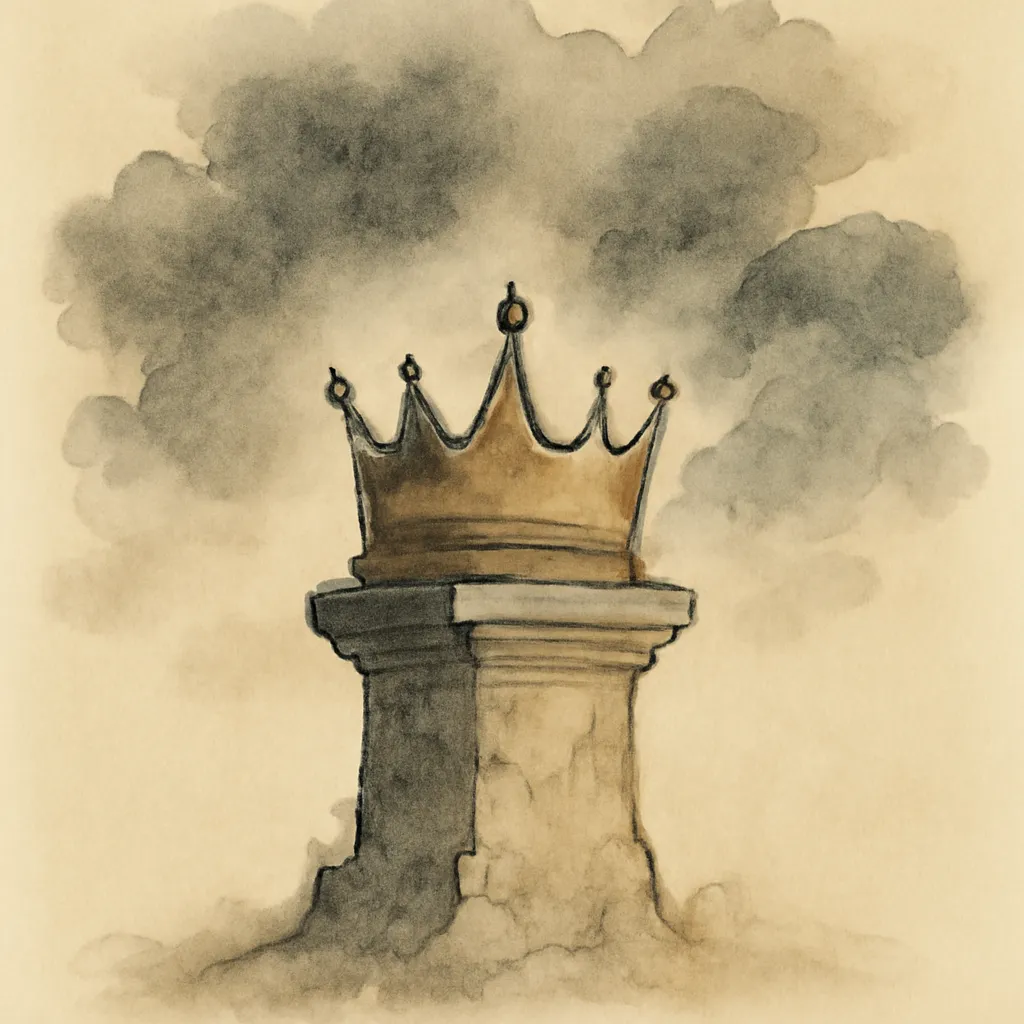
The theme of authority permeates the novel, particularly in the dynamic between the young duke and his guardian, Mr. Dacre, as well as the pressures from Lord Fitz-pompey. The young duke's initial respect for Dacre begins to wane under the influence of his uncle's manipulations, leading him to question the nature of authority and rebellion. Disraeli illustrates this struggle not as a straightforward rejection of authority but as a complex negotiation of power. The duke seeks to establish his identity and independence while still grappling with the expectations placed upon him by his title. This nuanced portrayal of rebellion highlights the broader societal tensions between tradition and modernity, showcasing the young duke's journey as he strives for personal freedom amidst external pressures. Disraeli's exploration of authority invites readers to consider the intricate balance between conformity and independence within the context of aristocratic society.
7.The Illusion of Happiness
Throughout the novel, the pursuit of happiness is portrayed as a multifaceted endeavor, particularly in the context of aristocratic life. The young duke finds himself surrounded by opulence and social grandeur, yet he grapples with an underlying sense of emptiness and dissatisfaction. Disraeli critiques the notion that wealth and social standing equate to genuine fulfillment, as the duke navigates the superficiality of high society. His encounters at lavish events reveal a pervasive sense of disillusionment, prompting him to question the true sources of joy and connection in his life. This theme resonates throughout the narrative, as various characters pursue their desires against the backdrop of societal expectations. Disraeli's exploration of happiness challenges readers to reflect on the complexities of contentment and the ways in which societal pressures can distort one's understanding of true fulfillment.
8.Friendship and Loyalty
The theme of friendship emerges as a crucial element in the narrative, particularly in the bond between the young duke and Sir Lucius Grafton. Their camaraderie provides a counterbalance to the intrigues of high society, illustrating the importance of genuine connection amidst competition and ambition. However, the complexities of loyalty are also explored, as the young duke must navigate his friendships in light of his romantic interests and familial pressures. Disraeli captures the nuances of friendship, portraying it as a source of both strength and potential conflict. The young duke's evolving relationships reflect the broader theme of loyalty, prompting readers to consider the sacrifices and compromises that often accompany deep connections. Ultimately, the novel emphasizes the significance of authentic relationships in a world characterized by manipulation and self-interest.
9.The Burden of Expectations
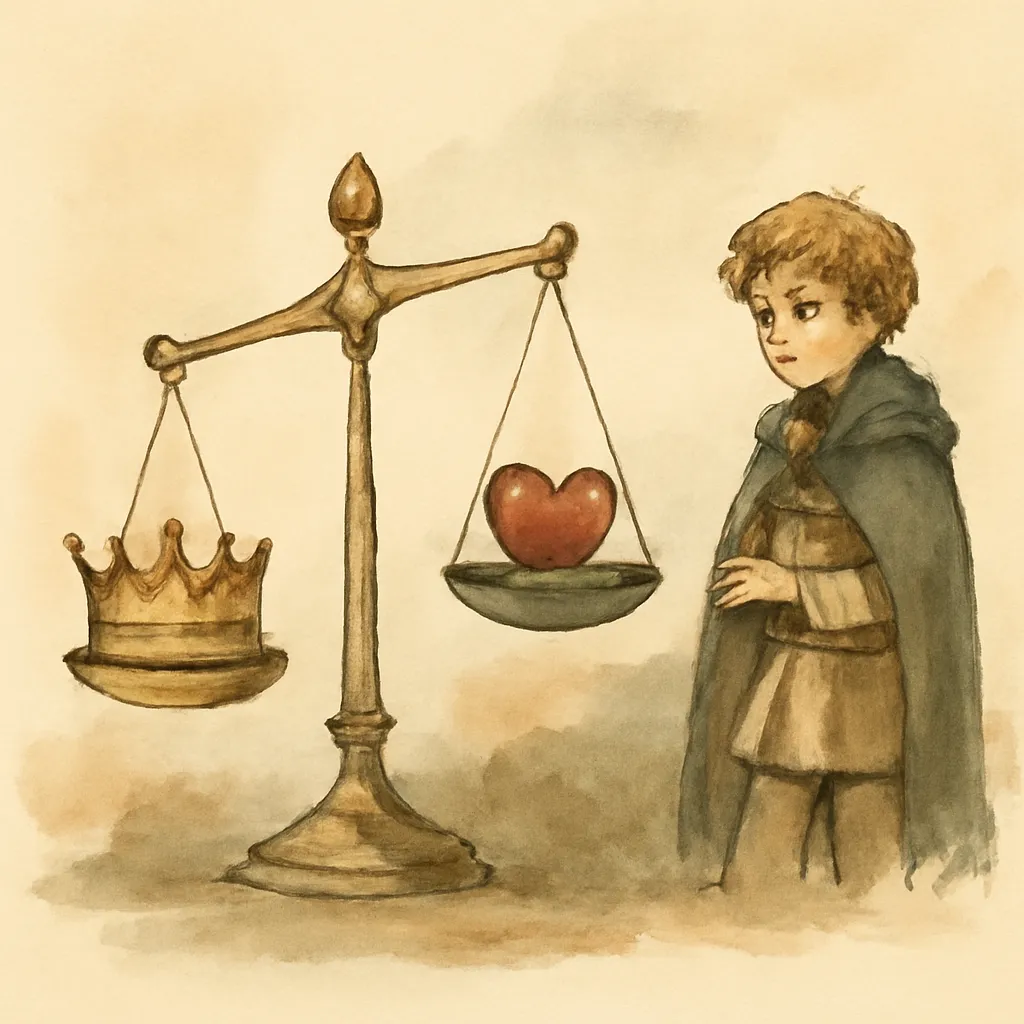
As the young duke settles into his role within the aristocracy, he faces mounting expectations from family and society alike. Disraeli illustrates the weight of these expectations, which often conflict with the duke's personal desires and aspirations. The pressure to conform to societal norms and uphold family honor looms large, creating a tension that permeates the narrative. The young duke's struggle to balance these demands with his own identity becomes a central conflict, prompting readers to reflect on the broader implications of societal expectations on individual agency. Disraeli's portrayal of this burden resonates with the universal experience of navigating personal ambitions within the constraints of external pressures, ultimately raising questions about the cost of ambition and the sacrifices made in pursuit of societal approval.
10.The Power of Transformation
The theme of transformation is echoed throughout the novel, particularly in the young duke's journey from innocence to experience. Disraeli masterfully depicts the duke's evolution as he confronts the complexities of love, loyalty, and ambition within the context of aristocratic society. This transformation is not merely superficial; it reflects a deeper understanding of himself and his place in the world. As the duke navigates the challenges of high society, he learns to reconcile his desires with the realities of his status. Disraeli's exploration of transformation invites readers to consider the profound impact of personal growth on one's identity and relationships. The young duke's journey underscores the idea that true maturity often comes through facing adversity and embracing change, ultimately leading to a more nuanced understanding of self and society.